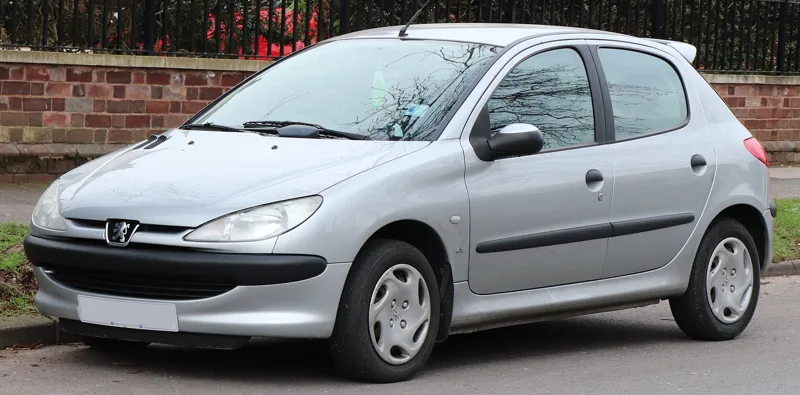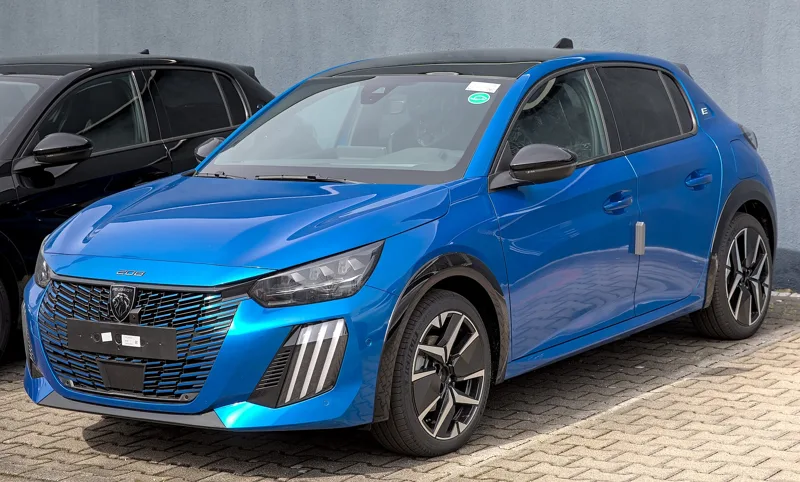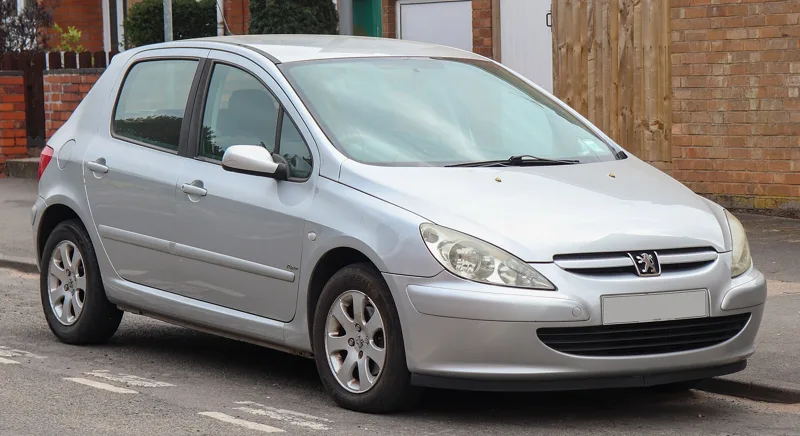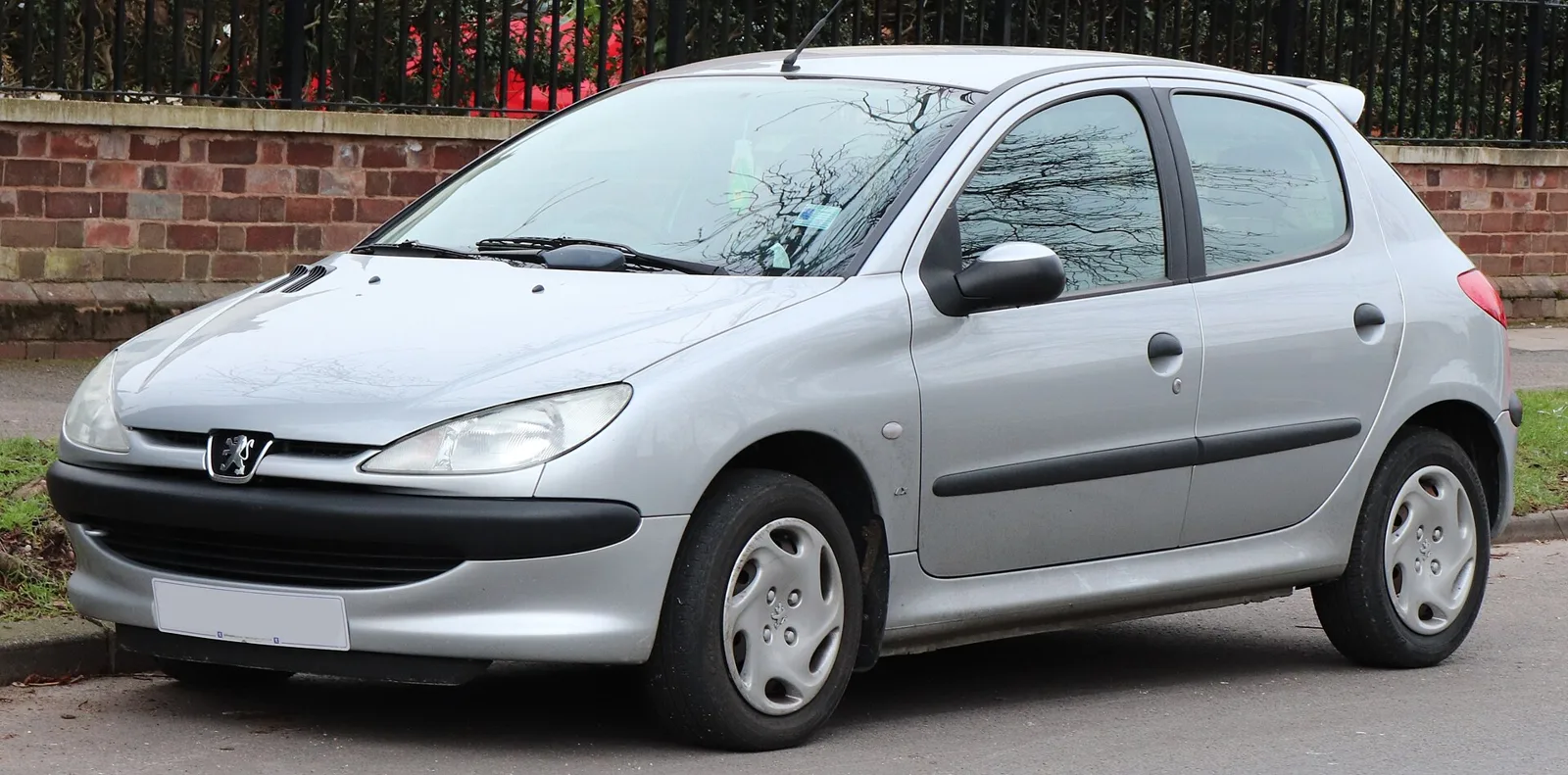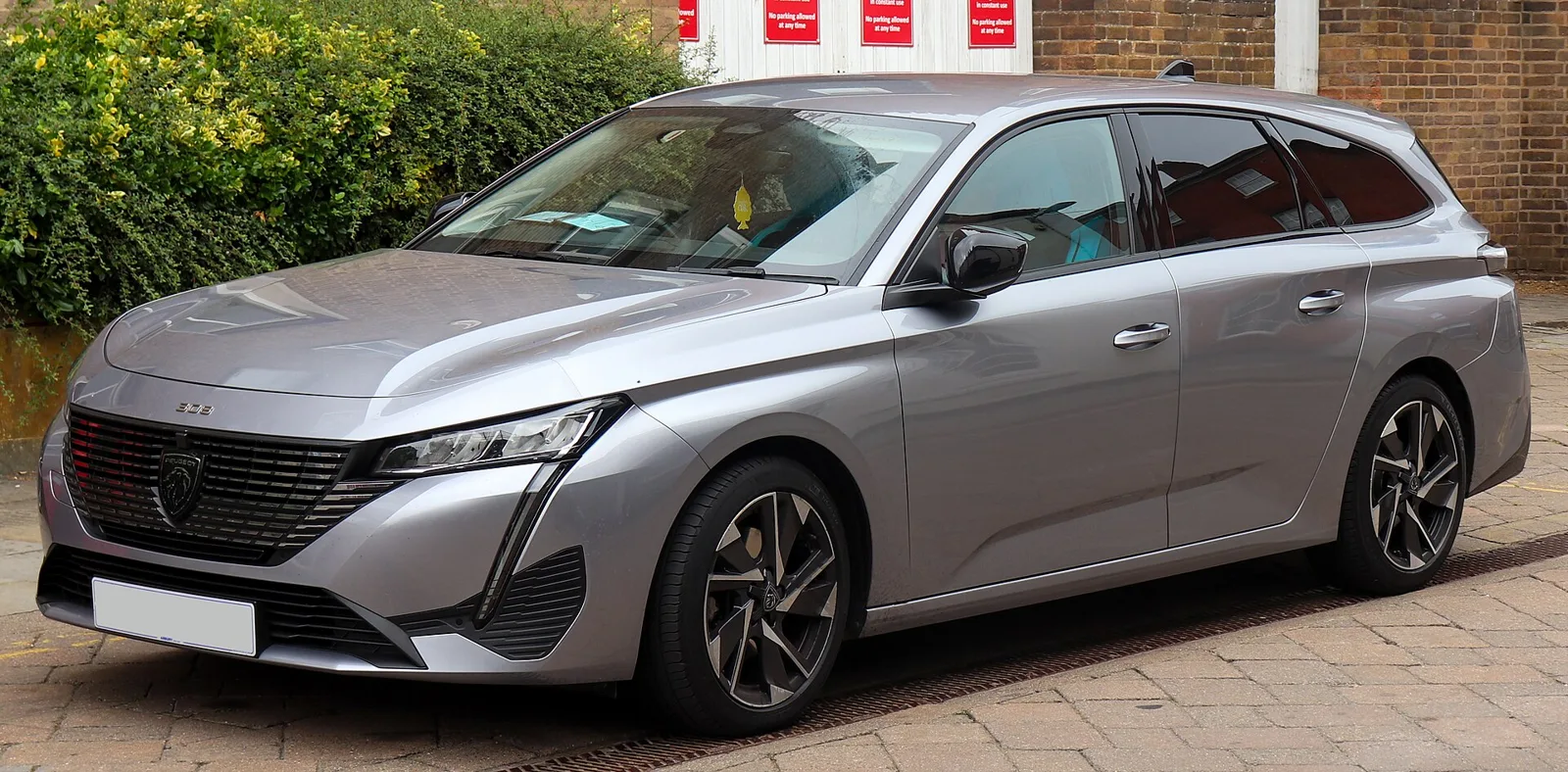
From the 2007 T7 car built on the 307 chassis to the 2021 P5 with plug-in hybrid power, a family hatch with European awards.
The Peugeot 308 is a family car that replaced the 307 in 2007. Three generations have been built, and the latest includes a plug-in hybrid and a battery electric model. Its awards include a major European title for the second generation.
The Peugeot 308 is a C-segment family car from the French maker, sold in hatchback, estate, cabriolet and saloon forms. It replaced the 307 in most markets and sits between the 208 and 508 in the range. Three generations have been built, from the 2007 car to the 2021 model with plug-in hybrid and battery electric options.
What did the first Peugeot 308 replace?
The 308 replaced the 307 in most international markets. It was launched in September 2007 as a five-door hatchback and sat between the 208 and 508 in Peugeot's line-up. The first generation was developed under the Project T7 code name.
The new car was based on the 307's chassis, but it had new bodywork and was slightly longer and wider than its predecessor. Engineers reused drivetrain and chassis parts from the older model, which kept development costs and timing under control.
Family variants followed. The 308 SW estate arrived in March 2008, the 308 CC cabriolet in February 2009 and the 408 saloon in February 2010. The saloon was a separate design in some markets, and it reached China with its own body and grille.
In China a saloon from Dongfeng appeared in September 2011, and it went on to sell 160,000 units in three years. That success showed how the 308 family could be adapted to suit the Chinese market.
A family hatch that went from a 307 derivative to a plug-in hybrid over three generations and two decades.
How economical was the 308 HDi?
During its production, a 308 HDi averaged 3.13 litres per 100 km (90 mpg-imp; 75 mpg-US) over 14,580 km (9,060 mi), a Guinness record for the most fuel-efficient mainstream car. Peugeot then ran into UK advertising rules by citing a figure of 126 mpg-imp.
The advertised figure of 126 mpg-imp, equal to 2.24 L/100 km (105 mpg-US), was the point on which the car fell foul of British advertising rules.
The first generation's drag coefficient of 0.29 was reduced to 0.28 after a facelift, which helped its efficiency at speed. The gain was modest but measurable.
The first generation earned a five-star rating from Euro NCAP, which gave the family hatch a strong safety credential from launch.
What changed with the second generation?
The second-generation 308, the T9, was unveiled on 13 May 2013 on the EMP2 platform. It shed 140 kg (310 lb) against its predecessor, and it won the 2014 European Car of the Year title ahead of the BMW i3 and Tesla Model S.
The changes included daytime running lights at the bottom of the front and indicators that doubled as daytime lights. The design aimed to show pedestrians and other road users which way the car was about to turn.
The GTi by Peugeot Sport offered 250 hp (186 kW) and a 270 hp (201 kW) version. The stronger car gained larger brakes and a limited-slip differential, which made it a clear step up for drivers who wanted more pace.
A 2017 facelift brought a new bonnet and bumper design, indicators that scroll and a grille with the famous Peugeot lion. A stronger 1.5HDi unit, rated at 130 bhp, became available from September 2017.
The 2020 update added the digital i-Cockpit, a system first used on the 3008. Production of the second generation ended in May 2021, after a long run in which the car was refreshed several times.
What is the third-generation 308?
The P5 third generation was unveiled on 18 March 2021 and launched in May 2021. It rode a longer EMP2 platform with a 55 mm (2.2 in) longer wheelbase, and it cut its height by 20 mm (0.8 in) for a drag coefficient of 0.28.
The third generation was also the first Peugeot to carry the new brand logo. It came with LED headlights and vertical LED daytime running lights, and Matrix LED technology was offered on the GT and GT Premium variants.
A plug-in hybrid producing 180 PS (178 hp; 132 kW) was offered, and the GT version could be specified with 225 PS (222 hp; 165 kW). A station wagon followed in June 2021, and the 408 crossover arrived in June 2022.
A battery electric e-308 arrived in September 2022 with a 54 kWh battery of 80 per cent nickel chemistry. It was the model's first full electric version, and it extended the 308 name into the electric era.
What body styles did the 308 offer?
The 308 came as a hatchback, estate, cabriolet and saloon. The hatchback was a five-door, with a three-door version limited to a few markets, while the SW estate offered five- or seven-seat layouts. Each body style kept the family's core dimensions, so buyers could choose by use rather than by size.
The CC's retractable hardtop folded into the boot in twenty seconds at speeds up to 12 km/h. With the roof up the boot held 465 dm3, and that fell to 266 dm3 with the roof down.
The RCZ coupe began as a 2007 concept and reached production in 2010 without the 308 name. It was a 2+2 coupe, closely related in design to the 308 family.
What are the Peugeot 308 specifications?
The table below covers the main figures for each generation and body style. The first-generation drag figure and the third-generation values are kept on separate lines, so the older and newer cars are not blended together. The rows separate the generations so that no single figure is taken out of context.
The specifications also reflect the many engines offered over the years. Diesel and petrol options differed by market, and the plug-in and electric variants arrived only in the most recent generation.
| Specification | Detail |
|---|---|
| Type | C-segment family car |
| Generations | Three: 2007, 2013, 2021 |
| Drag coefficient, first generation | 0.29, later 0.28 |
| Drag coefficient, third generation | 0.28 |
| Guinness economy | 3.13 litres per 100 km (90 mpg-imp; 75 mpg-US) |
| Second-generation GTi | 250 hp (186 kW) and 270 hp (201 kW) |
| Third-generation plug-in hybrid | 180 PS (178 hp; 132 kW) |
| Third-generation GT | 225 PS (222 hp; 165 kW) |
| e-308 battery | 54 kWh |
| CC boot, roof up and down | 465 dm3 roof up, 266 dm3 roof down |
| China saloon boot | 502 dm3 (17.7 cu ft) |
| Second-generation 1.5HDi | 130 bhp |
What was the 308 SW like?
The estate, badged 308 SW in most markets, was previewed by a station wagon concept at the 2007 Frankfurt Motor Show. The production car was shown at the Geneva show in March 2008 and went on sale that summer. It suited buyers who needed more luggage space than the hatchback offered.
The SW could be specified with five or seven seats, which made it a popular choice for families who needed more load space than the hatchback offered.
In Australia the same body was sold as the 308 Touring, and the estate returned in the third generation when a station wagon was released in June 2021.
How did the 308 move into electric power?
The third generation opened the 308 range to electrification. The plug-in hybrid version pairs a petrol engine with an electric motor, allowing short electric journeys before the engine takes over. That step followed the wider move toward electrified models across the Peugeot range.
The e-308 arrived in September 2022 as a battery electric version. Its 54 kWh battery uses a nickel-rich chemistry with 80% nickel, which the company described as part of its push into the electric era.
A 408 crossover built on the 308 platform followed in June 2022, extending the family into a different body style and showing how the platform could be adapted.
How was the 308 positioned against rivals?
The 308 sat in the C-segment, a crowded class of family hatchbacks and estates. It competed with models from other European and Asian manufacturers, and the second generation's awards helped it stand out. Buyers weighed its economy, space and awards when comparing it with other family cars.
Its place in Peugeot's range sat between the 208 and 508, giving buyers a clear choice between a smaller car for city use and a larger saloon or estate for longer trips.
What did the 308 offer inside?
The 308 interior evolved with each generation. After the 2017 facelift TomTom satellite navigation was standard on all models, and the 2020 update added the digital i-Cockpit. The third generation offers two infotainment systems, i-Connect and the more advanced i-Connect Advanced.
The panoramic roof was fitted to all models except the Active and GTi versions after the 2017 facelift, which gave the cabin an airy feel. The digital i-Cockpit was first introduced on the 3008 before arriving on the 308 in the 2020 revision.
Drive Assist on the third generation adds adaptive cruise control with stop and go, lane keeping, semi-automatic lane changes and curve speed adaptation. These driver aids made the car a more technical family hatchback.
Surround-view parking with four cameras, long-range blind-spot monitoring and a heated steering wheel were among the options offered on the third generation.
How did the 308 differ from the 307 it replaced?
The 308 was built on the 307's chassis, which kept development simpler, but it wore new bodywork with extra length and width over the older car. The new shape was designed to look fresher and to lower the drag coefficient to 0.29.
Peugeot placed the 308 between the 208 and the 508, so the new car took over the family-hatchback role that the 307 had filled. Its launch in September 2007 marked the start of a new numbering system for the brand.
The 307's role in several markets was taken over by the 308, but the older model continued in some South American markets for a time. That shows how a model can stay in production in one region while its replacement arrives elsewhere.
The 308 also carried on the 307's strengths in comfort and practicality, while adding more modern equipment and a more distinctive front end.
The 308 also used the EMP2 platform in its second generation, an architecture shared with the Citroen C4 Picasso. That sharing of architecture across brands was a sign of how the group used common engineering to build several models.
The platform link also helped Peugeot keep the 308 family visually consistent as new models were added around it, which made the range easier for buyers to recognise on the road.
Frequently asked questions
Where is the 308 built?
The first generation was built at Mulhouse and Sochaux in France. Production also began in Kaluga, Russia, in 2010 and in El Palomar, Argentina, in 2011, to serve local and South American markets.
Did the 308 win awards?
Yes. It won the Golden Steering Wheel in November 2007 and was voted Car of the Year by Auto Europa in Italy. The second generation was crowned European Car of the Year in 2014, and the 308 SW was named Company Vehicle of the Year in 2022.
Did the 308 have a wiper problem?
Right-hand drive markets noticed a design quirk in the first generation. The windscreen wiper mechanism had not been changed from the left-hand drive layout, so a large unwiped area remained at the top of the driver's side. The criticism was minor, and it was limited to those markets.
Is the 308 still built?
The third generation is still in production and includes plug-in hybrid and e-308 battery electric versions. A facelift unveiled on 26 August 2025 redesigned the front end, and higher trims gained an illuminated badge, a first for the brand.