A Lyon mid-size car that started in 1932 and grew into a family of Dauphines, probably bought more by tradesmen than by the class it was aimed at.
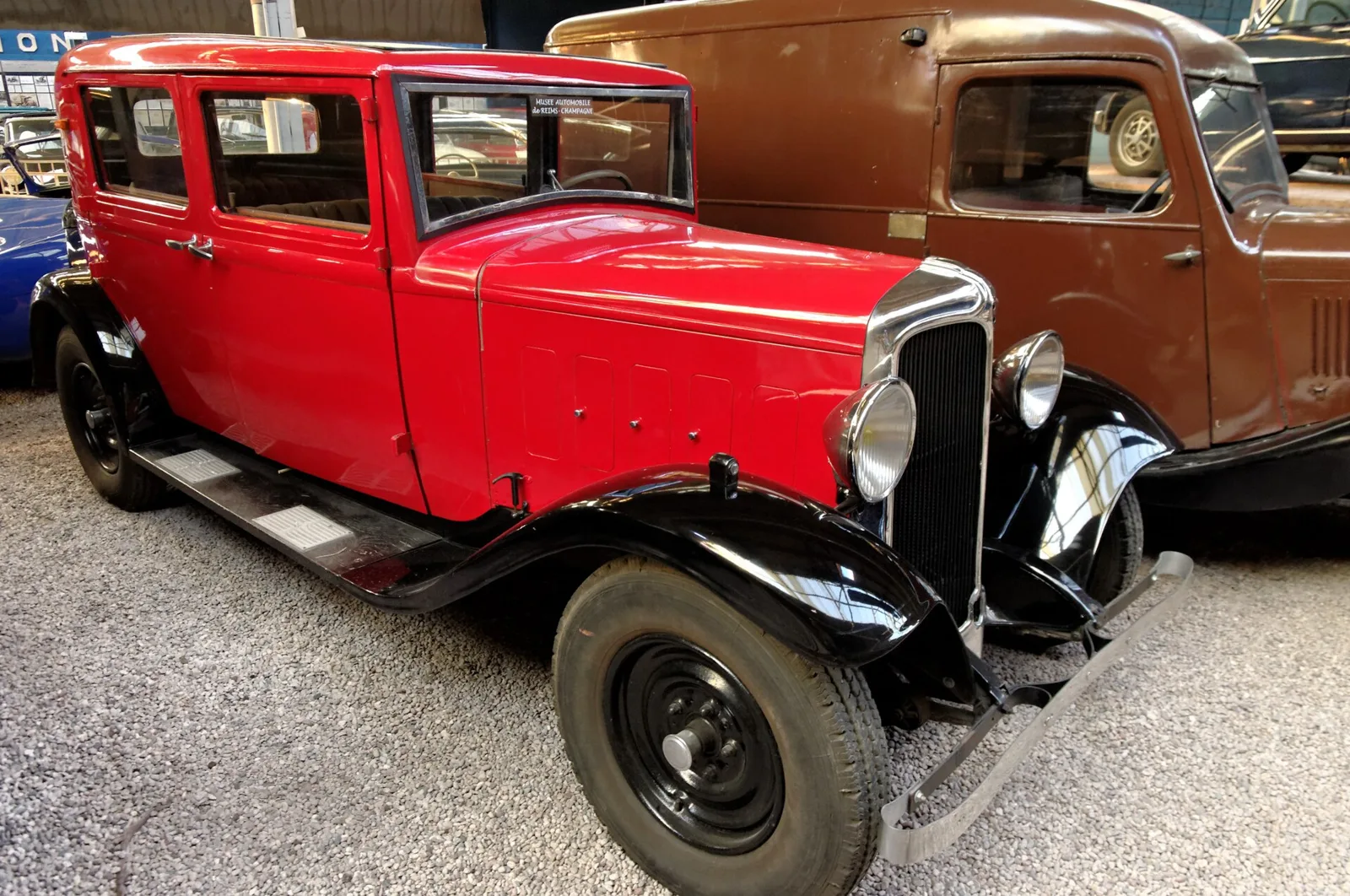
The Berliet 944, 1144 and Dauphine were mid-size four-cylinder passenger cars built by Berliet in Lyon from 1932 to 1939. The 944 went on sale in October 1932, and its buyers were probably more often tradesmen and craftsmen than the demanding motorists Berliet had in mind.
Berliet of Lyon built mid-size four-cylinder cars under the names 944, 1144 and Dauphine between 1932 and 1939. The 944 came first, in October 1932, and the Dauphine, with its larger two-litre engine, followed in 1934.
Where did the Berliet 944 come from?
Berliet had built mostly upper mid-size and upper-class cars before the First World War, but a run of poor decisions left its car business small through the 1920s. The company then chose to concentrate on one solid mid-size model, with better equipment and more social prestige for demanding buyers.
The poor reputation of the Berliet VB had hurt the marque in the upper mid-size segment, where Berliet built only a few hundred cars a year. In France that segment was shared mainly by Hotchkiss, Delage and Delahaye, while Renault and Peugeot were successful in cheap small cars.
The early 1930s were not yet ripe for a French people's car of the kind that would later become the Citroen 2CV or the Renault 4CV. Berliet therefore aimed higher, offering a car that cost a little more but was meant to give more in return, as the pre-1914 Berliet cars had done.
Solid engineering and upgraded equipment, aimed at the upper middle class but probably bought mostly by tradesmen.
What engine did the 944 use?
The 944 used a water-cooled four-cylinder side-valve engine, the MLD4, with a 68 mm bore and 111.7 mm stroke. It displaced 1,623 cc (99.0 cu in) and made 40 PS (39 hp), and the chassis weighed 700 kg (1,543 lb) unladen.
Berliet rated the car at 9 tax CV, and the engine was already known from the earlier Berliet VILS. Its 1932 wheelbase was 2.90 m (9.5 ft).
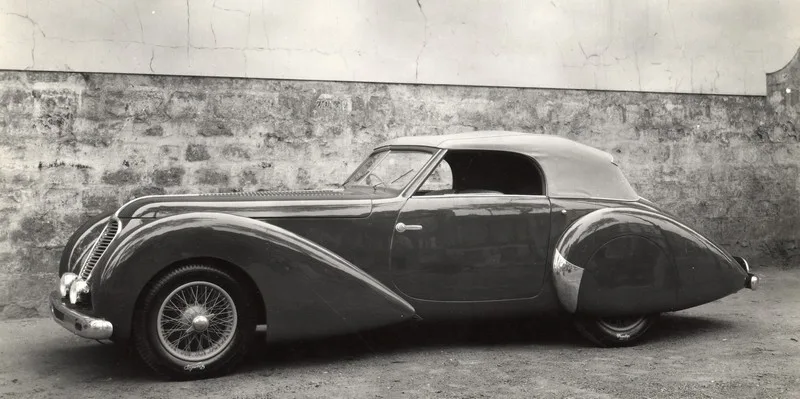
Cars of the 1932 model year can be recognised by an upright radiator shell with little ornament and by two rows of 13 horizontal vents on each side of the bonnet. The general operating permit was granted on 23 September 1932, just before that year's Paris Motor Show.
In 1934 the 944 switched to the MKH3 overhead-valve engine, with a 68 mm bore and 112 mm stroke. Its displacement rose to 1,627 cc (99.3 cu in), and it was still rated at 40 PS (39 hp) at 4,000 rpm. The top speed was given as 95 km/h (59 mph).
The 11CV Dauphine, new in 1934, had the MKM overhead-valve engine with an 80 mm bore and 99.6 mm stroke. Its 2,003 cc (122.3 cu in) produced 50 PS (49 hp) at 4,000 rpm, and it was quoted at 110 km/h (68 mph). Some sources wrongly give the stroke as 100 mm.
What did the Berliet 944 and Dauphine cost?
At its 1932 launch the five-seat saloon cost 24,950 francs, while the roadster and coupe were priced at 23,950 francs. By 1934 the bare 944 chassis was listed at 19,500 francs and the 11CV Dauphine saloon at 28,700 francs.
The 1934 Dauphine range ran up to a Grand Luxe cabriolet at 33,500 francs, and its roadster cost 32,900 francs. The 944 cabriolet had been priced at 30,500 francs.
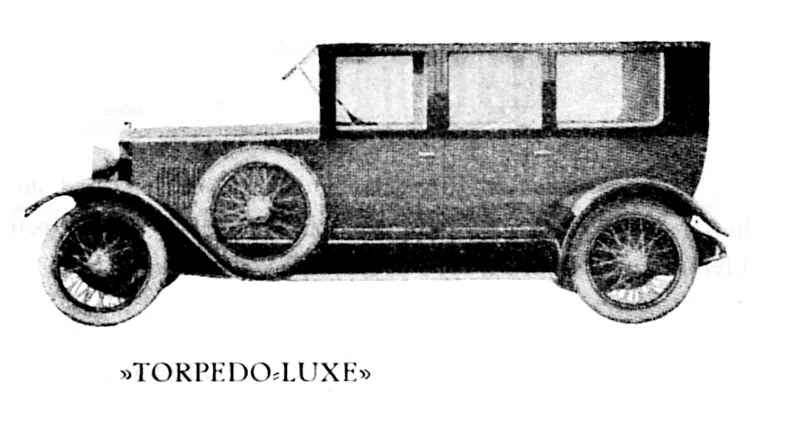
The 1934 944 was sold as a bare chassis at 19,500 francs, as a four-door five-seat saloon at 26,400 francs and as a two-door coach at 28,900 francs. The roadster matched the coach at 28,900 francs, and a six- or seven-seat familiale cost 29,500 francs.
A rigid front axle, as used in 1933, cut the price by 1,500 francs on the 944 and 1144.
In 1936 the Dauphine four-door luxe saloon cost 20,500 francs with the 9CV engine and 22,950 francs with the 11CV.
How did the Berliet mid-size range change in the 1930s?
The range changed almost every year. Radiators and bonnet vents were restyled in 1934, 1935, 1936 and 1937, the three-speed 943 saloon was dropped in 1934, and by 1936 the 944 and 1144 were sold only as familiale and commerciale bodies. The familiale cost 25,000 francs, and the commerciale, with a 750 kg (1,653 lb) payload, cost 24,500 francs.
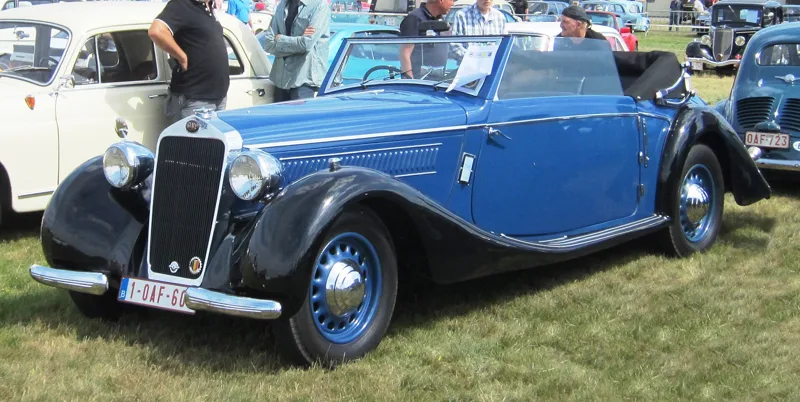
The 1935 models moved the steering wheel to the left, and a V-shaped chrome trim appeared on the radiator shell. The 11CV Dauphine stayed technically unchanged, with right-hand drive, and took only the new bonnet and grille styling. Worm-and-sector steering now also came on the small model. The 944 had its wheelbase shortened to 2.85 m (9.4 ft) that year, and in 1936 it went back to 2.98 m (9.8 ft) with a track of 1.36 m (4.5 ft).
In 1937 the models became the Nouvelle 9CV and 11CV, names chosen although little about them was new. The familiale 9CV cost 26,500 francs and the commerciale 9CV 24,900 francs, while the 11CV engine added 2,000 francs. Independent front suspension came as standard, the steering was on the left again, and the wheelbase grew to 3.11 m (10.2 ft). The 1936 cars had been right-hand drive, so the switch was a reversal.
How many Dauphines were built?
Berliet built 6,850 units of all Dauphine variants from 1934 to 1938, and 978 of them had the 9CV 1.6-litre engine. The 9CV was the smaller of the two Dauphine engines. No production figures exist for the 943, 944 and 1144.
Berliet's total car output in the 1930s is estimated at up to 3,000 a year, so the 944 and 1144 probably reached at least 1,000 a year in the first production years. That was far more than Berliet had built in the 1920s, but well short of what Peugeot, Renault or Citroen turned out.
Who actually bought the Berliet Dauphine?
Buyers were probably tradesmen and craftsmen rather than the upper-middle class the car was aimed at. They wanted a robust working car that could carry goods and tools, which suggests Berliet was seen mainly as a maker of commercial vehicles.
From 1936 the 944 and 1144 were offered only as commerciale and familiale, which points the same way. Towards the end the Super Dauphine was built at an average of about 30 cars a month, and at the Paris Motor Show it was shown with new wheels that had 10 cut-outs in the outer rim.
What came after the Super Dauphine?
Production of the Super Dauphine and the commerciale ended at the start of 1939. The Berliet Dauphine 39, known inside the works as VIRP-2, took over as the only new passenger car model in the range.
The last Super Dauphines seem to have been delivered with six chrome cooling ribs on each side instead of five. The commercial versions of the VIRF-9, VIRF-11 and VIRF-14 had been offered as delivery vans with a payload of 0.8 tonnes.
Even without the Second World War, and without the Pons Plan that assigned Berliet exclusive construction of heavy commercial vehicles, the company would probably have given up car building in the 1940s as unprofitable.
Berliet 944 and Dauphine specifications
| Specification | Detail |
|---|---|
| Maker | Berliet, Lyon |
| Launch | 944 from October 1932; 1144 and Dauphine from 1934 |
| Engine, 944 (1932) | MLD4 side-valve four, 68 x 111.7 mm, 1,623 cc (99.0 cu in) |
| Output, 944 (1932) | 40 PS (39 hp); 9 tax CV |
| Engine, 944 (1934) | MKH3 overhead-valve four, 68 x 112 mm, 1,627 cc (99.3 cu in) |
| Engine, 11CV Dauphine | MKM overhead-valve four, 80 x 99.6 mm, 2,003 cc (122.3 cu in) |
| Output, 11CV Dauphine | 50 PS (49 hp) at 4,000 rpm; 11 tax CV |
| Wheelbase, 1932 | 2.90 m (9.5 ft) |
| Wheelbase, 944 from 1934 | 2.98 m (9.8 ft) |
| Wheelbase, Dauphine from 1934 | 3.06 m (10.0 ft) |
| Track, 1934 | 1.35 m (4.4 ft) |
| Top speed, 944 (1934) | 95 km/h (59 mph) |
| Top speed, Dauphine (1934) | 110 km/h (68 mph) |
| Chassis weight, 1932 | 700 kg (1,543 lb) unladen |
| Production | 6,850 Dauphines, 1934 to 1938 |