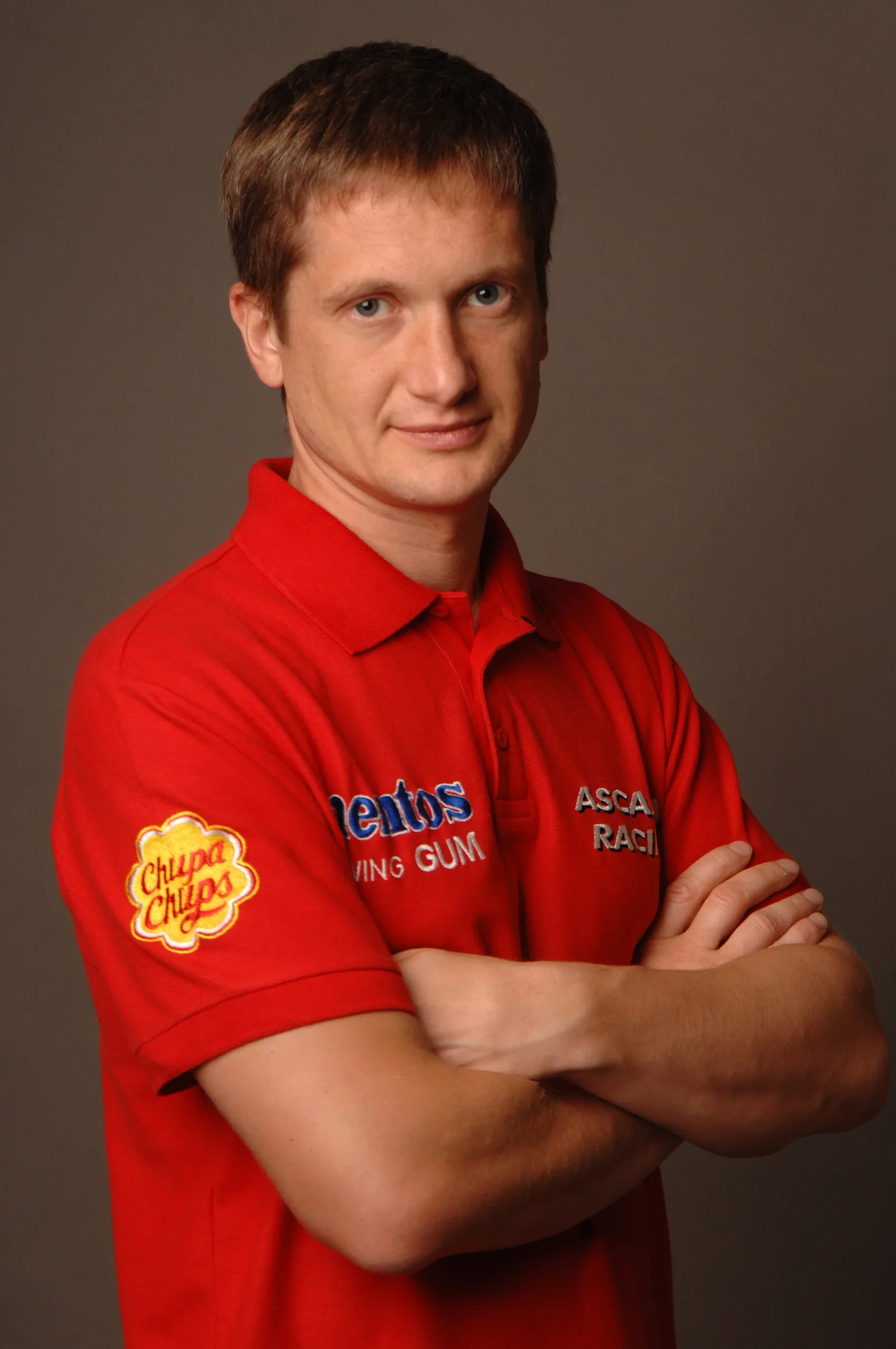
From the MacCoffee Rally Team to the Eurolamp World Rally Team: two Ukrainian titles, a run in the World Rally Championship and a long Baltic chapter.
Valeriy Ivanovych Gorban (born 1973) is a Ukrainian rally driver who competed in 193 national and international events between 2002 and 2020. He won the Ukrainian championship in 2005 and 2013, and his crews later reached the World Rally Championship in Mini cars.
Valeriy Ivanovych Gorban is a Ukrainian rally driver who built a long career in national rallying before stepping up to the World Rally Championship. He won the Ukrainian title in 2005 and again in 2013, and he also raced in endurance events at the Nurburgring. His team changed its name several times as sponsors came and went.
Who is Valeriy Gorban?
Valeriy Gorban was born on 6 February 1973 and started rallying in 2002, at the age of 29. Between 2002 and 2020 he entered 193 events at home and abroad. He began his career already heading a team, the MacCoffee Rally Team.
Gorban moved between Ukrainian events, the Baltic rallies and the World Rally Championship, and each move brought new cars and new co-drivers.
He also raced for many years at the Nurburgring, mostly in the German VLN endurance series. That circuit work ran in parallel with his rally programme for much of that period.
A Ukrainian rally driver whose team changed name with each sponsor, and whose crews reached the World Rally Championship.
Early years with the MacCoffee Rally Team
In 2002 Gorban joined the team's drivers, Alexander Salyuk Sr. and Alexander Salyuk Jr., at the final stage of the Ukrainian championship in Kherson. The following year he and his navigator, Evgeny Leonov, contested the full championship in a Lada 2112 Super 1600.
In 2003 the pair won five of the six races they entered and took the A9 class title. The team also won the MacCoffee team classification that season, which made the year a strong start for the outfit.
In the next season the team-mates Salyuk Jr. and Gorban became rivals, although they still drove the same cars. Salyuk took the A7 class title in 2004, and Gorban won the national title in 2005.
In 2006 both drivers moved up to all-wheel-drive Mitsubishi Lancer Evolutions. Gorban finished sixth in the championship, and he stood on the podium at Chumatsky Shlyakh and at the Golden Autumn event in the Carpathians. A result on the Trembit rally was cancelled because of a mismatch in his car's homologation card.
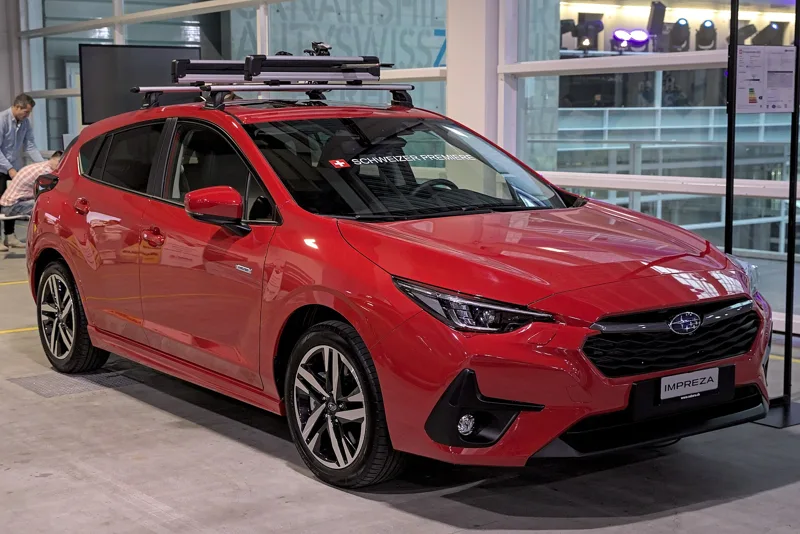
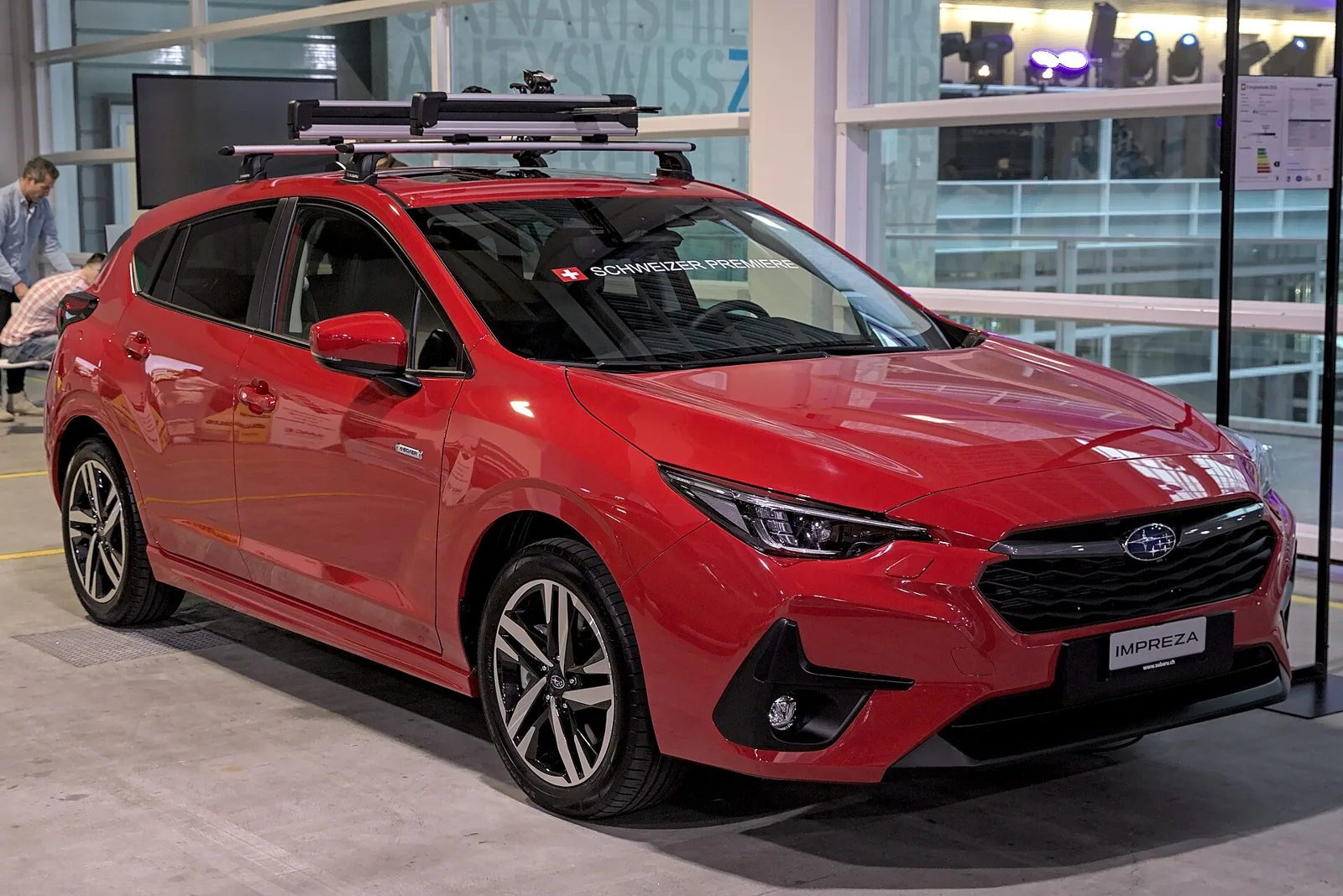
In 2007 Gorban tried a more experimental approach. He used a Subaru Impreza in more than half of his races, a car prepared by Andriy Alexandrov, an engineer from Kyiv. He still reached the podium on Chumatsky Shlyakh, Trembita and Galicia, and he finished among the five fastest drivers in the Ukrainian championship.
After Alexandrov died at the Sliven rally in Bulgaria, Gorban returned to the Mitsubishi Lancer.
The Prime and Ascania seasons
The 2008 season was the weakest of Gorban's career. The team carried the logo of the vodka brand Prime, but he finished only twice and never reached the podium. The team fell to third in the standings, and the sponsorship ended when the season did.
In 2009 the team took the name of its main company, Ascania. That year was not a breakthrough, but it brought a podium at the Bukovina rally, the first in two years for the driver.
How did Gorban win his Ukrainian titles?
Gorban won the national rally title in 2005 and again in 2013. His second title came after he moved up to the Mini Cooper RRC, and it was decided at the last round, the Trembit rally, where a single error by his rival settled the outcome in his favour.
At the start of the 2013 season both leading drivers moved up to higher-class cars: Gorban to the Mini Cooper RRC and Salyuk to the Ford Fiesta R5. Gorban won Chumatsky Shlyakh and Galicia, while Salyuk won the Alexandrov Rally and Yalta.
The championship came down to Trembit. Salyuk ran off the road at the first stage, and Gorban became champion for the second time in his career.
What did Gorban achieve in the World Rally Championship?
Gorban first started in the World Rally Championship in 2009, when he placed third among N4 entries at the Polish rally. A full programme followed in 2011, with three Mentos Ascania Racing crews. The 2012 season produced his first World Cup victory, in Greece.
In 2011 Gorban opened the season with fourth in Sweden and fifth in Portugal. He finished eighth in the Production WRC standings, the best result of the team's three crews that year.
The 2012 season was his most productive. He finished second in Argentina with Andrei Nikolaev, won in Greece, took third in Italy and placed fourth in New Zealand and Spain. Those results made the crew the first Ukrainian bronze medallists of the World Rally Championship.
WRC-2 years and the Eurolamp team
| Season | Car and team | Notable result |
|---|---|---|
| 2013 | Mini Cooper RRC, WRC 2 class | Adapting to the higher class |
| 2014 | Mini Cooper RRC, Eurolamp team | Tenth in the personal classification, third in the team event |
| 2015 | Mini Cooper RRC, Eurolamp team | Third in WRC-2 standings on the Swedish rally |
| 2016 | Mini John Cooper Works WRC | One point and 25th place overall |
| 2017 | WRC-Trophy with Sergei Larens | Four WRC-Trophy victories for the crew |
The 2014 rebrand introduced fresh colours and a different title backer. The Mini Cooper RRC received bright green paint set off by a red stripe, and the debut season under the new name earned 87 points.
In 2015 Gorban and Vladimir Korsi started the year with a podium in Sweden. The rest of the season was harder, with six starts and only three finishes. The crew ended the season 19th in WRC-2 with 20 points, while their five special stage wins were the bright spot.
The 2016 season brought new technical regulations and a move to the Mini John Cooper Works WRC. The car looked uncompetitive under the new rules, and its developer, Prodrive, had no clear plan for modifying it.
How did the Baltic championships go?
From 2017 Gorban raced mainly in Latvia and Estonia, with Sergei Larens as co-driver. In 2018 the pair competed in both national championships, and in 2019 they collected two silver awards in Estonia. The Baltic years were the longest sustained phase of his later career.
The Latvian and Estonian championships shared their early rounds in 2018. The pair led both after a strong start and then saw the series separate in May, when they confirmed their ambitions with a win at the Latvian Talsi rally.
In 2019 the crew were in contention at the Aluxne rally in January, but a broken wheel cost them the win, and they finished second. The Podillya stages in Ukraine gave them a chance to race at home, and the pair remained unmatched there.
What was his ring racing record?
Gorban raced on the Nurburgring in the German VLN series for many years, starting with a Honda Civic in 2004 that won two class races. He later drove a BMW M3 E46 and a Porsche 996 RSR, and in 2008 he finished fourth in the absolute VLN standings.
In 2008 he also took part in the ADAC Zurich endurance race and finished tenth overall. In 2006 he had won four races in the Ukrainian championship and finished runner-up in the A3 class.
What did Gorban do for Ukrainian motorsport?
Gorban joined the presidium of the Automobile Federation of Ukraine in 2005 and headed its rally committee from 2012, after focusing on rally discipline from 2008. Under his leadership Ukraine hosted European Rally Cup stages and climbed from 27th to 5th in the world countries ranking.
Innovations at his initiative included online publication of results, a specialised rally radio, GPS trackers fitted to competing cars and a ban on using the same special stage more than twice. In 2012 the FIA rally committee chairman, Jonathan Ashman, visited the country.
Gorban resigned from all federation posts in early 2014.
What is Gorban's legacy?
Gorban is remembered as a consistent Ukrainian rally driver who won national titles in 2005 and 2013, carried Ukrainian crews into the World Rally Championship and later helped run the federation's rally work. Few national drivers of his generation combined so many years of competition with that kind of administrative role.
His team's name changed with each sponsor, from MacCoffee and Ascania to Eurolamp, and that history shows how a rally programme in Ukraine depended on sponsors for international work. His record of 193 competitions across two decades stands as the measure of that commitment.