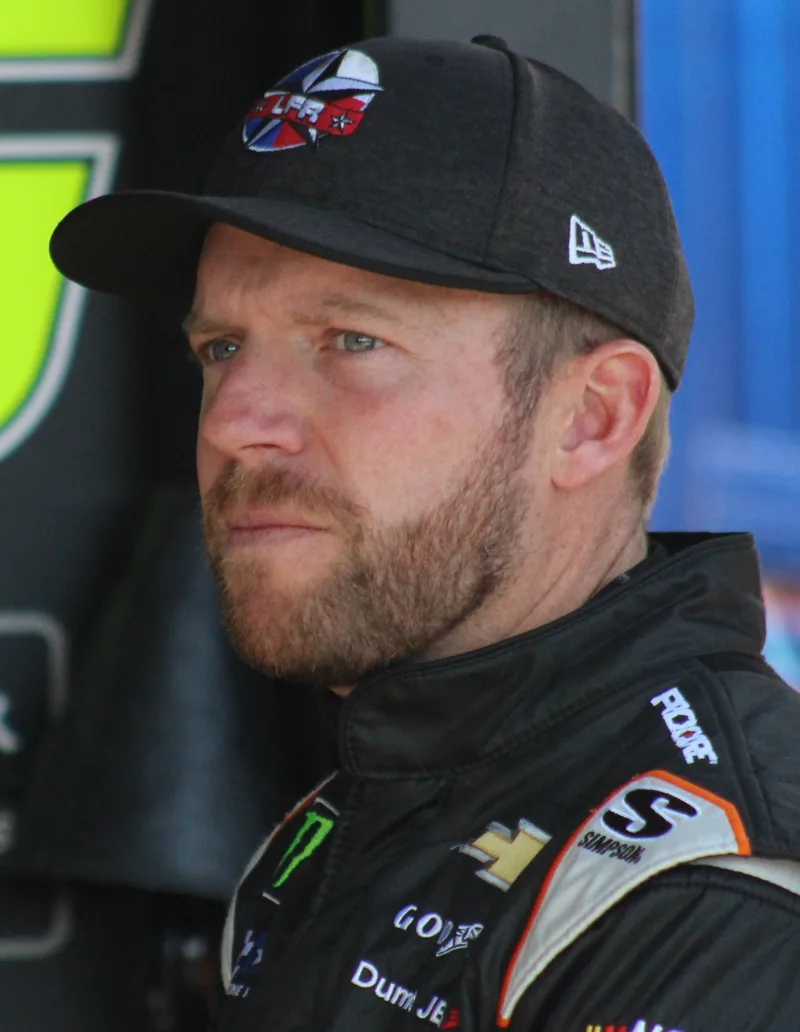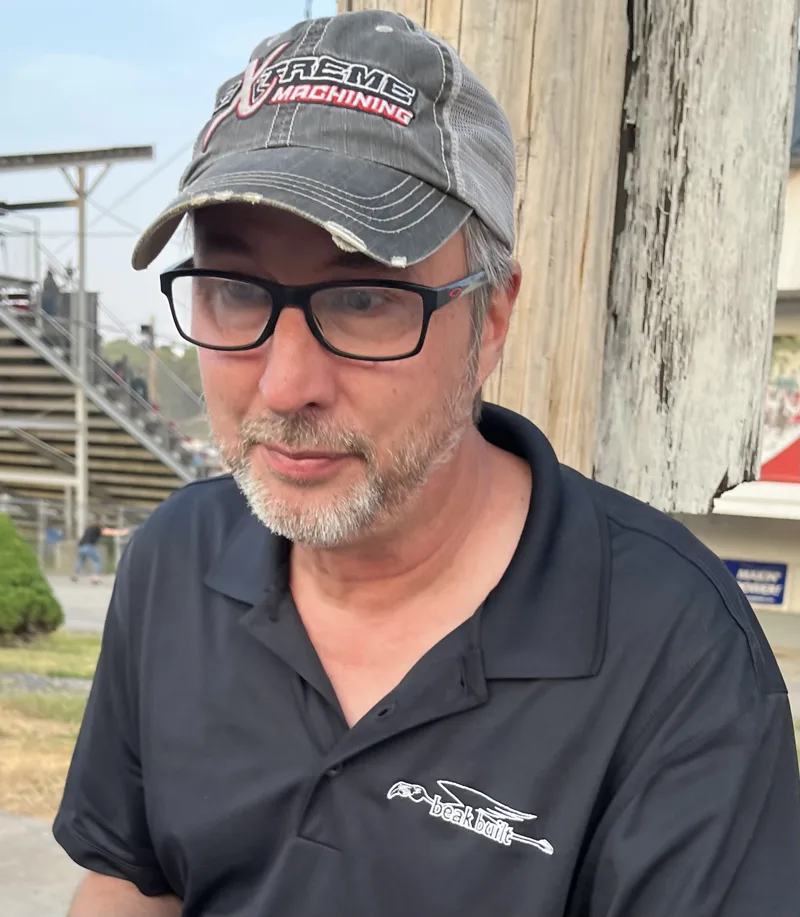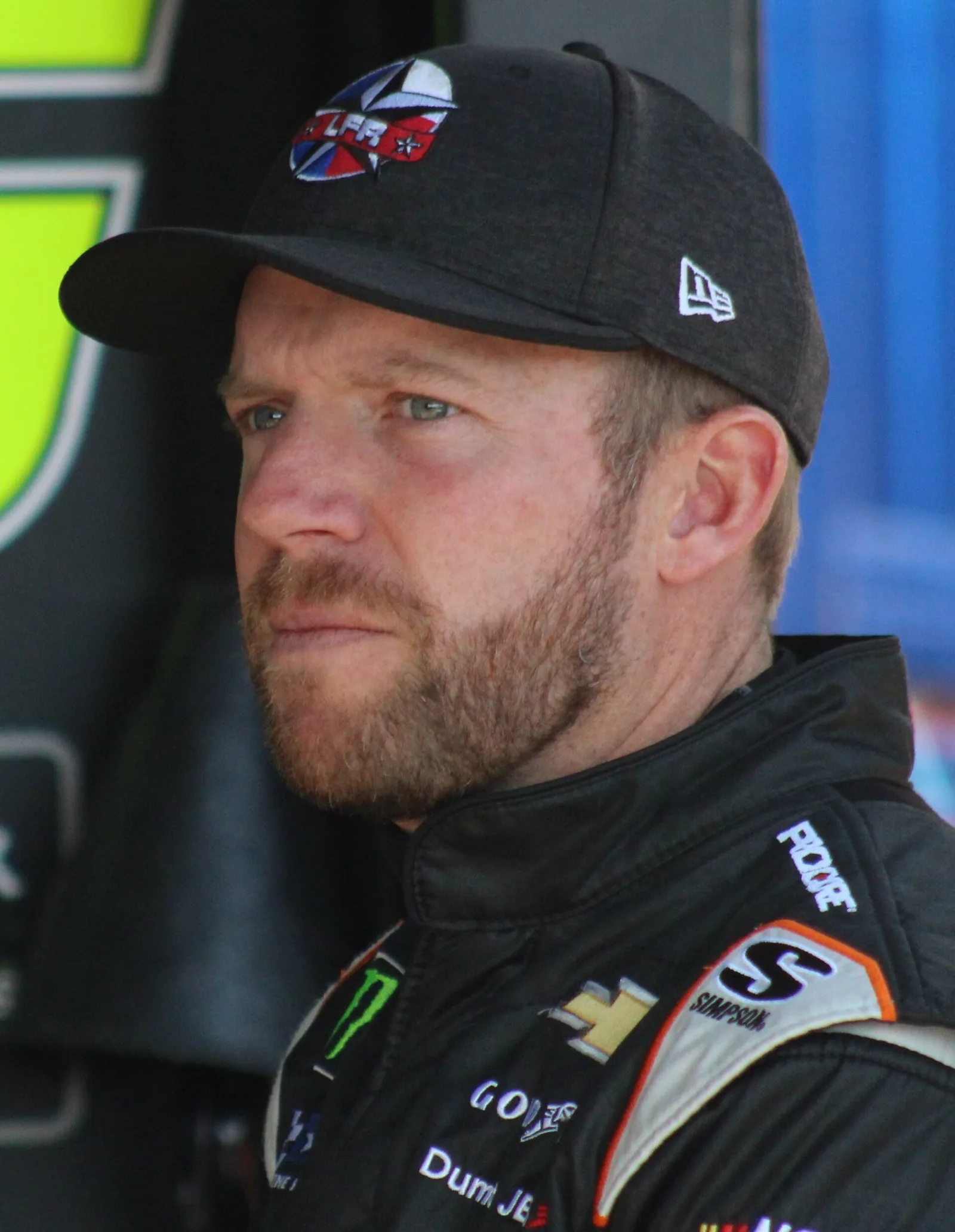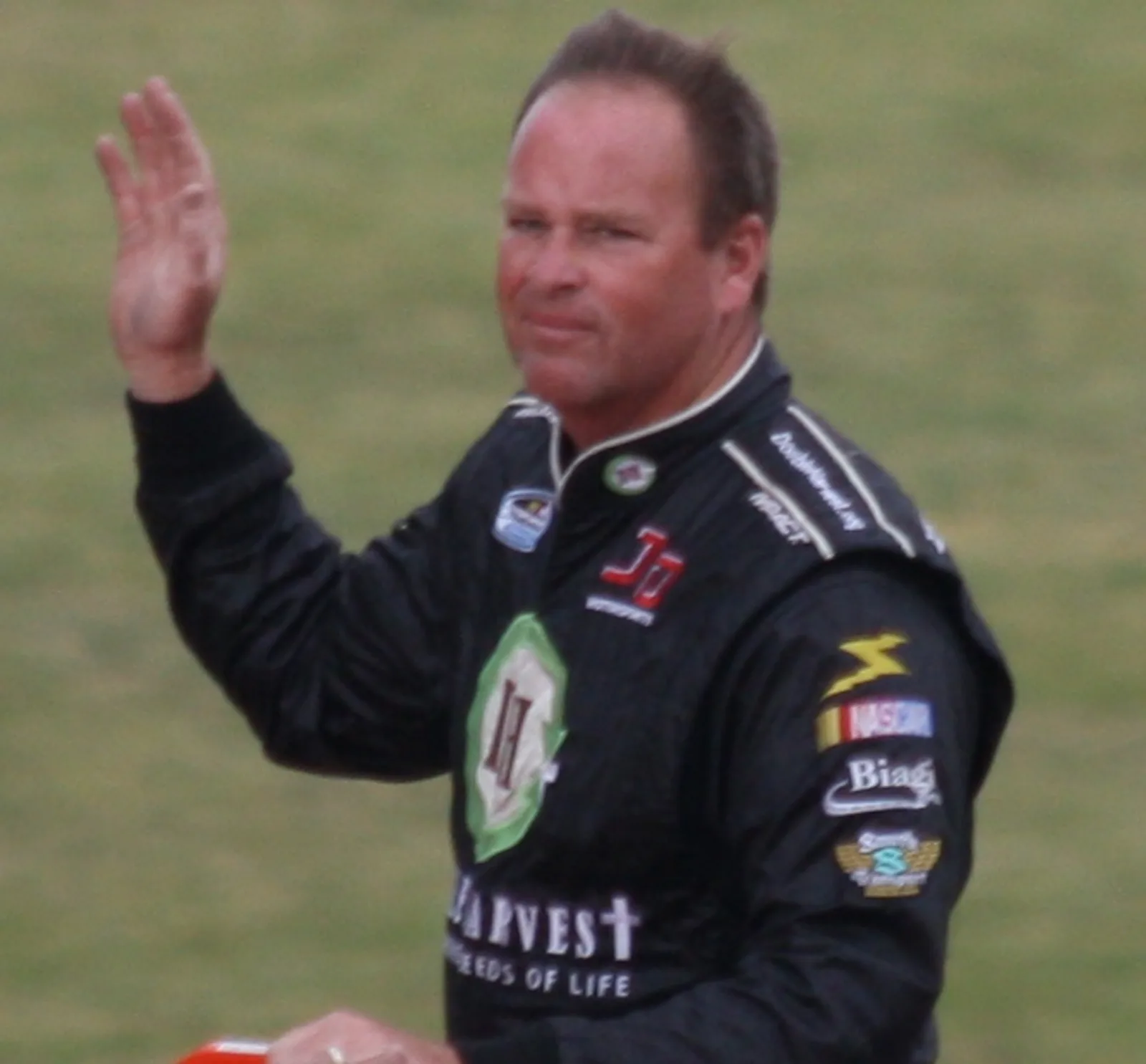
A 1996 ASA title, three 1998 wins in a NASCAR ride, years of part-time Cup racing, and a long run as a spotter.
A former stock car driver from the United States, Tony Raines won the 1996 American Speed Association title before reaching NASCAR. He took the 1999 Busch Series rookie award, raced in the Winston Cup for several teams, and spotted for Stewart-Haas Racing until 2024.
Tony Raines is a former American stock car driver who won the 1996 American Speed Association title before moving into NASCAR. He became the 1999 Busch Series Rookie of the Year and later raced in the Winston Cup Series for several teams. Since leaving full-time driving he has worked as a spotter, and he was the spotter for the No. 41 car at Stewart-Haas Racing until that team closed in 2024.
What did Raines do before NASCAR?
Raines was born in Glasgow, Montana, on 14 April 1964, and began racing after his family moved to Indiana. In 1988 he competed in five American Speed Association races, and his rookie year followed in 1989. In 1990 he stepped up to NASCAR's All Pro Series, collected the Rookie of the Year award and placed fourth in the season's final standings.
From 1991 he spent four years with a fresh team put together by Ernie Roselli, and in 1995 he teamed with experienced crew chief Howie Lettow at Baker Motorsports. That partnership brought the 1996 championship, and the title opened the door to his first major NASCAR ride.
From an ASA title to three NASCAR wins in one season, Raines built a career that ended in the spotter's chair.
How did Raines's first full NASCAR ride go in 1997?
Raines started 1997 with a full-time ride in the No. 19 Pennzoil Ford F-150 for car owner Kurt Roehrig, with Rookie of the Year honours in view. He failed to qualify for the opening race, but he recovered to take the seventh race of the season at I-70 Speedway. That year closed with fifteenth in points, two top-five finishes, seven top-tens and two outside-pole starts.
In 1998 he won three races, at I-70, Louisville and Texas, and added six more top-five finishes and fifteen top-tens. He ended the season fifth in the standings, which set up his next move as the sponsorship picture changed around him.
What happened when Raines moved to the Busch Series?
In 1999 Roehrig lost the Pennzoil sponsorship, which pushed Raines to look elsewhere. He signed with the No. 74 BACE Motorsports team in the Busch Series and raced 31 times that season, missing only the Coca-Cola 300, where Steve Grissom drove. Without a primary sponsor he still had a best finish of fourth and finished twelfth in points, which earned him Rookie of the Year honours.
That same year he made a single Truck Series start at the Milwaukee Mile for Gerry Gunderman, driving the No. 68 truck from 22nd on the grid to finish 19th. The following season he moved to BACE's No. 33 Bayer Chevrolet Monte Carlo full-time. He recorded a career-best second place at South Boston Speedway, but with no other top-tens he slipped to fifteenth in the final standings.
In 2001 Bayer and Alka-Seltzer shared the sponsorship duties, and he took his first career pole at Nazareth Speedway. He had a career-high thirteen top-ten finishes that year and was sixth in points. He followed with five top-fives in 2002, but dropped six places in the standings.
How did the Winston Cup years go from 2003 to 2008?
BACE moved up to the Winston Cup Series full-time in 2003, and Raines completed the whole season in contention for Rookie of the Year. Without major sponsorship he took sixth at North Carolina Speedway and finished 33rd in the championship, with third in the Rookie of the Year race. In the Busch Series that year he added a second-place finish and three consecutive eighth-place runs, which left him 39th in points despite an abbreviated schedule.
BACE closed its Cup team in 2004 because of the lack of sponsorship, and the company focused on its Busch operation. Raines ran fifteen Busch races for the team, finishing sixth in his first race at Bristol, and drove extra races for Phoenix Racing, Haas CNC Racing and Kevin Harvick Incorporated. He made one Truck start at Atlanta, finishing seventeenth, and ran one-race Cup deals before four races for Competitive Edge Motorsports. His best Cup finish that year was 28th.
In 2005 he made six Nextel Cup starts, beginning with a 35th at Richmond for Front Row Motorsports. In the second half of the year, the No. 37 Dodge Charger for R&J Racing carried him through six races. At Michigan he ended up in front late on, only to run dry with a handful of laps left, and the best finish for the pairing was 22nd at Talladega Speedway. He also drove part-time for Kevin Harvick Incorporated in the Busch Series and had nine top-tens in 23 starts.
From 2006 he shared the No. 96 car at Hall of Fame Racing with Terry Labonte. His strongest outing that year came in the Bank of America 500 at Lowe's Motor Speedway, where he led 28 laps and crossed the line seventh. Across 29 starts he managed one top-ten and finished 35th in points. Ron Fellows replaced him on the road courses in 2007, a year that also brought a ninth at Talladega and a part-time Busch schedule with three top-tens in nine starts.
The 2008 season began with missed races and sporadic rides. He qualified for the Dover race in a Front Row car, then drove the No. 70 Haas CNC Racing Chevrolet from Pocono, where he finished eighteenth. Two races later he took seventeenth at Bristol. He qualified thirteenth at Dover for the Camping World 400, the best of any team outside the top 35 in points, and finished 28th. At Talladega in the fall he was caught in a major wreck and finished 34th.
What was Raines's role at Front Row Motorsports?
Raines returned to the Nationwide Series for a full-time schedule in 2009, replacing Eric McClure in the No. 34 Long John Silver's Chevrolet for Front Row Motorsports. He took fourth at the Aaron's 312 at Talladega, the team's first top-five finish in any series, and he stayed in the top fifteen in points for much of the year.
The team gained more backing as the season went on, and Raines took sixth in the rain at the road race at Montreal. At Lowe's Motor Speedway the No. 34 car finished tenth after starting near the back. He ended the season twelfth in drivers points and 20th in owners points. He also stood in for John Andretti for three weeks while Andretti raced the Indianapolis 500, and he took 25th at Darlington, the team's best finish up to then without help from Earnhardt Ganassi Racing.
The No. 37 car ran mostly as a start-and-park entry that year, helping the No. 34 team stay inside the top 35 in owner points and raising money for an underfunded organisation. Raines also tried to qualify the No. 37 for the 2009 Daytona 500, without success, and he made Sprint Cup starts for other teams.
In 2010 the No. 34 team was absorbed by Tri-Star Motorsports, owned by Mark Smith of Pro Motors, after Front Row became a Ford-supported Sprint Cup team. Raines started the season with a 14th at Daytona after leading three laps. Planet Hollywood Resort and Casino joined the car as a sponsor around Las Vegas, and he finished seventh at Talladega. He ended the Nationwide season seventeenth in the drivers standings.
That season also brought a few Cup outings. He ran a Sprint Cup race for Larry Gunselman at Richmond, and a Sprint Showdown entry for Tommy Baldwin Racing. At Michigan he replaced the released Kevin Conway at Front Row and finished 31st, and his best Cup finish of 2010 was 28th at Bristol.
How did Raines move into spotting?
After 2010 Raines had little full-time racing work. In 2011 he spotted for Robert Richardson Jr. in the Daytona 500 and then made his first start at Phoenix, where he finished 25th in an unsponsored No. 37 Ford fielded with Front Row. He later took part-time runs at Hillman-Circle Sport, including a 34th at Texas in the team's debut No. 33 car and a 38th at Talladega.
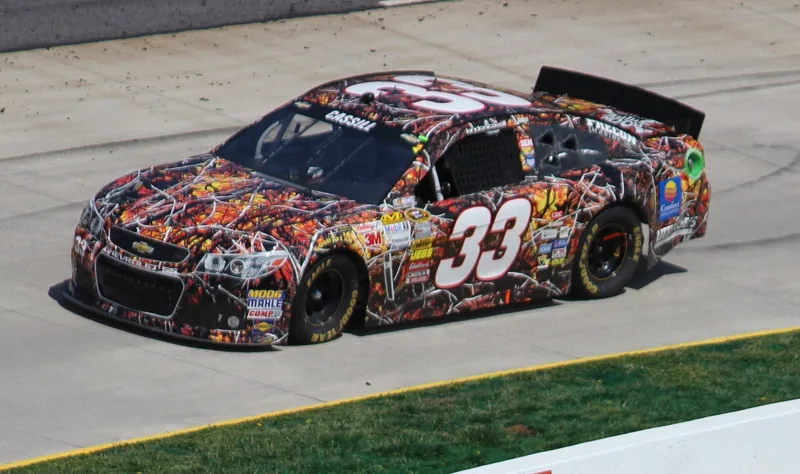
In 2013 he was a teammate to Landon Cassill at Hillman-Circle Sport, mostly starting and parking his appearances to fund Cassill's full races, although he completed the race at Kansas in October with a 29th-place finish. He also drove the No. 70 car in the Nationwide Series that year and made no national series appearances in 2014.
Spotting became his main job after that. In 2015 he spotted for Sam Hornish Jr. in the No. 9 Richard Petty Motorsports car, and he returned to Front Row as a spotter mid-year, a role he kept alongside his next team. In 2017 he began spotting for Kurt Busch at Stewart-Haas Racing, and he was on the radio when Busch won the 2017 Daytona 500.
What does Raines's career look like in summary?
| Year | Series or role | Result |
|---|---|---|
| 1990 | NASCAR All Pro Series | Rookie of the Year, fourth in the standings |
| 1996 | American Speed Association | National Tour championship |
| 1997 | NASCAR, No. 19 Pennzoil Ford F-150 | Fifteenth in points, seven top-tens |
| 1998 | NASCAR, No. 19 Pennzoil Ford F-150 | Three wins, fifth in the standings |
| 1999 | Busch Series, No. 74 BACE Motorsports | Rookie of the Year, twelfth in points |
| 2001 | Busch Series, No. 33 Bayer Chevrolet | First career pole, sixth in points |
| 2003 | Winston Cup, BACE Motorsports | 33rd in points, third in the Rookie of the Year race |
| 2006 | Winston Cup, Hall of Fame Racing No. 96 | Seventh at Lowe's Motor Speedway |
| 2009 | Nationwide, No. 34 Front Row Motorsports | Fourth at Talladega, twelfth in points |
| 2017 | Spotter for Kurt Busch | Spotted the 2017 Daytona 500 win |
Why does the Stewart-Haas period matter?
Raines was the spotter for the No. 41 Stewart-Haas Racing Ford Mustang Dark Horse driven by Ryan Preece until the team closed in 2024. A spotter guides the driver through traffic by radio, so the role depends on steady, close communication with the car.
His long run in that role shows how a driver's career can change shape. After years of full-time and part-time driving, he stayed inside the sport as a radio voice for other drivers.