From Cleveland Play House to Daytona class wins, the Color of Money Oscar and a food company that gives every after-tax dollar to charity.
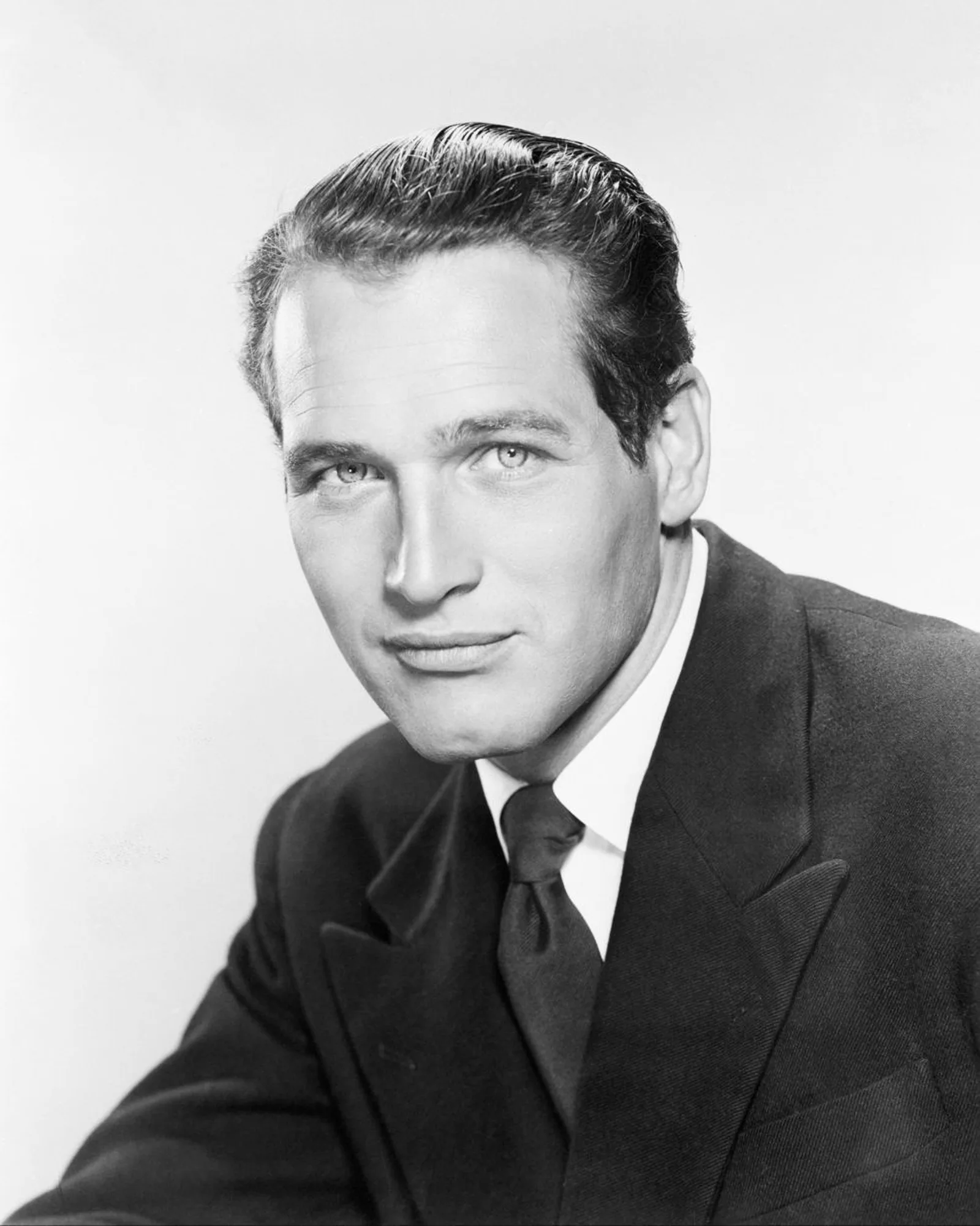
Paul Newman was an American actor and racing driver whose Color of Money role in 1986 brought him an Academy Award. He won national sports car championships, co-founded Newman's Own in 1982 and died in Westport, Connecticut, in 2008, aged 83.
Paul Newman was an American actor who also raced cars, directed films and built a food business that gives its profits to children's charities. He won the Academy Award for Best Actor for The Color of Money (1986) and received an honorary Academy Award, and across his career he was nominated for Oscars in five different decades. He died in Westport, Connecticut, in 2008, aged 83.
Few screen stars combined performing, directing, motorsport and philanthropy as fully as Newman did. Each strand of his career fed the others, and his charitable work outlasted his acting.
Who was Paul Newman and how did he start acting?
Newman was born on 26 January 1925 in Cleveland Heights, Ohio, and grew up in nearby Shaker Heights. He showed an early interest in theatre, playing the court jester in a school production at the age of seven. At ten he performed at the Cleveland Play House in Saint George and the Dragon.
Newman trained as a radioman and turret gunner in torpedo squadrons during World War II. His crew was grounded before one flight, and days later a kamikaze attack on the carrier Bunker Hill killed several hundred crewmen and airmen. Years later, screenwriter Stewart Stern recalled that Newman drew on memories from his Navy years as an emotional trigger while acting in The Rack (1956).
After serving in the US Navy in the Pacific during World War II, he earned a Bachelor of Arts in drama and economics from Kenyon College in 1949. He spent a year at the Yale School of Drama and then moved to New York to study at the Actors Studio under Lee Strasberg.
An Oscar, a Daytona class win at 70 and a food company that gives every after-tax dollar to children's charities.
What were Newman's first Broadway and screen roles?
His Broadway debut came in William Inge's Picnic in 1953, alongside Kim Stanley. On the same production he met Joanne Woodward, an understudy, who would become his wife and frequent co-star. His first credited television role had come the previous year in an episode of Tales of Tomorrow.
In 1954 Newman took a screen test with James Dean for East of Eden, but Dean won the part of Cal and Newman lost out to Richard Davalos. When Dean died, Newman stepped into Dean's planned role as Rocky Graziano in Somebody Up There Likes Me (1956). His first Hollywood film, The Silver Chalice (1954), had been a box-office failure, which he later said he disliked.
How did Newman become a Hollywood star?
Newman starred in Cat on a Hot Tin Roof in 1958 opposite Elizabeth Taylor. The film was a box-office smash and earned him his first Academy Award nomination. The same year he won Best Actor at the Cannes Film Festival for The Long, Hot Summer, which he made with Woodward.
The Hustler (1961) brought another major success. Playing the pool hustler Fast Eddie Felson, he received an Oscar nomination and the British Academy award for Best Actor. The couple would go on to make 16 films together.
Which films earned Newman his Oscar nominations?
His Best Actor nominations ran from Cat on a Hot Tin Roof in 1958 to Nobody's Fool in 1994, with a further nomination in the supporting category for Road to Perdition in 2002. Across that span he stayed at the top of the business, working with some of the period's leading directors.
Cool Hand Luke earned him another Best Actor nomination in 1967. In 2005 the Library of Congress selected the film for preservation in the National Film Registry for its cultural, historical or aesthetic significance.
| Year | Film | Notable result |
|---|---|---|
| 1958 | Cat on a Hot Tin Roof | First Oscar nomination; box-office smash |
| 1961 | The Hustler | Oscar nomination and British Academy Best Actor award |
| 1967 | Cool Hand Luke | Best Actor nomination; National Film Registry in 2005 |
| 1969 | Butch Cassidy and the Sundance Kid | Over $15 million at the box office |
| 1973 | The Sting | Over $68,000,000 in North America; Best Picture |
| 1974 | The Towering Inferno | North American gross of $55,000,000 |
| 1986 | The Color of Money | Academy Award for Best Actor |
| 1994 | Nobody's Fool | Best Actor nomination and Silver Bear in Berlin |
| 2002 | Road to Perdition | Best Supporting Actor nomination |
| 2005 | Empire Falls | Golden Globe and Primetime Emmy |
How did Newman work behind the camera?
Newman moved into directing in 1968, when he took charge of Rachel, Rachel, a film starring Woodward. The picture was nominated for four Academy Awards, including Best Picture, and won two Golden Globes, one of them for Best Director.
In 1971 he directed and starred in Sometimes a Great Notion, after the original director left the production with a throat operation and artistic differences. He also hosted the documentary Once Upon a Wheel that year, a film that drew him toward the subject he would later pursue on the track.
He was also a successful producer. With Barbra Streisand and Sidney Poitier he formed First Artists in 1969, so that actors could develop projects for themselves.
Why was The Sting such a major success?
In 1973 Newman reunited with director George Roy Hill and Robert Redford for The Sting. The film earned more than $68,000,000 in North America and won the Academy Award for Best Picture. Newman received top billing, a fee of $500,000 and a share of the profits.
His earlier Butch Cassidy and the Sundance Kid (1969), in which he played Butch, had also been a major hit, grossing over $15 million. He spent the 1970s making several big films, including The Towering Inferno (1974), for which he was paid $1,000,000 plus a percentage of the gross.
What did Newman do in his later acting career?
Newman's career continued with The Verdict (1982), which earned him another Best Actor nomination, and with the Martin Scorsese film The Color of Money in 1986. The latter reprised his role as Fast Eddie Felson, twenty-five years after The Hustler, and finally won him the Academy Award for Best Actor.
He later played in Nobody's Fool (1994), which earned him a further nomination and the Silver Bear in Berlin. In 2003 he appeared in a Broadway revival of Our Town and was nominated for a Tony Award. His last live-action appearance was in the HBO mini-series Empire Falls (2005), for which he won a Golden Globe and a Primetime Emmy.
In 1980 he directed the television version of The Shadow Box, a Pulitzer Prize-winning play, and he continued to work in both film and television.
He voiced Doc Hudson in Cars (2006), his only animated role, and retired from acting in May 2007. He came out of retirement to narrate the 2008 documentary The Meerkats, which turned out to be his last film role.
How serious was Newman as a racing driver?
Newman's interest in motorsport was sparked while training at the Watkins Glen Racing School for the film Winning (1969). His first professional event came in 1972 at Thompson International Speedway, where he entered quietly under the name P. L. Newman.
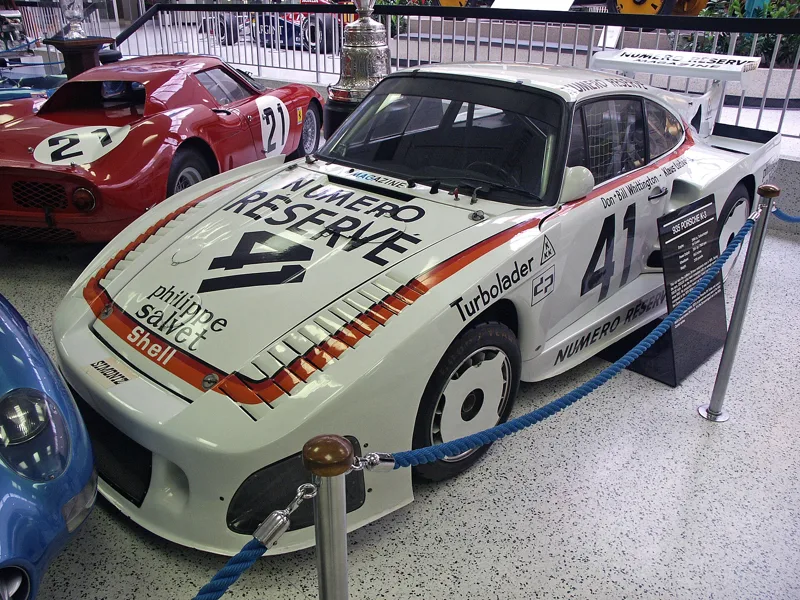
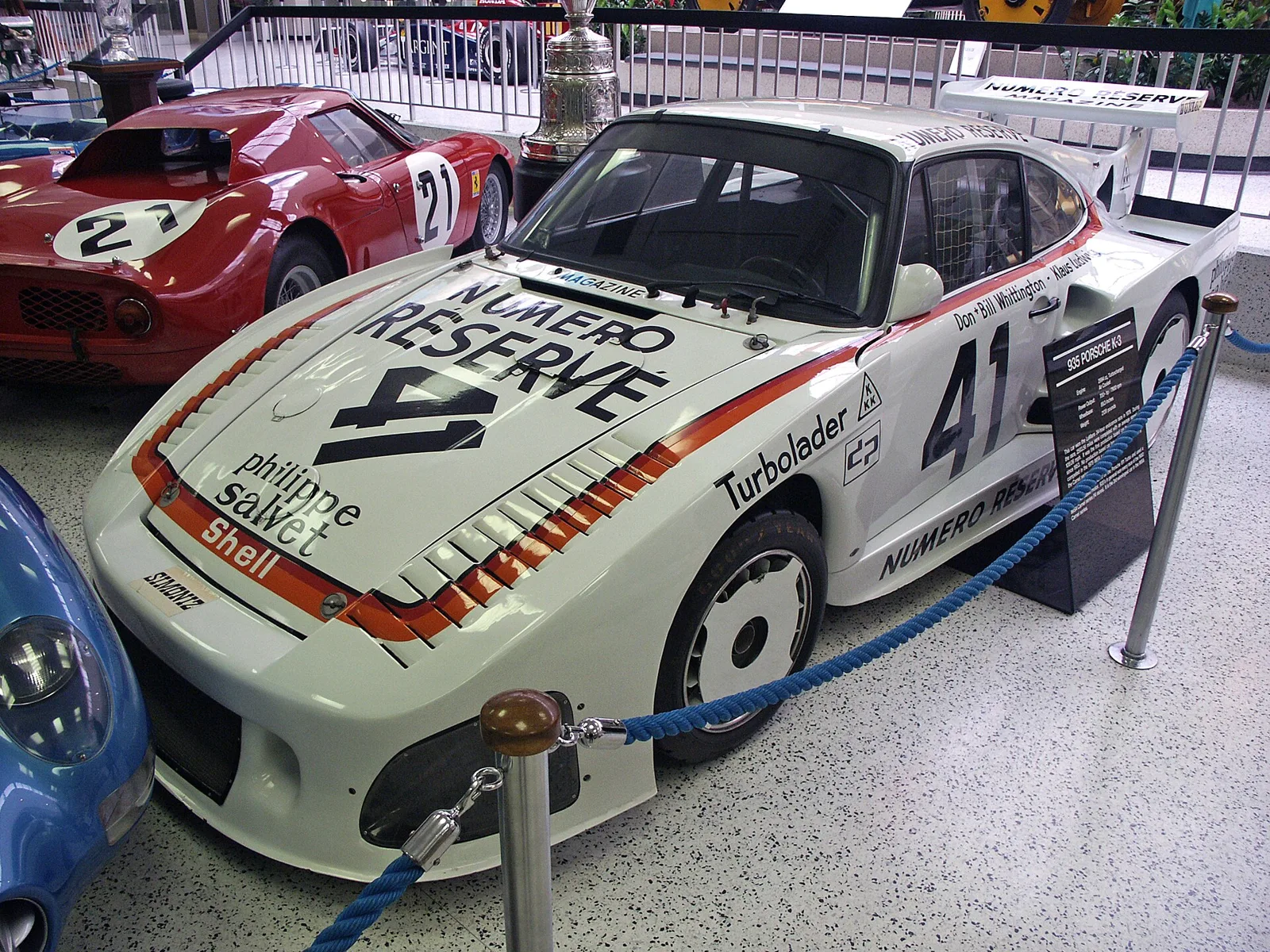
He competed in Sports Car Club of America events for much of the decade and won four national championships. In 1979 he finished second at the 24 Hours of Le Mans in Dick Barbour's Porsche 935.
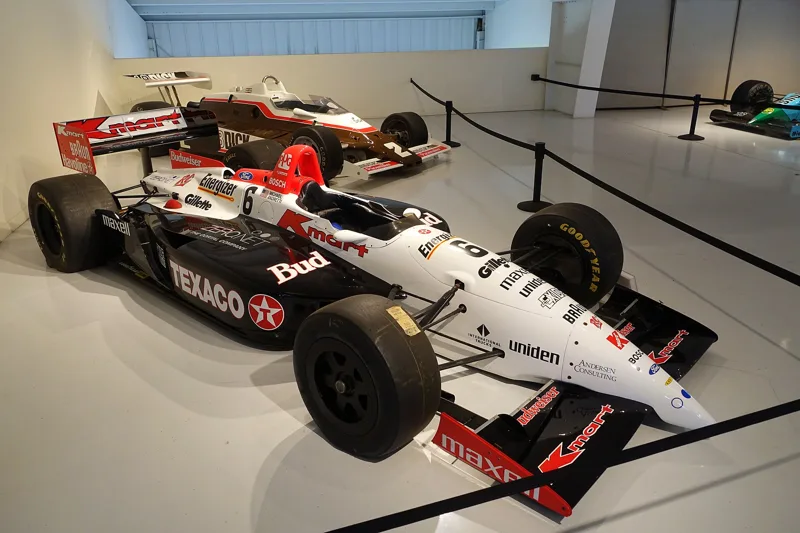
He also built a team. Newman Freeman Racing won the 1979 Can-Am Team Championship, and in 1983 he co-founded Newman/Haas Racing with Carl Haas, a Champ Car team that went on to win eight drivers' championships under his ownership.
What were Newman's last great races?
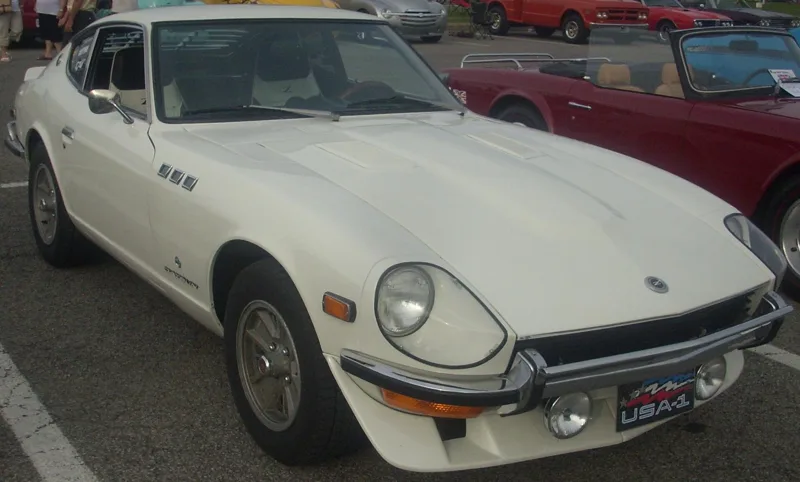
Newman drove in the Trans-Am Series with the Bob Sharp team for much of the 1970s and into the early 1990s, mainly in Datsuns. At the age of 70 years and eight days, he became the oldest driver to be part of a winning team in a major sanctioned race when he won his class at the 1995 24 Hours of Daytona.
He competed into his 80s and took a pole position in his last professional race, in 2007 at Watkins Glen International. In 2008 he still reportedly ran close to his best times at Lime Rock. The Rolex Daytona wristwatch he owned was later sold at auction for $17.5 million, one of the most expensive wristwatches ever sold at auction.
What is Newman's Own, and why does it matter?
The arrangement has been described as a new model for business and philanthropy. With the writer A. E. Hotchner, Newman founded Newman's Own in 1982, starting with salad dressing and later adding pasta sauce, lemonade, popcorn and other products. The company's policy is that all profits, after tax, go to charity. Donations from the business have totalled over US$600 million.
Newman also founded charities of his own. He co-founded the Hole in the Wall Gang Camp for seriously ill children in 1988, and in the same year he established the SeriousFun Children's Network. In 2006 he co-founded the Safe Water Network to improve access to clean water in underserved communities.
In 2007 he donated $10 million to Kenyon College for a scholarship fund, and in 2008 he was named the Most Generous Celebrity by Givingback.org, with a giving total of $20,857,000 for that year.
How did Newman's career end?
Newman stepped down from directing a 2008 production of John Steinbeck's Of Mice and Men on 23 May 2008, citing health concerns. Reports in June 2008 said he had lung cancer and was being treated at Memorial Sloan Kettering in New York.
He died at his home in Westport, Connecticut, on 26 September 2008, at the age of 83, after a private funeral service. His later years had moved between screen work, racing and charity, the three strands that defined his public life.
What honours did Newman receive after his death?
He was posthumously inducted into the SCCA Hall of Fame in 2009, and the US Postal Service issued a forever stamp in his honour in 2015. He was also inducted into the Motorsports Hall of Fame of America in 2024.
During his lifetime he had received a Kennedy Center Honor, shared with Woodward in 1992, and a Jean Hersholt Humanitarian Award in 1994 for his charity work. These awards recognised a career that carried equal weight on screen and off.