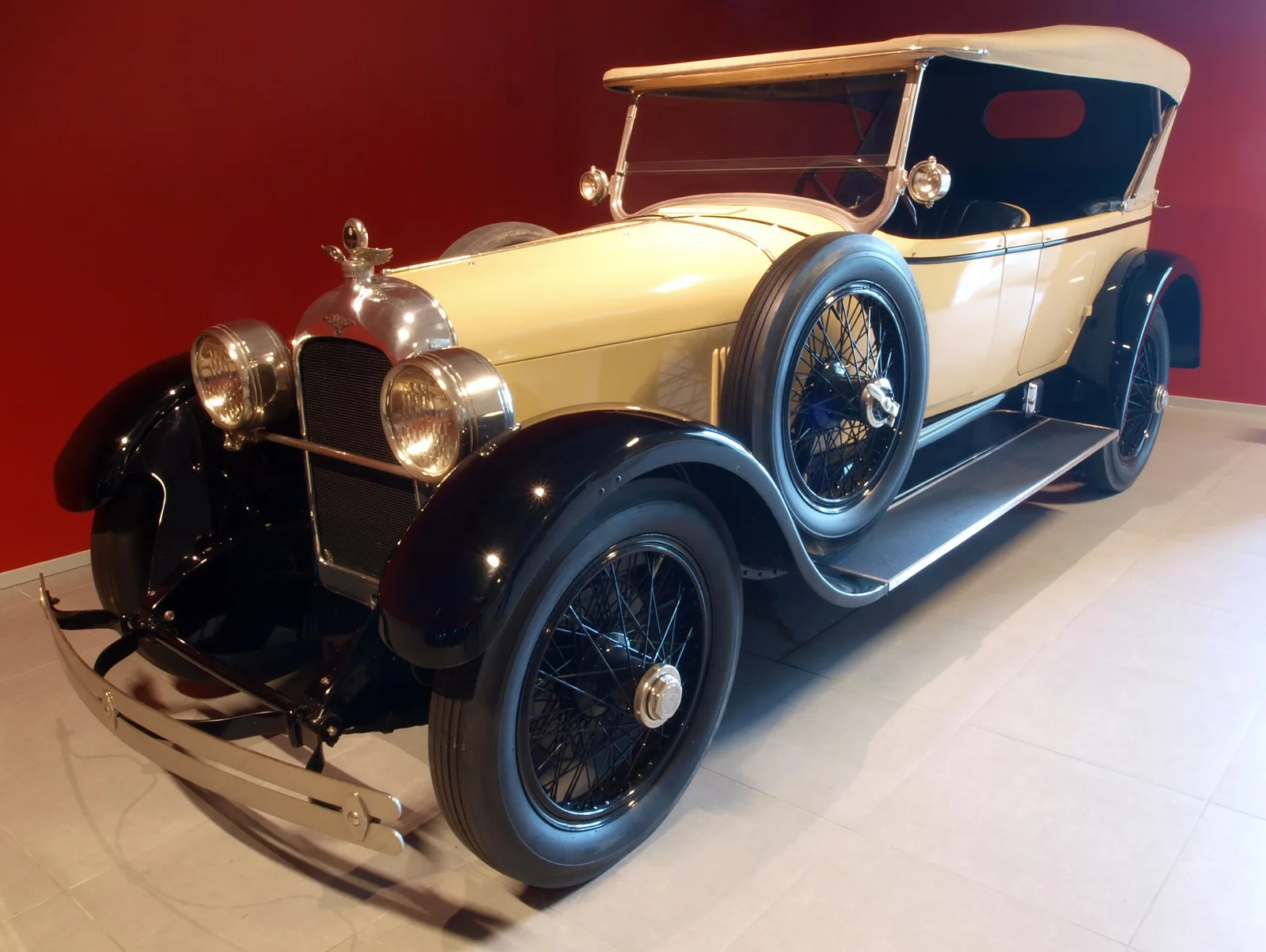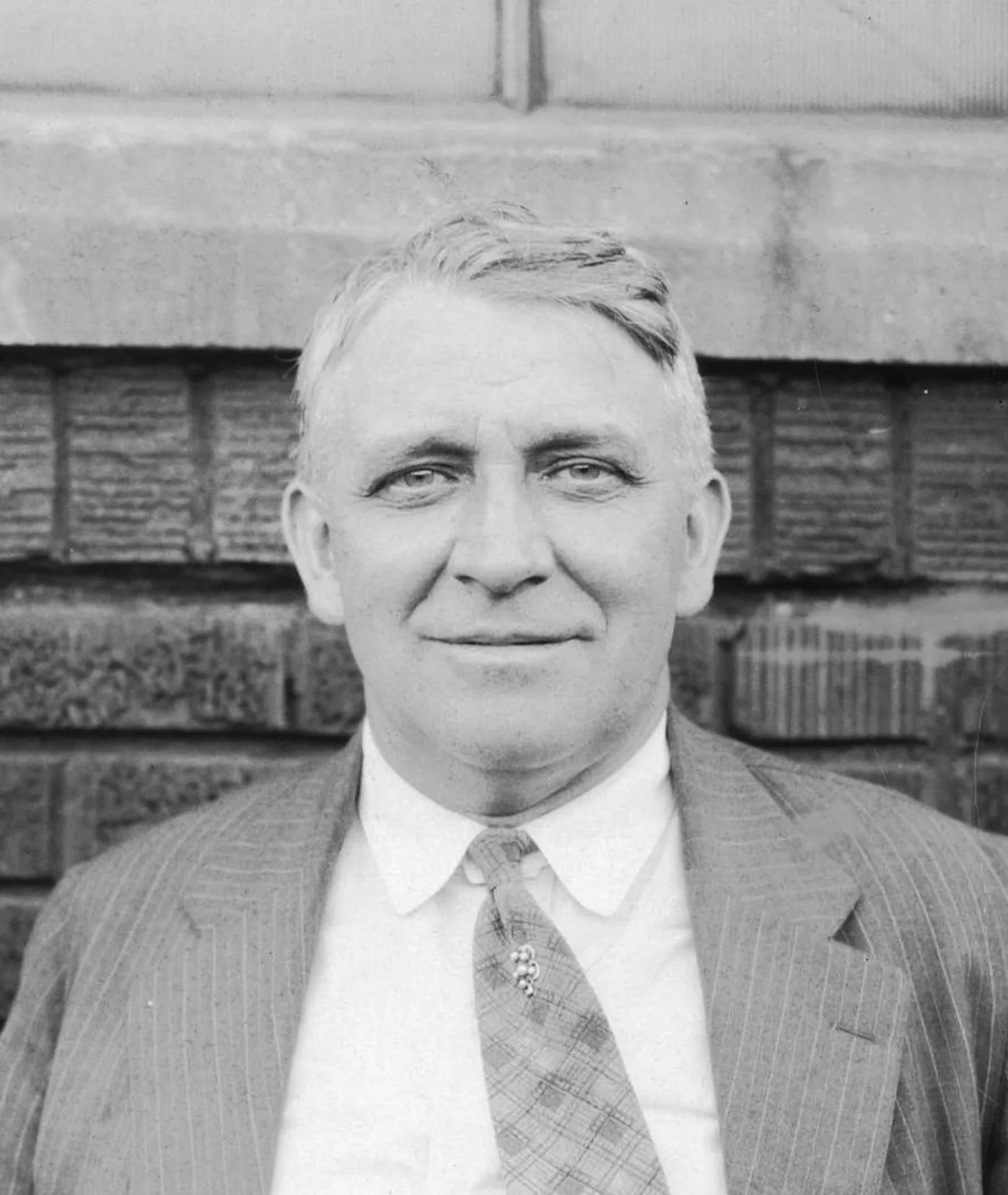
From Iowa bicycle racing to Indianapolis wins and the luxury Model J, the career of an engineer who shaped American cars.
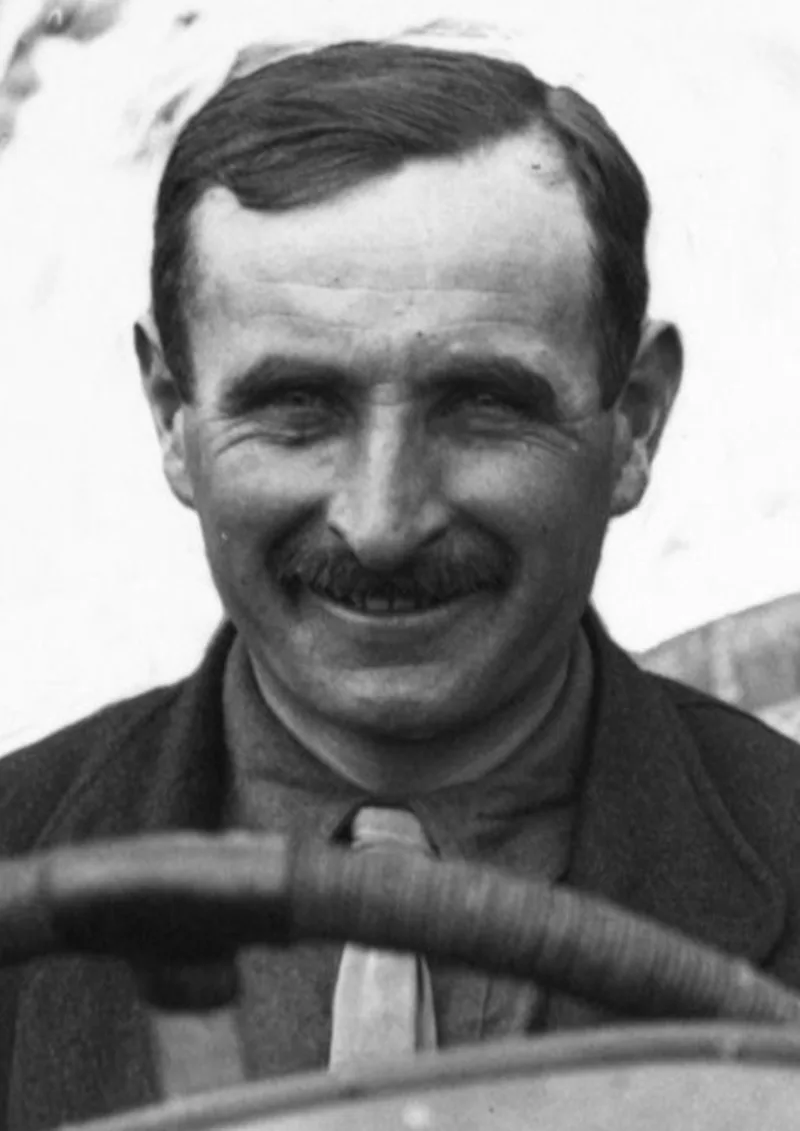
Fred Duesenberg (1876-1932) was a German-born engineer whose designs shaped American racing and luxury motoring. He co-founded the Duesenberg company with his brother Augie and designed the Model J luxury car. He died in 1932, five years before the company's passenger-car production ended.
Frederick Samuel Duesenberg was a German-born engineer who designed racing engines and luxury cars in the United States. His straight-eight engine and four-wheel hydraulic brakes influenced American motoring, and Duesenberg-designed engines won the Indianapolis 500 three times. He died in 1932, but the marque he helped build kept producing cars until 1937.
Where did Fred Duesenberg grow up?
Fred Duesenberg was born on 6 December 1876 in Lippe, Germany, and his family emigrated to the United States when he was a boy. They settled on a farm near Rockford, Iowa, where he attended school until the eighth grade. He then learned engineering through apprenticeships and hands-on repair work rather than formal training.
Fred was one of seven children, and the family's farm sat in Floyd County. His father died in 1881, when Fred was still young. He picked up mechanical skills early, repairing farm machinery and windmills near home, and he also took a correspondence course covering mechanical drafting.
Bicycle racing was another early interest. He and his younger brother August, known as Augie, built and raced bicycles together, and Fred learned that racing helped increase product sales. That lesson shaped the brothers' later decision to enter their cars in races.
A bicycle racer from Iowa who went on to design the straight-eight, four-wheel brakes and the Model J.
How did the brothers get into car making?
The Duesenberg brothers began by building and racing bicycles in Iowa during the 1890s, then turned to gasoline engines. Fred worked for the Thomas B. Jeffery Company in Kenosha, Wisconsin, before the Mason Motor Car Company, set up in April 1906, put his designs into production. The venture later became Maytag-Mason.
After working as a machinist in Des Moines, Fred came into contact with Edward Mason, a local lawyer who funded his two-cylinder design. Fred became superintendent and designer, while Augie worked as a patternmaker. To demonstrate power, Fred once took a car up the flight of steps at the Iowa State Capitol, and the brothers began racing their cars to help sales.
The new owners proved inexperienced in car making, and the company gradually folded. Senator Fred Maytag acquired a majority interest, and the business was reorganised as the Maytag-Mason Motor Company in 1909, building cars in Waterloo, Iowa. Fred quit in 1910 so that he could concentrate on racing and engine work.
His first car race victory was at a fair in Mason City, Iowa. In 1907, however, he drove a test car through a fence and broke a shoulder, and by 1912 he had stopped driving race cars.
What was the Duesenberg straight-eight?
The Duesenberg straight-eight was an engine with eight cylinders and a single overhead camshaft, developed from the brothers' four-cylinder walking-beam design. Fred and Augie shared the patents, lodged in 1913 and renewed in 1918. The engine became a defining feature of the company's passenger cars.
Around 1910 the brothers began work on a four-cylinder walking-beam engine for automobiles and racing, and the straight-eight later replaced it. Fred is credited with bringing the eight-cylinder car to America. Among his other mechanical contributions were overhead camshafts and four valves per cylinder.
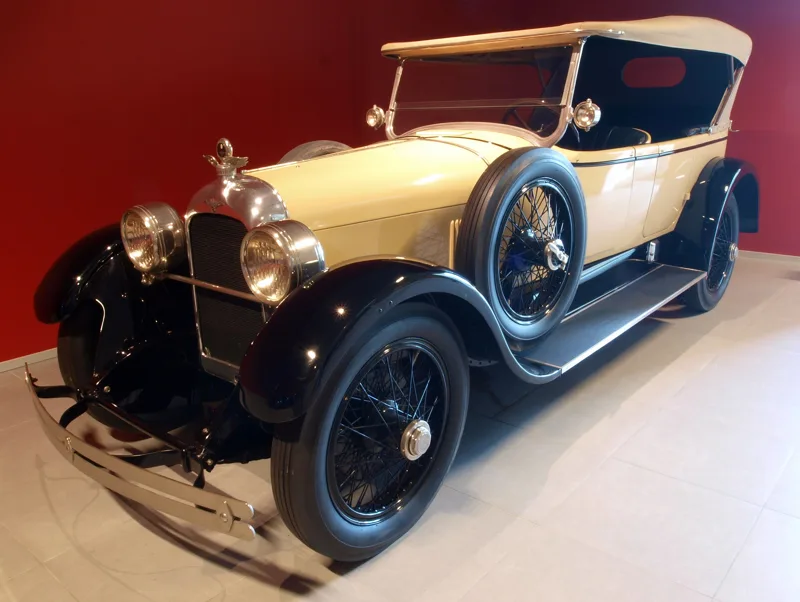
The first production car to carry the Duesenberg name used an inline eight-cylinder overhead cam engine.
What did the company build during the First World War?
During the First World War the Duesenberg firm merged with the Loew-Victor Manufacturing Company in 1917 and produced aviation and marine engines for four governments. Fred served as chief engineer, with Augie as assistant engineer. The corporation was sold to John Willys in 1919, and the brothers moved to Indianapolis in 1920.
The Loew-Victor Manufacturing Company of Chicago joined the Saint Paul firm, and the combined business took on wartime orders for military engines. In 1917 the brothers relocated to New York City to oversee a new manufacturing site at Elizabeth, New Jersey, built for aviation and marine engines.
The brothers' work with Ettore Bugatti's aircraft engines prompted changes to the straight-eight design. After the war they left New Jersey and worked from rented space in Newark, concentrating on racing cars. Willys took over the business, and the brothers eventually moved their operations to Indianapolis.
Why did the Model A struggle?
The Model A was the company's first mass-produced vehicle, built from 1921 to 1927. Its inline eight, overhead cams and four-wheel hydraulic brakes were novel for an American car, but the US$8,500 chassis price and plain styling held sales back. Receivership came in 1924, and the company emerged in 1925.
The first passenger car to carry the Duesenberg name appeared in New York in late 1920. Buyers were put off by its high price and unstylish exterior, and a minor shareholder tried to force receivership in 1923. Sales stayed slow, and the company's finances remained fragile.
The rescue came from E. L. Cord, who ran the Auburn Automobile Company and admired the Model A. He bought the Duesenberg company in 1926 and wanted a faster, more powerful supercar to round out his Auburn and Cord brands. Fred was given the job of designing it.
What was the Duesenberg Model J?
The Model J was the luxury car E. L. Cord had envisaged, announced in late 1928 and built from spring 1929. Its 32-valve, dual overhead camshaft engine produced 265 horsepower and could reach 115 miles per hour (185 km/h). Prices began at US$13,500 and rose to US$18,000 or more.
Cord pushed for a larger, heavier car than Fred preferred, and Fred engineered it regardless. Cord had also promised owners a say in body styling and colours.
Fred had also spoken about speed. At a June 1931 meeting of the Society of Automotive Engineers in West Virginia, he predicted that highway speeds of 100 mph (160 km/h) would soon become routine. As of May 2019 the speed limits on US interstates stayed below that figure, between 55 mph (89 km/h) and 85 mph (137 km/h), varying by state and road section.
How much did a Duesenberg cost?
A Model A chassis alone cost US$8,500 in the early 1920s, a price that helped hold back sales. The Model J started at US$13,500 and later rose to US$18,000 or more. Cord had promised buyers cars built to their own specification.
The Model A was priced well below the Model J, but its US$8,500 chassis cost was still high enough to limit its market. Buyers of the later Model J faced a price that rose from US$13,500 to US$18,000 or more, which put the car out of reach for most people.
Cord described the cars as strictly custom-built, with owners choosing the body and colour. That approach suited a luxury maker rather than a volume seller, and only 481 Model Js were built in total.
Racing from Daytona to Indianapolis
In April 1920 Tommy Milton piloted a Duesenberg racer to 156.046 mph (251.132 km/h) over a measured mile at Daytona Beach, Florida, a land-speed record. Later that year Fred and Augie formed Duesenberg Brothers as a separate racing company, with Augie running it while Fred concentrated on passenger cars.
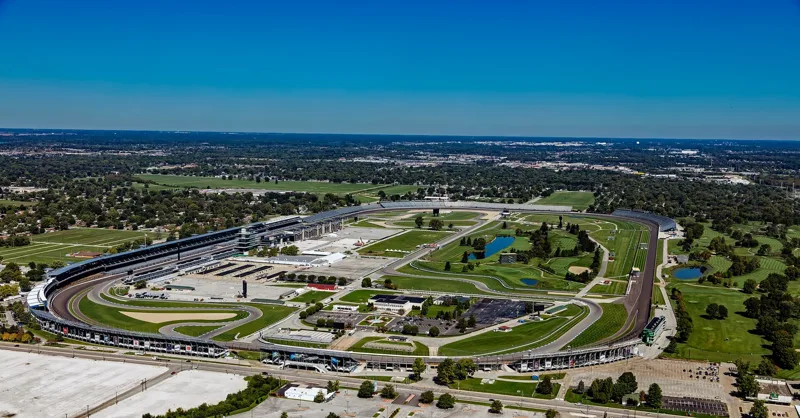
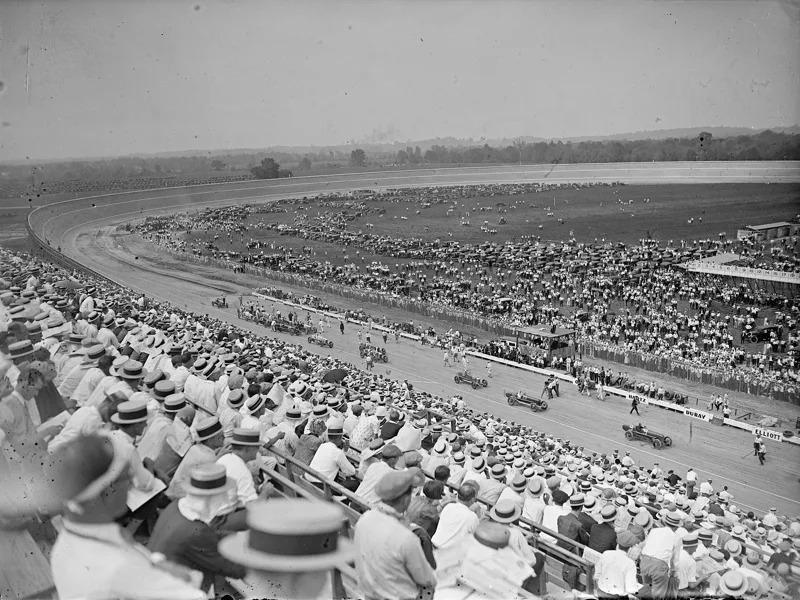
In 1921 Jimmy Murphy drove a Duesenberg to a win in the Le Mans Grand Prix, becoming the first American car to take that race. In 1914 Eddie Rickenbacker finished tenth in a Duesenberg-powered car and earned US$1,400 in prize money. Duesenberg-entered cars competed at Indianapolis between 1912 and 1932, and Duesenberg-designed engines powered the winners in 1924, 1925 and 1927.
In 1924 Lora Corum took the win with relief driver Joe Boyer. In 1925 Pete DePaolo, with Norman Batten in relief, averaged over 100 mph (160 km/h), the first winner to do so. George Sanders won in 1927 in a car owned by Bill White.
Duesenberg teams continued to place well through the late 1920s. Fred Frame finished eighth in 1928, and Jimmy Gleason took third in 1929 with Freddie Winnai fifth. In 1930 Fred cosponsored a car driven by DePaolo, which finished thirty-third in a field of thirty-eight after an accident. In 1931 thirteen cars were based on the Model A, and Fred retired from auto racing after that race.
How did Fred Duesenberg die?
Fred Duesenberg died on 26 July 1932 at the age of 55. He had been injured on 2 July, when the prototype car he was driving overturned on the Lincoln Highway, which was wet, near Ligonier Mountain. He was expected to recover, but he developed pleural pneumonia and relapsed.
The crash happened as he was returning to Indianapolis from New York, and he suffered a spinal injury and a dislocated shoulder. Oxygen helped him improve for a time, but the relapse proved fatal, and he was buried at Crown Hill Cemetery in Indianapolis.
Sales had already declined during the Great Depression as buyers for luxury cars became scarce. The last Model J was built in 1937, five years after his death, and only 481 had been built by then. His brother Augie died on 18 January 1955, aged seventy-six.
Career milestones at a glance
| Year | Milestone |
|---|---|
| 1906 | Mason Motor Car Company incorporated in April, with Fred as superintendent and designer |
| 1909 | Maytag-Mason Motor Company formed in Waterloo, Iowa |
| 1913 | Duesenberg Motor Company incorporated in June; walking beam engine patents filed |
| 1917 | Loew-Victor merger creates the Duesenberg Motor Corporation |
| 1920 | Duesenberg Automobile and Motors Company formed in March |
| 1921 | Factory production of the Model A begins in May at Indianapolis |
| 1926 | E. L. Cord buys the company; Fred becomes vice president of engineering |
| 1929 | Model J production begins in the spring |
| 1932 | Fred dies on 26 July, aged 55 |
His career moved from bicycle racing in Iowa to the luxury Model J, and each stage added to the engineering record that the company carried into the 1930s.
Each change of company came with new backers, from Edward Mason in Des Moines to Senator Fred Maytag in Waterloo and E. L. Cord in Auburn. The pattern shows a designer who depended on partners for the money that his engineering needed.
What is the Duesenberg legacy?
Fred Duesenberg is remembered as a largely self-taught engineer whose straight-eight engine, four-wheel brakes and overhead camshafts helped shape the American car. Many of his racing advances later reached production cars, although some took nearly seventy years to appear on Detroit models. He was inducted into three motorsport halls of fame.
Fred never had formal technical training, yet he held patents on several of his designs. His patents covered four-wheel hydraulic brakes, an early automatic gearbox and a cooling design. Many of his mechanical advances in racing later appeared in mass-produced passenger cars.
The Auburn Cord Duesenberg Automobile Museum opened in 1974 in the former Auburn Automobile Company headquarters, located in Auburn, Indiana, and it displays Duesenberg-designed cars. The American Automobile Association's test board gave Fred a bronze plaque in 1927 for his engineering. The Auto Racing Hall of Fame inducted him in 1962, the National Sprint Car Hall of Fame recognised him in 1990, and the Motorsports Hall of Fame of America added him in 1997.