From a dairy-farm shed at the foot of Mount Fuji in 1973 to Tsukuba lap records, D1 podiums and a Formula One engine programme.
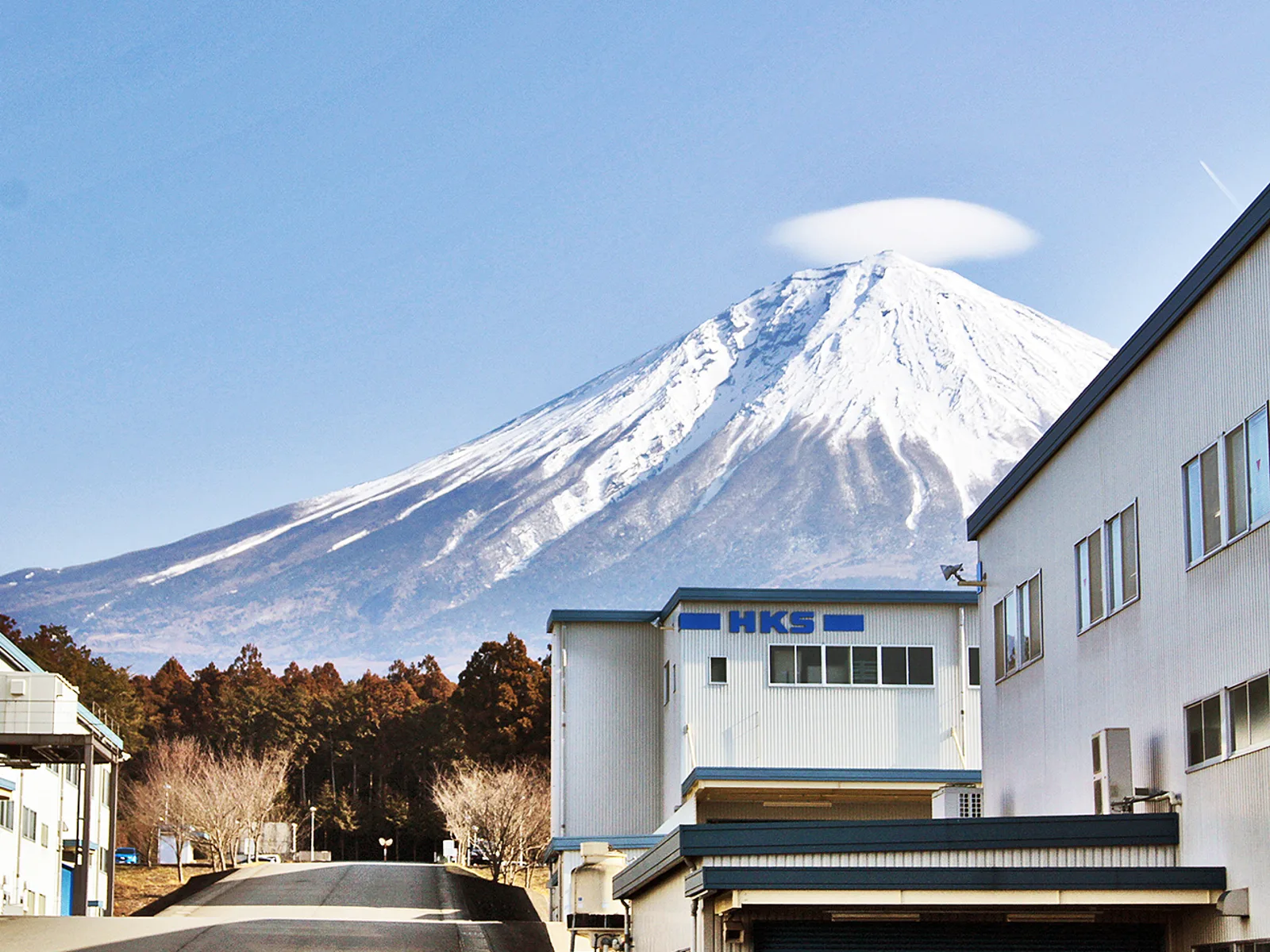
HKS is a Japanese aftermarket parts company formed in 1973 in Fujinomiya near Mount Fuji. It built the first commercial passenger car turbo kit in 1974, set speed and lap records with its own cars and raced in touring car, drag and drift series.
HKS is a Japanese aftermarket brand that grew from a small tuning operation in 1973 into a publicly traded maker of performance parts. It is known for turbocharger kits, lap-record cars and a long run of motorsport programmes, from drag racing to drifting. Its roots lie at the foot of Mount Fuji.
What is HKS?
HKS Co., Ltd. is a publicly traded company headquartered in Fujinomiya, Shizuoka Prefecture, Japan. It engineers, manufactures and sells high performance aftermarket and accessory automotive parts. The company claims to be perhaps the best-known aftermarket brand in the world, and it marks 50 years in business.
A dairy-farm tuning shop at the foot of Mount Fuji that grew into a global aftermarket brand with Tsukuba lap records to its name.
Where did HKS come from?
HKS was formed in 1973 by Hiroyuki Hasegawa, a former engineer at Yamaha Motor, and his partner Goichi Kitagawa. Sigma Automotive supplied the start-up capital, which is where the name HKS comes from. They started out in a shed on a dairy farm below the mountain, working on petrol engines.
Their aim was to design and build high performance engines and components that major manufacturers were not willing, or able, to produce themselves.
When did HKS start making turbo kits?
In July 1974 Hasegawa built the first commercialised turbocharger kit for passenger cars. Turbocharger upgrades and bolt-on kits went on to become the company's core business. Among its early firsts were an electronic turbo timer and a boost controller, both sold commercially.
The company also pioneered piggy-back fuel computers and other aftermarket fuel management tools, which gave tuners more control over how their engines ran under boost.
Where are HKS's factories and offices?
The headquarters stays near Mount Fuji, and a 100,000 square foot site in Fujinomiya City houses manufacturing and research work. A new factory opened at Kamiide, Fujinomiya, in July 1984, and a Kitayama plant was added in April 1985 for muffler production.
In Japan the company runs three sales offices in Tokyo, Nagoya and Osaka. Its first HKS Technical Factory opened in Toda, Saitama, in 2003, and another followed in Sapporo, with a dedicated service centre in Kitakyushu.
How big is HKS overseas?
Its sales and distribution reach covers Asia, Europe, Australia and the Americas. Its subsidiaries include HKS Europe in Cambridgeshire, England, from 1996, HKS Thailand in Bangkok from 2001 and HKS Shanghai from 2012. The brand's US operation has been through several changes.
HKS USA was established in 1982 and shut down operations in 2011, when the company chose wholesale distributors instead. Motovicity Distribution became the North American master distributor that year. HKS USA was reestablished in 2017 in Chandler, Arizona, and in May 2020 Turn 14 Distribution acquired Motovicity's assets.
Is HKS a listed company?
Yes. HKS has been publicly traded since June 1999, first through the Japan Securities Dealers Association and later on the JASDAQ exchange from 2004. Its ownership also grew in 2000, when it gained full ownership of the metal processing firm Nissei Kogyo.
The company also holds an ISO 9001 quality management certification, gained in 2010, which covers its manufacturing standards for OEM and contract clients.
What else does HKS make?
HKS makes OEM parts for automakers from technology first developed in aftermarket tuning, and it even applies its work to marine jets. It also has a division for compressed natural gas engineering and bi-fuel systems that run on both petrol and CNG for trucks and road vehicles.
The HKS IoT Connected Service division launched in 2019 and built devices such as a shuttle bus safety device called MAMORU, which was released on March 31, 2023. In 2021 the government ministry responsible for the environment asked HKS to take part in a battery-exchangeable EV group, and prototypes began demonstrations at FamilyMart stores in November 2022.
How did HKS's time attack cars develop?
Since 1983 HKS has been heavily involved in building and racing cars for time attack and speed records. Its first speed car, the M300, was a heavily modified Toyota Celica XX with twin turbos and a 5M-GE engine. It passed the 300 km/h mark, reaching 301.25 km/h (187.19 mph) at Yatabe in 1983.
The HKS T-001, a modified Toyota Supra (A80), followed in 1993. It made more than 730 ps (720 hp), topped out at 344 km/h (214 mph) and recorded a Tsukuba lap of 1 minute 1.97 seconds. Its successor, the T-002, was a specially tuned Nissan Skyline GT-R (R33) that set the Tsukuba lap record at 58.71 seconds.
Which HKS cars set the big lap records?
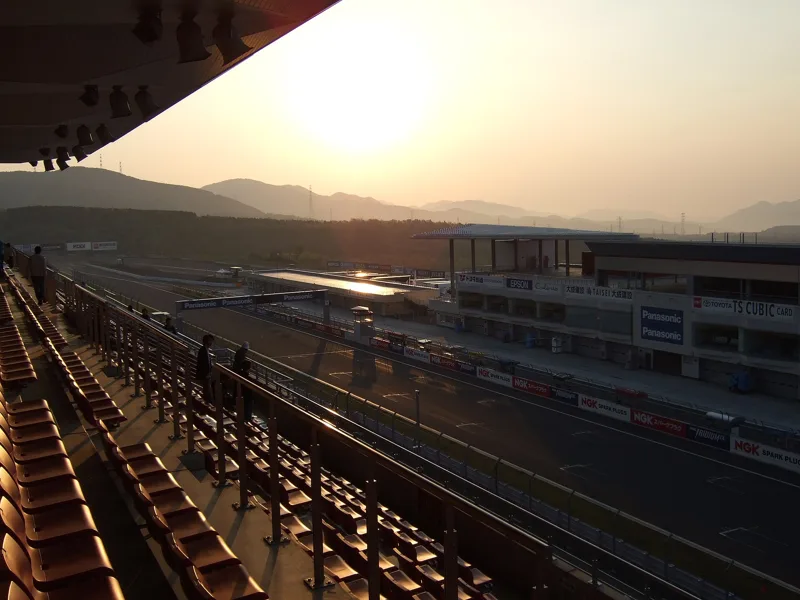
The Tsukuba Circuit was the proving ground for most of the time attack cars. The TRB-01 Racing Altezza, a tuned Toyota Altezza with over 600 hp, went on to set a Tsukuba lap of 55.85 seconds, and later TRB cars cut that time further.
| Car | Year | Headline figure |
|---|---|---|
| HKS M300 (Toyota Celica XX) | 1983 | 301.25 km/h (187.19 mph) at Yatabe |
| HKS T-001 (Toyota Supra A80) | 1993 | Tsukuba lap of 1 minute 1.97 seconds |
| HKS T-002 (Nissan Skyline GT-R R33) | 1995 | Tsukuba lap record of 58.71 seconds |
| HKS TRB-01 (Toyota Altezza) | 2000 | Tsukuba lap of 55.85 seconds |
| HKS TRB-03 (Toyota 86) | 2018 | Tsukuba lap of 49.44 seconds |
| HKS TRB-04 (Suzuki Swift) | 2019 | Front-wheel-drive Tsukuba record of 55.498 seconds |
The TRB-03 Toyota 86, which produced 811 ps (800 hp), broke the 50-second barrier at Tsukuba with a lap of 49.44 seconds. The TRB-04 Suzuki Swift, weighing 930 kg (2050 lb), set the front-wheel-drive record in January 2019.
What was HKS's Formula One programme?
In the early 1990s HKS ran a Formula One engine programme to produce a motor in-house for race cars. The result was the 300E in 1992, a 3.5-litre V12 producing 680 ps (671 hp) on pump fuel with a 13,500 RPM redline. Testing took place at Fuji Speedway, using a Lola T91/50 F3000 chassis.
The 300E never raced, and the Formula One engine programme was closed after two years. The company still counted the work as valuable engineering and brand growth.
How did HKS perform in touring cars and drag racing?
HKS entered the 1992 Japanese Touring Car Championship Group A, then the top Japanese race. The team won at Sugo with a specially developed Skyline GT-R (R32), which gained a following through its Oil Slick livery. From 1994 to 1997 it raced the Vauxhall Cavalier and Opel Vectra in the JTCC, winning three races in 1994.
In drag racing HKS won each year's RRC and BE series from 1994 to 1996 with the Drag R32 GT-R, which produced 840 ps (828 hp). Its Drag R33 GT-R made 1300 ps (1282 hp) and set a 7.67 second quarter mile in 2001, and the Drag 80 Supra made 1400 ps (1381 hp).
Did HKS win in drifting and dirt trials?
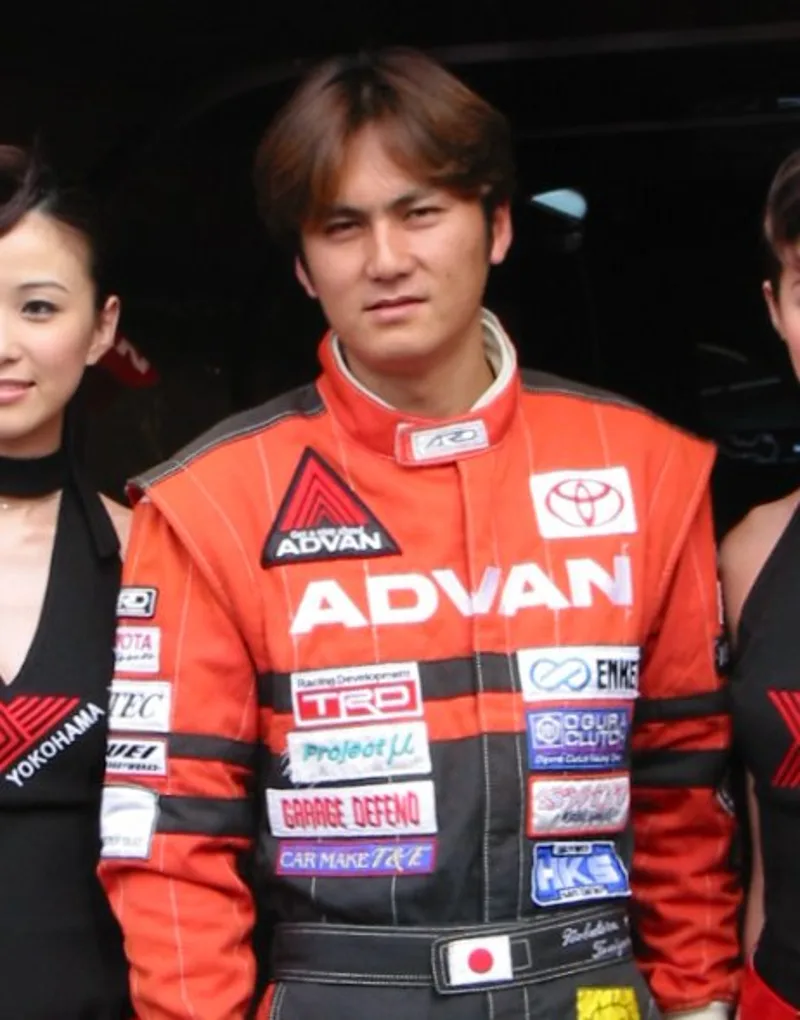
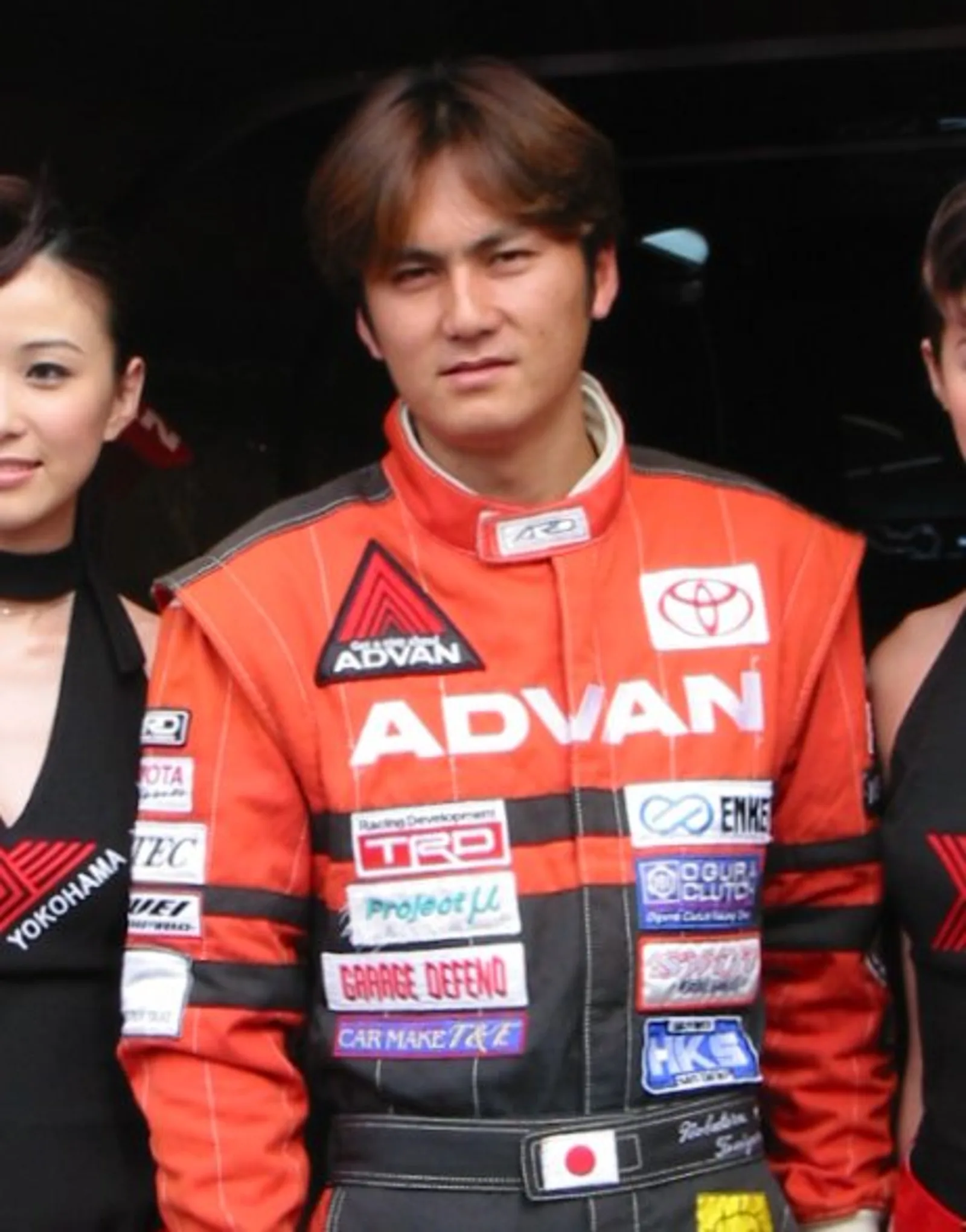
Yes. HKS-sponsored Team After Fire won the inaugural D1 Grand Prix drifting championship in 2001 with Nobuteru Taniguchi driving a Nissan S15 Silvia. The HKS works team finished as runner-up in 2002 and again in 2004, and HKS-sponsored Daigo Saito won the 2016 D1GP Championship.
In rally time trials, HKS and Katsuhiko Taguchi won the 2023 All Japan Dirt Trial Championship in their first full season. In 2024 HKS won rounds 1, 3 and 5 and clinched the championship with three races left on the calendar.
How did HKS race in single-seaters and bikes?
HKS entered the Japanese Formula 3 Championship from 1994 to 1999 and won the 3rd race of the 1997 season with its own 310E engine. It also raced in the FIM Endurance World Championship in 1995 and 1996, especially at the Suzuka 8 Hours.
In South America HKS competed in Formula 3 from 1995 onwards and won the championship in 1998 with a Dallara-Mitsubishi 394 driven by Nestor Gabriel Furlan. Its British programme ran with Fortec Motorsport from 1995 to 1997.
In the British Formula 3 Championship the team finished fourth in 1995 with Warren Hughes, fifth in 1996 with Juan Pablo Montoya and seventh in 1997 with Brian Smith.
Which other championships did HKS enter?
Alongside touring cars and drag racing, HKS took part in the Japan Super Sports championship in 1984, the Fuji Grand Champion Series in 1986, and the Japanese Grand Touring Championship from 2002. It also ran jet ski teams from 2012 to 2014.
In 1984 HKS supported the FJ20ET-engined HKS World Trade Silvia S12 in the JSS championship with driver Seiichi Sodeyama. In 1986 it ran an original 2000cc DOHC four-cylinder engine, the 186E, based on the BMW M12.
Its JGTC entry for 2002 was a Mercedes-Benz CLK in the GT500 class, driven by Yudai Igarashi and Koji Yamanishi. From 2012 to 2014 HKS also entered the Japan Jet Sports Championship and Tyking's Cup, finishing 3rd in 2013 and 2nd in 2014.
Who drove for HKS?
Anthony Reid raced in Super Touring and the JTCC for the in-house team, and Nobuteru Taniguchi drove in both D1 Grand Prix and time attack. Tetsuya Kawasaki raced in drag racing, Akira Iida in time attack and Max Orido as a test driver.
Taniguchi set several of the lap records himself, on TRB cars at Tsukuba and on the GT1000+ at Fuji Speedway.
How did HKS's service network grow?
HKS brought the Nara shop Twin Power into the group in 1984 as HKS Kansai Service, which acted as a service centre, tuning partner, parts distributor and R&D partner. In 2010 the official affiliation closed and the business was renamed Kansai Service Co., Ltd., though the working relationship continued.
In 2002 Kansai Service became a major suspension overhaul and servicing centre for HKS suspension customers. It also built its own motorsport record and began developing aftermarket parts of its own.
What is HKS's legacy?
HKS has built a brand that appears far beyond Japan. Games such as Juiced, Midnight Club and Forza have featured its tuned cars, alongside Gran Turismo, Need for Speed and Street Racing Syndicate. Cars with HKS liveries and tuning have also appeared in the Fast and the Furious films.
The company's 2024 HKSTUDIE partnership with Studie AG, a BMW-specific tuner, shows how the brand continues to extend into new markets and marques.