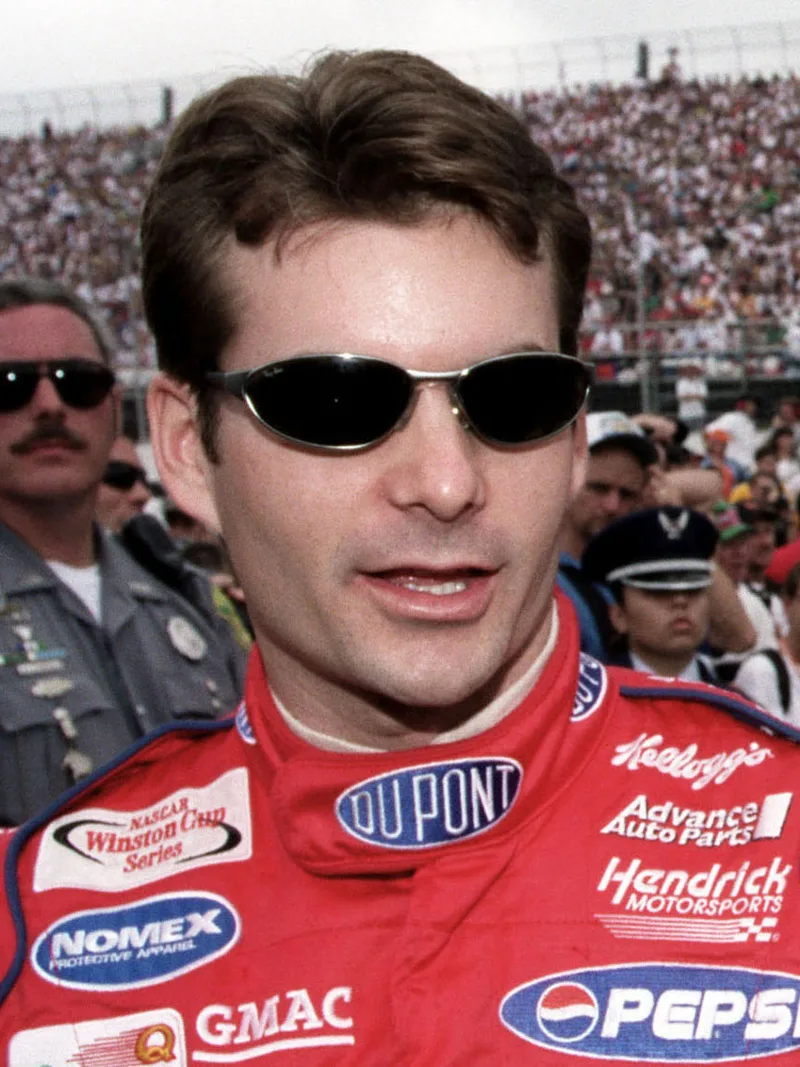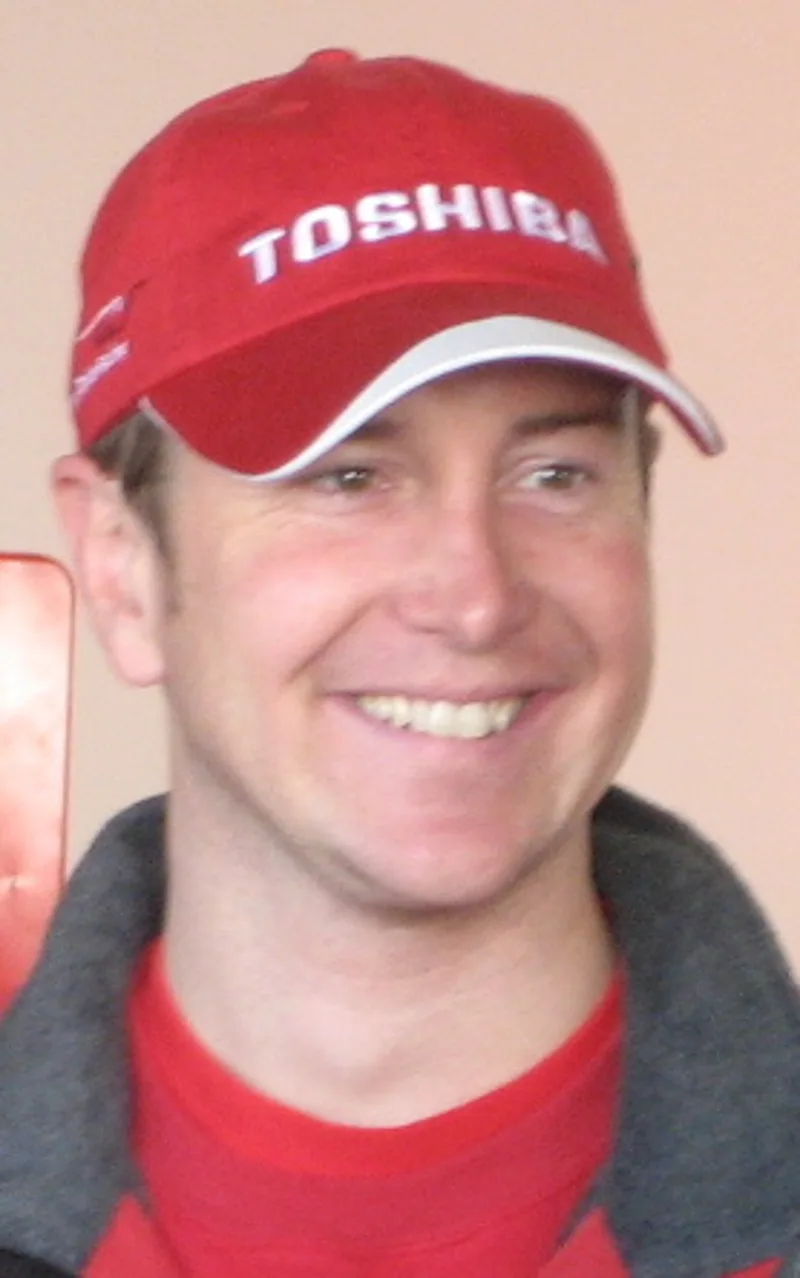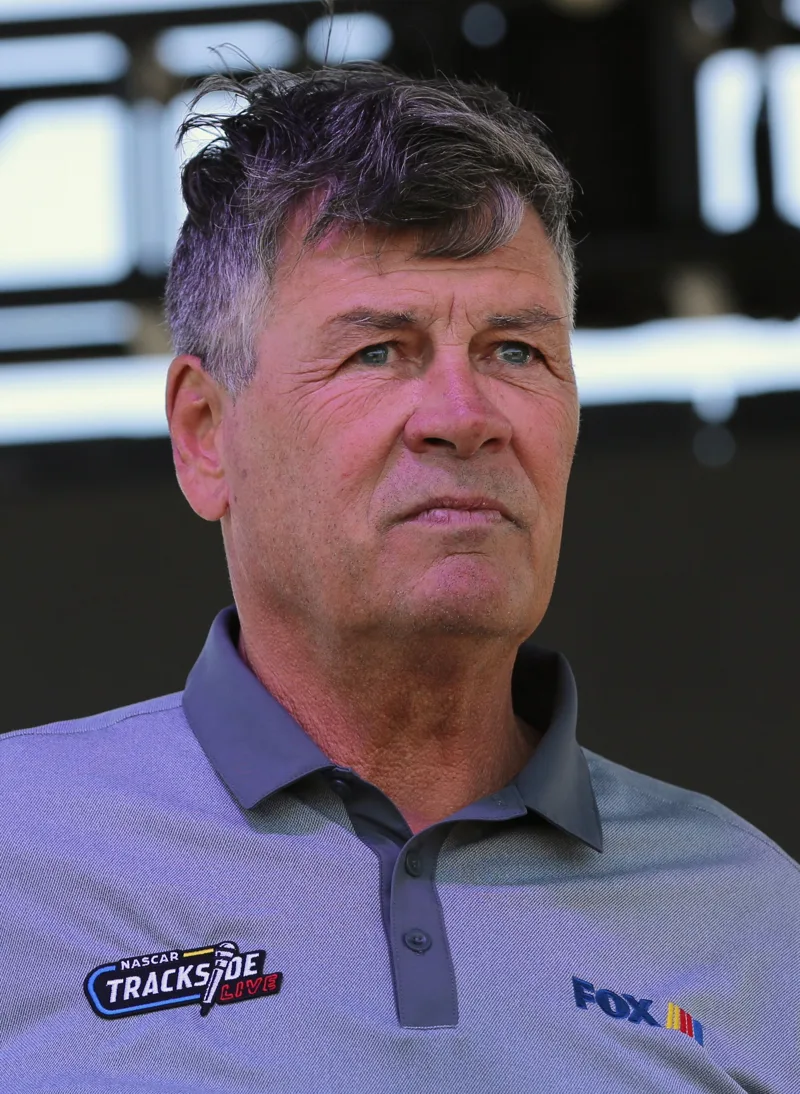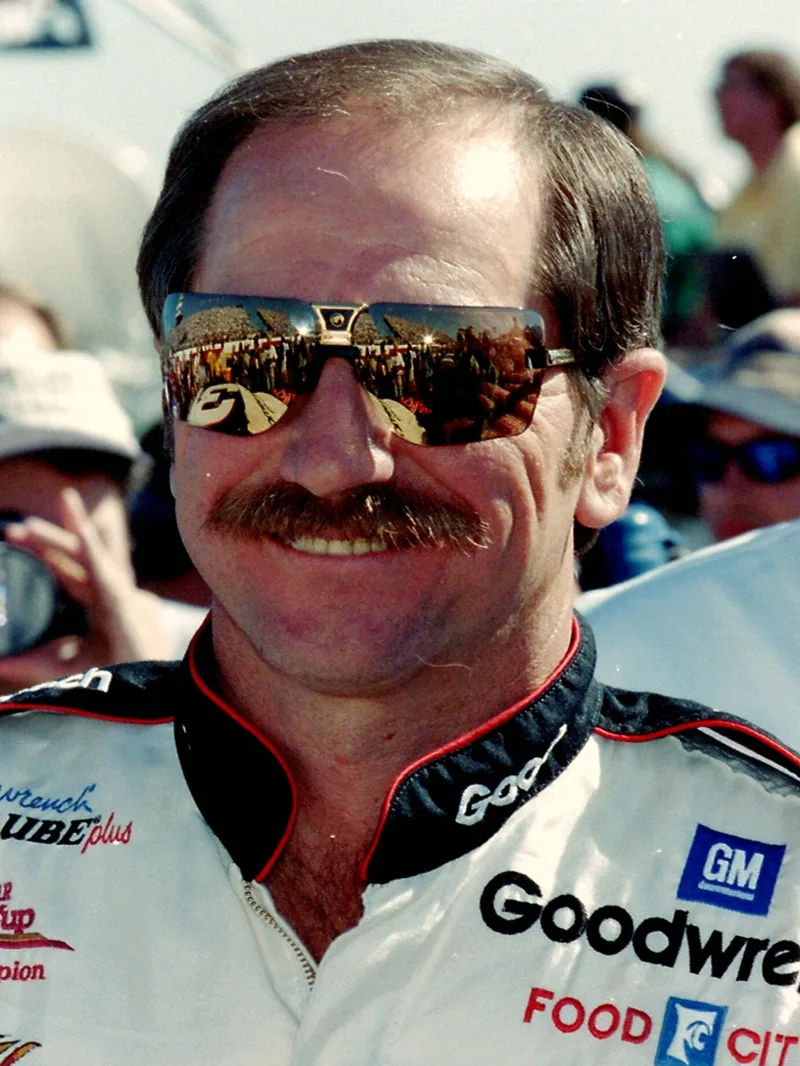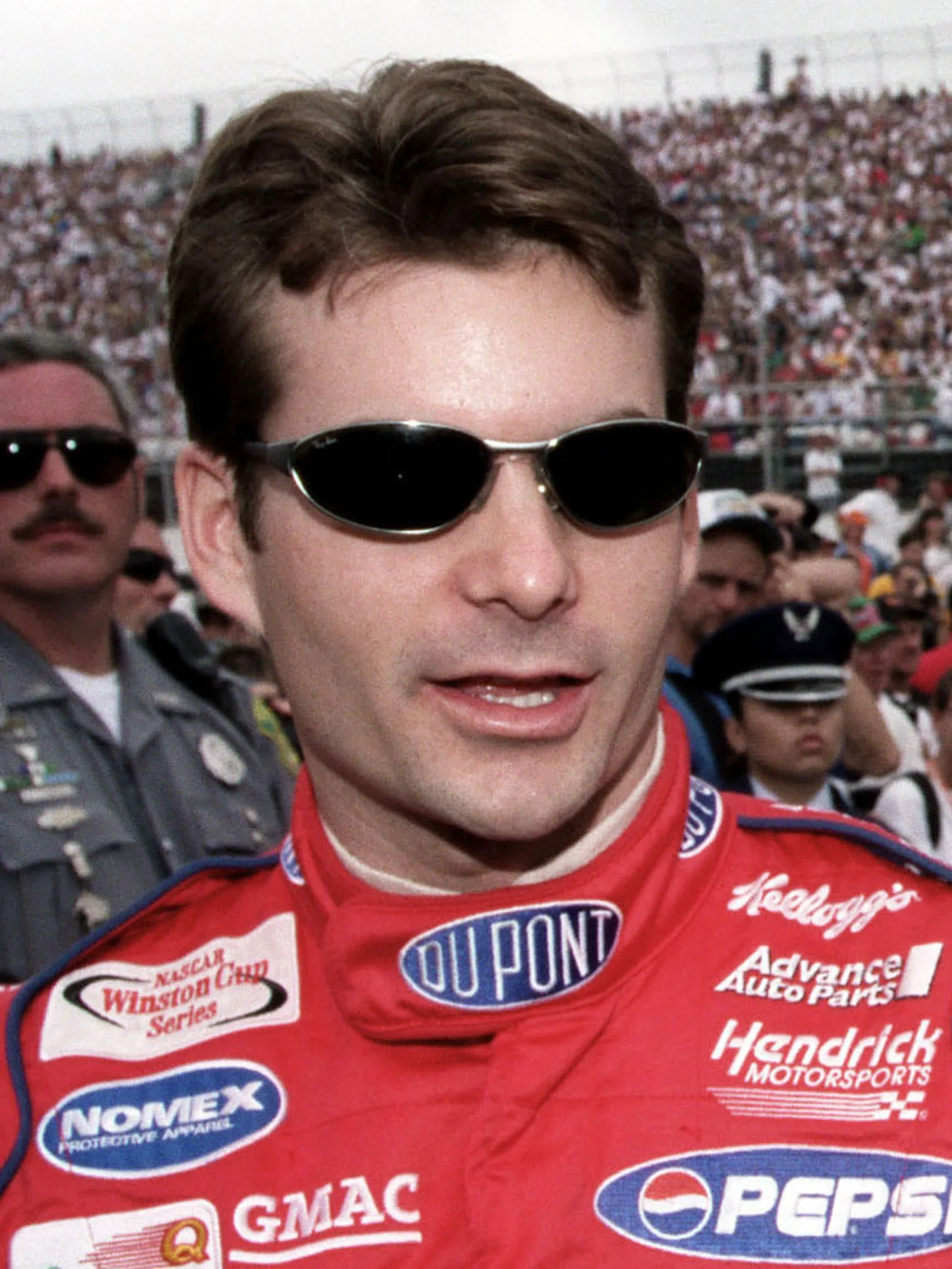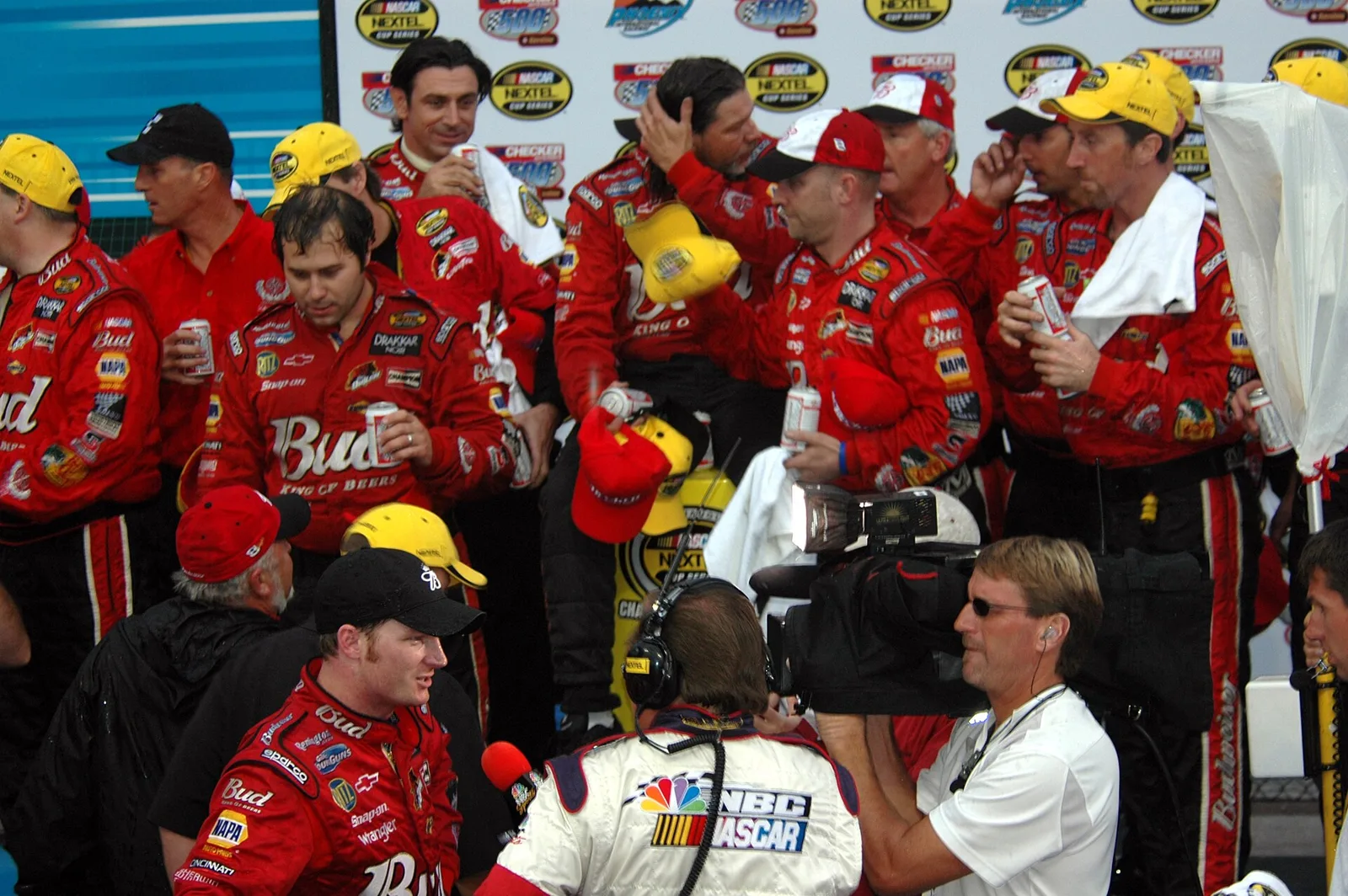
Founded by Dale Earnhardt and his wife Teresa, DEI raced from 1998 to 2009 with Earnhardt Jr., Steve Park and Michael Waltrip, then merged away and became a Mooresville museum.
Dale Earnhardt, Inc. was a Cup team run by Dale Earnhardt and his wife Teresa from 1998 to 2009. Today it is a museum and showroom in Mooresville, North Carolina.
Dale Earnhardt, Inc. (DEI) is a museum in Mooresville, North Carolina. It was formerly a race team founded by Dale Earnhardt and his wife, Teresa Earnhardt, which competed in the NASCAR Cup Series from 1998 to 2009. The team's founder won seven Winston Cup titles, and his fatal crash came on the last lap of the 2001 Daytona 500. Today the team is best remembered for the drivers who carried its colours.
What is Dale Earnhardt, Inc. today?
DEI now maintains a showroom at its former race shop in Mooresville, where fans can buy memorabilia and other goods. The organisation also pursues partnerships that bring tribute to Earnhardt's memory, and it celebrates his birthday every year on April 29, known as Dale Earnhardt Day.
The group has other arms that grew from the team, and each one reflects a different part of the founder's career. Earnhardt Technology Group was created in August 2009 to support up-and-coming teams, and the Dale Earnhardt Foundation carries on his work through charitable programmes for children, education and wildlife.
A team built around a seven-time champion, now a Mooresville museum that keeps his legacy in view.
Why did Earnhardt never race for his own team?
Despite owning the DEI racing team, Earnhardt never drove for it in the Winston Cup. He raced for his long-time mentor and backer Richard Childress at Richard Childress Racing instead. That arrangement kept his own team's identity separate from his driving career.
Over its life the team fielded a long roster of drivers, many of whom went on to notable careers elsewhere, from Dale Earnhardt Jr. and Michael Waltrip to Kenny Wallace, Darrell Waltrip and Aric Almirola, with Steve Park and Martin Truex Jr. among them. That list reflects a team that gave many drivers their chance at the top level.
How did the team's financial trouble begin?
In the late 2000s DEI faced serious financial difficulties. Drivers Dale Earnhardt Jr. and Michael Waltrip left the team, and sponsors including Anheuser-Busch, the National Automotive Parts Association and the United States Army also departed. Those losses came while the team was already struggling to fund its operation.
The team had already changed shape through mergers. On July 25, 2007 DEI merged with Ginn Racing, formerly known as MB2 Motorsports, and the No. 01 team joined the No. 1, No. 8 and No. 15 teams. The merger kept the DEI name.
How did the DEI merger with Chip Ganassi Racing work?
On November 12, 2008 DEI and Felix Sabates' Chip Ganassi Racing merged their NASCAR operations into one organisation. The combined team was rechristened Earnhardt Ganassi Racing and moved its operations to the Ganassi shop, which switched the team to Chevrolets.
The No. 42 operation sat alongside the No. 1 and No. 8 cars during the 2009 Sprint Cup campaign. EGR reverted to the Chip Ganassi Racing name in 2014 and was later sold to Trackhouse Racing Team in 2021.
What happened with Steve Park and the No. 1?
DEI's Winston Cup entry debuted in 1996 as the No. 14 with Jeff Green, and in 1998 the number changed to the No. 1. Steve Park drove the car from 1997 to 2003, and his early seasons were marked by a serious crash in practice at Atlanta in 1998 that kept him out for several weeks.
Darrell Waltrip, the three-time champion, drove the car for 13 races while Park recovered. Park returned and went on to win his first career race at Watkins Glen in 2000, his home track, the same year he earned his first two Bud Pole awards.
After 2003 the team moved to a part-time status. Ron Fellows returned to the No. 1 for the 2004 Watkins Glen race, qualified 43rd after rain cancelled qualifying, and charged through the field to finish second behind Tony Stewart.
How did Martin Truex Jr. fit into the team?
Martin Truex Jr. drove a part-time schedule in the No. 1 in 2005 and returned to full-time status in 2006, collecting five top-ten finishes and finishing 19th in points. On June 4, 2007 he scored his first career Cup victory in the No. 1 car at Dover International Speedway.
Truex also qualified for the 2007 Chase for the Cup. He was DEI's only representative in that Chase, and his qualification remains the last for a driver in a DEI car. Truex left at the end of 2009 for Michael Waltrip Racing.
How did Dale Earnhardt Jr. win with the No. 8?
The No. 8 was DEI's second Cup entry. The squad existed to launch Dale Earnhardt Jr.'s Cup career, and it used a number previously run by Stavola Brothers Racing, which had closed in 1998. Earnhardt Jr. made five Cup starts in 1999.
In 2000 he moved to the Cup Series full-time, won two poles and three races, including The Winston, and finished runner-up to Matt Kenseth in the Rookie of the Year race. On July 7, 2001 he won the Pepsi 400 at Daytona, the first Cup race at the track after his father's death.
Earnhardt Jr. set a record by winning four consecutive races at Talladega, and in 2003 he scored a fourth straight win in the Aaron's 499 after a 27-car crash. He won the 2004 Daytona 500 on February 15, six years to the day after his father's win there.
How did the team's later No. 8 and No. 15 cars run?
Earnhardt Jr. announced in 2007 that he would not return to DEI for 2008, and he moved to Hendrick Motorsports. Mark Martin and Aric Almirola drove the No. 8 in 2008, and the U.S. Army sponsorship moved with them.
In 2009 the No. 8 operation was suspended after the Texas race because of a lack of sponsorship. Michael Waltrip had driven the No. 15 for NAPA from 2001, and he won the 2001 Daytona 500 in the car. He won four races between 2001 and 2003, but he left the team after a 25th-place points finish in 2005.
Paul Menard drove the No. 15 from 2006 and moved to full-time in 2007. After the 2008 season he took his sponsorship to Yates Racing, and the DEI No. 15 team was disbanded.
What did the Truck and Nationwide programmes achieve?
DEI competed in the NASCAR Craftsman Truck Series from 1995 to 1999. Ron Hornaday Jr. drove the No. 16 Chevrolet for most of that run and won 25 races for the team. He also took the Truck Series championship in 1996 and again in 1998.
The team's Nationwide efforts included the No. 8 car, which ran from 1984 to 1988 and again from 2002 to 2008, and the No. 3 car that Dale Earnhardt drove. Earnhardt Jr. won two races in the car after 2000, including a 2002 Richmond win and the 2004 Daytona race.
How did the RAD and ECR engine programmes work?
Once Fords had taken control of the restrictor-plate tracks in the late 1990s, DEI joined Richard Childress Racing and Andy Petree Racing on the RAD Engine Program. Its first win came at the 2000 Winston 500 with Dale Earnhardt, which was his 76th and final win.
DEI went on to win the 2001 Daytona 500, the 2001 Pepsi 400, the 2001 EA Sports 500, the 2002 Aaron's 499, the 2002 Pepsi 400, the 2002 EA Sports 500 and the 2003 Daytona 500 with the programme. RAD closed when Petree withdrew from the series in 2003 to concentrate on his Busch effort.
Earnhardt-Childress Racing Engines was formed in May 2007 through cooperation between DEI and Richard Childress Racing. It built engines common to the Chevrolet Cup and Nationwide teams, and in mid-2008 it opened a stand-alone facility in Welcome, North Carolina, which employs 130 technicians. Its engines won the 2010 Daytona 500 and Brickyard 400 with Jamie McMurray, the 2011 Southern 500 with Regan Smith and the Coca-Cola 600 with Kevin Harvick.
How did the 2010 tribute race come about?
On April 29, 2010, the day of Earnhardt's induction into the NASCAR Hall of Fame, DEI unveiled a three-way tie-up with JR Motorsports, Richard Childress Racing and Wrangler Jeans. The plan had Dale Earnhardt Jr. in the No. 3 Chevrolet Impala for a single race, in a blue and gold scheme that echoed his father's 1980s car.
The car ran in the Nationwide Series at Daytona International Speedway on July 2, 2010, a race that was the first in that series to use the Car of Tomorrow. Starting third, Earnhardt Jr. led thirty-three laps on his way to victory. It was his first competitive NASCAR win since 2008.
What are the team's key results at a glance?
| Year | Driver or team | Event | Result |
|---|---|---|---|
| 1996 | Hornaday | Truck Series | Series championship |
| 1998 | Hornaday | Truck Series | Series championship |
| 2000 | Dale Earnhardt Jr. | The Winston | First rookie win in the event |
| 2001 | Michael Waltrip | Daytona 500 | Win in the No. 15 |
| 2001 | Dale Earnhardt Jr. | Pepsi 400 | First Daytona Cup race after Earnhardt's death |
| 2004 | Dale Earnhardt Jr. | Daytona 500 | Win on February 15 |
| 2007 | Martin Truex Jr. | Dover | First career Cup win |
| 2008 | Team | Merger | Merged with Chip Ganassi Racing on November 12 |
| 2010 | Dale Earnhardt Jr. | Nationwide race at Daytona | Tribute win in the No. 3 |
Why does Dale Earnhardt, Inc. matter?
DEI matters because it shows how a team built around one of NASCAR's greatest drivers became a home for many of its most important careers. Its engine partnerships, Truck Series titles and Nationwide wins kept its name in front of fans across several series. Its Cup wins, its Truck titles and its later role as a museum all keep the Earnhardt name alive in the sport.
The organisation's story also shows how a team can change shape. Mergers, sponsor losses and new partners reshaped the operation, but its legacy stayed in Mooresville and in the causes its foundation supports.