Formula E's first New York double-header gave Sam Bird two wins on Red Hook's street circuit and kept the title leader Sebastien Buemi in front, but only just.
Sam Bird won both New York races, starting fourth in race one and taking pole for race two. Felix Rosenqvist and Jean-Eric Vergne were the other leading finishers, and the results cut Sebastien Buemi's championship lead to ten points.
Formula E went to New York in July 2017 with a double-header on a street circuit in Red Hook, Brooklyn. Sam Bird won both races, and the weekend tightened a championship that Sebastien Buemi still led after the final lap. The results also showed how quickly the leading drivers could swap places in the points.
When and where were the 2017 New York City ePrix held?
The races took place on 15 and 16 July 2017 on the Brooklyn Street Circuit in Red Hook. They were the first New York City ePrix and drew a crowd of 20,000 over the two days. Race one ran for 43 laps, and race two for 49.
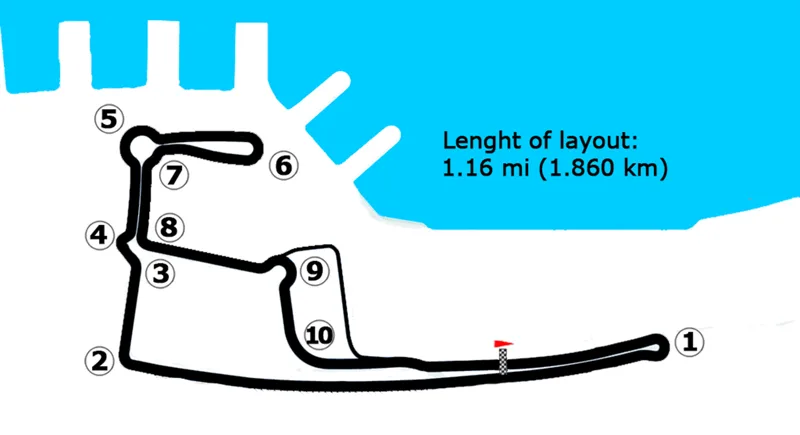
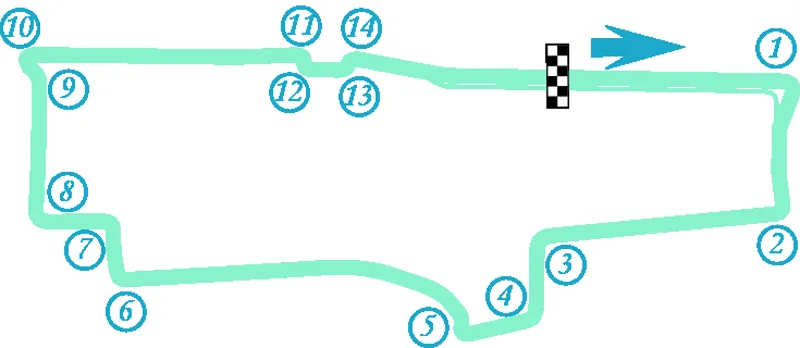
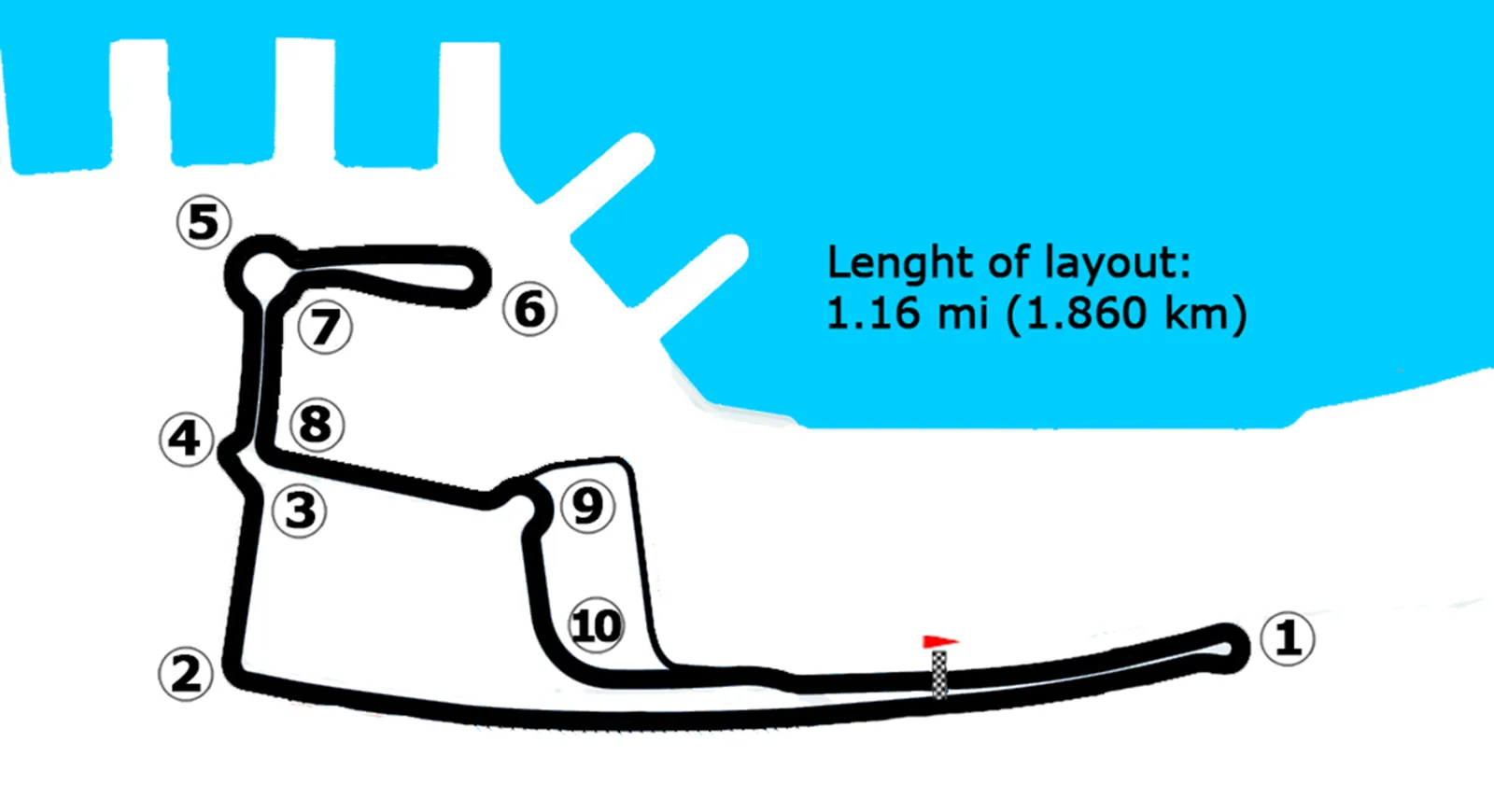
Formula E had announced the circuit on 21 September 2016. The track measured 1.947 km (1.210 mi), and organisers had expected anywhere from 18,000 to 40,000 spectators. It marked the first FIA-sanctioned open-wheel race held in the city, and the first motor race there since 1896.
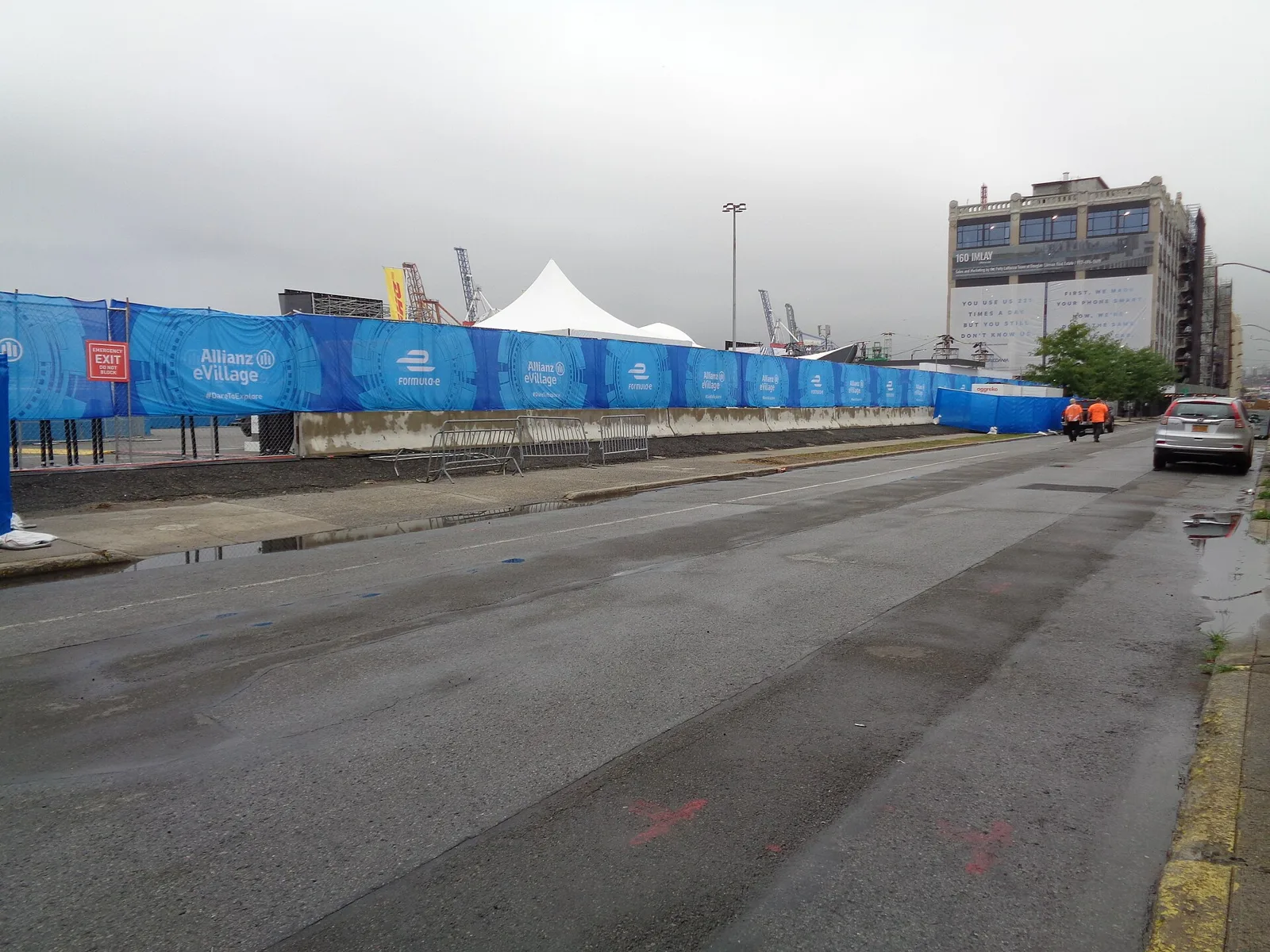
The event also made New York the third US city to host a Formula E race. Construction began on 2 July, 13 days before the first race, and the track was finished 11 days later. A multi-million-dollar renovation of the area was needed, and the terminal guardhouse in the middle of the track was rebuilt so it could be moved before and after each event.
Two races, two wins for Sam Bird and a street circuit in Red Hook that Formula E had never run before.
Why did the double-header clash with the 6 Hours of Nurburgring?
The New York races fell on the same weekend as the 2017 6 Hours of Nurburgring, a World Endurance Championship round. The dates could not move because of the venue and shipping schedules, and the clash was settled only by a later agreement to keep the two series apart from 2018. Scheduling pressure of this kind was a recurring problem for drivers who wanted to race in both championships, and the agreement was meant to make future calendars easier to plan.
The clash affected driver line-ups. Nico Prost and Nelson Piquet Jr., both also WEC drivers, confirmed their New York participation in February. Buemi, the championship leader, could not reach an agreement that would let him race in the first event, because Toyota required him at the Nurburgring. Pierre Gasly replaced him, and he was the driver who would hit the wall on the final lap of race two.
The title picture and the driver line-up
Buemi led the drivers' standings with 157 points going into New York, 32 ahead of Lucas di Grassi. Felix Rosenqvist was third on 86 points, and Prost was fourth on 72. e.Dams-Renault led the teams with 229 points, Audi were second on 171, and Virgin stood fourth on 97.
Sam Bird was paired at Virgin with Alex Lynn after Toyota required Jose Maria Lopez to prioritise the WEC. That line-up gave Virgin a strong pair for the weekend, and it set up a contest in which the two drivers could challenge at the front.
Who took pole for race one?
Alex Lynn took pole for race one with 1 minute, 3.296 seconds at his first race meeting. It was the first pole of his career, and the first time since Jean-Eric Vergne in 2014 that a driver had taken pole on debut. The result surprised much of the motorsport press. Daniel Abt was second on the grid, 0.003 seconds ahead of Vergne in third.
Bird started fourth after two errors at the hairpins, and Jerome d'Ambrosio was fifth. Lynn had been fastest in the first practice session at 1 minute, 5.977 seconds. Rosenqvist was quickest in the second session at 1 minute, 2.423 seconds, using 200 kW of power. The Friday shakedown ran on a wet track, the first such running in Formula E history.
Who won race one on 15 July?
Sam Bird won race one from fourth on the grid, finishing 1.3 seconds ahead of Jean-Eric Vergne. Stephane Sarrazin took third and Lucas di Grassi fourth. The win was Bird's fourth in the series, and it made him the first winner of a motor race in New York City. Every driver had to switch into a second car during a mandatory pit stop, so the race was as much about energy management as about speed.
Abt got the better start after Lynn spun his tyres, and he led through the first hairpin. He saved energy rather than building a lead, and Bird finally passed him for the lead on lap 16, after two failed attempts. Heidfeld passed Lynn for third on the same lap, and Vergne moved past Heidfeld for third on lap 18.
Maro Engel set the fastest lap of the race, 1 minute, 3.883 seconds, on lap 21. Lynn's race ended on lap 25 with a driveshaft failure. Rosenqvist locked his tyres on lap 33 and damaged his rear wing, and Heidfeld's suspension collapsed on the 37th lap, which brought out the safety car. The safety car came in once the field completed lap 41, and Abt slowed with a battery failure on the final lap.
Bird led twice during the race, 27 laps out of 43. The leading group spent much of the closing stint managing battery energy, which made the final laps tense. Vergne finished 1.3 seconds back, and Sarrazin claimed third. The FanBoost for race one had gone to Abt, di Grassi and Vergne, and it was the only extra power that changed hands in the front group.
How did Bird win race two?
Bird took pole and won race two, his second victory in New York, after retaking the lead from Rosenqvist on lap 11. Rosenqvist finished second and Heidfeld third. That made Bird the first driver to take both races of a double-header since Nico Prost in 2016.
The race began at 13:00 local time, with air at 28.6 to 29.5 degrees Celsius (83.5 to 85.1 degrees Fahrenheit). Rosenqvist led into the first hairpin, but Bird passed him at the turn six hairpin on lap 11 and then pulled away. Engel hit a barrier and made a repair stop.
A full-course yellow came out when Evans stopped near the pit entry. Abt set the race's fastest lap, 1 minute, 3.898 seconds, on lap seven. A second full-course yellow came on the 20th lap, when Lynn stopped on track, and Rosenqvist and Heidfeld pitted under it. Bird stayed out one extra lap for more energy, and his lead over both Mahindras grew to three seconds after the restart. Race two was six laps longer than race one, so battery management became the central concern for every driver.
Penalties followed quickly, and the stewards dealt with each incident on the day. Behind the leader the order stayed close, and at the flag Heidfeld was only just in front of Gasly, whose car had been damaged. Piquet took a drive-through for failing to serve an earlier penalty, and Felix da Costa took a drive-through for contact with Duval. Bird led 29 laps out of 49. On the last lap Gasly carried too much speed, and his car hit the wall, but Heidfeld stayed ahead and Rosenqvist finished second.
How did the standings change after the double-header?
After race two, Buemi still led the drivers' championship, but his advantage over di Grassi had been cut to ten points. Rosenqvist moved into third on 104 points, four ahead of Bird, and Virgin strengthened fourth place in the teams' table, and the margin at the top of the drivers' table was narrower than before the weekend. After race one, di Grassi's fourth-place finish had already cut Buemi's advantage sharply.
e.Dams-Renault increased their teams' lead to 65 points over Audi, and Mahindra held third on 182 points. Virgin finished the weekend 59 points clear of Techeetah with two rounds still to run. Di Grassi said his car lacked the pace to fight for victory in both races, but he hoped to improve over the final rounds.
With two rounds still to run, the title race was far from settled. Buemi's lead of ten points gave him a cushion, but Bird's double win showed how quickly a single weekend could move the standings. The teams' table was similarly open, with e.Dams-Renault ahead of Audi and Virgin pressing for a higher finish.
What did the weekend mean for Virgin and Mahindra?
The double-header was a useful result for both teams. Virgin consolidated fourth place in the teams' table, and finished well clear of Techeetah in the teams' standings. Their two drivers had shown strong pace in qualifying as well as in the races, and Bird's double win was the best possible return for the team.
Mahindra remained third on 182 points, and its drivers had gained useful points in both races. Rosenqvist's second place in race two came after a difficult first race, and the team's results kept it ahead of its rivals in the points hunt for the rest of the year.
Race results at a glance
| Race | Winner | Second | Third | Pole | Fastest lap |
|---|---|---|---|---|---|
| Race one, 15 July | Sam Bird, Virgin | Jean-Eric Vergne, Techeetah | Stephane Sarrazin, Techeetah | Alex Lynn, 1 minute, 3.296 seconds | Maro Engel, 1 minute, 3.883 seconds |
| Race two, 16 July | Sam Bird, Virgin | Felix Rosenqvist, Mahindra | Nick Heidfeld, Mahindra | Sam Bird, 1 minute, 2.285 seconds | Daniel Abt, 1 minute, 3.898 seconds |
How did the drivers react to the double-header?
Bird called the weekend incredible and thanked Formula E for staging the event, noting that the organisation had been demanding for everyone involved. He called his Virgin car the best he had driven in the series, and he suggested moving pole to the right-hand side if the series returned to New York. Rosenqvist said he was thrilled to be back on the podium, even after being overtaken by Bird early on.
Vergne was pleased with second place, although he felt his getaway from the grid had cost him positions and a clear line. Heidfeld said he had not touched Gasly on purpose on the final lap, and he regretted the way the race had ended for both of them. Gasly's crash was a reminder of how little room the street circuit gave drivers in the closing corners.