Lucas di Grassi took the first Paris ePrix from second on the grid, holding off Vergne and Buemi until a late crash on lap 40 brought out the safety car.
The 2016 Paris ePrix was a Formula E race held on 23 April 2016 at the Circuit des Invalides, the seventh round of the 2015-16 championship. Lucas di Grassi won from second on the grid, with Jean-Eric Vergne second and Sebastien Buemi third.
Lucas di Grassi won the first Paris ePrix on 23 April 2016, round seven of the 2015-16 Formula E campaign. He took the flag ahead of Jean-Eric Vergne and Sebastien Buemi, in a race that ended under the safety car after a crash by Ma Qinghua on lap 40.
Why did the 2016 Paris ePrix matter?
The race was the first ePrix held in Paris, staged in the Les Invalides complex close to the Musee de l'Armee and the tomb of Napoleon. It was also a round that reshaped the title fight, with di Grassi moving further clear of his rivals.
Organisers had expected about 20,000 people, and roughly that number watched the race. For Formula E it was a statement that its electric cars could draw large crowds into the heart of a European capital.
A cold Paris afternoon, a fan-boosted attack that failed, and a safety car that froze the order at the flag.
How had the championship looked before Paris?
Going into the round, di Grassi led the drivers' standings with 101 points, and Buemi was one point behind. Virgin's Sam Bird was third on 71 points, seven ahead of Jerome d'Ambrosio of Dragon in fourth. The gap between the top four was small enough for any result to matter.
Stephane Sarrazin of Venturi was fifth on 48 points. The team table had e.Dams-Renault on top on 138 points, with Audi Sport ABT six back. Dragon were third on 112 points, while Virgin on 77 and Mahindra on 61 were fourth and fifth.
Di Grassi had won the Long Beach ePrix three weeks earlier, which gave him momentum going into Paris. A second win in a row would give him the cushion to pull away from the chasing pack.
How were the teams and drivers arranged?
Nine teams entered two drivers each, making 18 drivers in all. There was one change before the race: Ma Qinghua, who had won races in the World Touring Car Championship and had tested Formula One machinery, took over from Salvador Duran in one of the Aguri cars for the rest of the season.
The stewards approved the change before the event. Ma said he was excited to compete in the series and to learn how to handle a Formula E car and manage its electrical energy.
Paris had a long history of plans that never reached the grid. In the 1980s, Jean Todt and Alain Prost were part of a group lobbying for a Formula One street race in the capital, but concerns about noise and damage to the local infrastructure stopped it.
How did the Paris circuit come together?
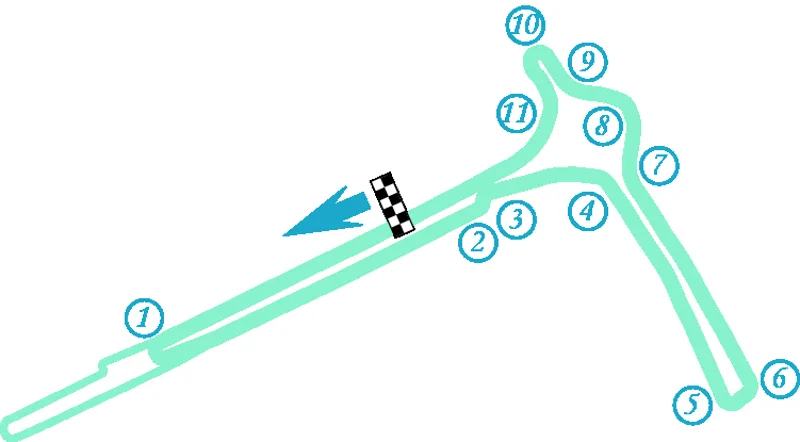
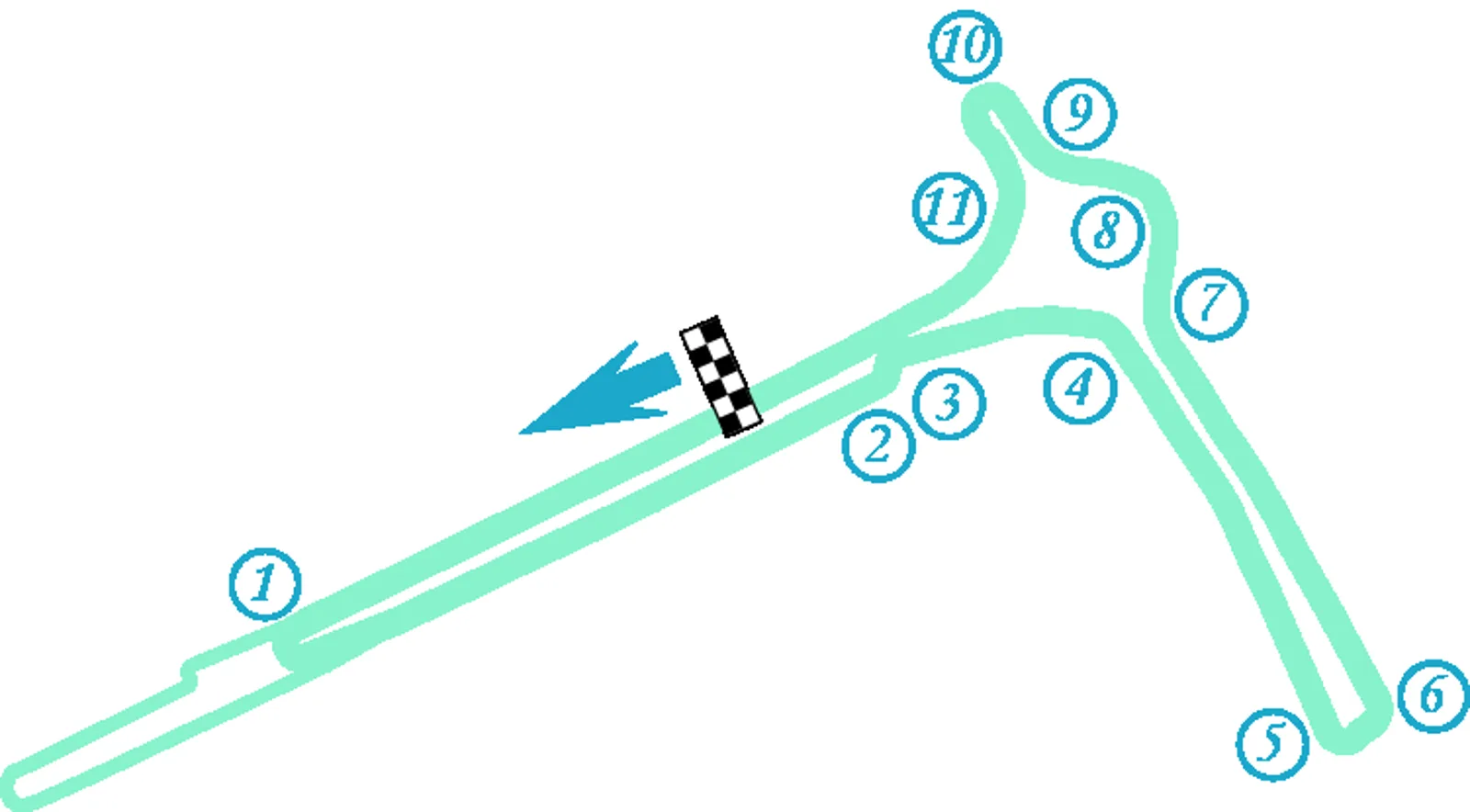
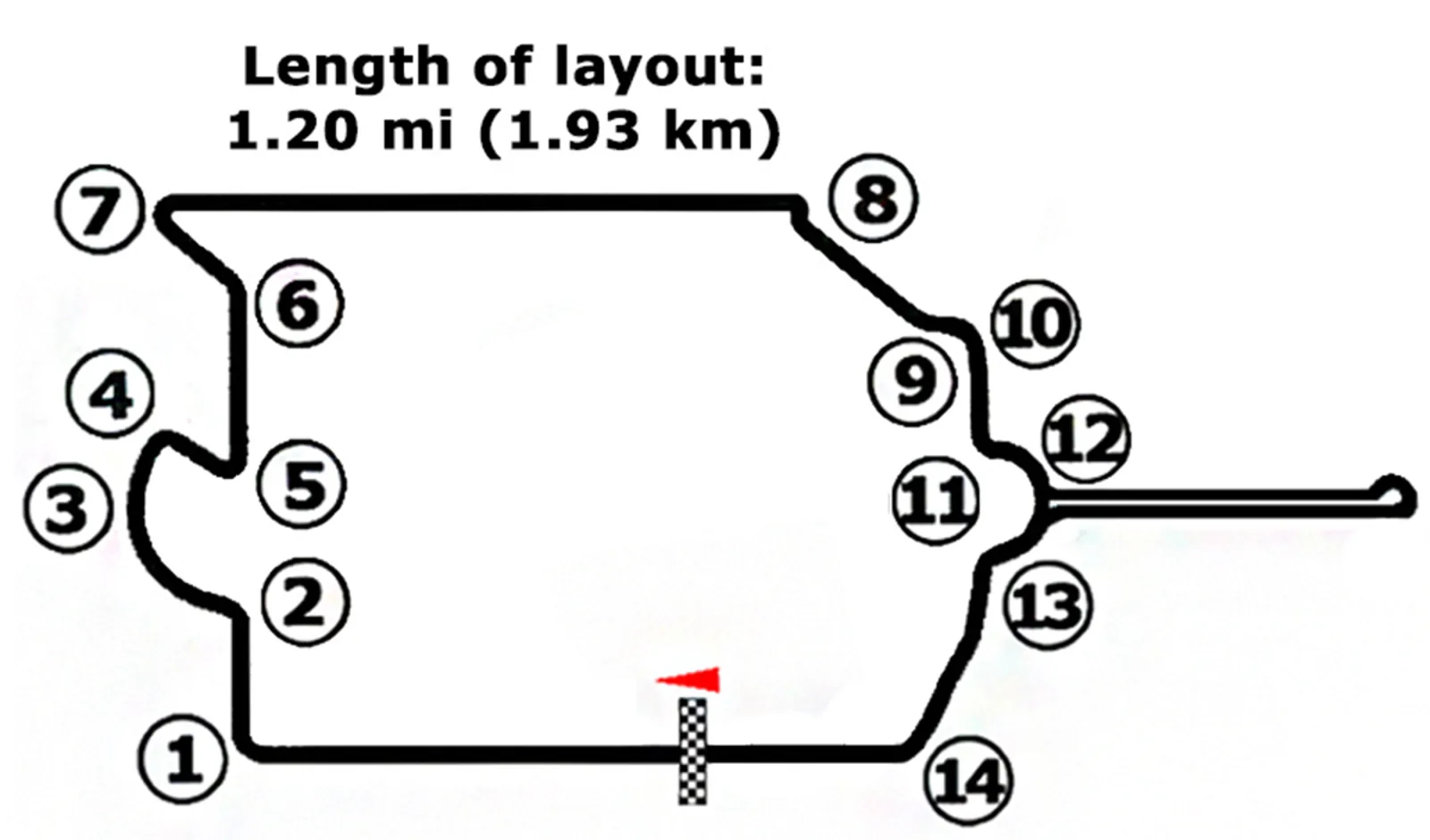
The 1.93 km (1.20 mi) circuit had 14 turns and ran clockwise around Les Invalides, skirting the army museum and Napoleon's tomb. Its layout was designed by Rodgrigo Nunes and unveiled at the Hotel de Ville on 13 January 2016.
The pit lane ran along the Esplanade des Invalides, north of the complex. Organisers had studied more than twenty possible areas before choosing Les Invalides, which sits in the seventh arrondissement and was judged the best suited to motor racing.
The Bois de Boulogne had last staged a street race in Paris, in 1951. The last major international single-seater race in France had been the 2008 French Grand Prix at Magny-Cours, which made the return of open-wheel racing to the capital a notable moment.
What happened in practice?
Practice took place on Saturday morning in two sessions of 45 and 30 minutes. Several drivers ran wide as they learned the layout. A Friday shakedown was cancelled because the roads were not closed until that evening, so the first real running came in cold, cloudy weather.
Buemi set the early pace at 1 minute, 2.841 seconds, using 200 kW (270 hp) on his fastest lap. Several drivers ran wide at turns one and eight, and the session was red-flagged halfway through when d'Ambrosio stopped in turn one with a battery management failure.
In the second session Conway set the weekend's fastest time at 1 minute, 1.386 seconds, with Vergne and Bird second and third. Sarrazin lost his car under braking for turn eight and damaged his front-left suspension, and Bird later hit the same barrier and damaged his left-rear suspension.
How did qualifying set the grid?
Qualifying ran for 60 minutes on Saturday afternoon, split into four groups of three or five cars. Each driver had two timed laps within six minutes of track time, and the fastest five went into a Super Pole shootout, where the quickest driver earned three points.
The cold air, 12 degrees Celsius (54 degrees Fahrenheit), made it hard to warm tyres and brakes. In the first group Heidfeld lost control of his car and struck the tyre barrier, then collided with Conway as he tried to rejoin, and both cars went back to the pits for repairs.
Bird set the fastest group lap at 1 minute, 1.514 seconds, a margin of more than a quarter of a second over Vergne. In Super Pole he secured pole with 1 minute, 1.616 seconds, his second successive pole and the third of his career. Di Grassi lined up alongside him on the front row after locking a brake and missing an apex on his lap.
Vergne started third, Sarrazin fourth and Prost fifth. Frijns, Turvey, Buemi and Piquet came next, and the back of the grid included Ma, Duval, Conway and Heidfeld.
How did the race start?
The race began at 16:04 Central European Summer Time in dry but cold conditions, with air temperatures between 11.4 and 12 degrees Celsius (52.5 and 53.6 degrees Fahrenheit). Bird spun his tyres at the start, and di Grassi took the lead on the approach to the first corner.
Fan Boost supplied an additional 100 kW (130 hp) for the second car, and fans voted for Buemi, Duval and Vergne to receive it. The track was between 17.25 and 17.75 degrees Celsius (63.05 and 63.95 degrees Fahrenheit).
Vergne got past his teammate down the inside at turn two, once the pair had touched wheels. Further back, Prost passed Sarrazin for fourth, while Frijns dropped from sixth to ninth.
How did the race unfold?
Di Grassi pulled away once the field settled, with Vergne and Bird battling behind him. Duval's gearbox failed on lap six, which brought a full course yellow period while marshals moved his car to safety, and racing resumed on lap eight.
Ma passed Conway on the second lap and then de Silvestro, moving up to fifteenth. Di Grassi's lead over Vergne, three and a half seconds before the yellow, was cut to one and a half seconds during the neutralised period.
Frijns caught Felix da Costa and lunged up the inside at turn six to take eighth. Buemi made his move on Turvey at turn eight on lap nine to take sixth, and Frijns later took seventh from Turvey on lap 10.
Felix da Costa braked later than Turvey for eighth at the end of the fifteenth lap, and Buemi passed Sarrazin for fifth on the following lap. On lap 18 Piquet slowed on the straight with a power problem and pitted early to switch into his second car.
Bird and Vergne ran close together through the first half. On lap 22 Bird went for a move on Vergne between turns three and four, and the two made contact, with damage to Bird's front wing and to Vergne's right sidepod. On the same lap Buemi passed Prost for fourth and closed on the leaders.
After the mandatory stops, di Grassi kept the lead and stretched it to six and a half seconds by the close of lap 26. Passing then became difficult for seven laps on the tight circuit.
From lap 33 the fight for third between Bird and Buemi gathered pace. Buemi set a run of fastest laps, but Bird used the wider parts of the track to defend, and Buemi's Fan Boost failed to get him past on the back straight during the thirty-fourth lap. Heidfeld posted the quickest lap of the race on lap 39, a time of 1 minute, 2.323 seconds.
On lap 40 Bird moved to block Buemi on the inside, but his car oversteered, he locked his rear brakes over a bump at turn one, and he ran wide. He recovered with a U-turn but dropped to sixth, and Buemi inherited third.
Di Grassi looked set for a comfortable win, and Buemi was closing on Vergne for second, when Ma lost the back end at the exit of the final corner and hit the left-hand wall. Ma escaped unhurt, yet the marshals could not remove his car and debris in time, so the safety car came out and ended the race.
Who finished where?
Because overtaking is not allowed behind the safety car, the order was fixed at the moment it came out. Di Grassi's second straight win was also his third of the year and his fourth in total, and the full finishing order is set out below.
| Finish | Driver | Team | Note |
|---|---|---|---|
| 1st | Lucas di Grassi | Audi Sport ABT | Won from second on the grid |
| 2nd | Jean-Eric Vergne | Virgin | First podium of the season |
| 3rd | Sebastien Buemi | e.Dams-Renault | Took third after Bird's lap 40 error |
| 4th | Nico Prost | e.Dams-Renault | Passed Sarrazin for fourth and held it |
| 5th | Stephane Sarrazin | Venturi | Fifth despite an earlier crash in practice |
| 6th | Sam Bird | Virgin | Dropped from third after the lap 40 move |
| 7th | Robin Frijns | Andretti | Fell to ninth early, then recovered to seventh |
| 8th | Antonio Felix da Costa | Aguri | Eighth after a battle with Frijns |
| 9th-10th | Bruno Senna and Daniel Abt | Mahindra and Audi Sport ABT | Used their electrical energy to round out the top ten |
| 11th | Jerome d'Ambrosio | Dragon | Ahead of Heidfeld, Piquet and Turvey |
Heidfeld, Piquet and Turvey finished behind d'Ambrosio, and the classification closed with Conway and de Silvestro.
What did the result do to the championship?
Di Grassi's win extended his lead over Buemi to 11 points. Bird's sixth place kept him third on 82 points, while d'Ambrosio stayed fourth on 64 points, although his gap to fifth-placed Sarrazin shrank to six points. The title fight was wide open, with three rounds still to run.
In the Teams' Championship e.Dams-Renault increased its advantage over Audi Sport ABT by only one point, and Virgin cut its gap to Dragon in third to six points. Mahindra kept fifth place on 65 points, with three rounds left in the season.
What did the drivers say afterwards?
Di Grassi praised the start and the crowds, and he hoped the series would race in more cities like Paris. He kept his mirrors checked to stop Bird from retaking the lead, and he said the reception from the people around the circuit had been remarkable.
Vergne said he had never felt fully comfortable with the car, and he called the season a disaster so far. He was still proud to finish second in his home race, and he said the team had helped him a lot.
Bird criticised Vergne in the battle for second, calling him a mobile chicane and saying he was not massively quicker. Virgin's team principal admitted he had considered team orders to let Bird past, but chose not to because it was Vergne's home race.
Buemi said cold air had stopped his brakes reaching temperature, and he felt his car was quickest overall, even if it was slower over one lap. Once everything was up to speed, he said, the car would be competitive.