Dario Franchitti won his first championship by 13 points after Scott Dixon ran out of fuel on the last lap at Chicagoland, closing a season of crashes, a new name for the series and the first renewable-fuel season.
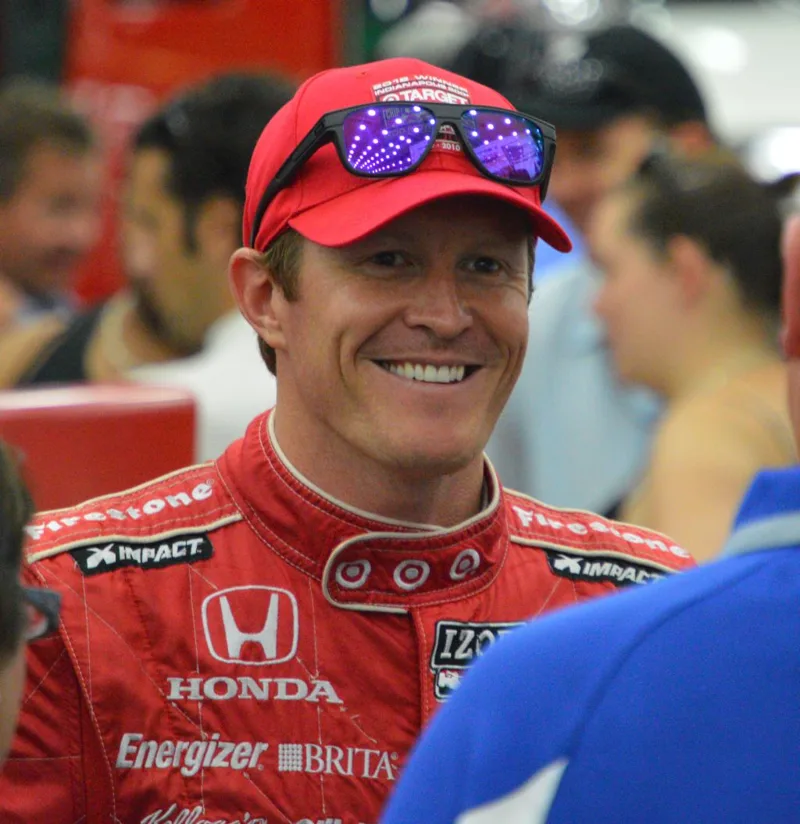
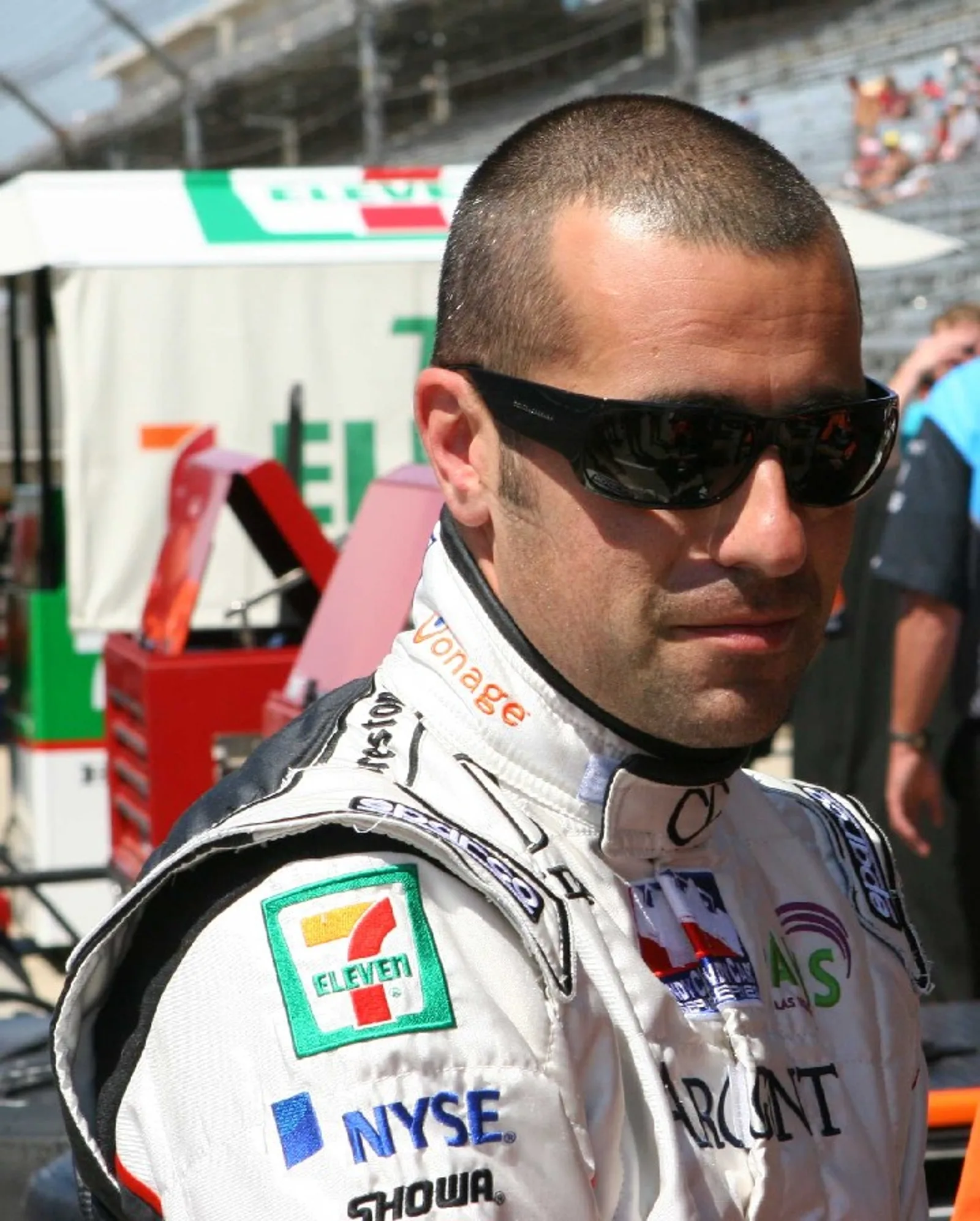
Dario Franchitti won the 2007 IndyCar championship for Andretti Green Racing, finishing 13 points ahead of Scott Dixon after Dixon ran out of fuel on the last lap at Chicagoland. Franchitti also won the 91st Indianapolis 500 in a season that switched the whole field to ethanol.
The 2007 IndyCar Series was the 12th year of the series and the 96th national open-wheel championship, run alongside the rival Champ Car World Series. Dario Franchitti won the Drivers' Championship on the final lap at Chicagoland, while Andretti Green Racing took the Entrants' title and Dallara the chassis title.
It was a season of new names, new circuits and a new fuel. The series dropped the IRL moniker, added three venues and ran every car on 100% ethanol for the first time, making it the first series in motorsports to run a renewable fuel. Franchitti's title came after a mid-season slump, a crash with his main rival and a late charge that depended on fuel, not outright pace.
What changed for the 2007 season?
The schedule was the biggest visible change. Iowa Speedway, a short oval whose design involved the former NASCAR driver Rusty Wallace, joined the calendar, as did the Mid-Ohio Sports Car Course and the Raceway at Belle Isle Park. Mid-Ohio had last hosted an American open-wheel car race in 2003, and Belle Isle had been on the Champ Car calendar in 2001. Roger Penske led the effort to bring the Detroit race back to Belle Isle, where it was modified to give drivers more passing opportunities.
Several other races moved. Homestead and Kentucky became night events, Kansas Speedway was moved to 29 April as the last race before the Indianapolis 500 because of the humidity that had affected its July date, and Watkins Glen moved to 8 July. Michigan International Speedway was pushed back to 5 August to make room for Mid-Ohio, and Texas was lengthened from 200 to 228 laps. The Firestone Indy 400 at Michigan turned out to be the final IndyCar race there, ending a partnership that dated back to the track's opening in 1968.
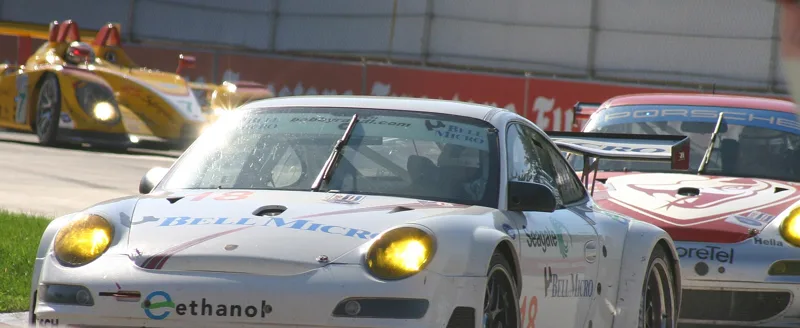
The technical rules changed as well. Every car used a 100% ethanol blend, a step up from the 90% methanol and 10% ethanol mix of the year before. To offset ethanol's better fuel mileage, the fuel cells shrank to 22 U.S. gal (83 L) from a previous 30 U.S. gal (110 L), and the engine displacement returned to 3.5 litres, which gave longer engine life and more low-range torque on short ovals and road courses.
Franchitti's first title was decided by a fuel-saving finale, not by outright speed, after a season of crashes and close calls.
Which teams and drivers changed for 2007?
The off-season was full of movement. Fernandez Racing was forced to lay off twenty-seven employees after both its drivers left, with Scott Sharp joining Rahal Letterman Racing and Kosuke Matsuura moving to Panther Racing. Vitor Meira, Matsuura's former teammate, signed a two-year extension with Panther. Bryan Herta left the series for Andretti Green Racing's ALMS program, and Danica Patrick, the 2005 Rookie of the Year, took his seat.
Darren Manning returned to the series with A. J. Foyt Enterprises, with Larry Foyt, son of the team owner, appointed team director. Vision Racing grew to three full-time cars, with A. J. Foyt IV in the third seat. Davey Hamilton made a long-awaited comeback with Vision after foot injuries sustained in a 2001 crash at Texas, and Hideki Mutoh made his IndyCar debut at the Chicagoland finale.
The mid-season changes were more unusual. Milka Duno drove ten races for SAMAX Motorsport beginning at Kansas, after a crash in testing at Nashville kept her out of two events, and she was later placed on probation and barred from the Meijer Indy 300 by IRL chief steward Brian Barnhart. Several teams also fielded one-off entries for the Indianapolis 500, including Al Unser Jr. in a No. 50 car for A. J. Foyt Racing, and Michael Andretti, who came out of retirement for the race.
How did the early rounds unfold?
The season opened at Homestead-Miami Speedway, making the IndyCar Series the first open-wheel series to open its season with a night race. Dan Wheldon took pole and held off Sam Hornish Jr., winning for the third year running at Homestead. Dixon finished second, giving Chip Ganassi Racing a one-two result. Andretti Green Racing had a poor night, with Danica Patrick crashing at the pit entry and Marco Andretti retiring after handling problems.
St. Petersburg followed. Helio Castroneves started from pole and only lost the lead when he and others pitted under caution, but he was knocked out of line by Wheldon at the restart, which drew criticism from Wheldon's owner Chip Ganassi. Castroneves took his second straight victory there, six-tenths of a second ahead of Dixon, while Matsuura's post-race language brought a fine from the IRL.
The Indy Japan 300 at Motegi was the only race held outside the United States that year. Wheldon led a race-high 126 laps, but Tony Kanaan saved enough fuel to take a smaller load on his last stop and won by four-tenths of a second, his first victory since July 2005. Kansas followed, where Wheldon led 177 of 200 laps to win, becoming the seventh different winner in as many races at the track. It was also the first major open-wheel race to feature three female drivers, with Patrick, Sarah Fisher and Milka Duno all on the grid.
How did the 91st Indianapolis 500 play out?
Castroneves took pole at 363.417 km/h (225.817 mph), but a refuelling malfunction in his second pit stop sent him to 29th, and Kanaan traded the lead with him several times. Andretti Green Racing soon became the dominant team, with four of its five cars inside the top five when rain stopped the race for nearly three hours. Franchitti took the lead on the 155th lap after a pit strategy that was out of sequence with the front-runners.
Rain returned and the race was called after 166 of the scheduled 200 laps, with Franchitti declared the winner. Andretti Green Racing won its 25th race, passing Team Penske's 24 victories to become the winningest team in the series' history. Marco Andretti rolled after contact with Wheldon but escaped injury, and Dixon's runner-up finish gave him the championship lead with 184 points.
| Race | Winner | Notable detail |
|---|---|---|
| Homestead | Dan Wheldon | Night race, third straight win there |
| St. Petersburg | Helio Castroneves | Second straight win |
| Motegi | Tony Kanaan | First win since July 2005 |
| Kansas | Dan Wheldon | Led 177 of 200 laps |
| Indianapolis 500 | Dario Franchitti | Race called after 166 laps |
| Milwaukee | Tony Kanaan | Second consecutive win there |
| Texas | Sam Hornish Jr. | Won by seven-hundredths of a second |
| Iowa | Dario Franchitti | Extended lead to 51 points |
| Richmond | Dario Franchitti | Led 241 of 250 laps |
| Watkins Glen | Scott Dixon | Third straight win there |
| Nashville | Scott Dixon | First repeat winner of the race |
| Mid-Ohio | Scott Dixon | Won on his 27th birthday |
| Michigan | Tony Kanaan | Third win of the season |
| Kentucky | Tony Kanaan | Led 139 laps from pole |
| Infineon | Scott Dixon | Won by five-tenths of a second |
| Detroit | Tony Kanaan | Ended early on the two-hour limit |
| Chicagoland | Dario Franchitti | Won the title by 13 points |
How did the summer rounds shape the points race?
Milwaukee was a Kanaan race. Castroneves took pole and led 126 laps, but his rear wing snapped on lap 201 and sent him into the wall. Kanaan won from the front, and Franchitti took second to move ahead in the standings. The race also produced a confrontation between Patrick and Wheldon after Wheldon sent her spinning on lap 89, although the IRL decided not to penalise her.
Texas produced an unusual finish. Sam Hornish Jr. led after Foyt IV's tyre failure caused a multi-car crash, and he held off Kanaan by seven-hundredths of a second. It was Hornish's first win of the year and the first time a driver had won three races at Texas. At Iowa, Franchitti passed Meira for the lead with a quick stop, then held off Andretti to win. That made Franchitti the most successful Honda driver in American open-wheel racing, and it extended his lead to 51 points over Kanaan.
Richmond was Franchitti again. Qualifying was rained out, and he inherited pole. He led a series-record 241 of the 250 laps and then pulled away after using lapped cars to hold off the Ganassi drivers. The win made it his third of the season and pushed his lead over Dixon to 65 points.
The Watkins Glen race was Dixon's, with his third straight win there. A post-race fight between Hornish and Kanaan, which included Hornish's father shoving Kanaan, led to $25,000 fines for Team Penske and Andretti Green Racing and a one-race pit road ban for the elder Hornish. At Nashville, Dixon became the first repeat winner of the Firestone Indy 200, and his two straight wins at Watkins Glen and Nashville cut Franchitti's title lead by 31 points with six races left.
What happened in the late-season rounds?
Mid-Ohio was Dixon's third straight win, matching a record set by Kenny Brack in 1998 and Wheldon in 2005. Dixon won on his 27th birthday, after starting sixth and vaulting into second in a first-lap crash that flipped Andretti. Franchitti finished more than two seconds behind him. Michigan was Kanaan's third win of the season and the last IndyCar race at the track, bringing a partnership that had lasted since 1968 to an end.
Kentucky was another Kanaan race. He started from pole and led 139 laps, cutting Franchitti's lead from 81 to 52 points. Franchitti lost four positions after battling Dixon, and he damaged his front wing hitting a pylon. Dixon's second-place finish reeled him back to within eight points of Franchitti. At Infineon, Dixon won the Motorola Indy 300 by five-tenths of a second over Castroneves, the closest road or street course finish in series history.
Detroit was a chaotic race that ended early because of a two-hour, ten-minute limit. Castroneves took his seventh pole of the season there, breaking the single-season record of six. A late crash between Castroneves and Scheckter brought out a caution, and Kanaan stayed out to lead when the race was called. Franchitti finished sixth to take back the championship lead, after a dispute between the Andretti and Ganassi teams.
How was the title decided at Chicagoland?
Franchitti went into the finale three points ahead of Dixon and 39 points ahead of Kanaan, with 53 points available. Franchitti won the pole but fell behind the Penske drivers and Dixon for much of the race. When Meira crashed into the turn-four SAFER barrier on the 137th lap, the repair caution allowed Franchitti and Dixon to top off their fuel, which put them on a different strategy from the rest of the field.
Dixon led until a caution on lap 194 set up a two-lap finish, and Franchitti pulled alongside him for the final restart. Dixon, who had the inside line, ran out of fuel as he approached turn three on the last lap, and Franchitti slipped past to win the race and the title by 13 points. Hornish finished third in what proved to be his final IndyCar race before moving to NASCAR.
What were the final standings?
Franchitti finished the season with 637 points, the most in a single IndyCar season until Dixon scored 646 in 2008. Two days after the finale he received a $1 million check and a mini trophy. Andretti Green Racing became the first team to win three Entrants' Championships, and Dallara won the Chassis Manufacturers' Championship.
Points were awarded in the usual way, with three bonus points for the driver who led the most laps. The chassis title used a different system, with 10 points for the highest-finishing chassis and 7 for the second. Hunter-Reay won Rookie of the Year by finishing highest of the rookies despite starting only six races, and Patrick was voted Most Popular Driver for the third straight year.
Why does the 2007 season matter?
The 2007 season was the first of many changes that defined the modern IndyCar era. The ethanol switch made the series the first in motorsports to run a renewable fuel, and the new venues brought open-wheel racing back to places that had been missing from the calendar for years. Franchitti's title showed the value of consistency, and his late charge showed how much fuel management could decide a finale.
The season also set up the next chapter. Hornish left for NASCAR, and the balance between the big teams shifted. Franchitti's success came with Andretti Green Racing, which took the Entrants' title that year.