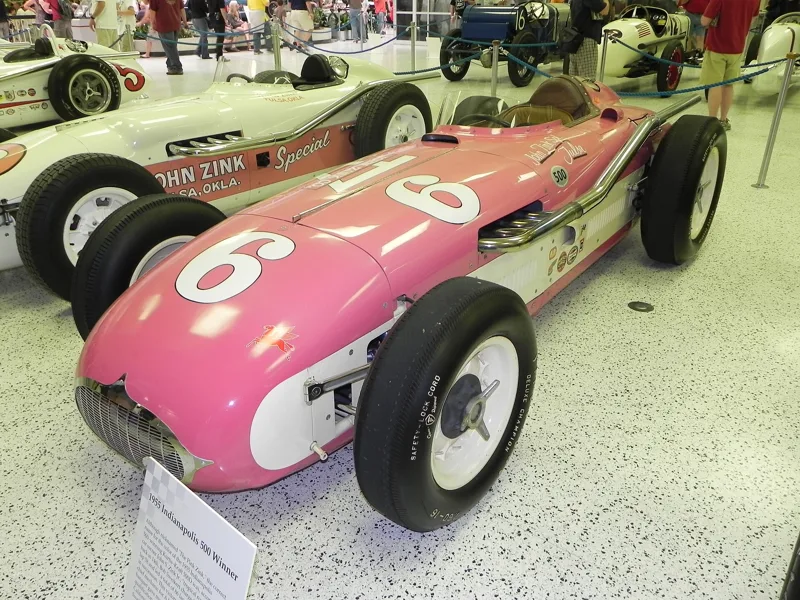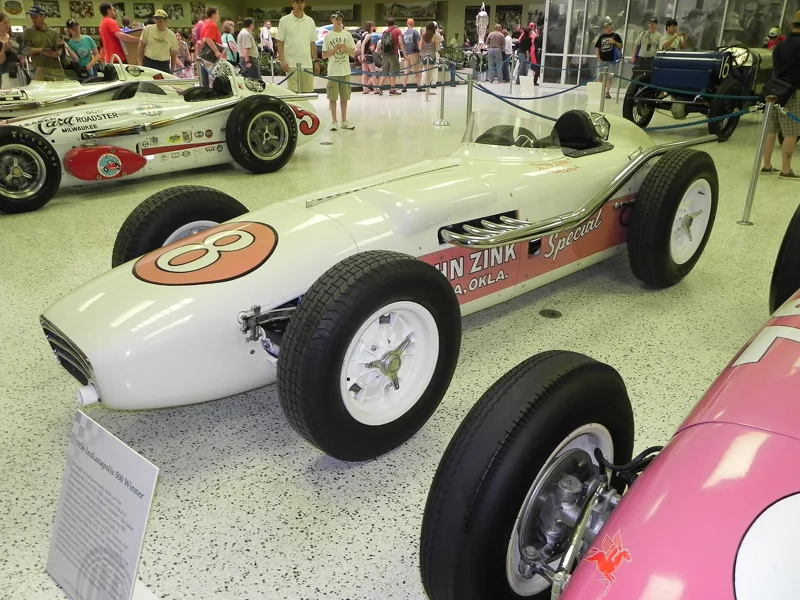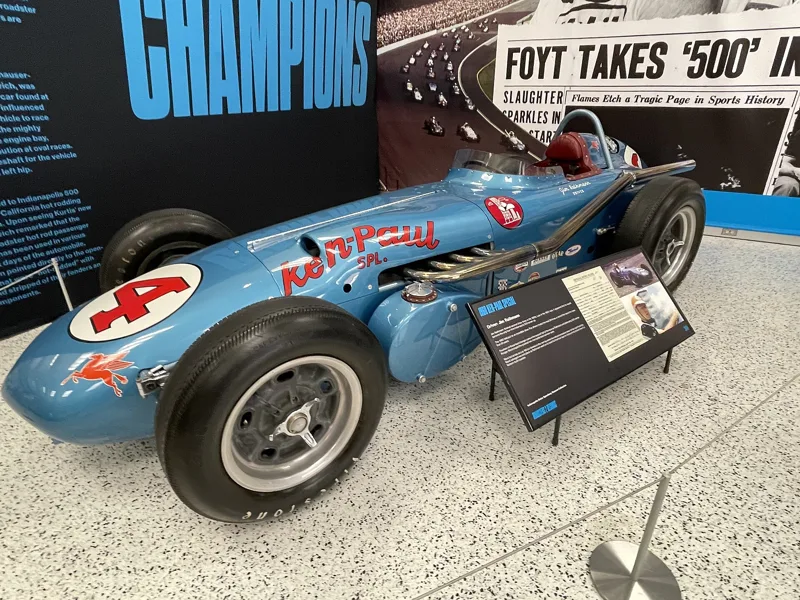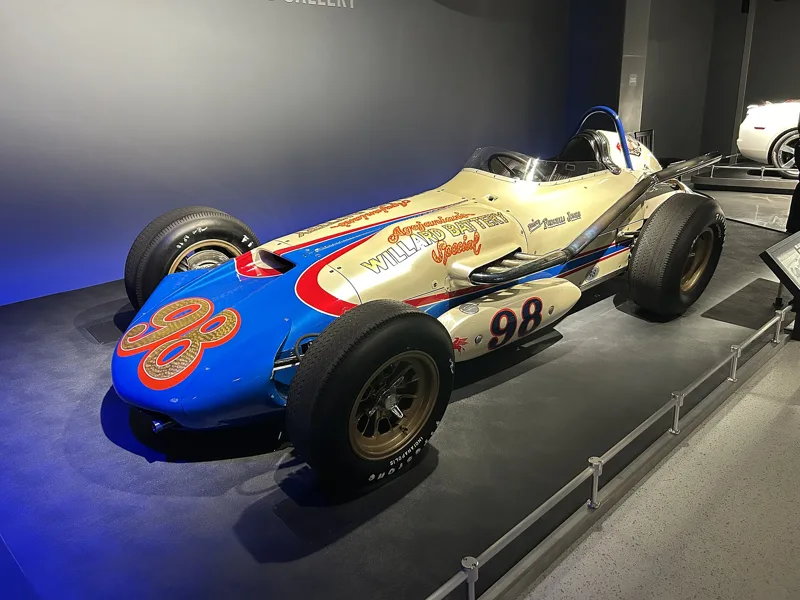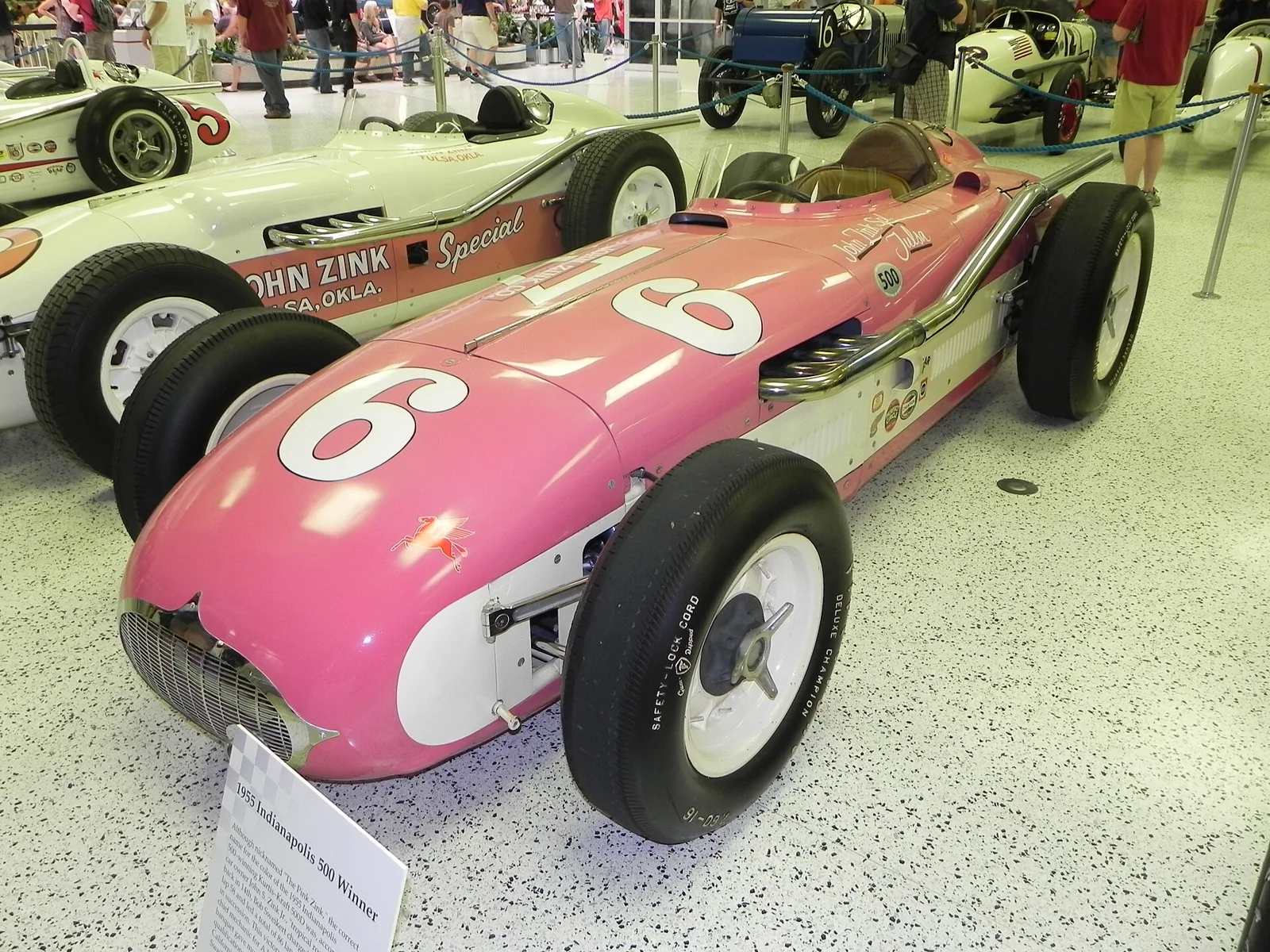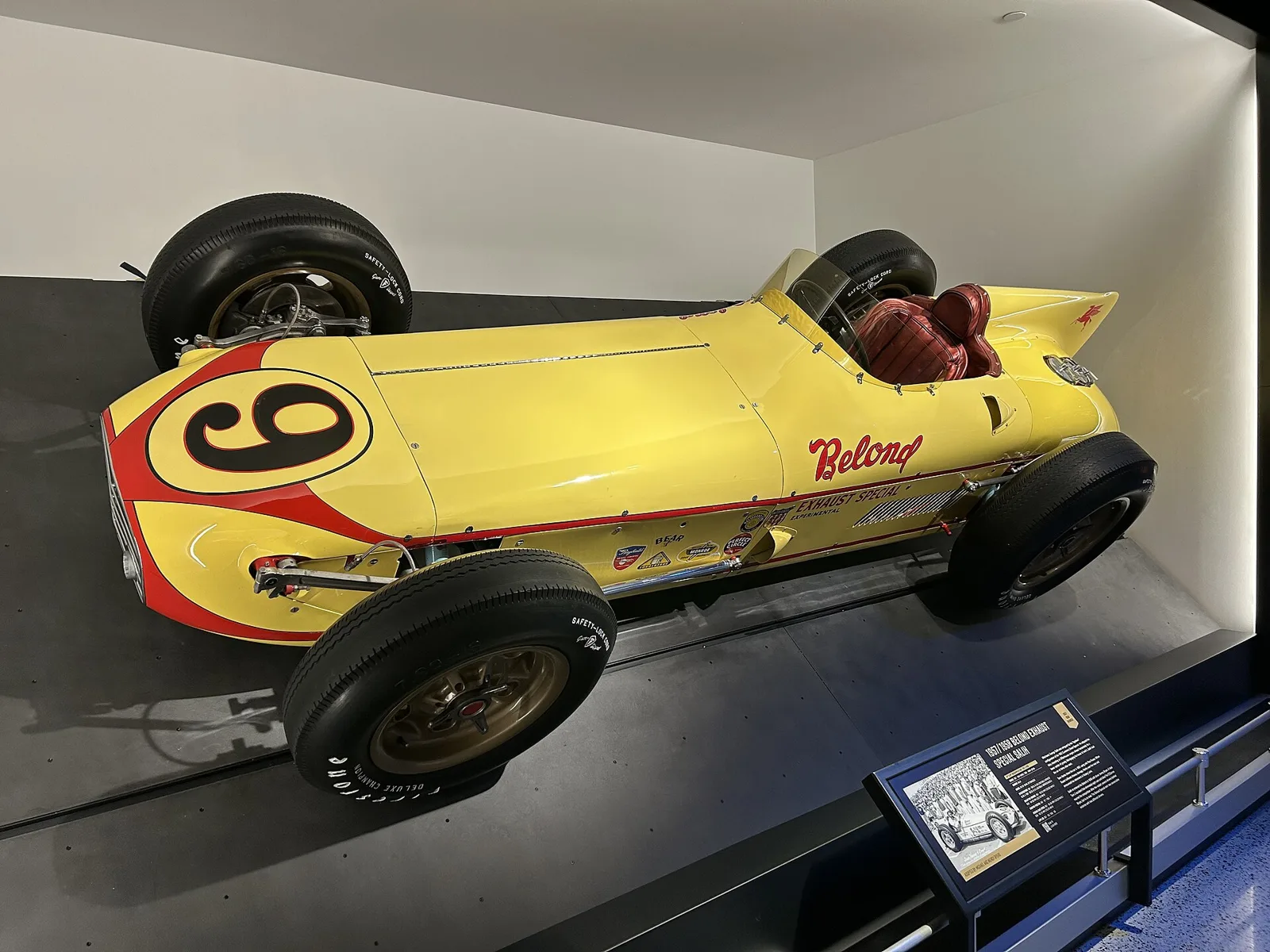
A fifteen-car crash on the opening lap killed the popular Pat O'Connor, and Jimmy Bryan went on to win in the car Sam Hanks had driven the year before.
Jimmy Bryan won the 1958 Indianapolis 500 after a first-lap crash that killed Pat O'Connor. He drove the car Sam Hanks had used to win in 1957, led the final 75 laps and finished ahead of George Amick. The race was run on a Friday in May, and Bryan's win came after a long battle with Johnny Boyd.
Jimmy Bryan won the 1958 Indianapolis 500 in a car that Sam Hanks had driven to victory the year before. The race is remembered for a fifteen-car pile-up on the first lap that killed the popular driver Pat O'Connor. Bryan's win came after a long duel with Johnny Boyd and a late charge from the rookie George Amick.
Who won the 1958 Indianapolis 500?
Jimmy Bryan won the 42nd International 500-Mile Sweepstakes on Friday, 30 May 1958, in the car that Sam Hanks had used to win in 1957. It was the first time one car had carried two drivers to separate wins in back-to-back years. Bryan led the final 75 laps, 139 in total.
Bryan's win was built on his crew's speed in the pits. They made three stops in 1 minute 31 seconds, and that gave him the margin he needed over Johnny Boyd for much of the second half.
Boyd lost the lead during a pit stop on lap 126. With 25 laps to go he was about a second behind Bryan, with George Amick a lap down in third and running between them. Boyd slowed on lap 177 with a worn right rear tyre, which handed second place to Amick.
A fifteen-car pile-up on the first lap cast a shadow over the whole race.
What happened on the first lap?
On the opening lap a fifteen-car pile-up began when Ed Elisian spun and took Dick Rathmann into the outside wall in turn three. Jimmy Reece braked, and O'Connor ran into the back of him. O'Connor's car was launched about fifty feet, landed upside down and caught fire.
The field lined up in single file in the pit lane again that year, the second season running that the grid was arranged this way. The cars were supposed to fan out into eleven rows of three once on the track, yet the front row drove off without the pace car.
The start itself had been messy. The front-row cars pulled away from the pace car by mistake, and the chief starter Bill Vanderwater waved off the start with a yellow flag. An extra pace lap was run, and the front row took its position once more before the green flag.
Rathmann got the jump into turn one, followed by Elisian and Reece. Elisian's spin in turn three sent Rathmann into the outside wall, and the cars behind had no room to avoid the wreckage.
Jerry Unser made contact with Paul Goldsmith, went over the outside wall and dislocated a shoulder. Four of the first five starters were out of the race after the crash, including the polesitter Rathmann, who was later placed 27th.
Medical officials said that O'Connor was probably killed instantly by a fractured skull. The yellow light stayed on for 25 minutes, about 18 laps, while the wreckage was cleared away.
O'Connor was on the cover of Sports Illustrated the week before the race. His death is now treated as an early example of the magazine's so-called cover jinx.
Why did Juan Manuel Fangio withdraw from qualifying?
Fangio, the 46-year-old five-time Formula One champion, arrived at Indianapolis hoping to qualify and earn points toward the 1958 world championship. He practised early in the month, then withdrew when he judged that neither of the cars available to him could win. Those cars were filled by other drivers, who qualified them on the last row, which backed up his judgement.
Fangio had set pole and fastest lap in the first Formula One race of the 1958 season, then he was kidnapped in Cuba. He missed the Monaco and Dutch Grands Prix, which he had already won in earlier years.
He soon retired from Formula One, as his Maserati team had fallen behind Ferrari and the new British challengers.
How was the grid set?
Time trials were scheduled over four days. On the first Saturday, Ed Elisian posted a one-lap track record of 146.508 mph and held the top spot, with a four-lap average of 145.926 mph.
Later that day Dick Rathmann qualified at 145.974 mph to take the pole. He could not beat Elisian's single-lap record, but his four-lap average beat Elisian's by a mere 0.08 seconds.
How did the race unfold after the crash?
The race restarted after a long cleanup, and the green flag came out around lap 19. Bryan, Eddie Sachs, Tony Bettenhausen and the rookie George Amick traded the lead, and there were 14 lead changes in the first half. A second caution came on lap 38 when Chuck Weyant crashed in turn four.
Sachs and Bettenhausen had come through the first-lap crash unscathed and ran second and third behind Bryan. Eddie Sachs, an early contender, dropped out on lap 68 with transmission trouble. A. J. Foyt, a rookie, later spun on an oil slick in turn one, blew all four tyres and finished 16th. Foyt later became the first four-time winner of the race.
As news of O'Connor's death spread around the track, the mood in the stands became sombre. Some spectators left the grounds on hearing of the fatality and never returned.
What changed after the 1958 race?
The single-file start down the pit lane was abandoned after two years. For 1959, metal roll bars welded behind the driver's head were mandated, and helmets had to pass safety certification by Speedway medical officials.
Ed Elisian was widely blamed for the crash and was suspended by USAC, though the suspension was lifted a few days later. Many in the racing community shunned him in the meantime.
Results and class placings
| Position | Driver | Note |
|---|---|---|
| 1 | Jimmy Bryan | Won in the car Sam Hanks had driven in 1957 |
| 2 | George Amick | Rookie, a lap down, promoted to second after Boyd's stop |
| 16th | A. J. Foyt | Rookie, spun on an oil slick and blew four tyres |
| 27th | Dick Rathmann | Polesitter, out in the first-lap pile-up |
The fastest lead lap went to Tony Bettenhausen at 1:02.370, a speed of 144.300 mph. George Amick's only Indianapolis start came in this race, and he was later killed in the 1959 USAC 100-mile race at Daytona.
How did the race fit the World Championship?
The race was round four of eleven on the 1958 world championship, but few of the regular Grand Prix drivers showed interest. It came only four days after the Dutch Grand Prix, an awkward fit for the Grand Prix calendar.
Indianapolis had been part of the world championship from 1950 to 1960, although its machines were not built to Formula One rules. The drivers also earned points towards the national championship. Bryan picked up 8 points toward the world title and finished 13th in the final standings.
The AAA had sanctioned the race until 1955, and the United States Auto Club took over in 1956. Each of the drivers who competed at Indianapolis from 1950 to 1960 was credited with participation in the world championship.
The Speedway's general manager, Pop Meyers, had lobbied for the Indianapolis 500 to be the race that represented the United States and paid points towards the championship.
Every entrant ran Firestone tyres. The official box score marks former winners and Indianapolis rookies, and the rookies in this race included both A. J. Foyt and George Amick.
How was the race broadcast?
The IMS Radio Network carried the race live, and Sid Collins called the action. The network reached 302 affiliates covering all 48 states, along with the Armed Forces Network and Voice of America.
Lou Palmer made his debut on the network from turn three, a spot the crew had assumed would be quiet. His first words on the air described the opening-lap pile-up and O'Connor's fatal accident. In 2019 the complete 1958 broadcast became a paid digital download from the Speedway website.
Among the guests in the broadcast booth was Pete DePaolo. The 1958 race was the last to use a 15-minute pre-race segment, and the following year the pre-race was expanded to 30 minutes.