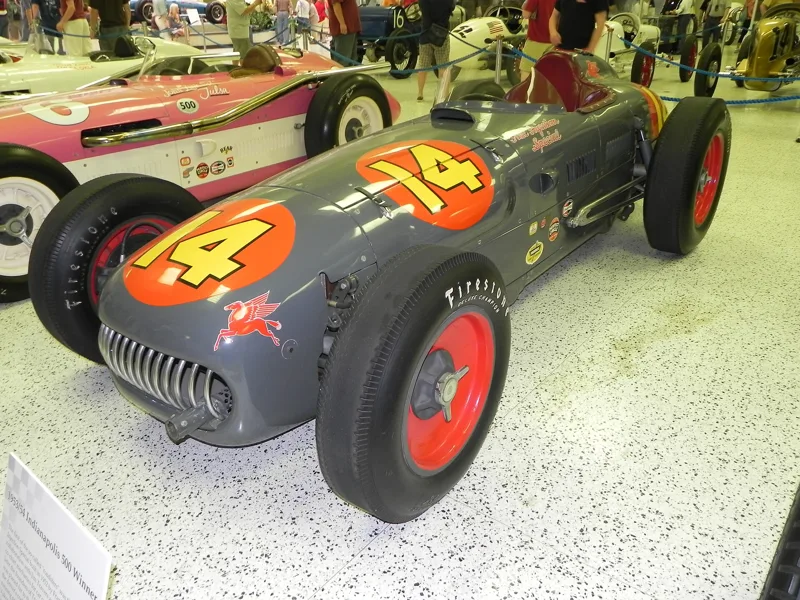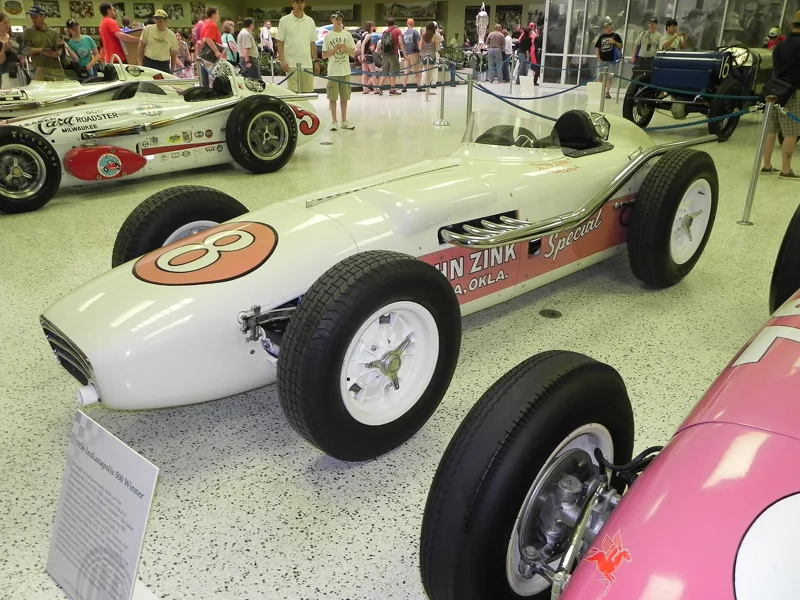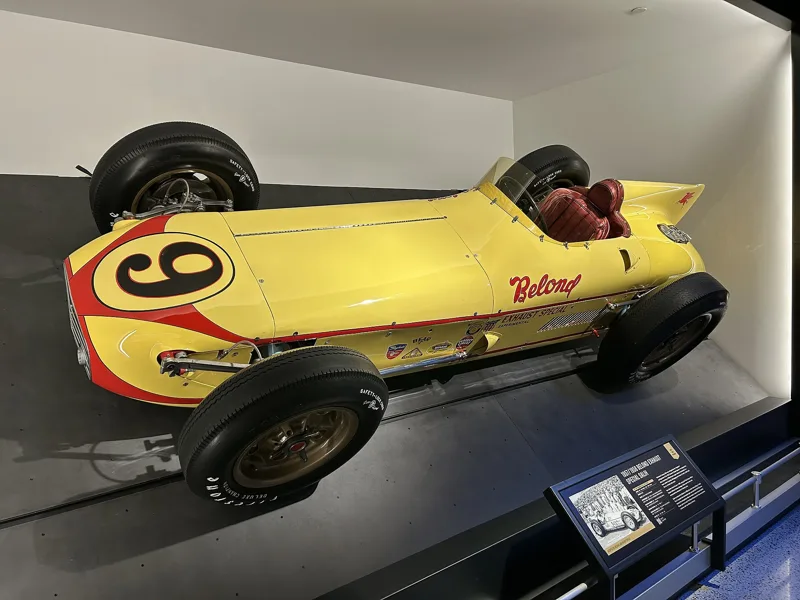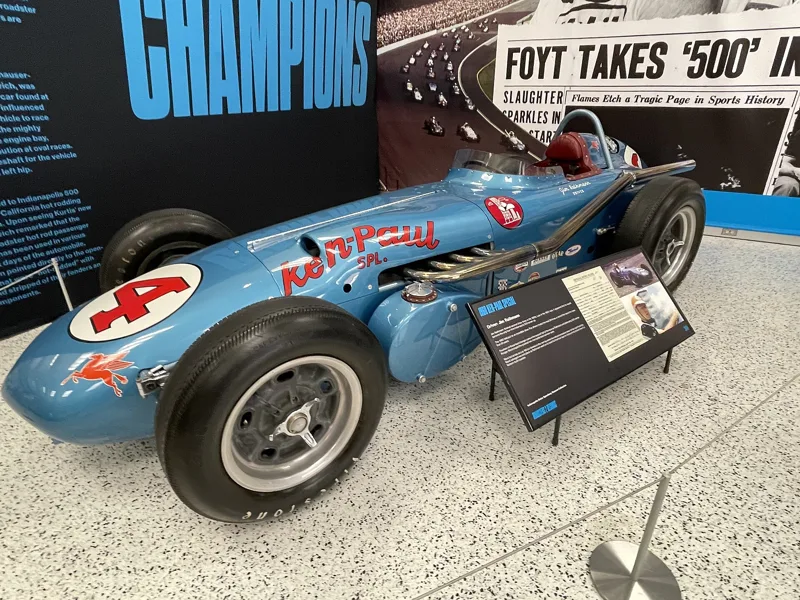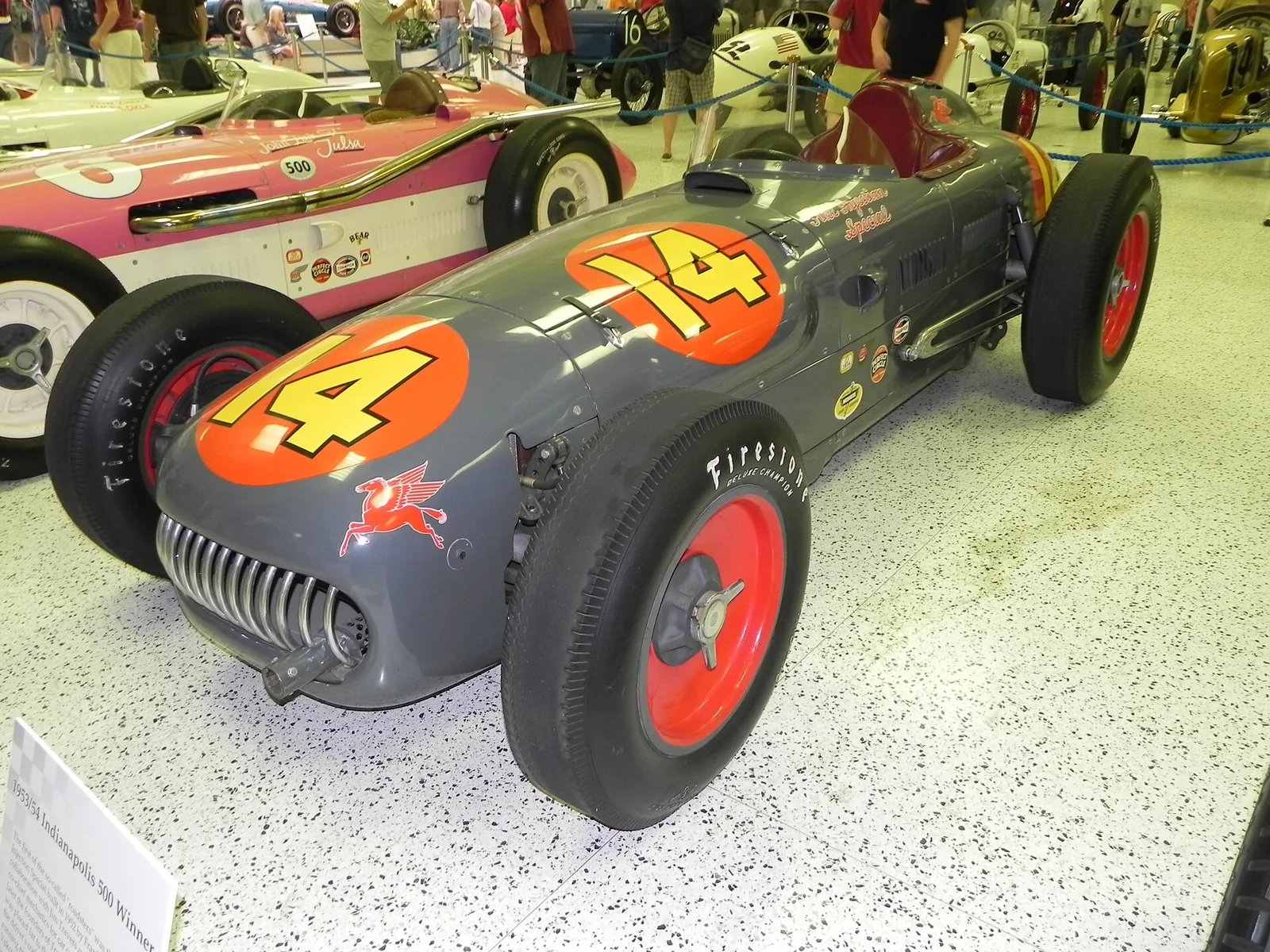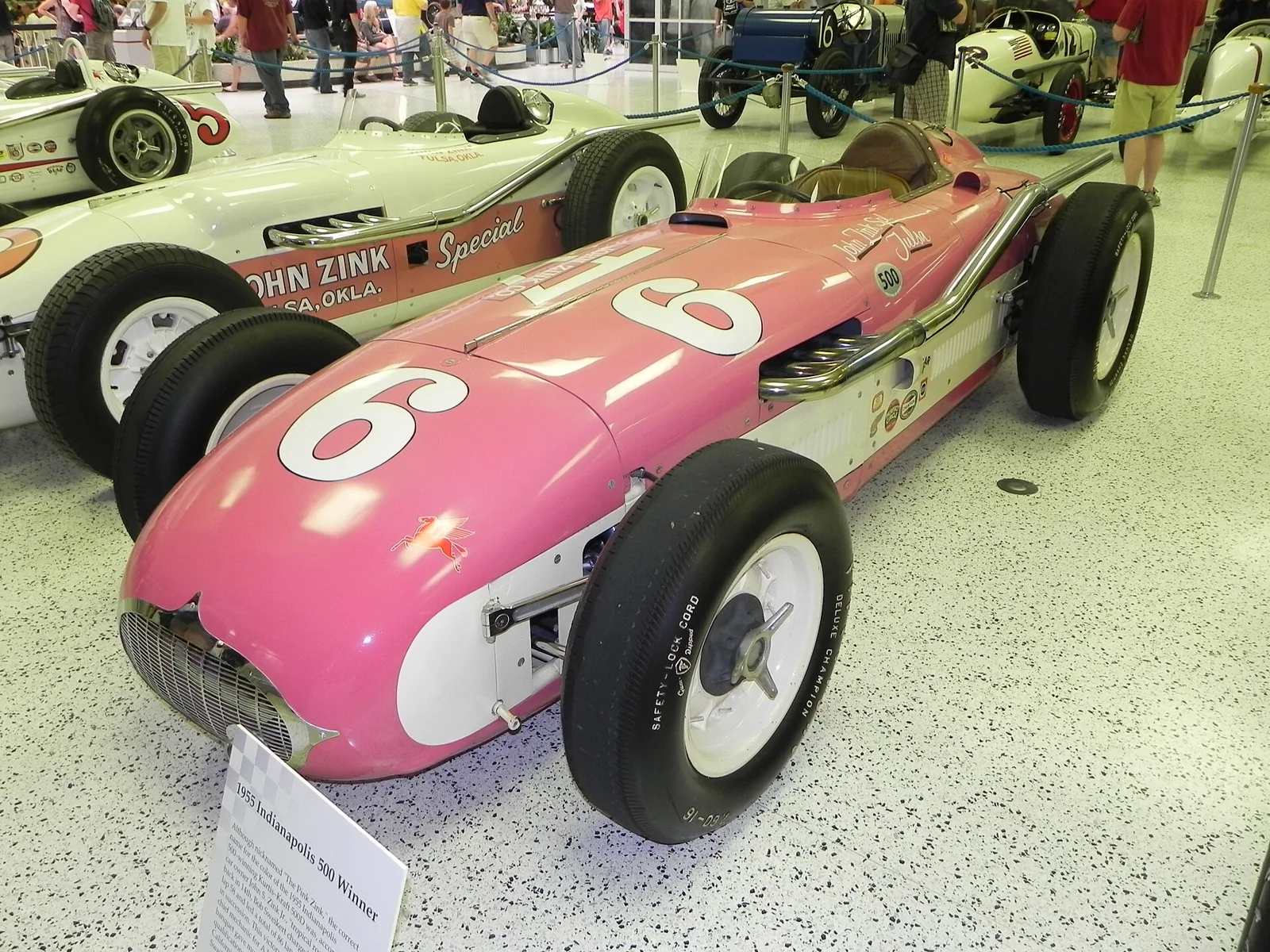
Vukovich was chasing a third straight win when his car crashed on lap 56, and Sweikert went on to lead the rest of a windy race.
Sweikert inherited the 1955 race after Vukovich died on lap 56 while in front. He led from lap 160 to the flag and finished seventh in the final world championship standings. The race was round one of the AAA trail, and Sweikert's win came in a windy race.
Bob Sweikert won the 1955 Indianapolis 500 after Bill Vukovich was killed in a crash on lap 56 while leading. Vukovich was chasing a third consecutive win at the time. Sweikert took the lead for the rest of the race, in a year when he also won the national championship and the Midwest sprint car title.
Who won the 1955 Indianapolis 500?
Bob Sweikert won the 39th International 500-Mile Sweepstakes on Monday, 30 May 1955. The race was round one of eleven on the AAA National Championship Trail, and round three of seven in the world championship. Sweikert led from lap 160 to the flag, after the leaders ahead of him had retired.
Sweikert had an extraordinary season. He also took the national title and the Midwest sprint car crown, and he was the only driver in history to sweep all three titles in a single season.
He took advantage of other drivers' difficulties rather than setting the pace.
Sweikert took the lead for the rest of the race after the crash that ended Vukovich's streak.
Why was Bill Vukovich's crash so significant?
Vukovich was seeking an unprecedented third consecutive win at Indianapolis. He had led the most laps in the race for three straight years, and the streak was never equalled. His death ended that run on lap 56.
Vukovich's car was running in the lead when the accident occurred, and he had a considerable advantage over the field.
How did the crash on lap 56 happen?
Vukovich, holding a considerable lead, ran into a three-car pile-up involving Al Keller, Johnny Boyd and Rodger Ward. Ward, several laps down, flipped over twice on the track, either because of the wind, an oil problem or a broken axle. He landed on his wheels, but the car was facing the wrong way.
Al Keller, trying to avoid Ward, turned to the inside and went close to the grass before cutting back sharply to the right. He came back onto the track and made contact with Johnny Boyd. Boyd's car then struck Vukovich, who was trying to go left of Ward.
At the last moment Vukovich tried to dodge Boyd by moving right, but Boyd's car drove him into the outside barrier. The front of his car lifted over the barrier, and the car cartwheeled into several vehicles parked outside the track, and possibly a pole. It burst into flames when it came to rest.
Vukovich died from his injuries. Boyd's car also flipped, but Boyd and the other drivers escaped major injury. Ed Elisian pulled up on the infield and sprinted across the track to try to reach Vukovich.
How was the grid set?
Pole Day, 14 May, was windy and threatened rain. Nearly all the competitors stayed off the track, after agreeing among themselves to sit out the afternoon and qualify together on the Sunday.
Jerry Hoyt, who had not been told of the agreement, suddenly put his car in line and made a run nobody expected. At 140.045 mph the run was modest, but it was the fastest of the day and gave him the pole. Tony Bettenhausen followed, qualifying second after two fast laps.
Hoyt's pole speed proved to be only the eighth-fastest in the field once the rest of the cars had run on the Sunday. Sam Hanks and Pat O'Connor readied their cars that Pole Day but neither completed an attempt, and only two cars were in the field when it closed. Len Duncan was the first alternate. It was a record for the slowest pole speed ranked in that way.
On Sunday, 15 May, most of the drivers who had stayed away took to the track. Jack McGrath was the fastest qualifier at 142.580 mph, and he lined up third. Manny Ayulo crashed near the end of the day, possibly because of a steering fault, and died the following day.
On 21 May Paul Russo, trying to qualify the number 18 Novi for Troy Ruttman, broke its gearbox. It was the last appearance of a front-drive car at Indianapolis.
What happened at the start?
Jack McGrath started from the outside of the front row, even though he had set the fastest qualifying time. He grabbed the initial lead, but Vukovich challenged him at once. Vukovich took the lead on lap four, handed it back to McGrath on lap 15, and regained it on lap 16.
Fred Agabashian spun on lap 39 and was out. McGrath stayed on Vukovich's tail until lap 54, when mechanical trouble forced him to stop. He tried to repair the car himself, but he was forced out with a magneto fault.
Vukovich had a considerable lead at the time of his crash on lap 56. Rodger Ward had been several laps down when his accident began the chain of events.
Who led the rest of the race?
After 27 minutes under caution, Jimmy Bryan took over the lead. He was forced to retire after ninety laps with a fuel pump problem, and the lead passed to Bob Sweikert.
Art Cross led from lap 133 to 156 before handing over to Don Freeland, and mechanical trouble ended Cross's race on lap 168. Sweikert also passed Freeland on lap 160, and Freeland retired on lap 178. From there Sweikert was in front until the flag.
Sweikert said the winds made racing difficult, and that they may have encouraged a cautious approach. He raced carefully and took advantage of other drivers' difficulties.
What was the aftermath of the 1955 race?
The two deaths in the 500 were part of a deadly year for motor racing. Four other Indianapolis drivers died in other races that year, and Alberto Ascari was killed testing a sports car at Monza. The Le Mans disaster that summer killed nearly 100 people, including Pierre Levegh.
The American Automobile Association stopped sanctioning auto races, including the Indianapolis 500, after the year. The United States Auto Club was formed to take over the sanctioning and officiating of the race.
Fire suits were not made mandatory for all drivers, and roll bars for all cars, until 1959, when Jerry Unser was killed at the Indianapolis 500 that year.
What do the lap records show?
| Measure | Holder | Figure |
|---|---|---|
| Pole position | Jerry Hoyt | 1:04.27 at 140.045 mph |
| Fastest lead lap | Bill Vukovich | 1:03.67 |
| Race winner | Bob Sweikert | Led from lap 160 |
| Fatal crash | Bill Vukovich | Lap 56 |
Who shared the cars in 1955?
Tony Bettenhausen and Paul Russo shared car number 10, with Bettenhausen driving 123 laps and Russo 77. They shared the six points for second place. Russo had failed to qualify his own machine, so the two men arranged to share the car on race day.
Walt Faulkner drove 176 laps of car number 77, with Bill Homeier taking the other 24. The pair shared two points for fifth place.
Every entrant used Firestone tyres. Several rookies made their Formula One championship debut at the race, among them Keith Andrews, Johnny Boyd, Ray Crawford, Al Herman, Al Keller and Chuck Weyant.
How was the race broadcast?
The IMS Radio Network carried the race live, with Sid Collins as chief announcer. The broadcast reached 237 affiliates in all 48 states, along with the Armed Forces Radio. It was dedicated to Wilbur Shaw, who had died in a plane crash the previous October.
For a third season Luke Walton covered the north pits, and Charlie Brockman conducted the winner's interview in victory lane. The broadcast was notable because it reported the fatal crash of Bill Vukovich.
How did the race fit the world championship?
The 1955 race was round three of seven on the world championship. Sweikert earned 8 points towards the title, and he finished seventh in the final season standings despite not competing in any other championship event.
Indianapolis had been part of the world championship since 1950. The machines were not run to Formula One specifications, and the drivers earned separate points towards the national championship.