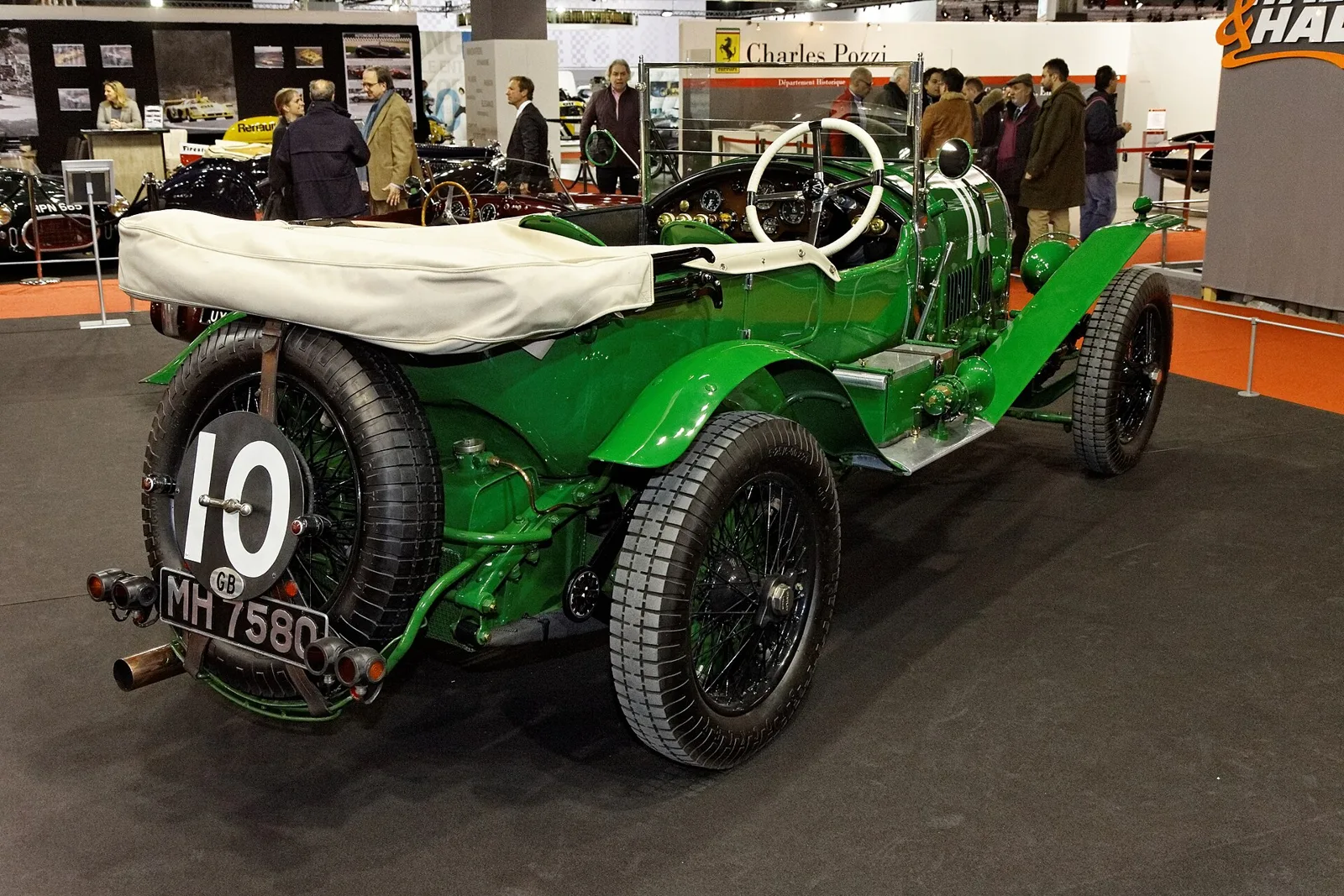
Hot weather, dust and a wheel that would not come off gave Bentley a narrow win, while only 12 of 41 starters finished.
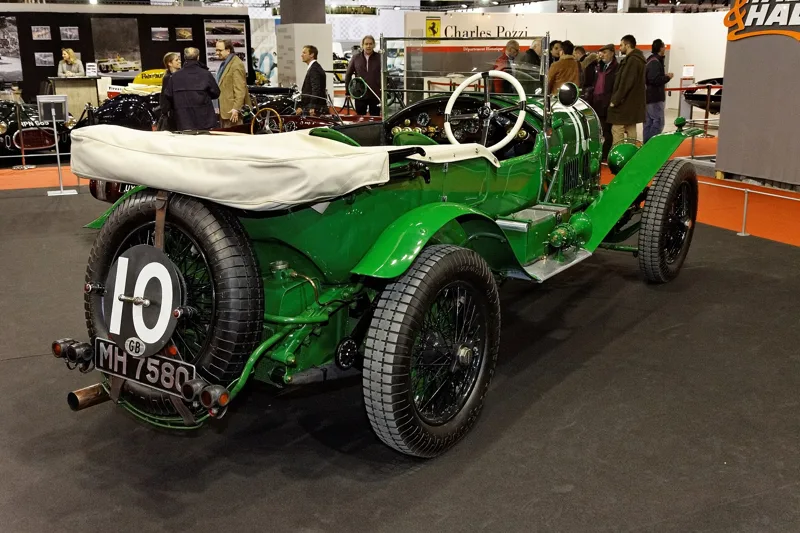
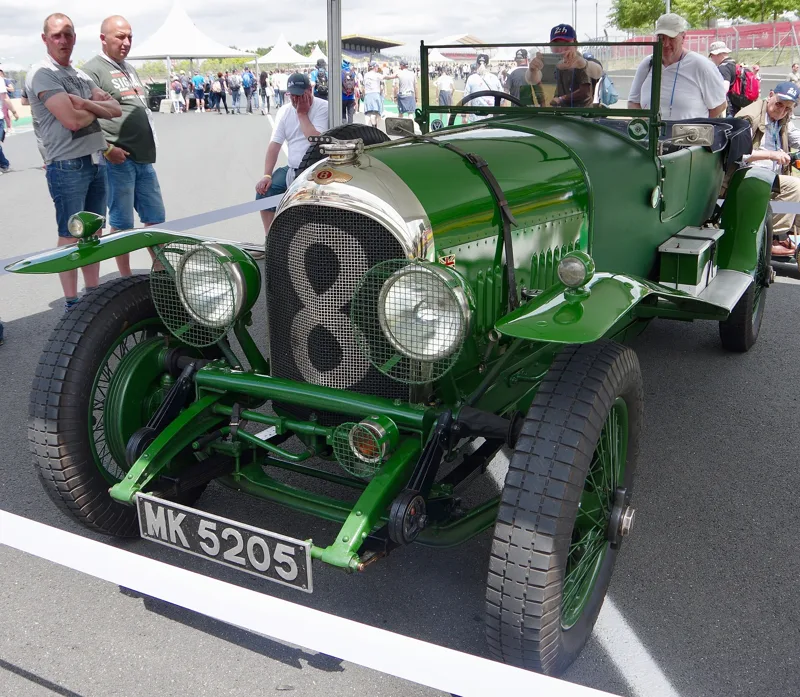
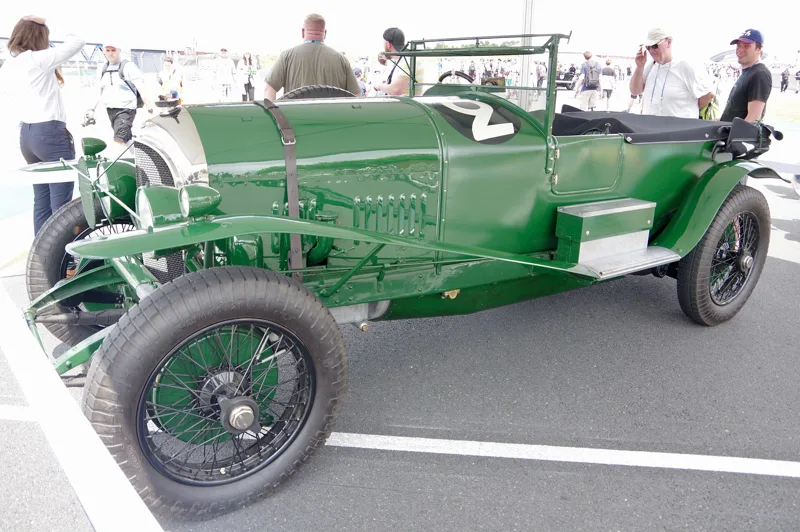
Bentley won the 1924 race with John Duff at the wheel, finishing one lap ahead of the Lorraine-Dietrich team. Only 12 of the 41 starters completed the event, which was held on 14 and 15 June and doubled as the first race of the Biennial Cup.
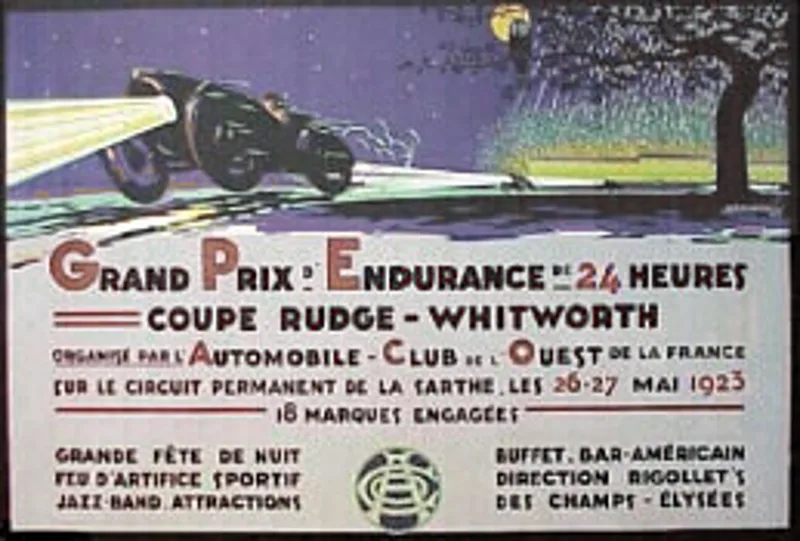
Bentley won the 1924 24 Hours of Le Mans by a single lap, after a wheel that would not come off cost it half an hour. The race ran on 14 and 15 June 1924 as the second Grand Prix of Endurance and the first round of the new Biennial Cup. Only 12 of the 41 starters reached the finish.
What rules changed for the 1924 race?
The rules were tightened on several fronts. Windscreens, running boards and seats were restricted to stop makers saving weight, and a spare wheel became compulsory. Convertibles had to come in after five laps and raise their hoods, while headlights had to work between 8.30pm and 4am.
Convertibles faced the most change. They had to run for at least two laps with the roof up before officials inspected it, and failing that check meant disqualification. Manufacturers also had to show written evidence of 30 production examples, and protective headgear became compulsory for drivers.
Fuel and distance rules tightened too. A car now had to run at least 20 laps before it could stop for fuel, water or oil, and the driver alone carried out the work. Target distances were lifted significantly, especially for the smaller engines.
A wheel that would not come off, a race won by one lap and only 12 cars left at the finish.
How did the course change for 1924?
The roads were treated with a temporary mix of gravel, dirt and tar in spring, and a third layer went down on the Hunaudieres straight. The organisers also added a dance floor, a boxing arena and a chapel for spectators. The first campsite was also set aside for overnight stays.
Cafes and a jazz band were already part of the scene, and the new additions gave visitors more reasons to stay on site through the long weekend.
What did the 1924 race change for the Cups?
The Triennial format was judged unworkable because too many cars qualified the year before. Coquille, the Rudge-Whitworth representative, still wanted a multi-year contest, so a Biennial Cup was started as a compromise. Teams had to nominate their Triennial cars, while every entry could contest the Biennial.
The existing trophy stayed active but was not renewed. Only the cars nominated for the Triennial could win it, while the Biennial was open to every car that entered.
The start and the early laps
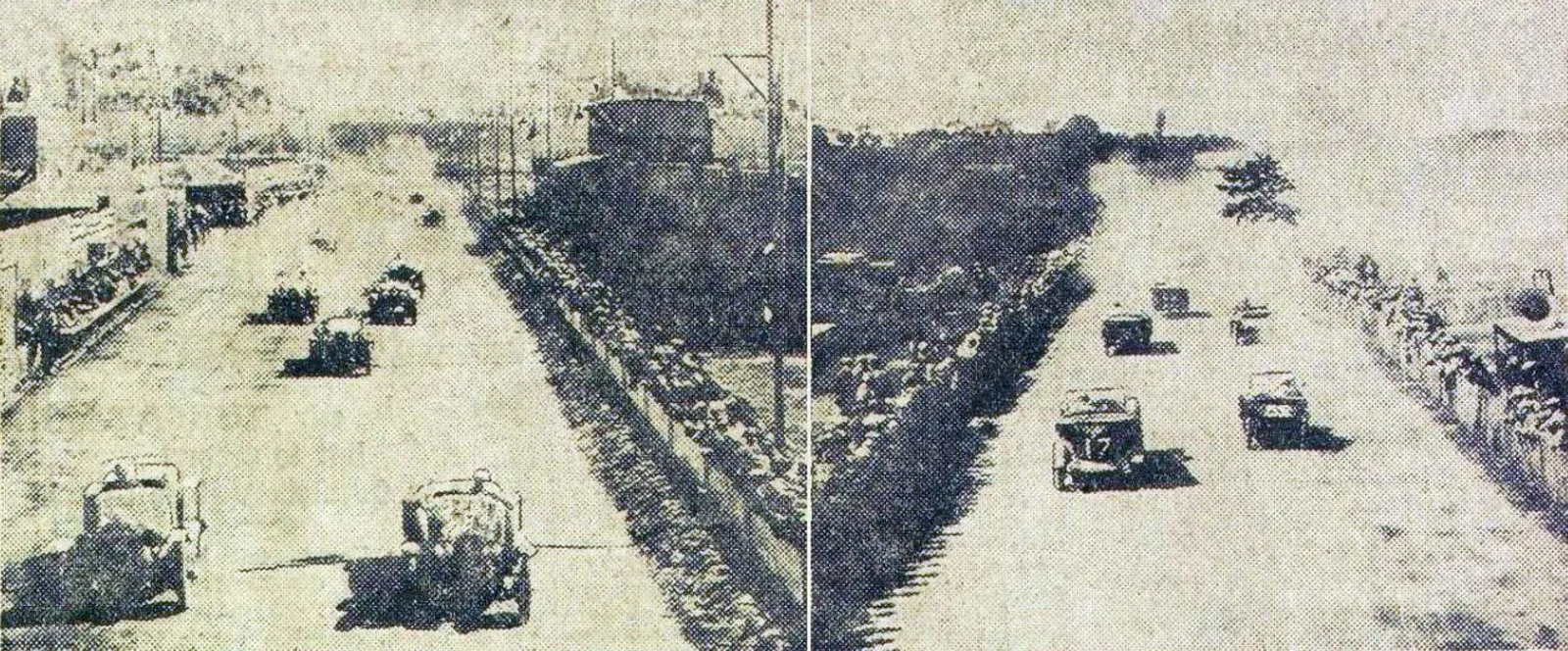
The cars were lined up two by two on the front straight with their engines off. Photographs show them in numerical order, although the Autocar review of the time said the order matched the sequence in which entries had reached the ACO.
Emile Coquille was the official starter, and Charles Montier was the last car away because his Ford special was temperamental to start.
Race week had been dry and warm, and the dust that rose from the road became the issue of the weekend.
Who entered the 1924 race?
Only 21 of the 30 eligible finishers from 1923 took up entries, and six of eleven makers stayed away. Other French firms filled most of the places, which left Bentley as the only foreign entry. Chenard-Walcker came back with six cars, led by the 4-litre 22CV that had been given to the previous year's winners.
W. O. Bentley, who had been sceptical a year earlier, now backed John Duff with full factory support. The new 3 Litre had four-wheel brakes, wire mesh over the headlights and matting around the fuel tank, all designed to limit damage from flying stones. Duff also practised putting the hood up and down, and a team member was posted at Mulsanne corner with a telephone to signal his pit stops.
Chenard-Walcker's biggest machine was the 4-litre 22CV, in effect two 2-litre engines joined end to end. It made about 125 bhp and was claimed to reach 170 km/h (105 mph). Leonard and Lagache were its drivers.
The smaller machines, Type TT 2-litres and a new Type Y 1.5-litre, were entered for the Triennial Cup. La Lorraine-Dietrich had unveiled a Sport version of its B3-6 at the end of 1923. Its 3.5-litre engine produced 115 bhp in a car built for racing, and the team's cars ran on Michelin and Englebert tyres.
Bignan arrived with four cars, including a 3-litre making 124 bhp, and a reputation from the post-war Monte Carlo Rally, which it had won. Omega-Six was another new name, founded in 1922 by Gabriel Daubech, a timber man who wanted a high-end six-cylinder. Aries arrived with drivers Fernand Gabriel, Arthur Duray and Robert Laly.
The smaller entries were just as varied. Rolland-Pilain's C23 had a 2-litre engine, SARA brought three ATS two-seaters, and Amilcar sent a Type C Grand Sport with a 1074cc engine. Majola, which had raced cycle-cars in the years after the war, arrived with a 1.1-litre tourer.
Montier came back with his altered Ford special, which now had four-wheel brakes, and shared the driving with his brother-in-law Albert Ouriou.
Georges Irat arrived with a Competition Special variant of the 4A, whose 2-litre engine revved higher. Its output of 60 bhp gave it a top speed of 135 km/h (85 mph).
Corre La Licorne arrived with three of its new V16 models, which used SCAP engines, a boat-tail chassis and four-wheel brakes. New entrant Alba used servo-less four-wheel braking, the same system the Citroen Type C had adopted.
What happened in practice before the race?
There was no official practice session, so several teams arrived early in the week and used the public roads to learn the course. Scrutineering took place on the Friday before the race. Maurice Rost crashed his Georges Irat during those early runs, and the car was not ready in time for the start.
The race in figures
| Item | Detail |
|---|---|
| Dates | 14 and 15 June 1924 |
| Race | 2nd Grand Prix of Endurance |
| Starters | 41, with 12 completing the 24 hours |
| Winner | John Duff's Bentley, 120 laps, one lap ahead |
| Second and third | Two La Lorraine-Dietrich cars, half a lap apart |
| Fastest lap | A. Lagache, Chenard-Walcker, 9:19, 111.17 km/h (69.08 mph) |
| Average speed on longest distance | 86.56 km/h (53.79 mph) |
| Longest distance | 2,077.34 km (1,290.80 mi) |
| Triennial interim leg | Verpault and Delabarre, Brasier |
| Biennial Cup qualifiers | Eight cars |
How did the first hours unfold?
Hot, dry weather brought dust, and the early laps were fast. Lagache led at the three-hour mark from Laly's Aries, while Duff was warned that he had refuelled after only 19 laps. Several Rolland-Pilain cars were held back by tanks that were too small.
The Bignans of de Marne and Ledure set the pace after the first lap, with Lagache's big Chenard-Walcker between them. De Marne then beat the previous year's lap record by 15 seconds.
Convertibles had to raise their hoods after five laps. Duff took 40 seconds to do it, but Montier and Lucien Erb were quicker, taking 27 seconds. Two Corre-La Licornes, an Alba and Duray's Aries retired early with engine trouble, and Bachmann's Chenard caught fire in the pits.
De Marne was disqualified after refilling water too early, when a radiator plug came loose. Louis Chenard's only Le Mans ended seven laps before the first replenishment. Duff had been warned that he had covered only 19 laps before refuelling, and the Bentley avoided disqualification by completing a further lap.
The Rolland-Pilain tanks were too small, so de Marguenat ran dry after 18 laps, and the other cars were nursed along to reach each stop. Lagache, meanwhile, built a lead and lowered the lap record again.
The three Lorraines had a poor night. One was delayed on the Saturday night, another went off the road in the small hours, and the third was held up by punctures and then a blown engine.
With the bigger cars in trouble, the Bignan of de Tornaco and Barthelemy found itself second overall at half-time.
What happened to the 4-litre Chenard-Walcker?
Around 8pm the big 4-litre Chenard-Walcker caught fire on the Mulsanne Straight just after Leonard had taken over the lead. The fire came as dusk was falling. Leonard got out safely, but the car was destroyed. Earlier, after six hours, only 25 cars were still running.
Laly's Aries had been leading after the Chenard's fire, but it was delayed and then retired just before midnight with a blown head gasket. Duff had to pit to clear a gearbox blockage, which proved to be an electrical staple.
De Courcelles left the road at 3am and bent the Lorraine's chassis, which slowed the car for the rest of the race. Bloch's Lorraine then broke its rear shock absorbers on the rough roads, and the Hartford duralumin units could not take the punishment.
At 9am a second Lorraine puncture gave Duff a solid lead. By 10am he had covered 97 laps, two minutes clear of Bloch. Bloch's engine lost a valve at 1pm, and that car was out.
Clement began setting fast laps around the same time, and the Lorraine's engine was overworked as it struggled to keep pace. The Lorraines moved back up the field, and the Bignans slowed as the leaders pulled away.
Who finished, and who did not?
Duff's Bentley won by a single lap. Two Lorraine-Dietrichs finished second and third, half a lap apart, and two 2-litre Chenard-Walckers finished eight laps behind them. Both 2-litre Chenards were classified, although neither was running at the finish. Just 12 cars from the 41 starters reached the finish.
The finish turned on a wheel change. At 2.30pm Bentley called its car in for a precautionary rear wheel change. One wheel could not be removed, and half an hour was lost. Duff left the pits with 120 laps on the board, five ahead of target.
Duff then completed five more laps in the last hour, but under the updated ACO rules those final five laps, including the pit stop, were not counted. The 120 laps he had before the stop were just enough for victory by one lap.
The Amilcar was the last car classified. It ran fewer laps than the year before, yet still met its new target and qualified for the third race.
Which car led the Triennial standings?
Brasier, driven by Verpault and Delabarre, won the second stage of the Triennial Cup, ahead of a Chenard-Walcker 2-litre crewed by Dauvergne and de Zuniga, and the Bentley. Only nine of the 21 eligible cars qualified for the third leg, and eight cars qualified for the Biennial Cup.
Brasier did not return to compete for the Cup, as financial trouble led to its sale in the early months of 1926. The two 2-litre Chenards were the leading Biennial qualifiers, having met their targets even though neither reached the finish running.
Why did the 1924 race matter?
Bentley's victory brought international acclaim and cemented the race as a major European event. The margin was a single lap, and a wheel change that went wrong had cost the car time. Heat and speed took a heavy toll on the big cars that year.
Spa's 24-hour race followed five weeks later and was won by a privateer Bignan. Brasier's own story turned sour soon after, as its finances failed and it was sold in early 1926.