One group built more than 90% of Italy's vehicles in 2001, yet the country's name rests on Alfa Romeo, Lancia, Maserati, Ferrari and the design houses that styled their cars.
Italy's car industry grew from a late-1880s start into a sector with almost 250,000 workers, led by Fiat from 1899, with Alfa Romeo, Lancia and Maserati beside it. Racing ran alongside from the 1904 Gordon Bennett Cup to Ferrari's Formula 1 titles.
In 2001, more than 90% of the vehicles built in Italy came from a single group: the one that began in 1899 as Fiat and is now Stellantis. Behind that dominance sits an industry that employed almost 250,000 people in 2006 and contributes 8.5% of Italian GDP.
Italy is known for small city cars, sports cars and supercars, and several of its best-known names also raced. Fiat entered the 1904 Gordon Bennett Cup, Alfa Romeo ran in the 1911 Targa Florio, and Lancia holds more rally manufacturers' titles than any other brand. Ferrari then carried the tradition into Formula 1, where it won titles from 1961 to 2008.
How did the Italian car industry begin?
The engine came before the car. In late 1851 or early 1852, Eugenio Barsanti, a mathematics professor, and Felice Matteucci, an engineer, joined forces on a project to harness the explosion of hydrogen and air. Their free-piston atmospheric engine is described as the first real internal combustion engine. In the simplest form, an explosion drove a piston upward in a vertical cylinder and created a vacuum beneath it, and atmospheric pressure then pushed the piston back, turning a toothed rod that moved the driving shaft. Their work produced patents in 1857 and 1861, and the 1861 Piedmont patent was used to build an engine shown at the first National Expo in Florence. Separately, Luigi de Cristoforis of Milan described a machine that ran on naphtha and air, the first liquid fuel engine.
The motor industry itself started in the late 1880s, with Stefanini-Martina regarded as the first manufacturer. Enrico Bernardi, a professor at the University of Padua, had already built a petrol-fuelled tricycle in 1884.
Itala's racing successes helped sales dramatically, and the company grew.
Fiat: from a bicycle builder to a national giant
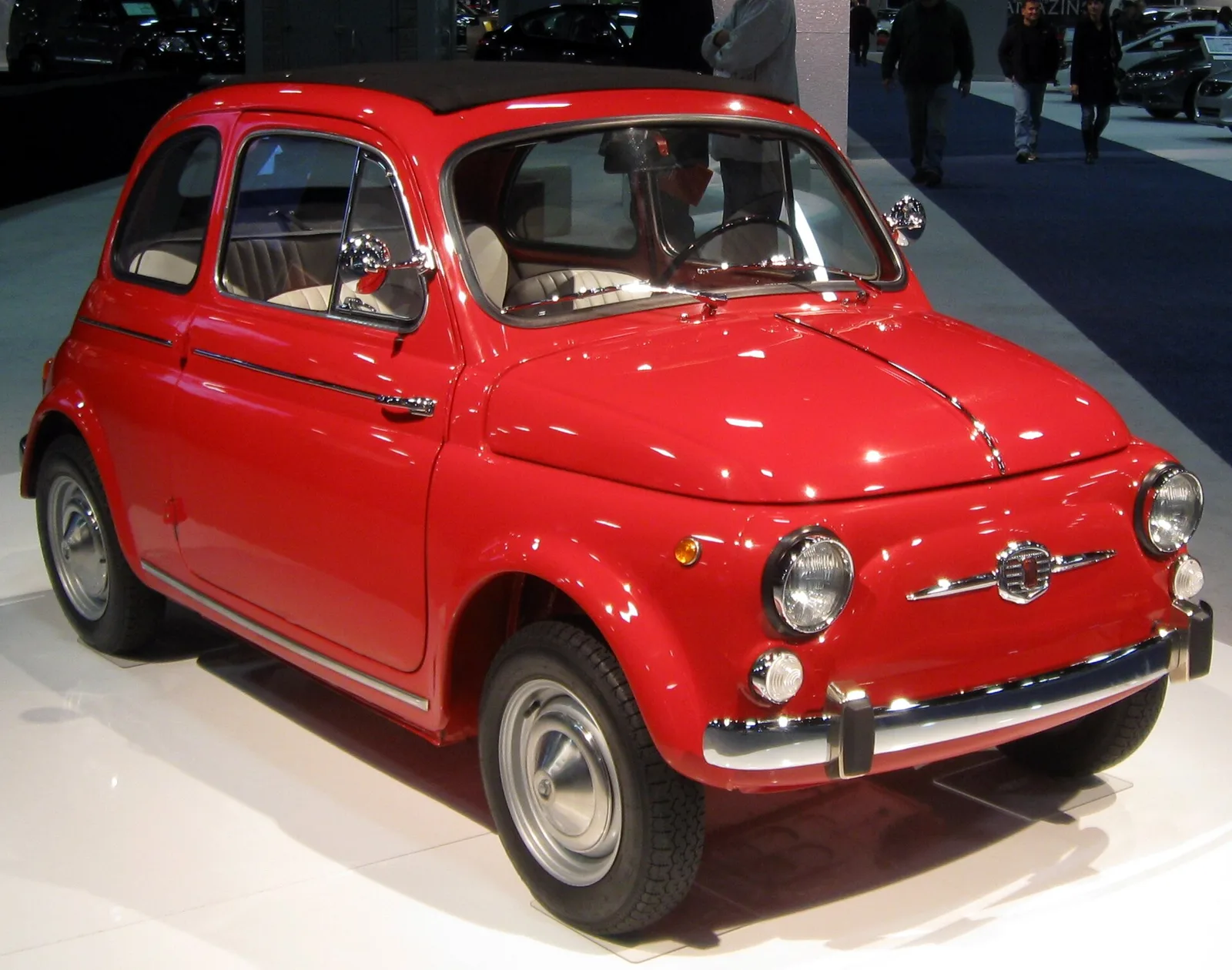
Giovanni Battista Ceirano started building Welleyes bicycles in 1888, and the English-sounding name was chosen because it sold better. In October 1898 he and his brothers Matteo and Ernesto founded Ceirano GB & C to build the Welleyes motor car. Scale and finance proved hard. They approached a consortium of local nobility and businessmen headed by Giovanni Agnelli. By July 1899 Fiat had purchased the plant, the design and the patents. The result was the first F.I.A.T., the 4 HP, with a 679 cc engine and a top speed of 35 km/h (22 mph).
Fiat was known from the start for the talent of its engineers. By 1903 it was making a small profit and had built 135 cars, a figure that reached 1,149 by 1906, when the company went public by selling shares on the Milan stock exchange. Agnelli led it until his death in 1945, while Vittorio Valletta handled the daily running. The early 3 1/2 CV, based on a design bought from Ceirano GB & C, used a 697 cc (42.5 cu in) boxer twin, and only 24 were made, all bodied by Alessio of Turin.
Diversification came early. Fiat built its first truck in 1903. A Fiat crossed the Atlantic to the US for the first time in 1908, the same year the first Fiat aircraft engine appeared, and around then Fiat taxis became popular across Europe.
Italian car manufacturers list: the early marques
| Marque | Started | Notes |
|---|---|---|
| Fiat | July 1899 | Consortium led by Giovanni Agnelli buys the Ceirano GB & C plant, design and patents |
| Isotta Fraschini | 1900 | Milan; began by assembling Renault-style cars; own cars from 1904 |
| Itala | 1903 to 1904 | Turin; cars made until 1934; winner of the Peking to Paris race |
| Lancia | 1906 | Turin; part of Fiat from 1969 |
| Alfa Romeo | 24 June 1910 | Milan; named Alfa Romeo in 1920 |
| Maserati | 1914 | Bologna, now based in Modena; owned by Stellantis since 2021 |
| Iso Rivolta | 1938 | Renamed several times; back to the Iso Rivolta name in 2017 |
Italian car brands that raced to build their names
Isotta Fraschini came to life in Milan in 1900 when Cesare Isotta teamed up with the Fraschini brothers, Vincenzo, Antonio and Oreste. They had imported Mors and Renault cars and Aster engines since 1899. Their first cars were assembled to a Renault pattern with Aster engines, differing in a neater underslung front radiator, and the first car under their own marque in 1904 had a four-cylinder engine producing 24 horsepower (18 kW).
Itala shows how racing could pay. Matteo Ceirano and five partners started it in 1903, and it built cars in Turin from 1904 to 1934. It first offered an 18 hp, a 24 hp and a 50 hp model. In 1905 it began building very large racing cars, and a 14.8-litre five-cylinder model won the Coppa Florio, with the Targa Florio following a year later. In 1907 a 7,433 cc (453.6 cu in) 35/45 hp car driven by Prince Scipione Borghese won the Peking to Paris race by three weeks. Sales rose sharply on the back of those results, and the company kept growing. Itala experimented with variable-stroke, sleeve-valve and rotary engines, and it built aeroplane engines in World War I at a loss. The winning 35/45 HP is now on display at the national automobile museum in Turin.
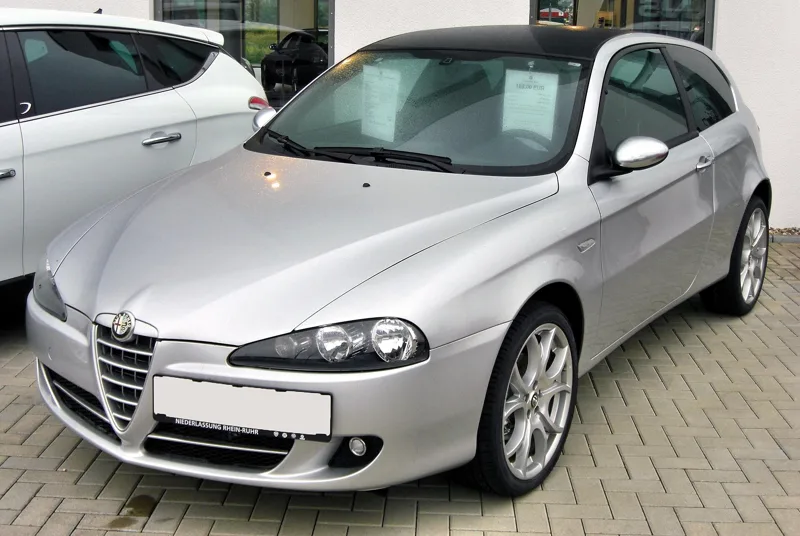
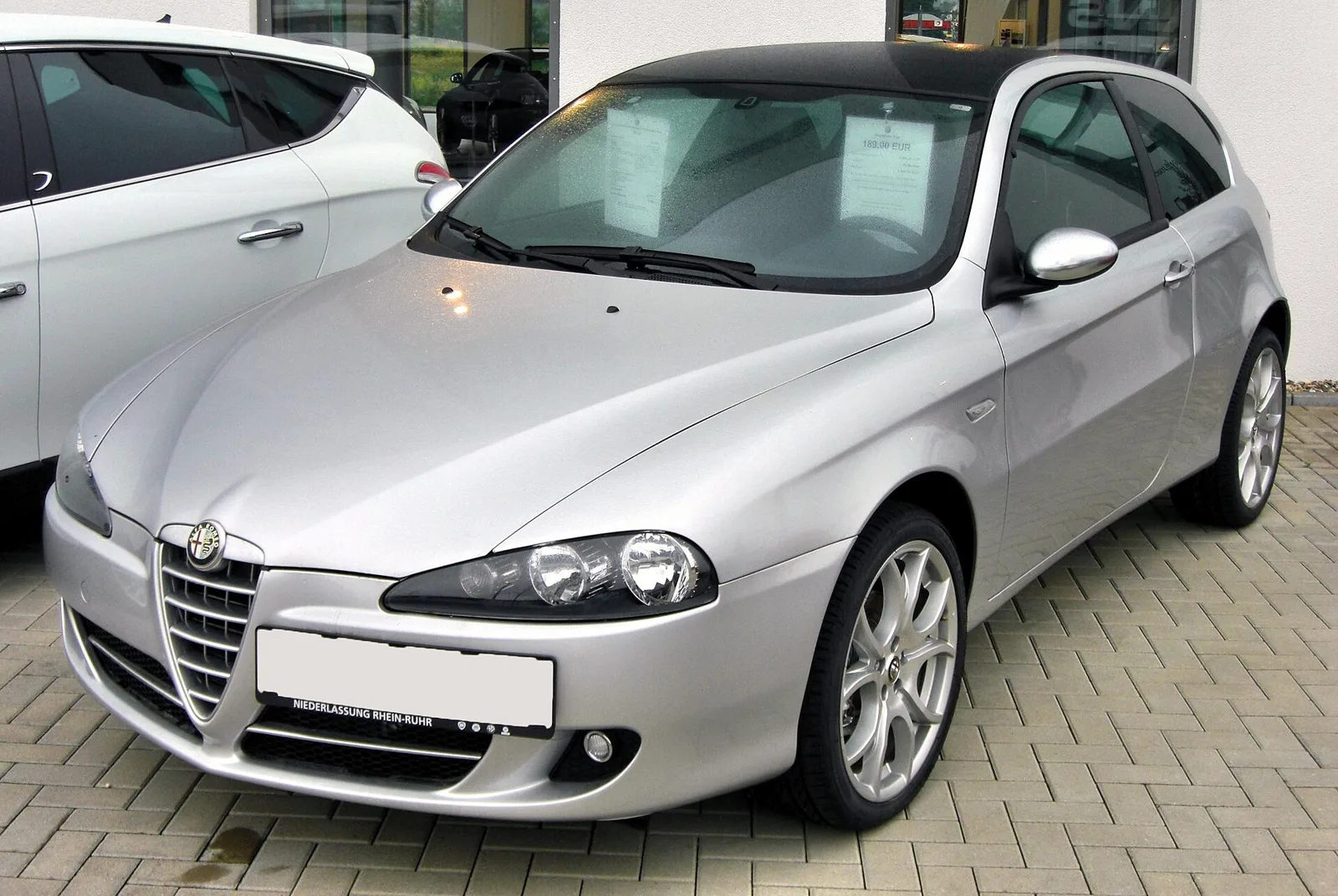
Alfa Romeo began life in Milan on 24 June 1910 under the name A.L.F.A., an acronym of Anonima Lombarda Fabbrica Automobili. Cavaliere Ugo Stella set it up to take over the assets of the ailing Italian arm of the French maker Darracq. Its first car, the 24 HP designed by Giuseppe Merosi, sold well and ran in the 1911 Targa Florio. In August 1915 the Neapolitan engineer Nicola Romeo bought the firm and widened its portfolio to heavy machinery and aircraft engines. The name changed to Alfa Romeo in 1920, with the Torpedo 20-30 HP the first car to carry it.
Lancia was founded in Turin in 1906 by Vincenzo Lancia and Claudio Fogolin and joined Fiat in 1969. It is known for a rallying heritage and for engineering firsts: the 1922 Lambda, with a unibody structure, and the five-speed gearbox that arrived with the 1948 Ardea. Lancia has not competed in the World Rally Championship since 1992, yet no other brand has won more Manufacturers' Championships. Its sales fell from over 300,000 a year in 1990 to under 100,000 by 2010, yet the Ypsilon remained popular at home and was Italy's second best-selling car in 2019.
Maserati was established in Bologna in 1914 and now has its headquarters in Modena, with a trident as its emblem. Stellantis has owned it since 2021. In May 2014 it sold more than 3,000 cars in a single month, a record that led it to raise Quattroporte and Ghibli production. Its range also includes the GranTurismo and two SUVs, the Levante, its first, and the Grecale. Maserati caps yearly output at 75,000 vehicles worldwide.
Coachbuilders, designers and the brands that vanished
Italy's design houses gave its cars their look. Bertone was founded by Giovanni Bertone in 1912, and after World War II Nuccio Bertone took charge and divided it into a manufacturing unit, Carrozzeria, and a styling unit, Stile Bertone. The company went bankrupt in 2014 with around 100 direct employees, and most of them lost their jobs. The Bertone name was later acquired by an architect, and Bertone Design was sold to AKKA Technologies in 2016. In 2020 the brand went to Mauro and Jean-Franck Ricci, who revived it in 2022. The revived brand's first limited-edition car, the GB110, was shown to the public in December 2022, with a full unveiling in June 2024.
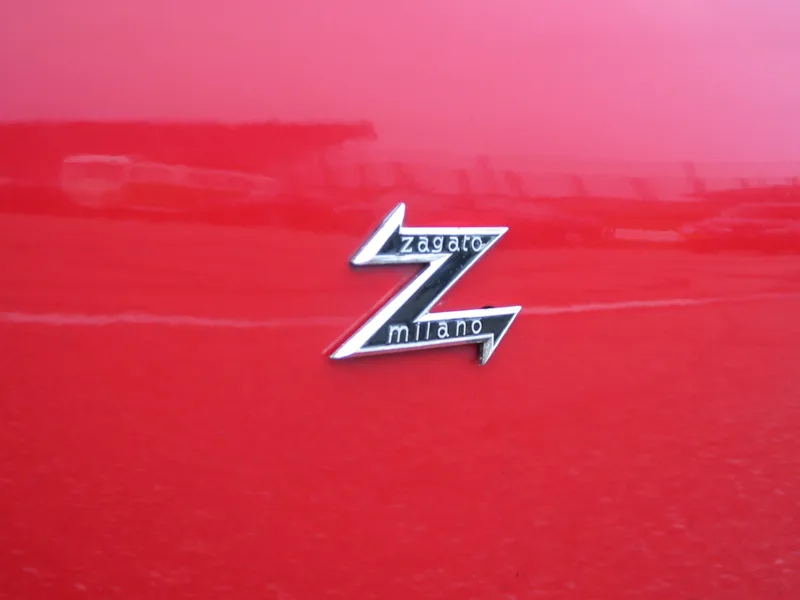
Zagato dates from 1919, when Ugo Zagato left an aeronautical business to set up in Milan. His idea was to carry aircraft construction methods into car making, replacing bulky bodies with lightweight structures built on a sheet aluminium frame like a fuselage. Pininfarina was founded in 1930 by Battista Pinin Farina and is based in Cambiano. Mahindra Group bought 76.06% of Pininfarina on 14 December 2015 for about 168 million euros. Its clients have ranged from Maserati, Lancia, GM, Fiat, Peugeot, Alfa Romeo and Ferrari to Chinese makers, VinFast in Vietnam and Korea's Daewoo and Hyundai.
Innocenti was established by Ferdinando Innocenti in 1933 in the Lambrate district of Milan. It made Lambretta scooters and a range of cars, mainly of British Leyland origin, and Fiat took it over, and the name was dropped in 1996, six years later.
The wider industry grew quickly, with Aquila Italiana, Fratelli Ceirano, Diatto, Junior, SPA, Zust and S.T.A.R. Rapid among the early names. Many vanished during the two world wars and the 1970s economic crisis, or were absorbed by Fiat or foreign firms. Italian industry also took part in ventures outside Italy, many of them built around Fiat-based models: SEAT in Spain, FSO in Poland, Zastava and Yugo in the former Yugoslavia, and Lada in Russia.
Italian motorsport before the war
Italy's racing story stretches back more than a century. At the 1904 Gordon Bennett Cup three Italians raced FIATs, and Vincenzo Lancia, who would found his own marque, was the fastest of them in eighth. At the first Grand Prix, the 1906 French Grand Prix, Felice Nazzaro took second in a FIAT 130HP. The 1906 Targa Florio, a road endurance race across Sicily, is thought to be one of the first motor races held in Italy. It ran every year until 1977 and still takes place as a historical exhibition. In 1907 Borghese's Itala won Peking to Paris.
Italian-born American Ralph DePalma was a different kind of Italian presence. He finished sixth in the first Indianapolis 500 in 1911, driving a Simplex, and took the 1915 race at the wheel of a Mercedes, ahead for 132 of the 200 laps.
The Italian Grand Prix and Monza
The first Italian Grand Prix was held in 1921 at Montichiari with two Italian entrants, and a year later it moved to Monza's Autodromo Nazionale, a venue that has staged it in nearly every year since. The race has been on the Formula One calendar every season since 1950, and no national Grand Prix has been run more often. Pietro Bordino won the 1922 edition in a Fiat. No Italian has won it since 1966, when Ludovico Scarfiotti took victory in a Ferrari 312 F1.
Only two purpose-built motor racing circuits in the world are older than Monza. It still hosts Euroformula Open, International GT Open and the GT World Challenge Endurance Cup, along with local championships including the TCR Italian Series, Italian GT, Porsche Carrera Cup Italia and Italian F4, and the Monza Rally Show.
Italians were soon racing abroad. Giulio Foresti was the first Italian entrant at Le Mans, in 1924, though his engine failed. A year later there were seven Italian entries, and Tino and Mario Danieli finished fourth in an OM. Four years later Attilio Marinoni became the first Italian winner of the 24 Hours of Spa, in an Alfa Romeo 6C 1500 S. The first Mille Miglia, in 1927, went to Ferdinando Minoia and Giuseppe Morandi in an OM 665 S, and Italian crews took the first four editions. Three Italians started the first Monaco Grand Prix in 1929, and all three retired.
The 1930s brought the AIACR European Championship, a forerunner of Formula One. Minoia was its first champion in 1931 and Tazio Nuvolari won the next year, and the pair stayed the only Italian champions before the series ended in 1939. At Monaco in 1931, Luigi Fagioli (second) and Achille Varzi (third) were the first Italians on the podium, and Nuvolari won the race a year later. The latest Italian winner there is Jarno Trulli, who won for Renault in 2004.
Ferrari, Alfa Romeo and the post-war tradition
World War II halted racing. No Italian Grand Prix took place for eight years running, 1939 to 1946, and no organised Grand Prix championships ran between 1940 and 1945. Formal racing returned in 1946 with the Turin and Milan Grands Prix.
The Ferrari 125 S of 1947 was the first racing car to carry the Ferrari name and badge. Weeks after its first race it won the Rome Grand Prix with Franco Cortese driving. The 125 F1 followed in 1948 as Ferrari's first Formula 1 car, driven by Alberto Ascari, a future two-time world champion.
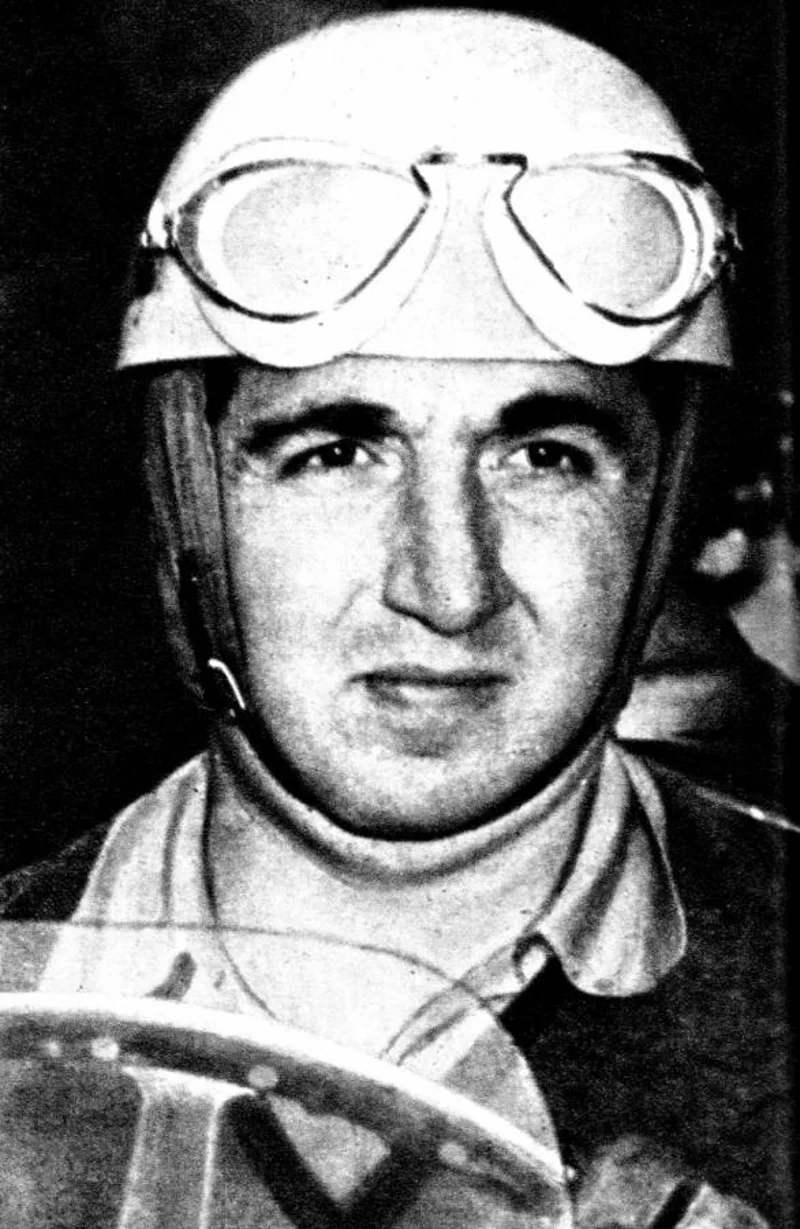
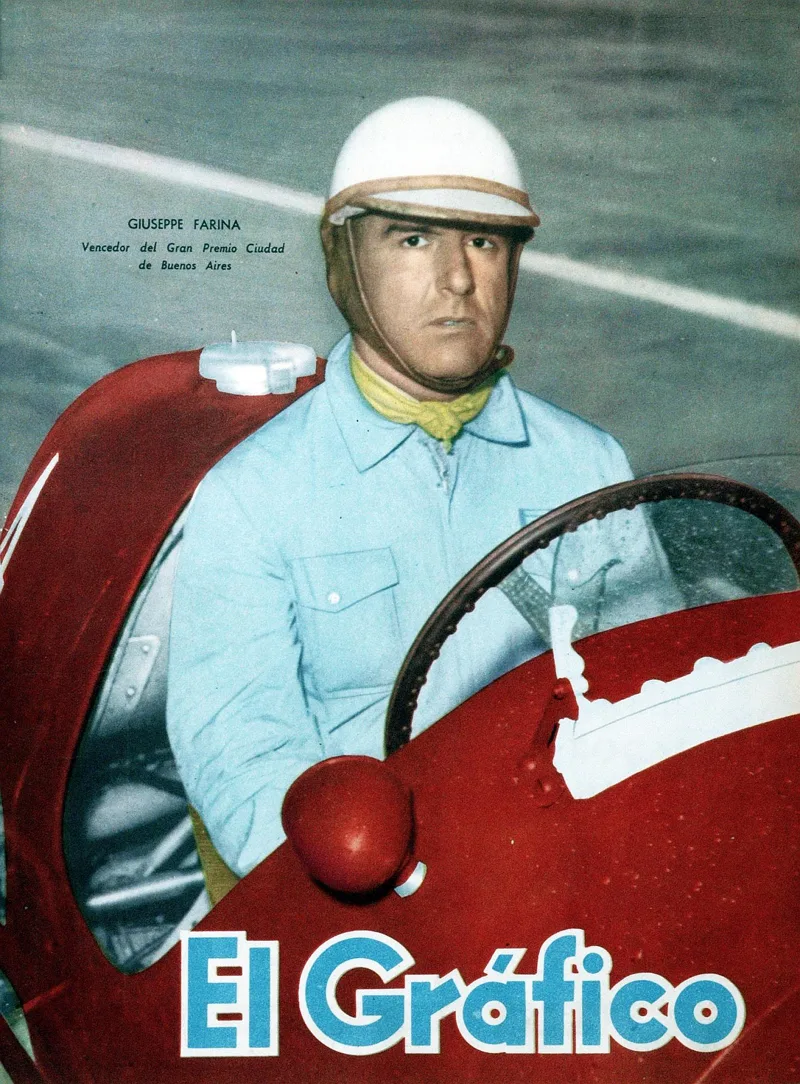
The first Formula 1 season, in 1950, included six Italian teams and twelve Italian drivers over seven races. Giuseppe Farina took pole, fastest lap and victory in an Alfa Romeo at the British Grand Prix, the first official Formula 1 race, on the way to the title. No team in the sport's history has matched Scuderia Ferrari: across 1,006 entries and 71 seasons it has won 16 constructors' championships, 15 drivers' championships and 238 races. Its first constructors' title came in 1961, and its most successful period came from 2000 to 2008, with five consecutive titles and six of eight constructors' championships. It has not won a drivers' title since 2007 or a constructors' title since 2008.
Sports car racing tells a similar story. Ferrari won five of the first six World Sportscar Championship seasons from 1953, and thirteen manufacturers' titles through 1992, while Alfa Romeo won in 1975 and 1977. In touring cars, Alfa Romeo and Abarth won multiple titles in the 1960s after the European Touring Car Championship began in 1963. In rallying, Fiat and Lancia took five of the first seven World Rally Championships after 1973, and Sandro Munari became the first drivers' champion in 1977.
What is next for Italian marques?
The clearest forward move is Bertone's revival. Its GB110, the opening model in a series of limited editions, made its first appearance in December 2022 and went on show in June 2024. Maserati, for its part, has set a yearly production cap of 75,000 vehicles worldwide.