What counts as hooning, how each state's laws work, and how drag-strip burnout culture ended up on the wrong side of the law.
A hoon is someone who deliberately drives recklessly to provoke a reaction, often through burnouts, doughnuts or speeding. Australian states answer with anti-hoon laws that let police impound, confiscate or forfeit vehicles, from Victoria's Section 84C offences to Queensland's 48-hour, three-month and permanent loss for repeat offenders.
Within two years of Victoria's hoon laws starting in 2006, police had impounded more than 5,000 vehicles, an average of ten cars a day. Every other Australian state has its own version, and the powers differ sharply, from clamping a car to forfeiting it to the Crown and crushing it.
What is a hoon?
Hoon is a word used in Australia and New Zealand for someone who drives recklessly or dangerously on purpose, usually to provoke a reaction from onlookers. Hooning covers speeding, burnouts, doughnuts and screeching tyres. The people most often identified as hoons are young and predominantly male, aged 17 to 25.
The word has a colourful past. In the early 1900s it meant something quite different, a person who lived off immoral earnings. The linguist Sid Baker suggested that hoon, in the sense of a fool, was a shortening of Houyhnhnm, the race of intelligent horses in Gulliver's Travels. Another idea is that it blends hooligan with goon.
Today the term has semi-official standing. Police and governments call laws aimed at anti-social driving anti-hoon laws, and the word has even entered the titles of legislation, such as New South Wales' Road Transport Legislation Amendment (Car Hoons) Act 2008 and Victoria's Transport Legislation Amendment (Hoon Boating and Other Amendments) Act 2009.
The burnout then became entertainment in its own right.
Where did burnout culture come from?
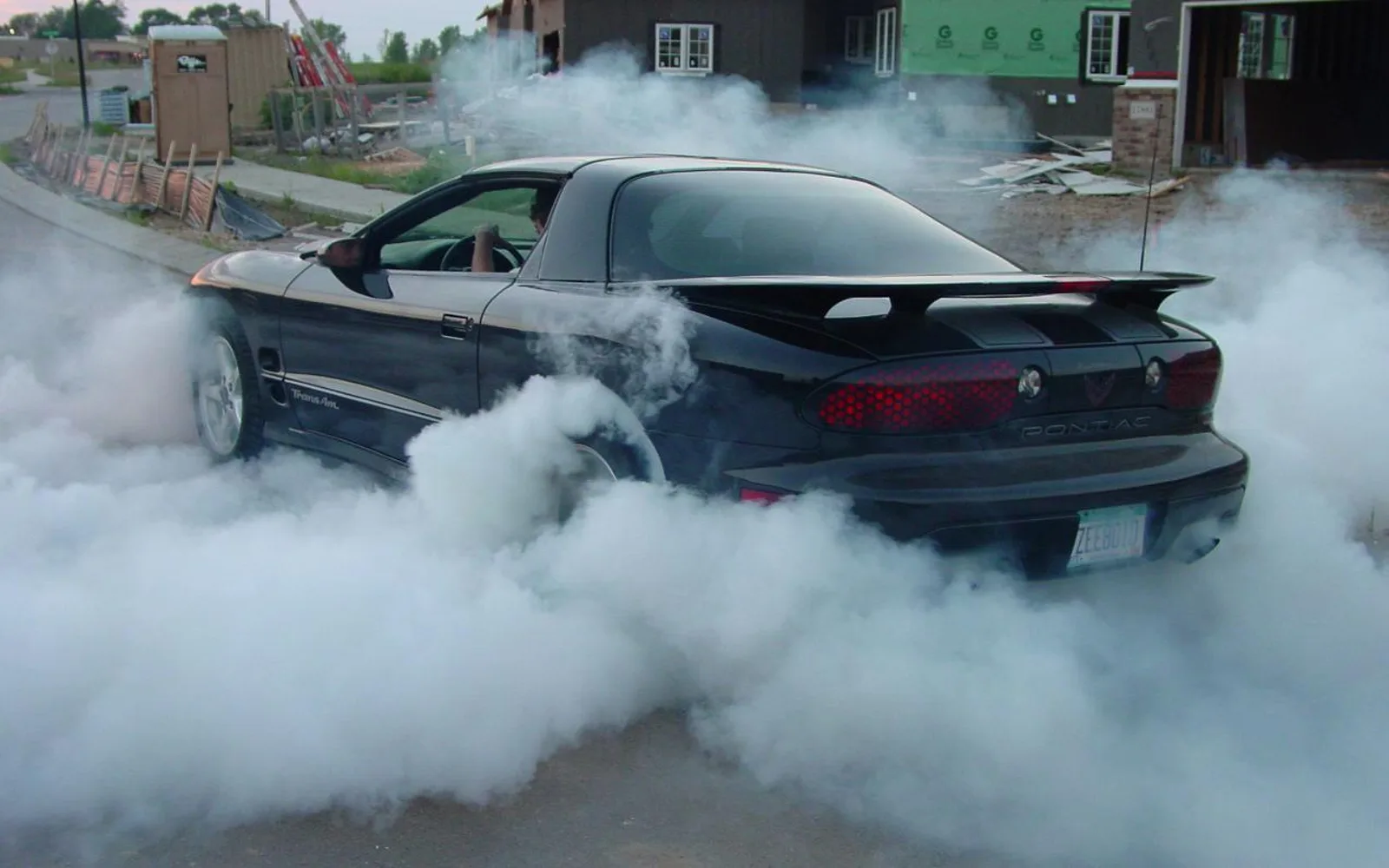
A burnout holds a vehicle still while its wheels spin, so friction heats the tyres and produces smoke. It began on the drag strip. Credit goes to Buddy Houston, with his brother Melson and David Tatum II, who devised it in the mid-1960s on the Ted Edwards Drag Strip in Fairburn, Georgia, using water and bleach to break the tyres loose and clean them before a run. Slick tyres grip better when hot, and the burnout heats them quickly, clears debris and leaves a layer of rubber at the start line.
Drag strips later set aside a wet patch known as the water box, once called the bleach box. Don Garlits pioneered doing them across the starting line, and flammable traction compound, which made dramatic flames, led the NHRA to require water instead.
The burnout then became entertainment in its own right. Contests sometimes offer large prizes, cars are sponsored or built specifically for the job, and judges score the response of the crowd, with style and attitude counting too. Such contests are particularly popular in Australia, though they also occur in North America. Performed on public land, a burnout is illegal in most countries, though the penalty varies. In New South Wales, police can take the offending vehicle for 3 months after a first offence.
Burnouts carry environmental and health risks too. Because they burn tyre material, the fumes are comparable to those of a small tyre fire. And they are not equally easy in every car: four-wheel drive and all-wheel drive models have better traction and need far more powerful engines to break all four tyres loose at once.
Which state laws let police impound or confiscate cars?
| State | Law | Powers and penalties |
|---|---|---|
| Western Australia | Road Traffic Amendment (Impounding and Confiscation of Vehicles) Bill 2004, passed June 2004 | Police can confiscate and impound vehicles for excessive speed or noise; the licence is cancelled after hoon offences |
| Victoria | Section 84C of the Road Safety Act 1986, hoon offences added July 2006 | Covers high-level speeding, drag racing, burnouts, doughnuts and repeat driving while disqualified |
| Queensland | Police Powers and Responsibilities Act 2000, strengthened 2002 and July 2008 | Maximum penalty $4,712 or six months in prison; vehicle lost for 48 hours, then up to three months, then permanently on repeat offences |
| New South Wales | Road Transport Legislation Amendment (Car Hoons) Act 2008, July 2008 | New measures on street racing and higher fines; forfeited vehicles can be used for crash testing |
| South Australia | Criminal Law (Clamping, Impounding And Forfeiture of Vehicles) Act 2007, amended December 2009 | Vehicle forfeited to the Crown on conviction; the Police Commissioner may sell or crush it |
| Tasmania | Police Offences Act 1935 and Traffic Act 1925 | Police can confiscate and clamp vehicles; maximum penalty 20 penalty units ($2,800), 3 months in prison or both, plus up to 2 years' disqualification |
How do police use the powers in Western Australia?
Western Australia gave police the power to confiscate and impound vehicles in June 2004, aimed at excessive speed or noise. The law made headlines when police used it on a Lamborghini. A mechanic had been caught speeding in the car, and the owner knew nothing about that drive.
The only route to getting the car back was a plea of hardship, and police said the law did not let them accept it. Their view was that a person rich enough to own such a car could pay to hire another. The owner called the law a form of mandatory sentencing with no trial. The Police Minister, Rob Johnston, was reported to admit the laws were unfair while standing by them, and a former District Court Chief Judge, Antoinette Kennedy, called his reaction the politics of envy. After any hoon-related offence in the state, the licence is cancelled and the experience built up on it returns to zero.
What did Victoria do?
Victoria wrote hoon offences into Section 84C of the Road Safety Act 1986 in July 2006. They took in high-level speeding, drag racing, burnouts, doughnuts and repeatedly driving while disqualified. Victoria Police took an average of ten cars off the road each day, and two years after the laws started, more than 5,000 vehicles had been confiscated and impounded.
The state also extended the idea to the water. Victoria legislated in late 2009 to control hoon activity on recreational vessels. Its boating laws centre on dangerous behaviour, and they do not yet cover offences relating to public order or amenity.
How strict is Queensland?
Queensland's Police Powers and Responsibilities Act 2000 lets police impound vehicles used in prescribed offences. Rules on confiscating cars used for burnouts, time trials and street racing were tightened in 2002, and in July 2008 further laws allowed confiscation from repeat offenders caught drink-driving, driving while suspended, or driving a car with illegal modifications.
The penalties are layered. The maximum for hooning is $4,712 or six months in prison. A repeat offender loses the vehicle for 48 hours the first time, for up to three months the second time, and permanently the third time. On 11 August 2008, the government auctioned some confiscated vehicles, and the rest were crushed and the metal sold as scrap. The state amended the Act again in April 2013, and on 1 November 2013 it brought in changes that created among the toughest anti-hooning laws in Australia.
What happens to confiscated cars in New South Wales and South Australia?
New South Wales used to forfeit only the vehicles of repeat offenders to the Crown. The Car Hoons Act of July 2008 added new measures against street racing and raised fines, and it let Transport for NSW use forfeited cars for crash testing, for education and deterrence, and for roadworthiness testing connected with modifications.
South Australia goes further. Under its 2007 Act, amended in December 2009, a conviction for a prescribed offence means the car is forfeited to the Crown, and the Police Commissioner can then sell or otherwise dispose of it, which can mean crushing it. At the end of 2010, courts had impounded 62 cars. None was worth more than $1600, and many could not reach 150 km/h, which shows how far the power reaches beyond high-end sports cars.
What offences does Tasmania list?
Tasmania lets police confiscate and clamp vehicles under the Police Offences Act 1935 and the Traffic Act 1925. The offences are broad: trespassing on land in a vehicle, ignoring a direction to leave a public place, spinning the wheels or making needless noise, reckless or negligent driving, running a race without a permit, evading police, exceeding the limit by 45 km/h and driving while disqualified.
Separately, it is an offence to operate a vehicle so as to create noise or smoke deliberately, to accelerate unnecessarily or lose traction, as in burnouts or drag racing, or to race another vehicle. The maximum penalty is 20 penalty units ($2,800), 3 months in prison or both, and a court may disqualify the offender for as long as 2 years.
What happens to an impounded car?
Impoundment means keeping a vehicle in a secured lot or tow yard until it goes back to its owner, is recycled, stripped for parts or sold at auction. Authority to do so may come from a court or arise automatically under set conditions, and the usual steps run from the legal basis, through towing, to a sale at auction if the owner does not clear the matter.
When a vehicle is sold, costs are deducted and any remainder goes back to the owner. Cars at impound auctions are sold as they stand, without warranty, so keys may be missing and the mileage on a digital dashboard may be unknown. The hoon laws add other fates to the list: a Queensland scrap yard, a South Australian crusher, or a New South Wales crash-test programme.
Queensland has organised the towing side of its scheme. Since May 2014, one contractor has handled towing and impoundment for the state's type 1 and type 2 hoon offences under contract with the Queensland Police Service. Compulsory impoundment exists overseas too. Ontario, in Canada, requires it for drunk-driving and for driving at least 50 km/h over the limit.
Who has been caught?
Famous names have fallen foul of the law. In March 2010, Formula One World Champion Lewis Hamilton had his Mercedes impounded in Melbourne for allegedly performing a burnout while leaving the Albert Park circuit. In a separate account, a magistrate called him a hoon and fined him A$500 for fishtails and burnouts in a Mercedes-AMG C63 two days ahead of the 2010 Australian Grand Prix.
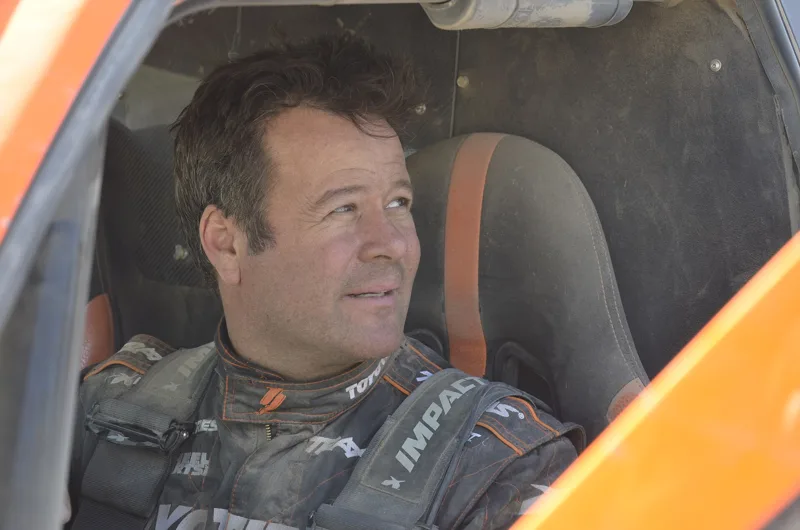
Robby Gordon, a former NASCAR driver and founder of the Stadium Super Trucks series, did doughnuts in one of the trucks outside a Darwin nightclub after a race at Hidden Valley Raceway. He pleaded guilty to four traffic charges and was fined A$4,150, and his motorsport visa was suspended, a ban that placed the future of the series in Australia in doubt.
The term has also been taken up by the car world. Rally driver Ken Block worked it into his marketing and his team name, Hoonigan Racing Division, and Texas Motor Speedway calls one of its rallycross races the Hoon Kaboom.
Where this goes next
Hoon control is spreading beyond roads. Laws are starting to reach dangerous behaviour with boats and other vessels, particularly jet skis, and Victoria's 2009 hoon boating legislation is one example. A further change is the rise since 2019 of hoon gatherings and crime rings that post images and videos on social media. Two such groups are the Black Bandit in Victoria and the Mexican Hoon Cartel in Queensland.