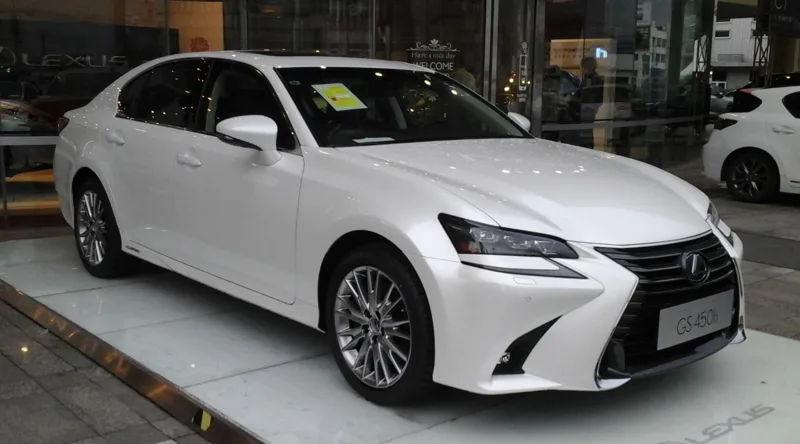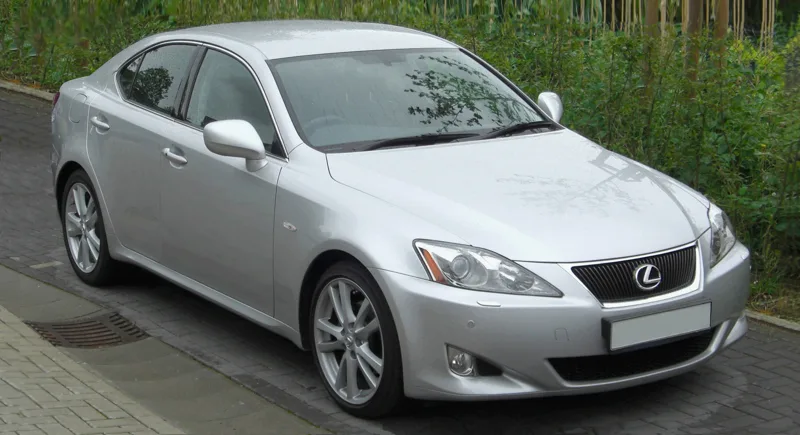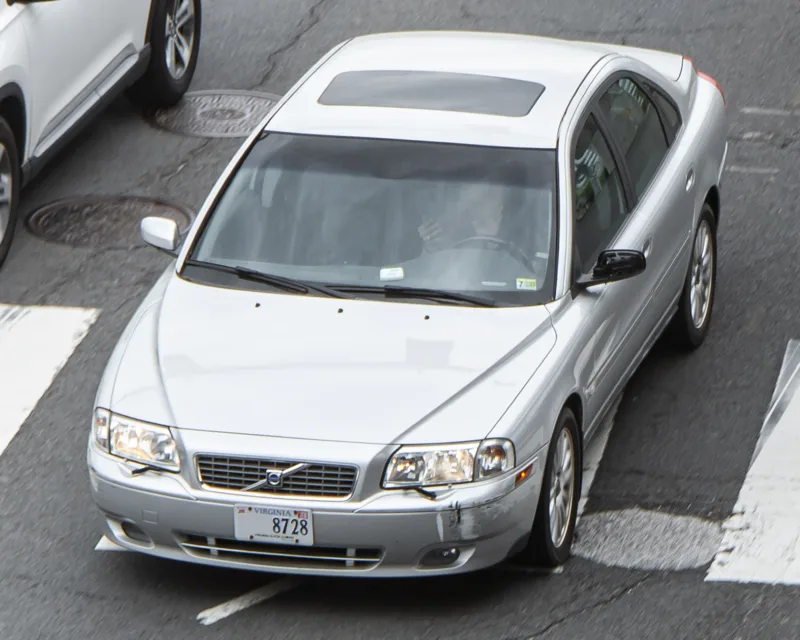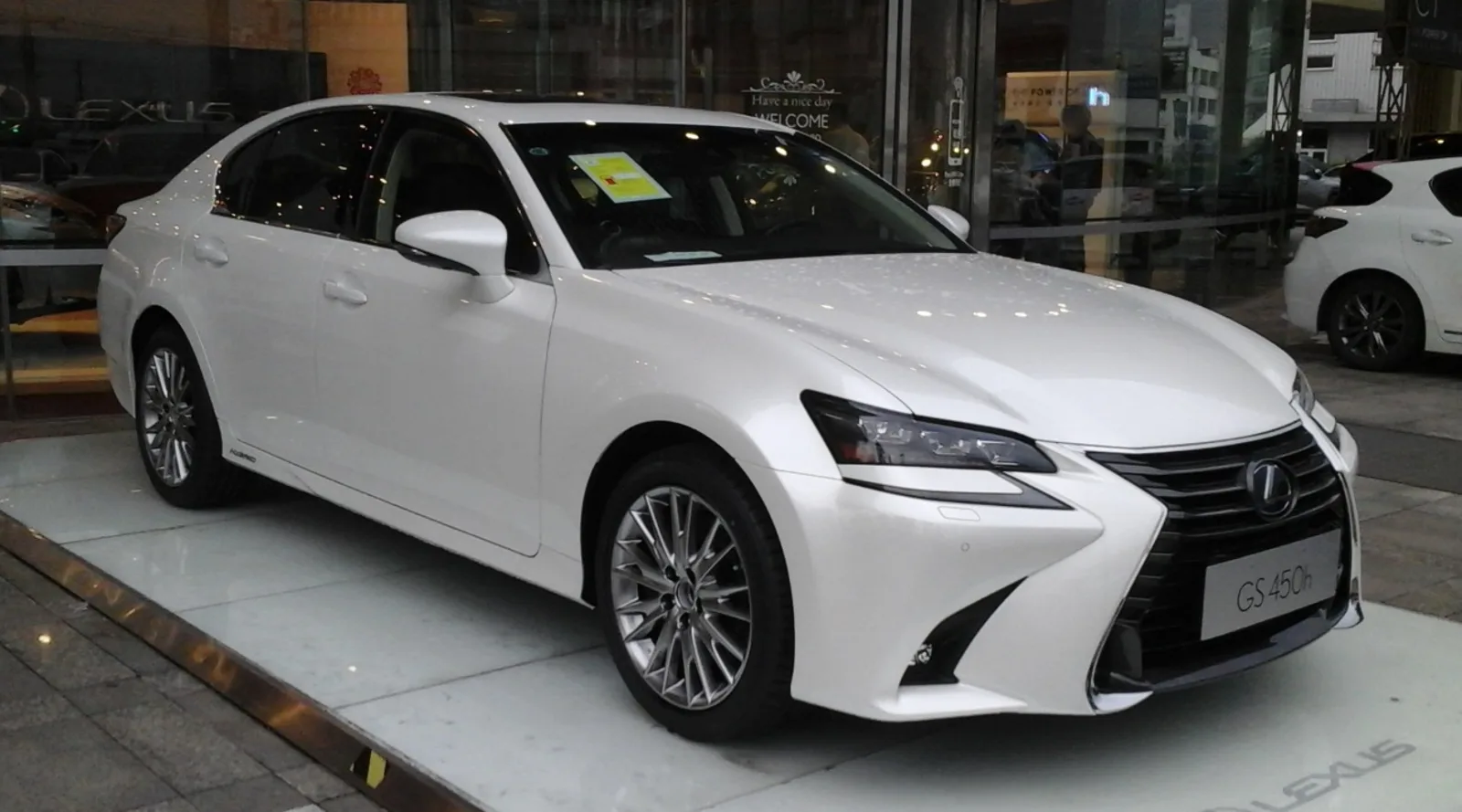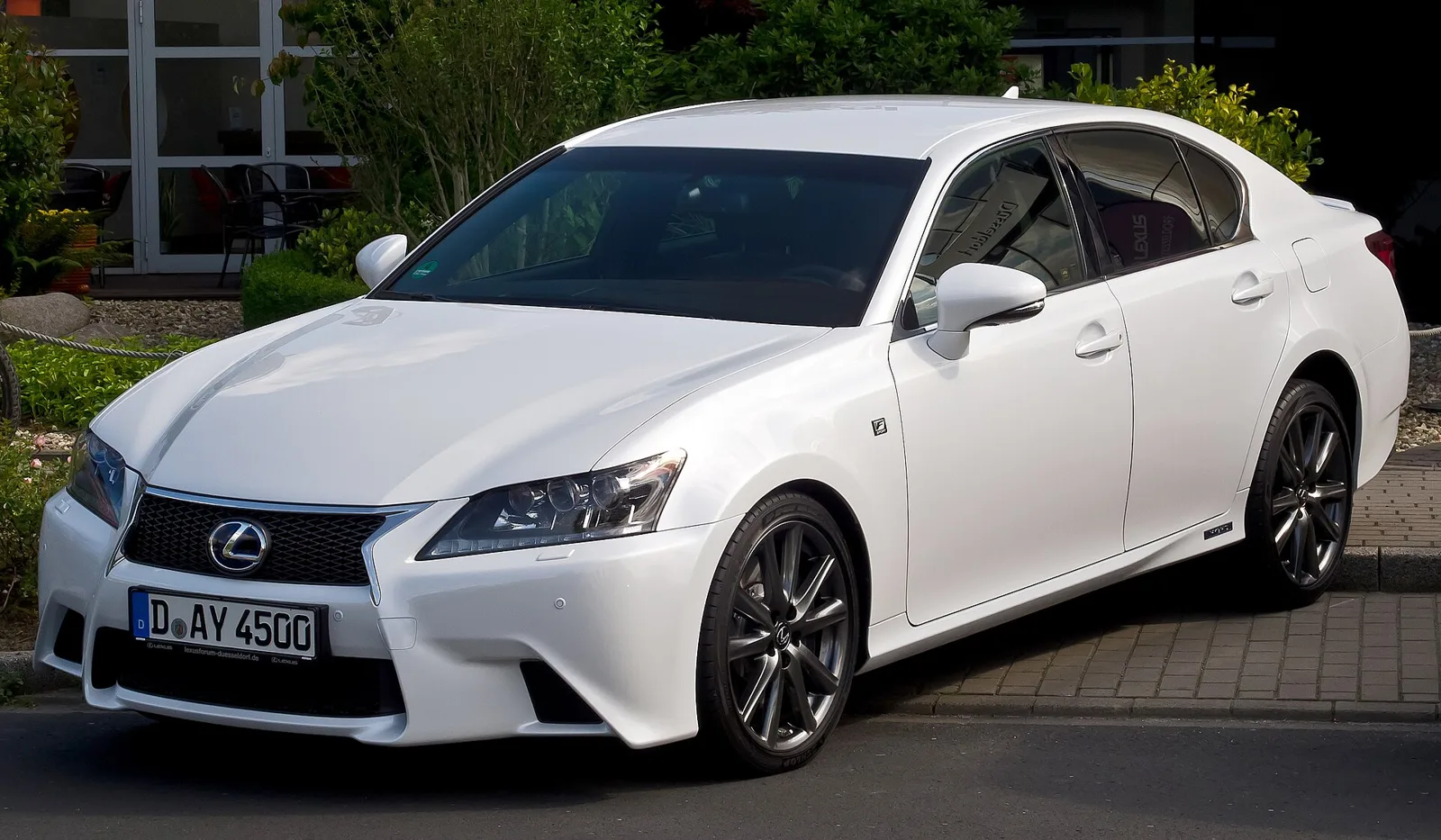
The Lexus GS sat below Lexus's own LS flagship, while the Volvo S80 was Volvo's flagship sedan for much of its life, and the two cars took very different routes to market.
The Lexus GS is an executive car made by Toyota and sold by Lexus in four generations, positioned between the compact IS and the flagship LS. The Volvo S80 was an executive car made by Volvo Cars from 1998 to 2016 and served as the brand's flagship sedan.
The Lexus GS sat below the Lexus LS flagship, while the Volvo S80 was Volvo's flagship sedan for much of its life. The two cars came from different traditions, with the GS starting life in Japan as the Toyota Aristo and the S80 built in Gothenburg.
The comparison pits a Japanese executive car against a Swedish flagship. It shows how two makers with different priorities approached the same market for large executive sedans.
Why were the GS and S80 compared?
Both cars were executive sedans sold through their makers' premium arms. The GS ran through four generations under Lexus, and the S80 was made by Volvo Cars from 1998 to 2016 as the brand's flagship sedan.
The two cars overlap in market segment, which is why they are set side by side here. The GS was Lexus's middle executive car, while the S80 was the flagship for Volvo, so the S80 sat higher in its maker's range.
The GS's third generation was shown as the LF-S concept in October 2003, and production began on 24 January 2005. The S80's second generation was released in 2006 for the 2007 model year, so the two cars' later generations ran on similar timelines.
The S80 was built as Volvo's flagship with a transverse six and strong safety credentials, while the GS was Toyota's executive car sitting below the LS in the Lexus range.
How did the two cars come to market?
The GS launched in 1991 in Japan as the Toyota Aristo and reached Lexus buyers from February 1993. The first S80 was built at Torslanda in Gothenburg between 1998 and 2006, and the second generation followed in 2006.
The first S80 was based on the Volvo P2 platform, and the second generation moved to the Volvo P3 platform. The S80 was not offered as a station wagon in its first generation, but the second generation had an estate version, the V70.
The S80's final year in the record is 2016, when production ended. The GS, by contrast, ran through four generations under the Lexus name, and the record ties its first generation's design to Italdesign Giugiaro.
The two cars were designed in different traditions. Lexus's GS was styled by Italdesign Giugiaro for its first generation, while the S80 was built around Volvo's own platforms and safety engineering, so the two designs answer different questions about what an executive car should be.
How did the two cars differ in design?
The first GS had a drag coefficient of Cd=0.31, and its styling was produced by Italdesign Giugiaro. The first S80 used a transverse straight-six engine mounting, with front and rear integrated crumple zones, and its electronic components used CAN bus multiplexing.
The GS's third generation was 30 percent more rigid than before, and it was the first GS badged as such in Japan. Volvo developed its own M65 manual gearbox for the six-cylinder S80, which marks the S80's drivetrain as distinctive.
The second-generation S80 was built on the Volvo P3 platform with high-strength boron steel for safety. The record ties the S80's engineering to its safety design, while the GS's engineering story is told mainly through its styling and rigidity.
Platform choices help explain the engine lists. The GS's first generation used a Toyota straight-six, while the S80 moved from the P2 platform to the P3 and carried a wider range of engines, including diesels and all-wheel-drive versions.
A reader comparing platforms will find that the S80's P2 and P3 platforms are the record's main engineering reference, while the GS is linked to its Japanese origins and to Italdesign Giugiaro's styling. Those two reference points explain much of the difference in how each car was built.
What engines did each car offer?
The GS 300's first-generation 2JZ-GE straight-six produced 169 kW (227 hp), and the GS 400's 1UZ-FE V8 produced 224 kW (300 hp) and reached 0-60 mph in 5.7 seconds. The S80's 2.9-litre six produced 144 kW (196 PS; 193 bhp), and the S80 T6 twin-turbo six produced 200 kW (272 PS; 268 bhp).
The S80 range also included a 2.5-litre TDI diesel at 103 kW (140 PS; 138 bhp) and a 2.5T at 149 kW (203 PS; 200 bhp) with all-wheel drive. The D5 diesel produced 120 kW (163 PS; 161 bhp).
The second-generation S80 offered a V8, the B8444S, with 315 PS (232 kW; 311 hp) and 440 N-m of torque. The GS 430's 441 N-m (325 lb-ft) was the highest torque figure the record gives for the GS line.
The GS's engine line was built around its six and its V8, while the S80's engine list ran from a 2.5-litre diesel to a V8. The S80 therefore offered more diesel and all-wheel-drive variants in the record.
Engines and platforms set the cost of each car's range. A range that spans a diesel, a turbo six and a V8 needs more platform work than a range built around one straight-six and one V8, which is part of why the S80's record is broader.
The S80 ran from 1998 to 2016 across two generations, while the GS is recorded in four generations, so the GS's record covers more change in its model line.
How did sales and production compare?
Over 368,000 first-generation S80s were built, while the GS sold 19,164 units in 1993 at its peak and stabilised at 28,079 vehicles by 2000. The second-generation GS sold 30,622 vehicles in its first year, which places the two cars at very different scales in the record.
The S80's first-generation volume is the largest production figure the record gives for either car. The GS's sales are given mainly by generation, which makes a total for the whole GS line harder to reconstruct.
The S80's estate version, the V70, appeared only in the second generation, a detail that matters when comparing the two model ranges.
Sales and production put the two cars at different scales. The S80's first-generation figure is far larger than the GS's sales totals, although the record reports the GS's totals by generation rather than as a single figure.
How were the two cars rated for safety?
The first-generation S80 received 2 stars for pedestrian safety in Euro NCAP testing, and Euro NCAP said it was very safe for adult protection. The second-generation S80 earned an IIHS Top Safety Pick in 2007, and the 2008 model earned a Top Safety Award.
The GS 1999 and newer models earned a Good IIHS frontal rating. The record gives the GS's extra rigidity in its third generation as its main structural claim for that car.
The S80's safety focus shows in its design details, including the integrated crumple zones and, in the second generation, boron steel. A reader comparing the two will find far more safety detail in the S80's record than in the GS's.
The safety section is where the S80's record is strongest. Euro NCAP and IIHS results both appear for the S80, while the GS's only crash result in the record is the IIHS frontal rating for the 1999 and newer models.
The safety record gives the S80 more evidence than the GS in this comparison, and a buyer who weighs crash results highly will find that gap the most important in the table.
Did either car have a motorsport record?
The record gives no motorsport record for the GS and none for the S80. Both were road-focused executive sedans, so this section cannot compare any competition results between them.
The GS's performance figures come from its engines and its 0-60 mph time for the GS 400, while the S80's come from its turbo six and its V8 variants.
Neither car has a race history in the material, so the rest of this comparison follows the same road-car basis.
With no racing record for either car, the specification table and the buyer section carry most of the comparison.
The first S80 and the first GS were both built to be taken seriously as executive cars, which is why the record covers their engineering in such close detail.
How do the specifications compare?
| Specification | Lexus GS | Volvo S80 |
|---|---|---|
| Years | 1991 in Japan; export from 1993 | 1998 to 2006 first generation; second generation for 2007; ended 2016 |
| Platform | no figure given | first generation Volvo P2; second generation Volvo P3 |
| Built at | no figure given | Torslanda, Gothenburg (first generation) |
| Base engine | 2JZ-GE straight-six, 169 kW (227 hp) | 2.9-litre six, 144 kW (196 PS; 193 bhp) |
| Top engine | GS 400 V8, 224 kW (300 hp) | second-generation V8, 315 PS (232 kW; 311 hp) |
| Top torque | GS 430, 441 N-m (325 lb-ft) | second-generation V8, 440 N-m |
| 0-60 mph | 5.7 seconds, GS 400 | no figure given |
| Drag coefficient | Cd=0.31 first generation | no figure given |
| Production or sales | 19,164 in 1993 (GS 300 peak) | over 368,000 first generation |
| Safety | Good IIHS frontal rating, 1999 and newer | IIHS Top Safety Pick, 2007 (second generation) |
Read down the table and the S80 is the larger production story, while the GS is the more documented on performance. Both columns are strongest in different places, so the verdict depends on what the reader values.
Looking at the table as a whole, the GS offers a Japanese executive sedan with a clear performance route through its V8, while the S80 offers a broader spread of engines, a safety record and a body style choice in its second generation.
Which buyer suits each car?
The GS suits a buyer who wants an executive sedan from Toyota's luxury division with a six-cylinder or V8 option, sitting below the flagship in the Lexus line-up. The S80 suits a buyer who wants a Swedish flagship sedan with strong safety credentials, a turbo six or a V8, and an estate option in its second generation.
Buyers who value safety records and the brand's flagship role will look to the S80, while buyers who prefer a Japanese executive car with a clear V8 route will choose the GS 400.
The record gives no current values for either car, so buyers should check present-day prices and condition before comparing purchase costs.