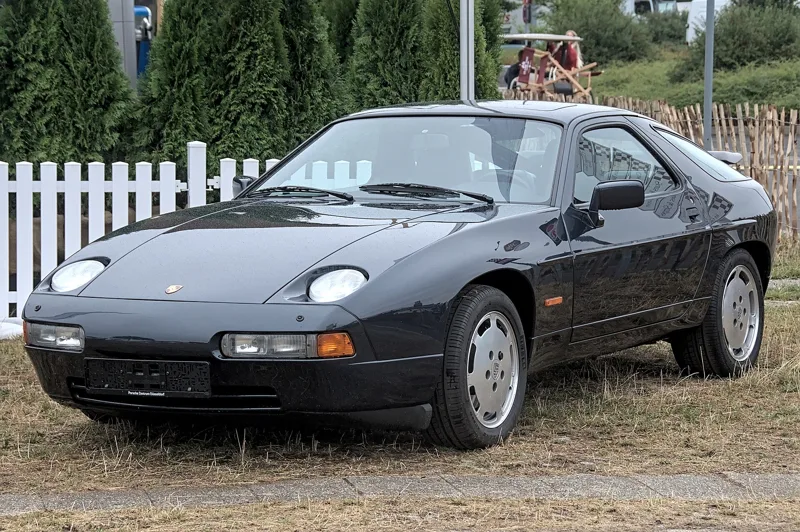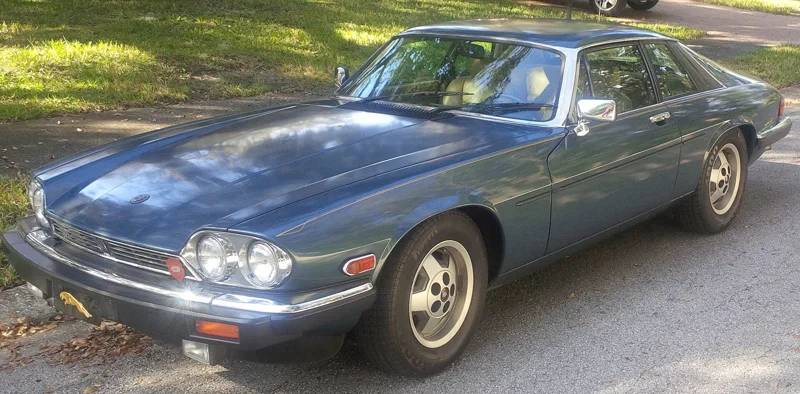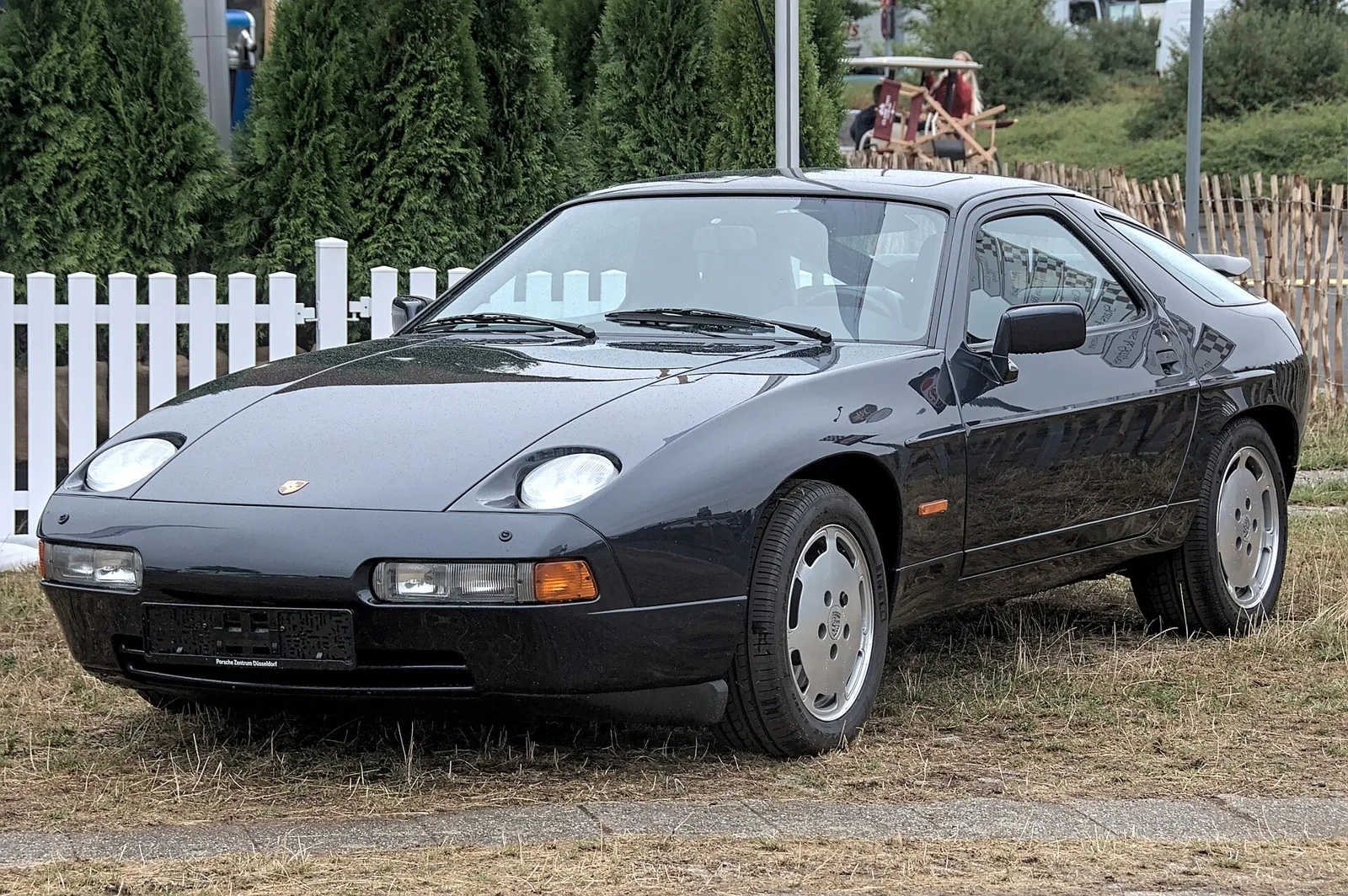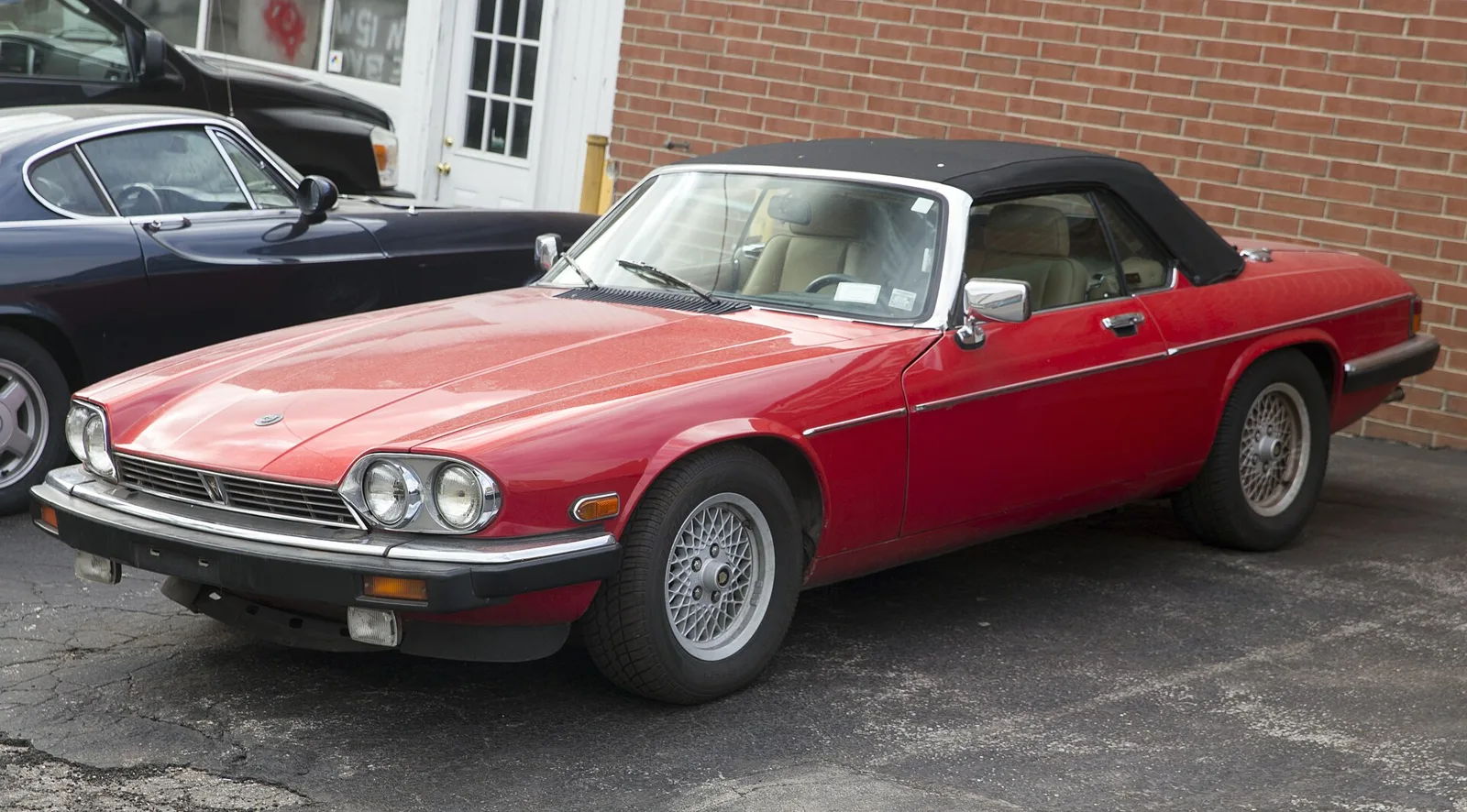
Jaguar's V12 XJS and Porsche's front-engined V8 928 both aimed at fast, comfortable touring, but the 928 was conceived as a possible replacement for the 911.
The Jaguar XJS was a V12 luxury grand tourer built by Jaguar from 1975 to 1996, in coupe, fixed-profile and convertible forms. The Porsche 928 was a front-engined V8 2+2 grand tourer built by Porsche from 1977 to 1995, conceived as a possible replacement for the 911.
The Jaguar XJS and the Porsche 928 were both grand tourers built for the same kind of owner, one who wanted high-speed comfort, a large cabin and performance without the compromises of a pure sports car. Their approaches could hardly have been more different, with one a front-engined V12 and the other a front-engined V8 with a transaxle.
Both cars were also shaped by the 1970s oil crisis, which hit large, thirsty cars hard. Jaguar launched the XJS into that climate, while Porsche delayed the 928 after the Arab-Israeli war brought the threat of an energy crisis and sales of large cars plunged.
Why were the XJS and 928 seen as rivals?
The two cars competed for the same grand tourer buyer, and both were judged against the German and Italian cars of their era. The 928 was measured against the 911 and the BMW 7 Series, while the XJS was compared with Italian V12 cars such as the Lamborghini and Ferrari models of its time.
The 928 was Porsche's first fully in-house design for a production vehicle. Ernst Fuhrmann began a design study in 1971, and the car was intended to potentially replace the 911 as the company's flagship, a role that shaped its size, its engine and its price.
The XJS was introduced on 10 September 1975 under project XJ27, with an initial shape penned by Malcolm Sayer before his death in 1970. Doug Thorpe's in-house team completed the design, and the car was built on the XJ saloon platform.
A 1997 comparison by Motorsport magazine pitted the XJR-S against several rivals, and the record notes the Porsche 928 GT among them. That late test is the one direct contest between the two lines that appears in the material used here.
Jaguar's V12 with buttressed flanks and Porsche's front-engined V8 both wanted to be the grand tourer of their era, from opposite directions.
How did the two cars differ in design?
The XJS carried prominent rear buttresses that were a styling feature rather than a leftover from a mid-engine plan. The 928 was styled by Wolfgang Mobius under the guidance of Anatole Lapine, with an aluminium door, front wing and bonnet on a galvanised steel chassis.
The 928's pop-up headlamps were based on units found on the Lamborghini Miura, and its polyurethane bumpers were covered in body-coloured plastic. The instrument cluster moved with the adjustable steering wheel, which helped the driver see the dials at any seating position.
The XJS 1991 facelift removed the frames around the side windows and fitted a flush windscreen, which made the rear side windows look larger despite identical glass apertures. The buttresses remained, somewhat minimised by the new trim.
The 928's 1987 redesign integrated the front spoiler into the nose and made the rear wing a separate piece. Side skirts were added, and the GTS models gained flared wheel arches for wider wheels.
The 928's engine block was unsleeved and made of silicon alloy, a choice that reduced weight and gave the cylinder bores durability. Its four-bolt bearings and large lower block were part of a structure designed for strength.
How did the engines and performance compare?
The XJS's V12 accelerated to 97 km/h (60 mph) in 7.6 seconds with automatic transmission and reached a top speed of 230 km/h (143 mph). The 928 started with a 4.5-litre SOHC V8 producing 240 PS (177 kW; 237 bhp) in Europe, and it outperformed the 911 Turbo in top speed tests by the S and S2 era.
The XJS HE of 1981 used a High-Efficiency V12 that delivered 295 hp (220 kW; 299 PS) in Europe and 263 hp in North America. The XJS engine range later included the 3.6-litre AJ6 six, and the V12 remained the car's defining engine.
The XJR-S, produced from 1988 to 1993 by JaguarSport, used the 5.3-litre HE V12 and later a 6.0-litre engine with 333 PS (328 hp; 245 kW) at 5,250 rpm. It reached 260 km/h (160 mph), a figure the standard XJS could not match.
The 928's engine grew to 4.7 litres for the 1980 model year, and the S and S2 of 1985 produced 310 PS (228 kW; 306 hp) in European specification. From 1986 the sixteen valve engine was replaced by a thirty-two valve 5.0-litre V8, which Porsche used until the car's end in 1995.
The 928 used a transaxle arrangement to achieve 50/50 front and rear weight distribution, and its early cars matched the 911 for performance despite being heavier. Its transmission options were a five-speed dog-leg manual or a three-speed Mercedes-Benz-derived automatic, later replaced by a four-speed unit.
What were they like to live with?
The XJS offered coupe, fixed-profile and full convertible bodies, but the convertible roof was lost on the first XJS. A padded full convertible arrived in 1988, a move that made the car a far more open-air proposition. That change widened its appeal to buyers who wanted open-air touring from a grand tourer.
The Hess and Eisenhardt convertible folded its top lower into the body than the later Jaguar-built roof, which gave the earlier conversion a cleaner rear profile when the roof was down.
The 928 was a 2+2 with a substantial luggage area reached through a large hatchback. Its rear seats folded down for extra load space, and sun visors were fitted for front and rear occupants, although the rear seats suited short trips or children rather than adults.
The 928's instrument cluster moved with the steering wheel, and its 50/50 weight distribution gave it a balanced feel on the road. Those details made it a comfortable long-distance car for two front-seat occupants.
How did sales and production compare?
The XJS sold 115,413 units over 20 years and 7 months, with sales staying low enough that production was halted for half of 1981. The 928 had an 18-year production run and a devoted following, even though its early sales were sluggish.
The 928's base prices were considerably higher than the 911 at launch, which made it harder to sell in its first years. The shift to a front-engined, water-cooled design also unsettled some traditional Porsche enthusiasts, according to the record.
The 928 remained in production for 18 years, with a facelift separating the first and second generation cars and styling changes running through the decade. The lengthy run gave the car time to build its following.
The XJS's production included 5013 XJ-SC cabriolets from June 1982 to January 1988, and the XJR-S sold 326 cars in 1988 and 1989 with the 5.3-litre engine before the total reached 787 coupes and 50 convertibles.
The XJS's Daimler version was considered but never reached production, with a single prototype built in 1986. Paul Banham later made custom notchback coupes without the buttresses, a small footnote in the car's history.
Among 928 buyers, manual cars were 34% of production from 1980 to 1995, while the rest chose the automatic. The XJS's final iteration, built from 1991 to 1996 under Ford ownership, sold on its refreshed looks.
How were the two cars received?
The 928 won the European Car of the Year award in 1978, one of the few occasions the prize went to something other than a mass-produced family car. It beat the BMW 7 Series and the Ford Granada in that contest.
The XJS was a radical departure from the E-Type it replaced, moving from sports car to grand tourer and losing the option of a convertible roof. German authorities refused type approval over rear vision concerns, which weighed on early sales.
The 928 earned early acclaim for its comfort, power and futuristic design, although the base price and the front-engined layout slowed its sales. It nonetheless attracted a devoted following over its long run.
Did either car race?
The XJR-S was built by JaguarSport, a company owned equally by Jaguar and TWR, and its high-performance programme was tied to the company's racing history. The record gives no motorsport results for the XJS apart from that car. That link is the closest the XJS line comes to a racing record in the material used here.
The 928 is not credited with a motorsport record in the material used here, so no race result can be attached to it. Its competitive role was road-going, measured by European Car of the Year and in road tests.
The 1997 Motorsport comparison is the nearest the two cars come to a head-to-head contest, with the XJR-S beating its rivals. That result gives the Jaguar the stronger late-life performance story of the pair.
Which buyer suits each car?
The XJS suits a buyer who wants a V12 grand tourer with a convertible option and the comfort of a British luxury coupe, with the XJR-S as the sporting choice. The 928 suits a buyer who wants a front-engined V8 2+2 with a balanced weight distribution and a reputation for comfort and long-distance speed.
Buyers who value engine character will prefer the XJS's V12, while those who want a more rounded engineering story may prefer the 928's transaxle and weight balance. The 928's later S4 and GTS models add further choice for enthusiasts.
The record gives no current prices for either car, so a buyer should check present-day values for the specific version under consideration before comparing purchase costs.
How do the specifications compare?
| Specification | Jaguar XJS | Porsche 928 |
|---|---|---|
| Production | 1975 to 1996, 115,413 units | 1977 to 1995, an 18-year run |
| Layout | front-engined V12, coupe or convertible | front-engined V8, 2+2 hatchback coupe |
| Launch engine | 5.3-litre V12 | 4.5-litre SOHC V8, 240 PS (177 kW; 237 bhp) |
| Later engine | 3.6-litre AJ6 six from 1983; XJR-S 6.0-litre | 4.7-litre from 1980; 5.0-litre thirty-two valve from 1986 |
| Top speed | 230 km/h (143 mph) at launch; 260 km/h (160 mph) XJR-S | no figure given |
| 0-60 mph | 7.6 seconds, automatic V12 | no figure given |
| Transmission | manual at first; automatic from 1977 | five-speed dog-leg manual or three-speed automatic |
| Weight distribution | no figure given | 50/50 front and rear |
| Recognition | XJR-S beat rivals in a 1997 test | European Car of the Year 1978 |