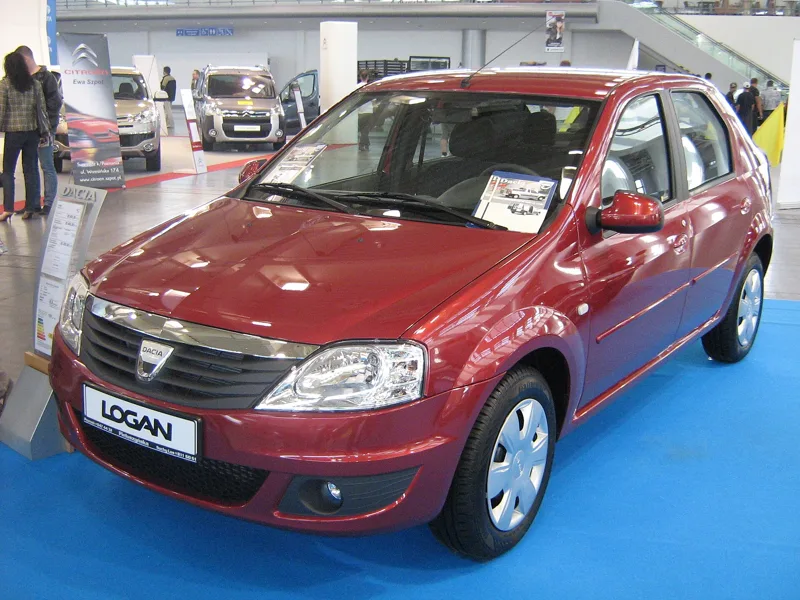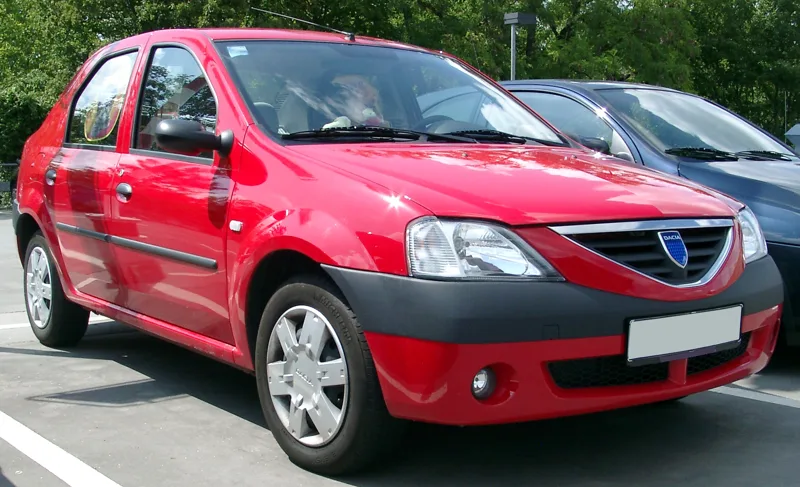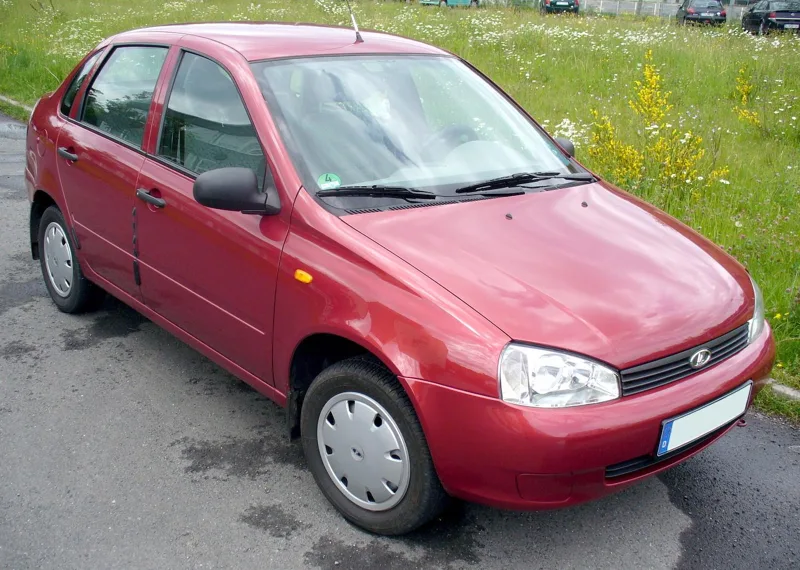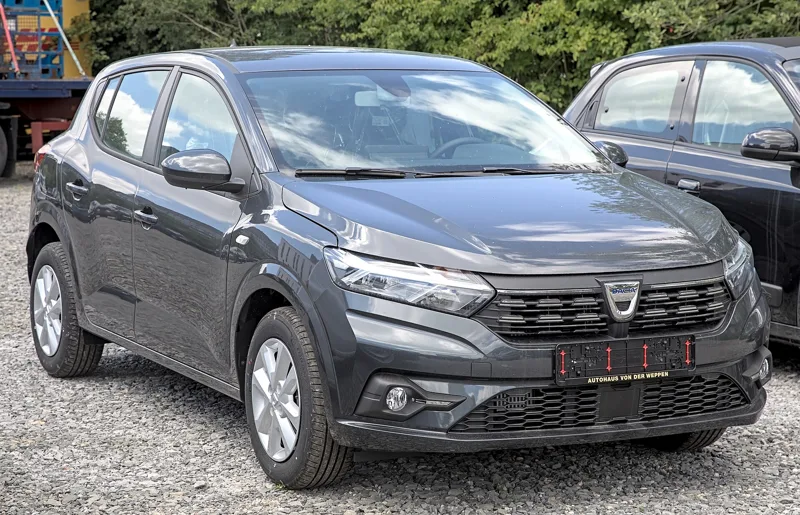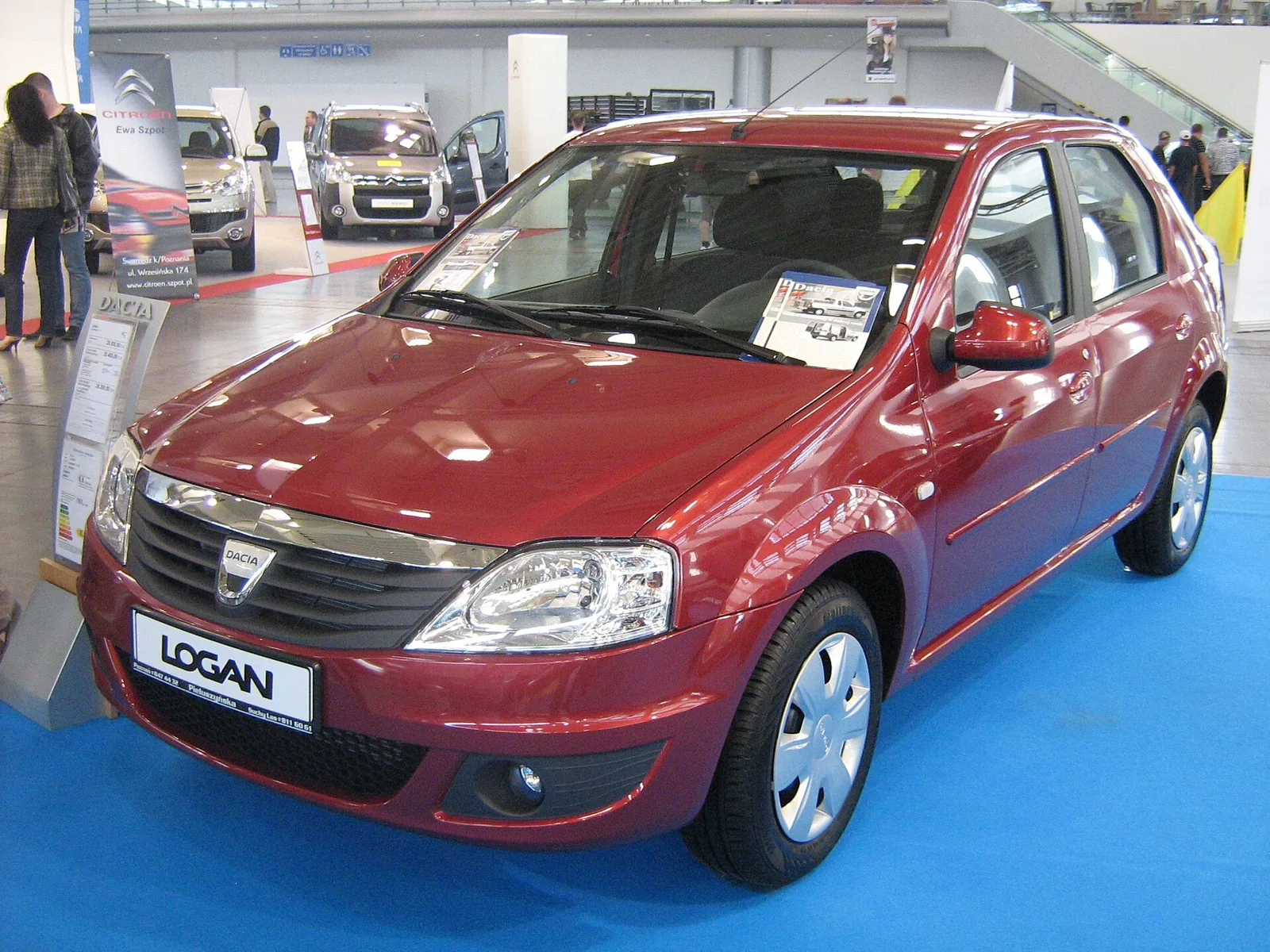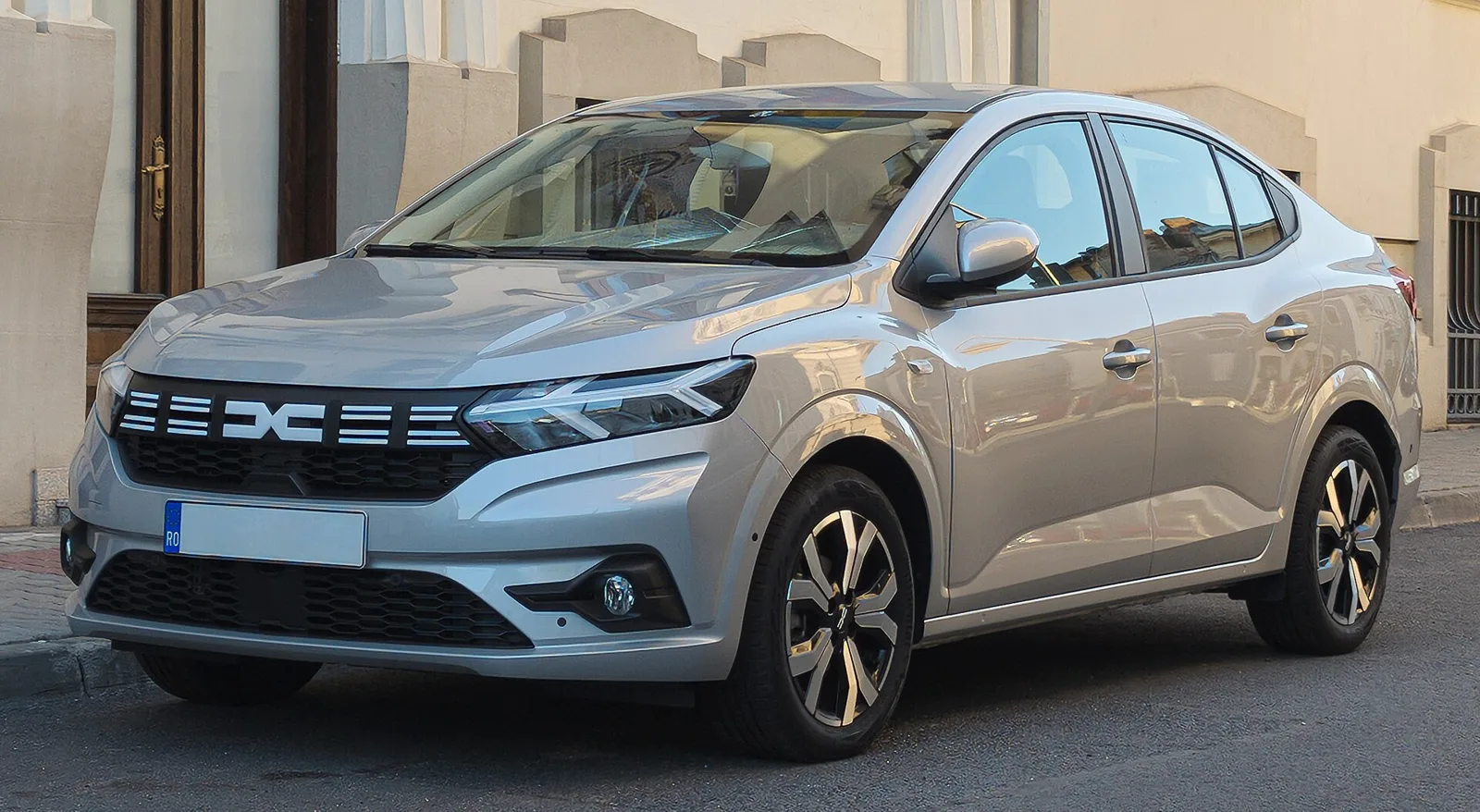
Renault's Dacia Logan and Lada's Kalina both aimed at low-cost motoring in the 2000s, but the Logan reached far more markets and far more sales.
The Dacia Logan is a family of cars made by Renault and Dacia from 2004, sold as a sedan, station wagon and pick-up, with over 4 million sales by 2018. The Lada Kalina is a supermini built by AvtoVAZ from 2004 to 2018, offered as a sedan, hatchback and wagon with engines of 81 to 98 hp.
The Dacia Logan and the Lada Kalina were both budget family cars from the 2000s, designed to keep purchase and repair costs low for buyers who could not afford a mainstream European car. They came from very different starting points, one a Romanian brand revived by Renault and the other a long-established Russian maker.
Their paths diverged quickly. The Logan became a global family of cars that was assembled in many countries, while the Kalina remained a largely Russian product with a smaller export reach and a later second generation.
Why were the Logan and Kalina built?
The Logan was designed at Renault's Technocentre near Paris after four years of development under the X90 project, which was announced in 1999 after Renault bought Dacia. It was conceived as an affordable car for markets where a cheap, no-frills family vehicle was in demand.
The Kalina's works began in 1993, with the project named Lada-Kalina in 1998 and prototypes shown in 1999, 2000 and 2001. Production began with a four-door sedan in 2005, and the hatchback and station wagon followed in 2006 and 2007.
The Logan's cost focus was clear from the start. Renault's Louis Schweitzer reportedly saw Ladas selling well at dealers while far more expensive Renaults stayed in showrooms, and that gap helped justify a car that could be sold at very low prices.
Both were built to be cheap to buy and cheap to fix, but one became a multi-country family and the other stayed largely a Russian success story.
How did the two cars differ in design?
The Logan was built on the Dacia B0 platform, which it shared with other Renault and Nissan models. It has 50% fewer parts than a high-end Renault and a limited number of electronic devices, which made it cheaper to produce and to repair.
Small details reflected the cost focus. The rear-view mirrors are symmetrical, the windscreen is flatter than usual, and the dashboard is a single injection-moulded piece. The suspension is soft and strong, and the chassis sits higher than most compact cars to cope with rough roads.
The Kalina used hot-dip galvanised steel with enhanced corrosion resistance, developed by a number of Russian steel producers. Its interior and equipment were simpler, and the car offered driver and passenger airbags, ABS, electric power steering and air conditioning.
The Logan received a facelift on 1 July 2008, almost four years after its launch, with a more modern design and a more comfortable interior. The Kalina's second generation, revealed at the 2012 Moscow show, was basically a facelifted first generation with a slightly longer wheelbase.
What engines did each car offer?
The Logan's engines ranged from a 1.6-litre petrol unit to a 1.5-litre diesel introduced in September 2005. A 1.6-litre 16-valve petrol delivered 105 hp (77 kW), while the diesel rose to 85 hp (63 kW) in July 2007, and a 1.2-litre 16-valve petrol arrived in June 2009 with 75 hp (55 kW).
The first-generation Kalina had three inline-four petrol engines, delivering 81 to 98 hp (60 to 72 kW). Those were a 1.4-litre 16-valve with 91 hp (67 kW), a 1.6-litre 8-valve with 81 hp (60 kW) and a 1.6-litre 16-valve with 98 hp (72 kW).
The second-generation Kalina used two 1.6-litre petrol engines with 8 and 16 valves, producing 86 to 105 horsepower (64 to 78 kilowatts) and 140 to 145 N-m of torque. The Logan's engines were chosen to handle lower-quality fuel and to deliver powerful air conditioning in hot climates.
How did the two cars fare in crash testing?
The Logan earned three stars at Euro NCAP in June 2005, a result that confirmed Renault's early expectations. The facelifted car offered driver, passenger and side airbags on some variants, and it used the Bosch 8.1 ABS system with EBD and EBA.
The first-generation Kalina scored 5.6 points out of 16 in a frontal crash test by the Russian ARCAP programme in 2005, earning one star out of four. The record places that result alongside the car's airbags and ABS as its main protection.
The difference in crash ratings is a clear point of contrast, with the Logan's three Euro NCAP stars set against the Kalina's single ARCAP star. Both results were measured by different programmes, so they show the cars' safety in their own markets rather than on one shared test.
How well did each car sell?
The Logan has been estimated to have reached over 4 million sales worldwide as of 2018, a total that was vital to Renault group sales reaching the 4 million mark by 2010. Annual production reached almost 250,000 cars, and about half of those were exported, while Dacia's sales for 2006 exceeded EUR 1.5 billion.
The Kalina sold 60,746 units nationally in 2009, which made it the fourth most popular car in Russia that year, and it ranked first in 2012. Its overseas sales were smaller, and most of its success stayed inside Russia.
In India the Logan sold just over 44,000 vehicles, with an additional 2,600 in Nepal and South Africa. The Logan was marketed with the Mahindra-Renault logo until March 2011, and Mahindra then sold it as the Verito until production stopped on 31 December 2019.
Where were the two cars sold?
The Logan was sold as the Dacia Logan in Europe wherever Renault had a presence, and as the Renault Logan in markets such as South Africa, Argentina, Brazil and India. In Iran it was marketed as the Renault Tondar 90, which drew more than 100,000 orders in its first month.
The Kalina was exported to most Western European markets at about EUR 7,000 to 8,000, and it was marketed as the Lada 119 in Finland, where kalina means rattle or clatter. Its main competitors were low-priced cars such as the Dacia Logan and the Hyundai Accent.
The Logan's international reach was far wider than the Kalina's. It was assembled in eight countries, from Romania to India, and the record shows it reaching the market under different names in most of those places.
How were the cars built for rough roads and hot climates?
The Logan's suspension is soft and strong, and its chassis sits visibly higher than most compact cars. That helps it negotiate dirt roads and potholes on poorly maintained asphalt, which were common in the markets it was designed for, where road conditions were far harsher than in Western Europe.
The engine was specially prepared to handle lower-quality fuel, and the air conditioning was made powerful enough to lower the temperature several degrees. Those choices reflected the high temperatures found in the Middle East and the Mediterranean.
The Kalina was built with hot-dip galvanised steel to resist corrosion. Its rear seats folded to form a flat load platform, which made the car practical for family use.
How did the trims and special models develop?
In Romania the Logan began with four trims, Ambiance, Preference, Laureate and Ambition. The 1.6-litre petrol engine was offered only from Preference upward, and the 1.5-litre diesel arrived in September 2005, before a Laureate Plus trim was added in January 2006.
The Prestige trim arrived in September 2006 with larger door mirrors, fully body-coloured bumpers and leather on the gear lever and steering wheel. Later Logan engines included a 1.2-litre 16-valve petrol added in June 2009.
The Kalina's special versions were smaller in scope. The Kalina GS Sport offered a sportier look, and the Kalina Cross wagon debuted in 2014 with 20 mm more road clearance and a plastic body kit.
The Lada El Lada was a Kalina station wagon converted to electric power in 2011, with a 30 kW motor and a 23 kWh battery pack. Only 100 were produced, which makes it a footnote rather than a volume product. Lada was willing to experiment, even if the programme stayed small.
Where did each car find a second life?
Mahindra kept the rights after the Indian joint venture with Renault ended in 2010, and it sold the Logan as the Verito with minor front changes and Renault diesel engines. Production of the Verito stopped on 31 December 2019, and an electric eVerito followed from 2016. That split left Mahindra free to tune the car for Indian buyers.
In Iran the Logan became the Renault Tondar 90, and Renault held 51 percent of Renault-Pars. Pars Khodro's later Cadilla facelift, released in 2023, used over 85 percent local parts and a 1.6-litre Saipa engine.
The Kalina also inspired the Datsun mi-DO, which was produced specifically for the Russian market. That shows how the Kalina platform could be re-badged for another brand when the market called for it.
How do the specifications compare?
| Specification | Dacia Logan | LADA Kalina |
|---|---|---|
| Launch | June 2004 | 18 November 2004 |
| Body styles | sedan, station wagon and pick-up | sedan, hatchback and station wagon |
| Platform | Dacia B0 | no figure given |
| Engines | 1.6-litre petrol, 1.5-litre diesel, 1.2-litre 16-valve | 1.4 and 1.6-litre petrol, 81 to 98 hp |
| Top power | 105 hp (77 kW) 1.6-litre 16-valve | 98 hp (72 kW) 1.6-litre 16-valve |
| Crash rating | three stars, Euro NCAP | one star, ARCAP |
| Cheapest version | EUR 5,900 | no figure given |
| Sales | over 4 million by 2018 | 60,746 in Russia in 2009 |
| Production ended | no figure given | July 2018 |
Which buyer suits each car?
The Logan suits a buyer who wants a basic, easy-to-repair family car with generous space and a long history of production. The Kalina suits a buyer who wants a Russian-built supermini with a choice of petrol engines and a second generation with a wagon body.
Buyers looking for a car that is widely supported across many markets will find the Logan's record more reassuring. Those who want a supermini with a clear Russian identity, and who accept a lower crash rating, may prefer the Kalina.
The record gives no current values for either car, so a buyer should check present-day prices and availability before comparing purchase costs.