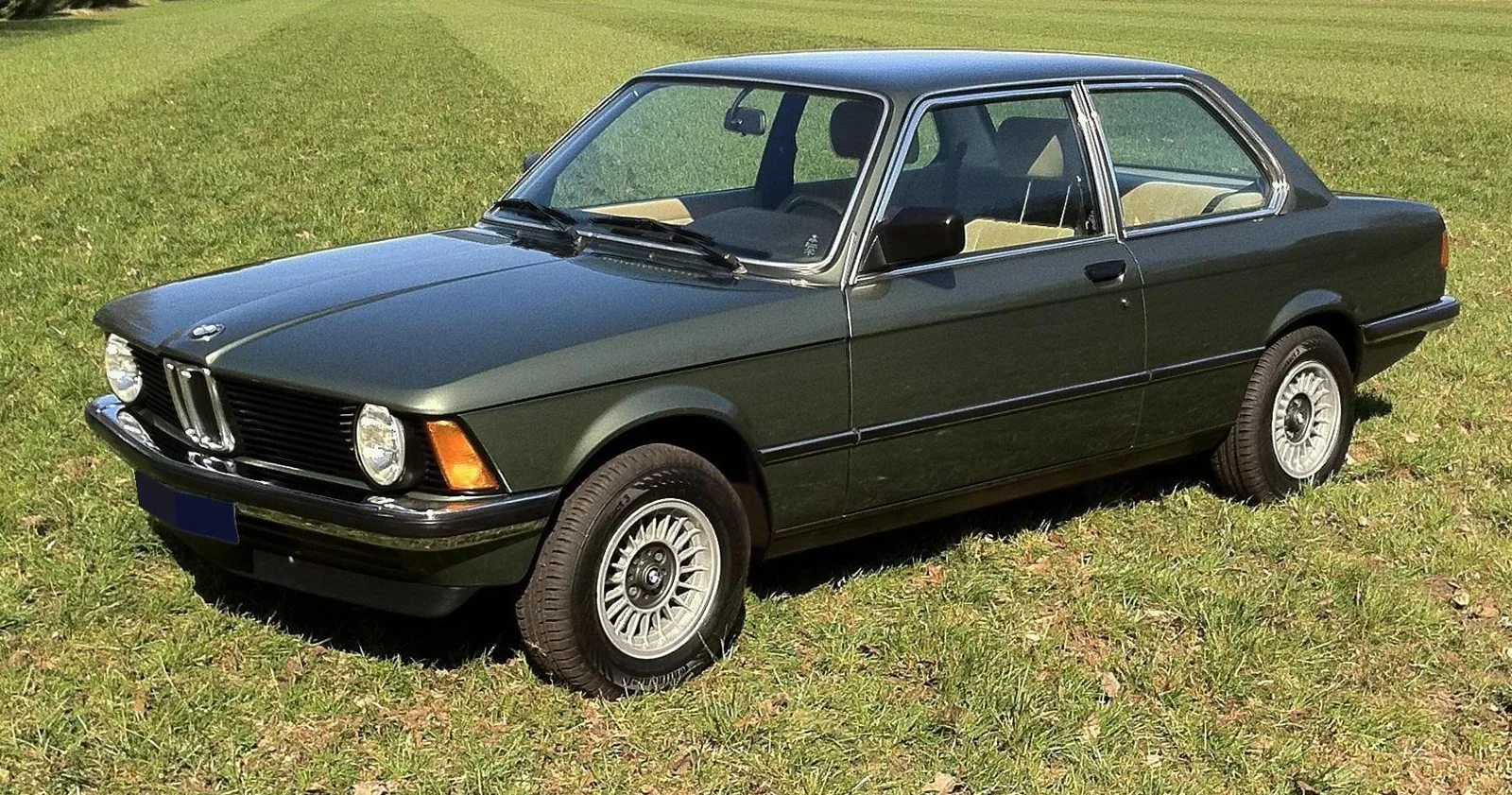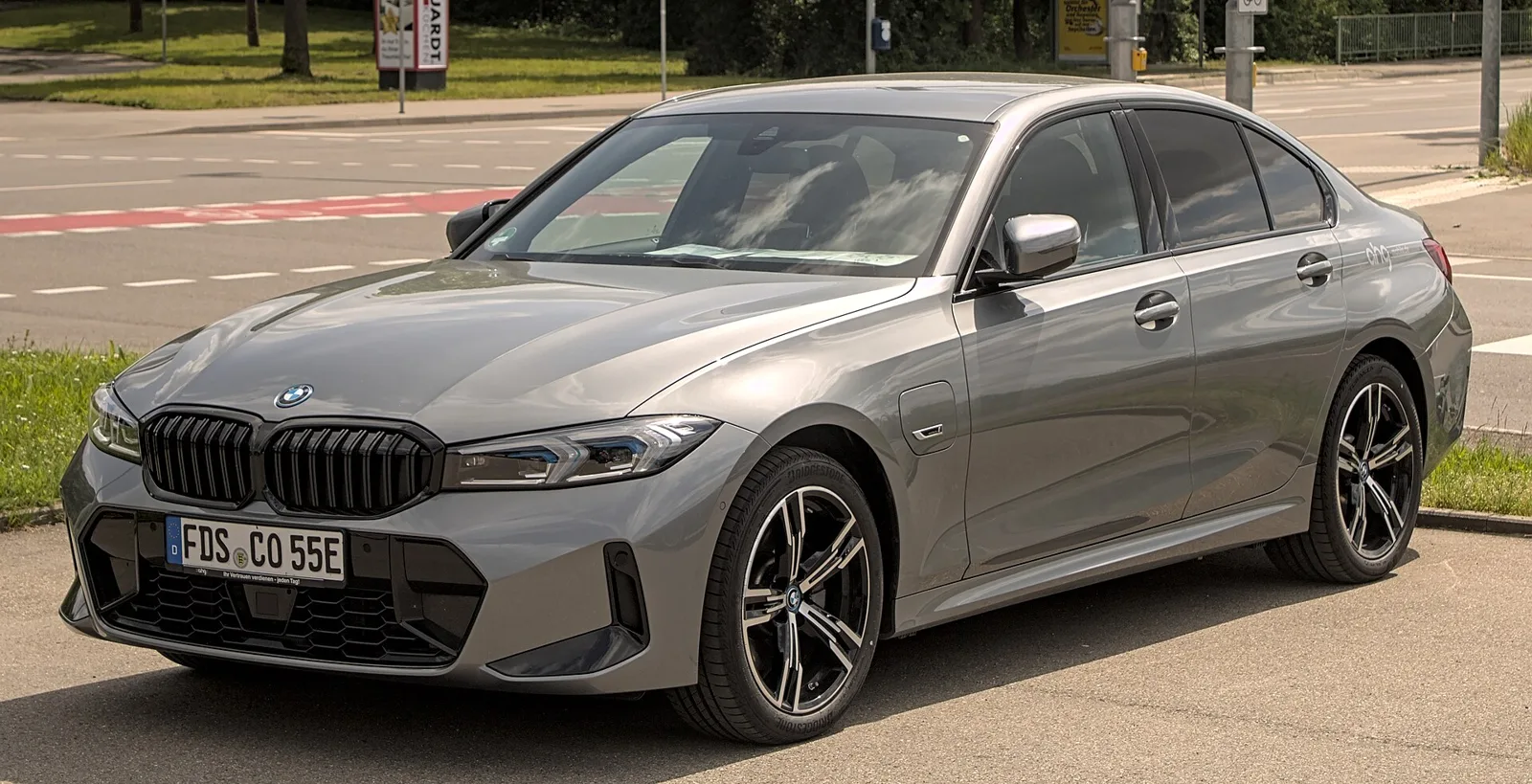
The BMW E21 and the Lexus IS both aimed at the compact executive buyer, though they were separated by almost a quarter-century and very different engineering.
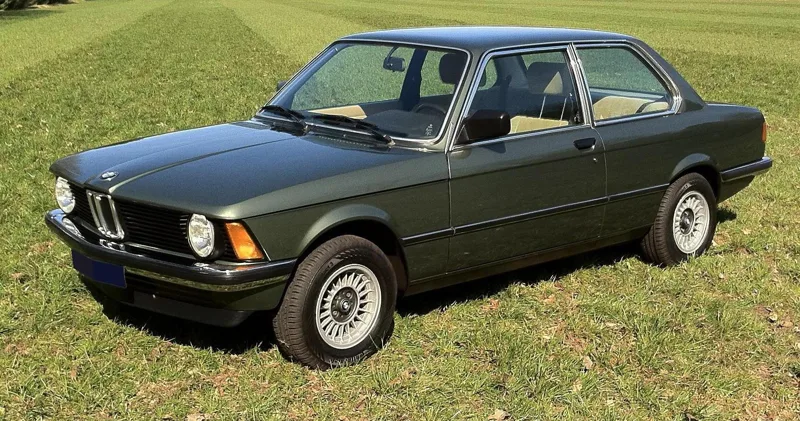
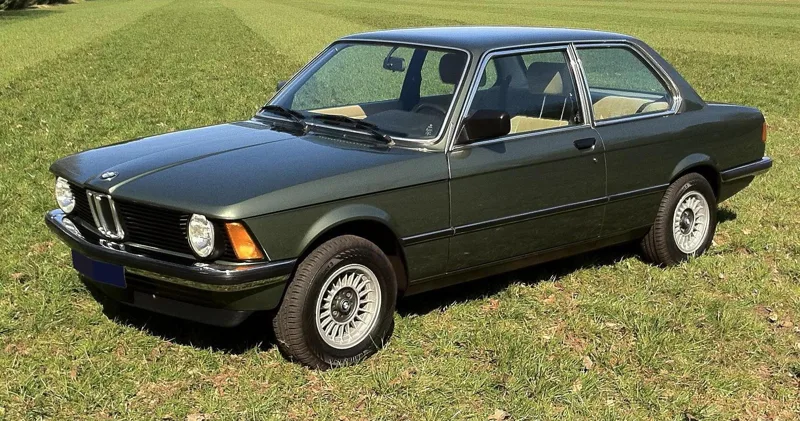
The BMW E21 was the first generation of the BMW 3 Series, built from June 1975 to December 1983 as a two-door sedan or coupe. The Lexus IS is a compact executive car sold by Lexus since 1998, with its designation standing for Intelligent Sport.
The BMW E21 was the first 3 Series, and the Lexus IS was the compact sedan Lexus began selling in 1998. Together they show how a compact executive car changed between the 1970s and 1998.
The E21 was a small BMW with a six-cylinder option and a kidney grille, while the IS came from a Japanese luxury brand with a different idea of what a compact executive car should offer.
Why were the E21 and IS compared?
The E21 succeeded the BMW 02 Series and ran from June 1975 to December 1983. The Lexus IS entered the range in 1998 as an entry-level sport model below the ES.
Both cars were compact executive models from their makers, which is why they meet in this comparison. The E21 was introduced at the Munich Olympic Stadium in July 1975, and the IS was introduced in Japan as the Altezza.
Majority shareholder Herbert Quandt pushed for the change that produced the E21, according to the record. The IS, by contrast, was the product of Lexus's own line-up planning in 1998.
The E21 and the IS were launched in different eras and under different production systems, so the record describes them through different details. The E21's story is one of volume and convertibles, while the IS's is one of a Japanese entry model with an export history.
The E21 replaced the 02 Series and was launched as the first 3 Series, while the IS was positioned as an entry model below the ES. The two cars therefore started from different positions in their makers' lines.
The E21 built 1,364,039 cars and gave BMW its compact executive identity, while the IS was Lexus's first compact sedan and was sold in Japan as the Altezza.
How did the two cars come to market?
The E21 launched in July 1975 at the Munich Olympic Stadium. The IS first went on sale in Japan as the Toyota Altezza in 1998, and Lexus sold it under the IS name from that year.
Baur's convertible, the TopCabriolet, reached 4,595 built, and a 320iS version added 2,500 more. The E21 had a long production run, from June 1975 to December 1983, and a total production of 1,364,039 cars.
The IS had a shorter start in Japan as the Altezza from 1998 to 2005, followed by export sales as the IS. First-generation US sales peaked at 22,486 in 2001 and fell below 10,000 by 2004.
The E21's design is credited to a single designer, and the record names Paul Bracq. The IS's design details are more about its interior and its later dimensions, so the two designs are best compared as expressions of their decades.
Both cars were compact enough to serve as entry points into their makers' ranges. The E21 brought the 3 Series name to market, while the IS gave Lexus a compact executive option, and that shared role shapes the rest of the comparison.
How did the two cars differ in design?
The E21's kidney grille resembled the E12 5 Series, and its design is credited to Paul Bracq. The E21 had a 2.6 m (102 in) wheelbase with minimal overhangs, and the 1979 facelift added rotary knobs and a digital clock. The first IS had a chrome metal ball shifter and chronograph-style instruments.
The Design Museum London named the E21 among fifty cars that changed the world, which is the strongest recognition of design in this comparison. Six-cylinder E21 models had quad round headlights.
The second-generation IS was 89 mm longer than the first, with a drag coefficient of Cd=0.28. The IS 300 gained full leather seats and auto-dimming mirrors in Europe, along with HID headlamps for the European and Australian markets.
The IS 300 lacked a manual gearbox in Europe, which the record says limited its sales against the 3 Series. The IS 200 did better than the 300 in Europe relative to targets.
The E21 offered an unusually wide engine range for a compact car of its time, from a 1.6-litre four to a 2.3-litre six. The IS's range was narrower in the record, centred on six-cylinder units and a diesel option, which reflects the change in choice between the two eras.
Design choices in the E21 were made within a body with a wheelbase and minimal overhangs. The IS's dimensions were set against its predecessor's, with the second generation growing in width and length.
What engines did each car use?
The E21 316 used a 1.6-litre M10 engine producing 90 PS (66 kW; 89 hp), and the 323i used a 2.3-litre six that needed 8.7 seconds to reach 100 km/h and topped out at 190 km/h (118 mph). The first IS 200 used a 2.0-litre six, and the IS 200 in Europe produced 153 hp (114 kW).
The E21 316 took 14 seconds to reach 100 km/h, with a top speed of 160 km/h (99 mph). The 318i took 11.5 seconds to reach 100 km/h and reached 173 km/h (107 mph), while the 320i took 10.5 seconds and reached 180 km/h (112 mph).
The E21 315 produced 75 PS (55 kW; 74 hp) and took 14.8 seconds to reach 100 km/h. Its transmissions were a 3-speed ZF automatic and 4- or 5-speed Getrag manuals, so the range offered a clear choice of drivetrains.
The IS 300 used the 3.0-litre 2JZ-GE straight-six, and the IS 220d introduced a diesel in 2006. The record describes the IS 350 as quick off the line, while the IS 200 in Europe required 9.3 seconds to reach 100 km/h, and its ceiling was 216 km/h (134 mph).
The engine section reveals a difference in ambition. The E21 gave buyers a choice of petrol engines and gearboxes across a wide price range, while the IS gave buyers a more focused line-up built on one six-cylinder family.
The E21's engine choices were wide enough to suit buyers across a range of budgets and tastes, while the IS's engine choices were narrower and aimed at a single premium market. Those differences reflect how each maker thought about the compact executive buyer.
How did sales and reception compare?
The E21 sold 1,364,039 cars in total from June 1975 to December 1983, and the IS's first-generation US sales peaked at 22,486 in 2001 before falling below 10,000 by 2004. The second-generation IS logged over 49,000 units in its first year in the US.
The IS was named Japan's Car of the Year for 1998 to 1999 as the Altezza. The IS 200 and IS 300 had different European sales results, with the IS 300 limited by its lack of a manual gearbox.
The E21's reception is covered mainly through its design and production totals, while the IS's reception is covered through its sales and its Japanese award. The two records therefore measure different things.
Reception shows the two cars' different routes to recognition. The E21's recognition came through its design and its production numbers, while the IS's came through a Japanese award and US sales results.
The reception section is short for the IS and longer for the E21, which reflects the record's emphasis on design recognition and production totals for the BMW.
The E21's reputation rests on its design and volume, which the record describes through production totals and a design honour. The IS's rests on sales peaks and a Japanese award, so each car's standing rests on a different kind of evidence.
Did either car have a motorsport record?
The E21 had a motorsport record through its Group 5 320, nicknamed the Flying Brick, which was developed in just over 12 weeks. The 320 won its first race at Zolder in 1977 and took the 1981 and 1982 Guia Race of Macau, and BMW junior team drivers Winkelhock, Cheever and Surer raced it.
The record gives no motorsport record for the IS, which leaves the E21 as the only car in this comparison with a racing history in the material.
The contrast is clear: the E21 became a competition car as well as a road car, while the IS's sporting story rests on its road performance figures.
The motorsport section is the clearest difference between the two cars: the E21 raced and the IS did not in the record.
The motorsport and reception sections show the two cars from different angles: one as a competitor on the track and a volume seller, the other as a sales story in its home market and the US.
How do the specifications compare?
| Specification | BMW E21 (first generation) | Lexus IS (first generation) |
|---|---|---|
| Years | June 1975 to December 1983 | 1998 in Japan as the Altezza; sold by Lexus since 1998 |
| Body | two-door sedan or coupe; convertibles by Baur | compact sedan |
| Total production | 1,364,039 | no figure given |
| Base engine | 1.6-litre M10, 90 PS (66 kW; 89 hp), E21 316 | 2.0-litre straight-six, IS 200 |
| Larger engine | 2.3-litre six, 323i, 8.7 seconds to 100 km/h | 3.0-litre 2JZ-GE straight-six, IS 300 |
| 0-100 km/h | 14 seconds (316); 8.7 seconds (323i) | 9.3 seconds (IS 200 in Europe) |
| Top speed | 160 km/h (99 mph) for 316; 190 km/h (118 mph) for 323i | 216 km/h (134 mph) for IS 200 in Europe |
| Transmission | 3-speed ZF automatic; 4- or 5-speed Getrag manual | no figure given |
| Peak US sales | no figure given | 22,486 in 2001 |
Read down the table and the E21 is the older car with far more built and a racing career, while the IS is the newer compact sedan with the sales peak. The figures reflect almost a quarter-century between the two designs.
Read together, the table and the sections above show two compact executives from different decades. The E21 stands out for its racing record and production total, while the IS stands out for its later performance options and its modern equipment.
Which buyer suits each car?
The E21 suits a buyer who wants a historic compact executive car with a racing history and a wide choice of engines and gearboxes, including the six-cylinder 323i. The IS suits a buyer who wants a newer compact sedan from a Japanese luxury brand, with petrol and diesel engines over its life.
Enthusiasts of classic BMW design will find the E21 the more interesting car, and the production total shows how widely it was adopted. Buyers who want a modern compact sedan with a luxury badge will look to the IS.
The record gives no current values for either car, so buyers should check present-day prices and condition before comparing purchase costs.