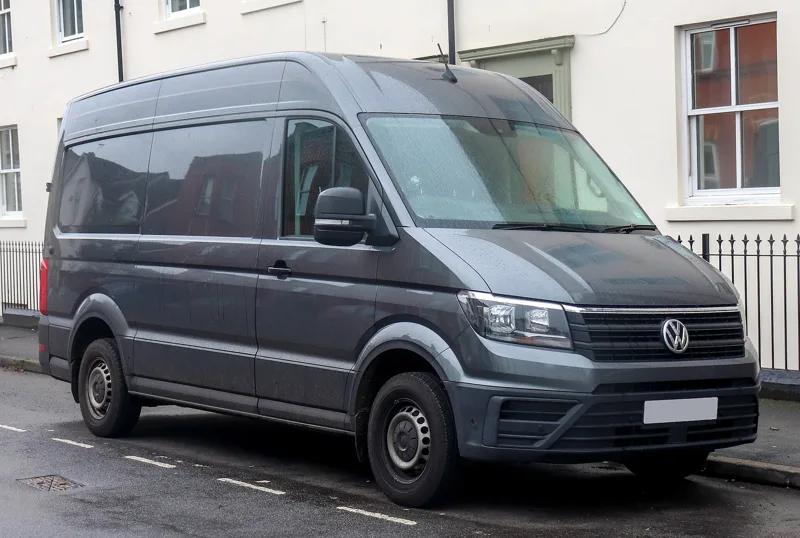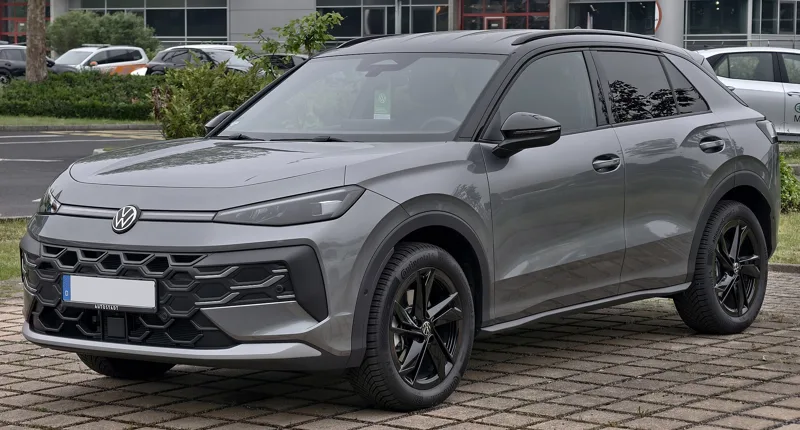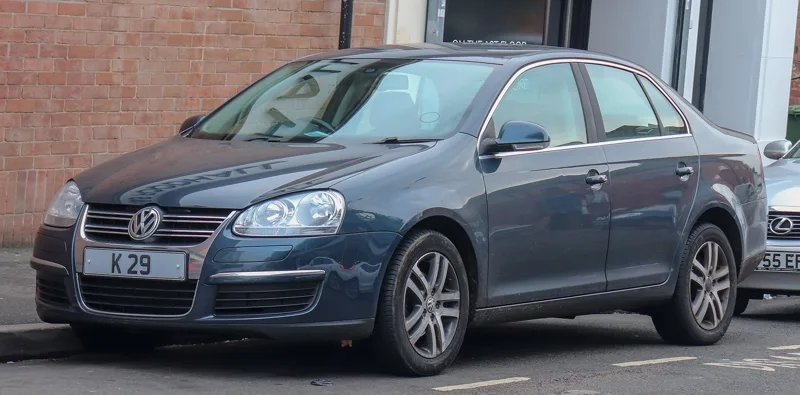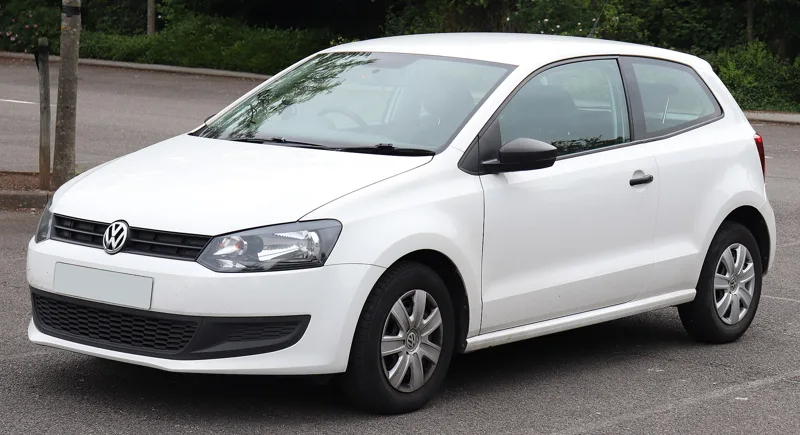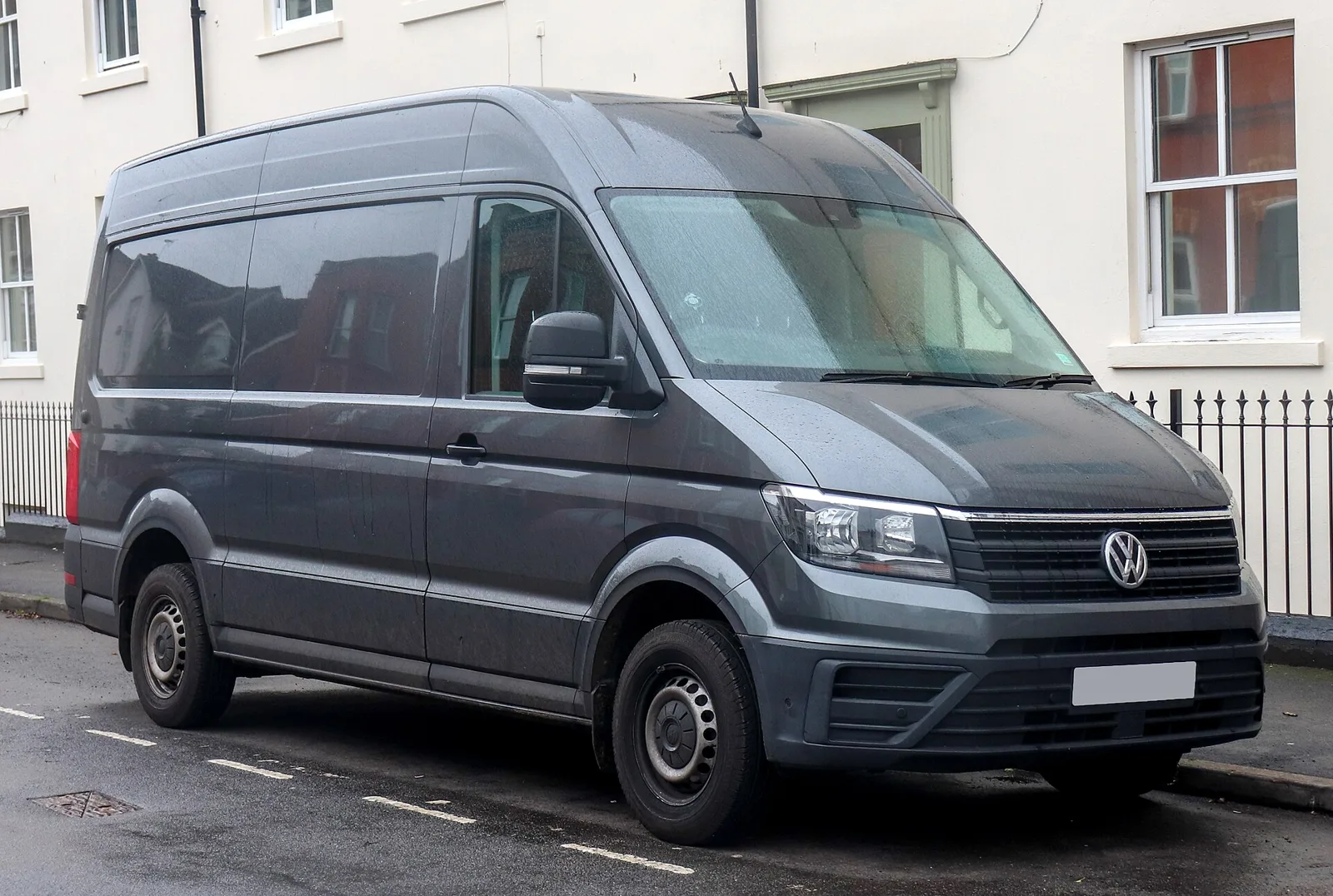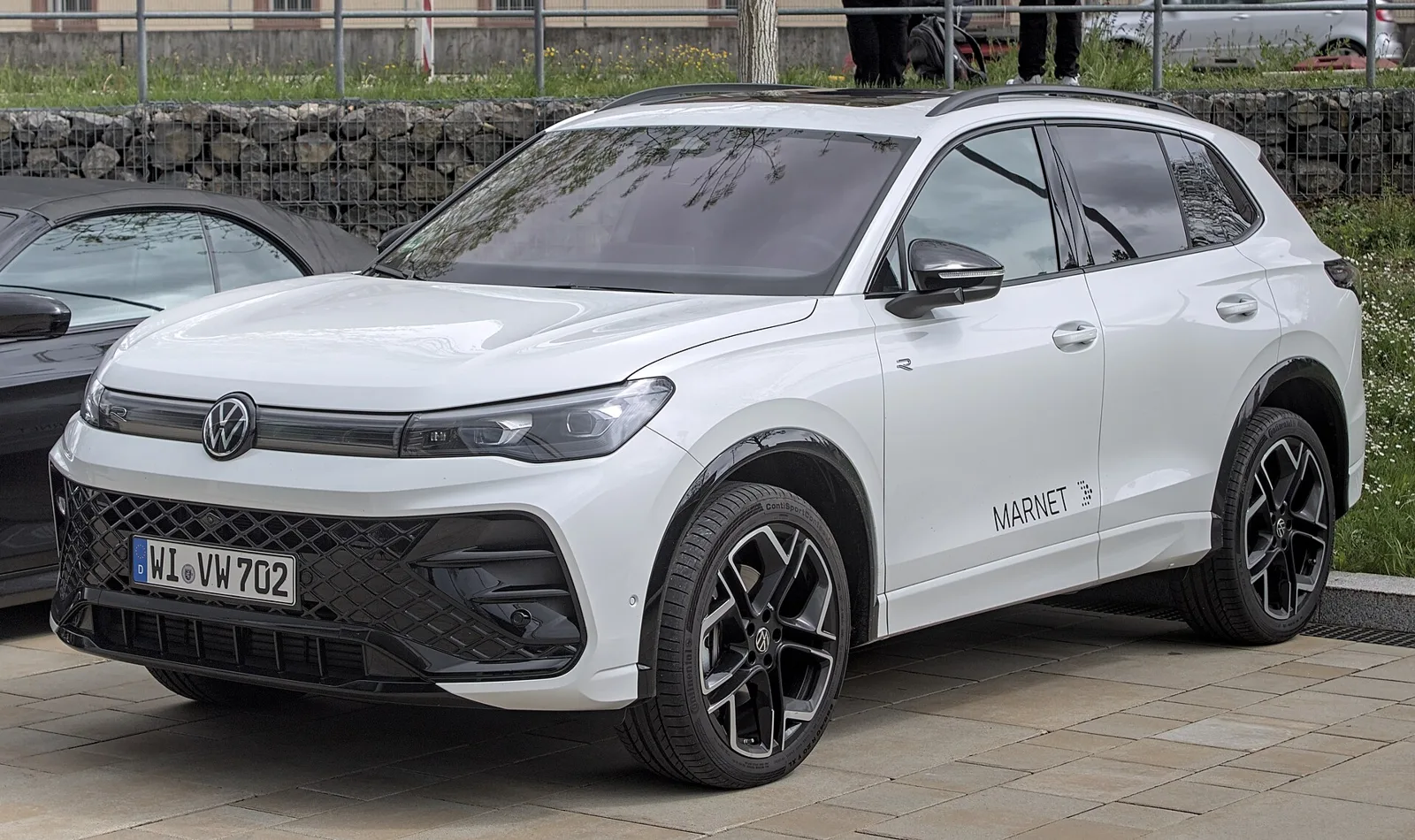
The SUV that grew into the Volkswagen Group's best-selling car, from a 2007 original through a 2016 second generation to a 2024 third.
The Volkswagen Tiguan is a compact-to-mid-size SUV built since 2007 and sold in three generations. Volkswagen's best-selling car overall, it had reached six million sales by spring 2020, and it still sits between the T-Roc and the Touareg in the range.
The Volkswagen Tiguan is a sport utility vehicle that Volkswagen has produced since 2007, and it became the best-selling car in the Volkswagen Group. By spring 2020 six million had been sold worldwide. It was also the best-selling SUV in Europe, although it began life as a niche product in the United States.
Where does the Tiguan sit in Volkswagen's range?
The Tiguan sits between the smaller T-Roc and the larger Touareg in Volkswagen's crossover SUV range. Europe treats it as a medium-sized SUV, while North America calls it a compact crossover. Three generations have been built so far, starting on the PQ46 platform and moving to the MQB A2 platform in 2016.
Its size grew with the second generation. The first Tiguan had two rows of seats only, while the long-wheelbase version of the later car could seat up to seven.
A name that blends a tiger and an iguana carried a compact SUV to the top of the Volkswagen Group.
Where the name came from
The name is a portmanteau of the German words Tiger and Leguan, meaning tiger and iguana. It won a naming contest run by Auto Bild, a German car magazine, from a field that also included Namib, Rockton, Samun and Nanuk.
How did the first-generation Tiguan launch?
The first-generation car was shown first as a concept at the LA Auto Show in November 2006. Its production form was revealed online in June 2007 after a prototype preview in Namibia, and it was launched at the Frankfurt International Motor Show that September.
European sales began in early 2008 with two engines: a 2.0-litre 140 PS TDI and a 1.4-litre 150 PS TSI petrol. Production started at the end of 2007 at Auto 5000 in Wolfsburg and later continued at Wolfsburg and Kaluga, Russia.
Platform and shared parts
The first generation used the PQ46 platform, shared with the Volkswagen Passat (B6), the Volkswagen Sharan (7N), the Skoda Superb (3T) and the SEAT Alhambra (7N). A common belief holds that the Tiguan rides on the chassis of the Golf. The PQ46 is based on PQ35, but it sits higher in the range, and the Tiguan shares its dashboard design with the Golf Plus. The car's drag coefficient was 0.37.
First-generation trims and approach angles
Trim names changed from market to market. In the US the trims were S, SE and SEL, while the UK used S, Match, Sport and Escape. Canada offered Trendline, Comfortline and Highline, and Russia used Trend and Fun, Sport and Style, and Track and Field. European markets received an R-Line trim from 2010.
The Trend and Fun grade offered a maximum approach angle of 18 degrees, with six airbags, ESP and an electric parking brake with auto hold. The Track and Field package raised that to 28 degrees, adding a hill descent assistant, 16-inch alloy wheels and an electronic differential that engages at the slightest slip.
Did the Tiguan sell well in North America?
Not in large numbers. Volkswagen of America positioned the first generation as a niche product, imported from Germany and priced high by a weak dollar against the euro, with expected annual sales of 20,000 to 25,000 units. Only 175,606 Tiguans were sold in the United States from 2008 to 2015.
The sales figures were lacklustre against rivals. Volkswagen of America rebadged the outgoing first generation as the Tiguan Limited in April 2017, selling it beside the second generation. Slow sales compared with the newer car led to the Tiguan Limited being discontinued after the 2018 model year.
HyMotion, the fuel-cell prototype
At the November 2007 Michelin Challenge Bibendum in Shanghai, Volkswagen showed the Tiguan HyMotion study. Its hydrogen fuel cell produced 80 kW (107 hp), and combined with energy stored in the battery the electric motor could output a total of 100 kW (134 hp). Those figures gave a top speed of 150 km/h (93 mph) and 0 to 100 km/h in about 14 seconds.
The 6.8 ampere hour lithium-ion battery could be charged either by the fuel cell or by recovered braking energy, and it delivered 22 kW (30 hp) of output.
What changed with the second generation?
The second generation was unveiled at Frankfurt in September 2015 for the 2016 model year, now on the Volkswagen Group MQB A2 platform. It was 50 kg (110 lb) lighter than the outgoing car while 60 mm (2.4 in) longer, 30 mm (1.2 in) wider and with a wheelbase 77 mm (3.0 in) longer.
The rear bench is asymmetrically split and can slide up to 180 mm (7.1 in), and rear passengers gained 29 mm (1.1 in) of knee room. The long-wheelbase version, revealed in March 2017, has a wheelbase 109 mm (4.3 in) longer and is 215 mm (8.5 in) longer overall. It seats up to seven with optional third-row seats.
Which markets built their own Tiguan?
Several markets assembled the car locally. The long-wheelbase Tiguan is built in Mexico for worldwide markets except China, and SAIC-Volkswagen makes the Tiguan L and X in China. In India the model is assembled at the Aurangabad plant, while Malaysia's car is assembled at HICOM Automotive's plant in Pekan.
Special editions appeared in several markets. Australia's Wolfsburg Edition, on the short-wheelbase model from November 2018, was capped at up to 500 units, and an R-Line edition followed in April 2019 with only 1000 units. In Mexico, a Comfortline-based special edition went on sale on 15 October 2019.
China received the import version in 2009, and the locally built Shanghai-Volkswagen Tiguan followed at the 2009 Guangzhou Motor Show. Chinese-market cars were given a different name, while the import kept the letter name Tiguan. The first generation carried on in China as the Tiguan Silk Road until 2020.
What is the Tiguan R?
The Tiguan R is the performance version, introduced in 2020 alongside the facelifted model. It uses a new 2.0-litre turbocharged inline-four producing 320 PS (235 kW; 316 hp) and 420 Nm (310 lb ft), shared with the Arteon R and the Mk8 Golf R. All-wheel drive can split torque between the axles and between the rear wheels.
Other changes include lowered suspension, 21-inch wheels, upgraded brakes and an available Akrapovic exhaust. A driving mode selector includes a Race setting, which a dedicated button on the steering wheel can call up.
The 2020 facelift and the Tiguan X
The updated Tiguan was released on 30 June 2020. It received new headlamps, a radiator grille and broader bumper intakes similar to the Mk8 Golf, plus a new bonnet, LED tail lights and a rear diffuser. Inside, a multifunction digital steering wheel and a touchscreen running Volkswagen's MIB3 software arrived, and IQ Drive made its first appearance on the Tiguan.
The Tiguan X coupe-style SUV was revealed in China in September 2020. It borrowed the facelifted styling and the long-wheelbase chassis with a 2,791 mm (109.9 in) wheelbase. Two 2.0-litre TSI engines were offered: 190 PS (187 hp; 140 kW) with 320 Nm (236 lb ft), and 220 PS (217 hp; 162 kW) with 380 Nm (280 lb ft), both with a 7-speed DSG.
How safe is the Tiguan?
Both Latin NCAP and the IIHS have rated the Tiguan well. The Mexican-built car earned five stars from Latin NCAP 2.0 in 2019 for adult and infant occupants, plus two Advanced Awards for pedestrian protection and automatic emergency braking. The 2022 Tiguan also earned an IIHS Top Safety Pick+ award.
Its North American range from 2022 included blind-spot monitoring, forward-collision warning and rear traffic alert as standard. Most trims also carried IQ.Drive, which adds autonomous emergency braking with pedestrian monitoring, lane keep assist, adaptive cruise control and travel assist.
What is the third-generation Tiguan?
The third generation, designated CT1, was launched in 2024 after a prototype was unveiled on 14 June 2023. The production version was presented on 19 September 2023. In China it is sold as the Tiguan L Pro, with a longer wheelbase and body, while the North American model is nearly identical to the Chinese Tayron L.
Chinese buyers can order the Tiguan L Pro with a 1.5-litre mild-hybrid turbo four-cylinder for the 300TSI, or a 2.0-litre turbo four for the R-Line, both paired with a 7-speed DSG. The regulator published photos on 6 February 2026, and Volkswagen released exterior images the next day.
How did the Tiguan reach Australia, India and Malaysia?
Australia announced the second generation in October 2015, with pricing and specifications in July 2016 and sales from September 2016. India received it on 24 May 2017, and Malaysia on 5 April 2017. Indonesia followed in August 2017 at the Gaikindo show.
Australia's launch line-up had Trendline, Comfortline and Highline grades, with the R-Line package available only on the Highline. The Sportline trim arrived in December 2017. The long-wheelbase Tiguan Allspace was announced in April 2018 and went on sale in July 2018 with Comfortline and Highline trims, and the short-wheelbase Trendline was discontinued in August 2018.
Volkswagen India's return to the SUV segment came after the Touareg was dropped there in 2013. The Allspace was shown at the Auto Expo 2020 and launched in March 2020, and the facelifted car reached India on 7 December 2021.
Malaysia's second-generation Tiguan began as a short-wheelbase Comfortline and Highline with a 1.4-litre TSI and front-wheel drive only. The long-wheelbase version arrived in 2020, first imported from Mexico and later assembled locally from complete knock-down kits. Indonesia's Allspace, launched in July 2019, uses the same 1.4-litre TSI.
The Tiguan Offroad
Volkswagen revealed a Tiguan Offroad aimed at Europe at the 2018 Moscow salon. It had skid plates, black chrome window trim, black roof rails and a special OFFROAD badge on the B-pillar. Buyers could choose from six colours, and an Offroad Plus package added a black roof for two-tone paint.
The Offroad rode on 18-inch Sebring alloy wheels as standard, with three alternatives. A 7-speed DSG was standard, along with 4Motion all-wheel drive and its Active Control system, which switches between Onroad, Offroad and Snow modes.
What did the North American range offer?
The second generation was unveiled at the 2017 North American International Auto Show, with sales from summer 2017 as 2018 models. Only the long-wheelbase body was offered, with four US trims: S, SE, SEL and SEL Premium. Canada had three.
The North American engine was a single 2.0-litre TSI four-cylinder mated to an 8-speed automatic. Front-wheel drive or 4Motion all-wheel drive was offered, with third-row seats standard on front-wheel drive models and optional on all-wheel drive. The 2022 update brought standard LED lights, a new grille and an 8-inch digital gauge cluster, and wireless Apple CarPlay and Android Auto on all but the base model.
Specifications at a glance
| Specification | Detail |
|---|---|
| Platform, first generation | PQ46, shared with Passat B6, Sharan 7N, Superb 3T, Alhambra 7N |
| Platform, second generation | MQB A2, 2016 model year |
| Production start, first generation | End of 2007, Wolfsburg |
| Launch engines, Europe | 2.0-litre 140 PS TDI, 1.4-litre 150 PS TSI |
| Tiguan R | 2.0-litre turbo four, 320 PS (235 kW; 316 hp), 420 Nm (310 lb ft) |
| Tiguan X top engine | 220 PS (217 hp; 162 kW), 380 Nm (280 lb ft), 7-speed DSG |
| Second generation wheelbase increase | 77 mm (3.0 in) |
| Long-wheelbase version | 109 mm (4.3 in) longer wheelbase, up to seven seats |
| Worldwide sales | Six million by spring 2020 |
| Latin NCAP 2.0 (2019) | 5 stars, adult and infant occupants |