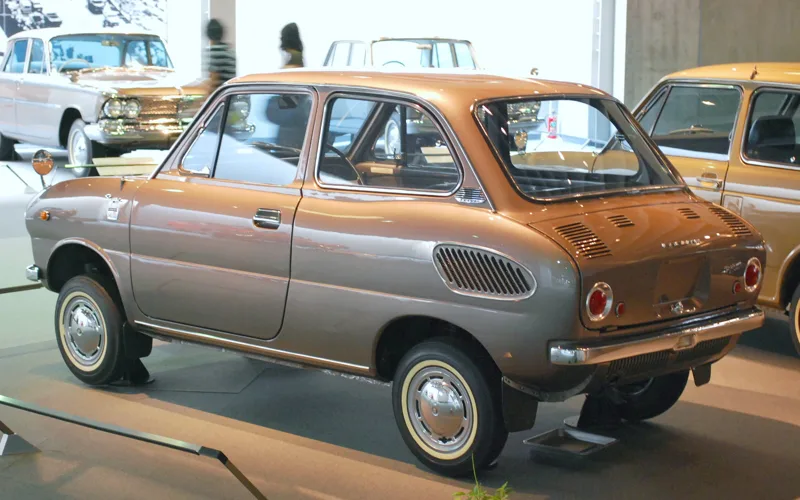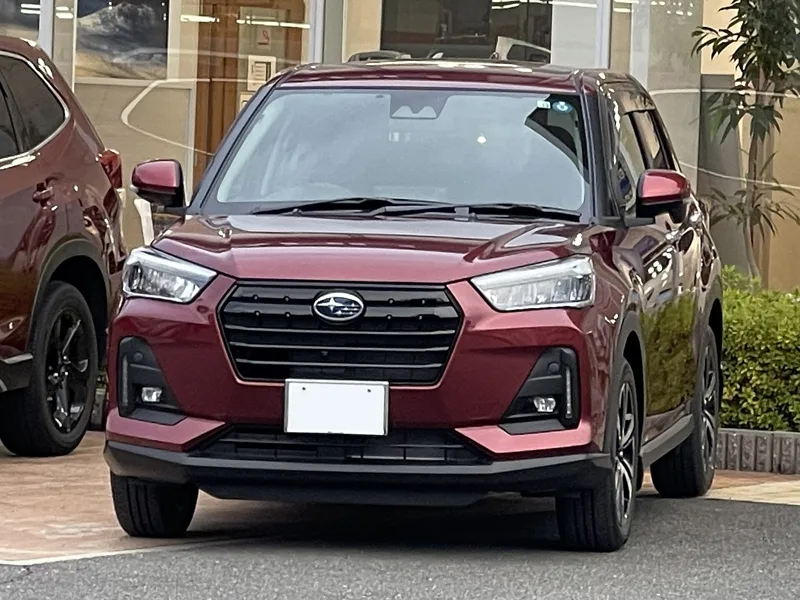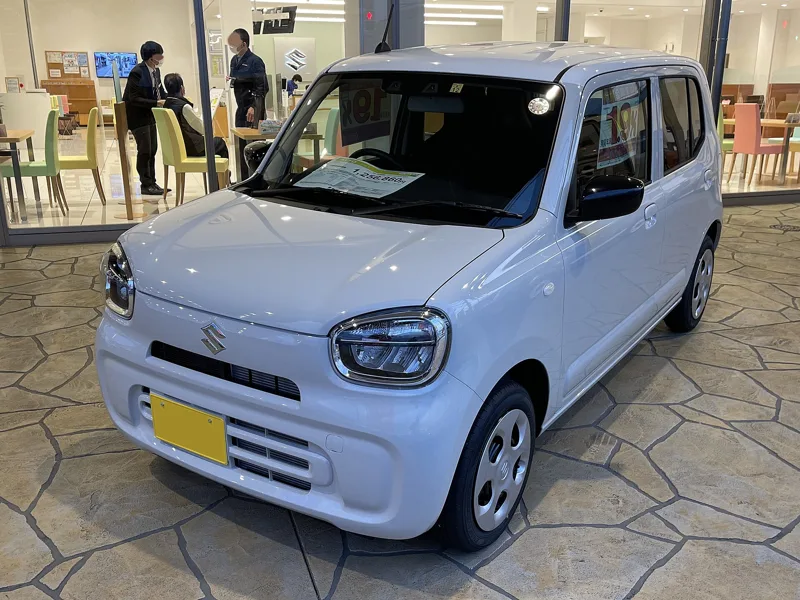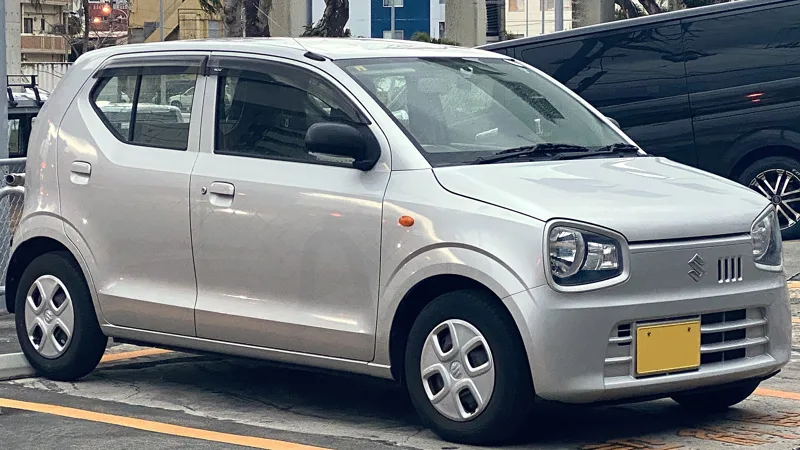
Suzuki's Cervo nameplate moved from a Giugiaro-styled sports minicar to a family hatchback, a retro Classic and a modern Alto-based kei car.
Suzuki's Cervo name, born in 1976 as a Fronte Coupe successor, first went on sale as a 1977 sports minicar. Later Cervos were Alto derivatives, and Suzuki dropped the name for good in December 2009.
The Suzuki Cervo is a kei car whose nameplate began in 1976 as the successor to the Fronte Coupe. The first Cervo went on sale in October 1977, and the name later moved to models derived from the Alto before Suzuki retired it again in December 2009.
Where did the Cervo name come from?
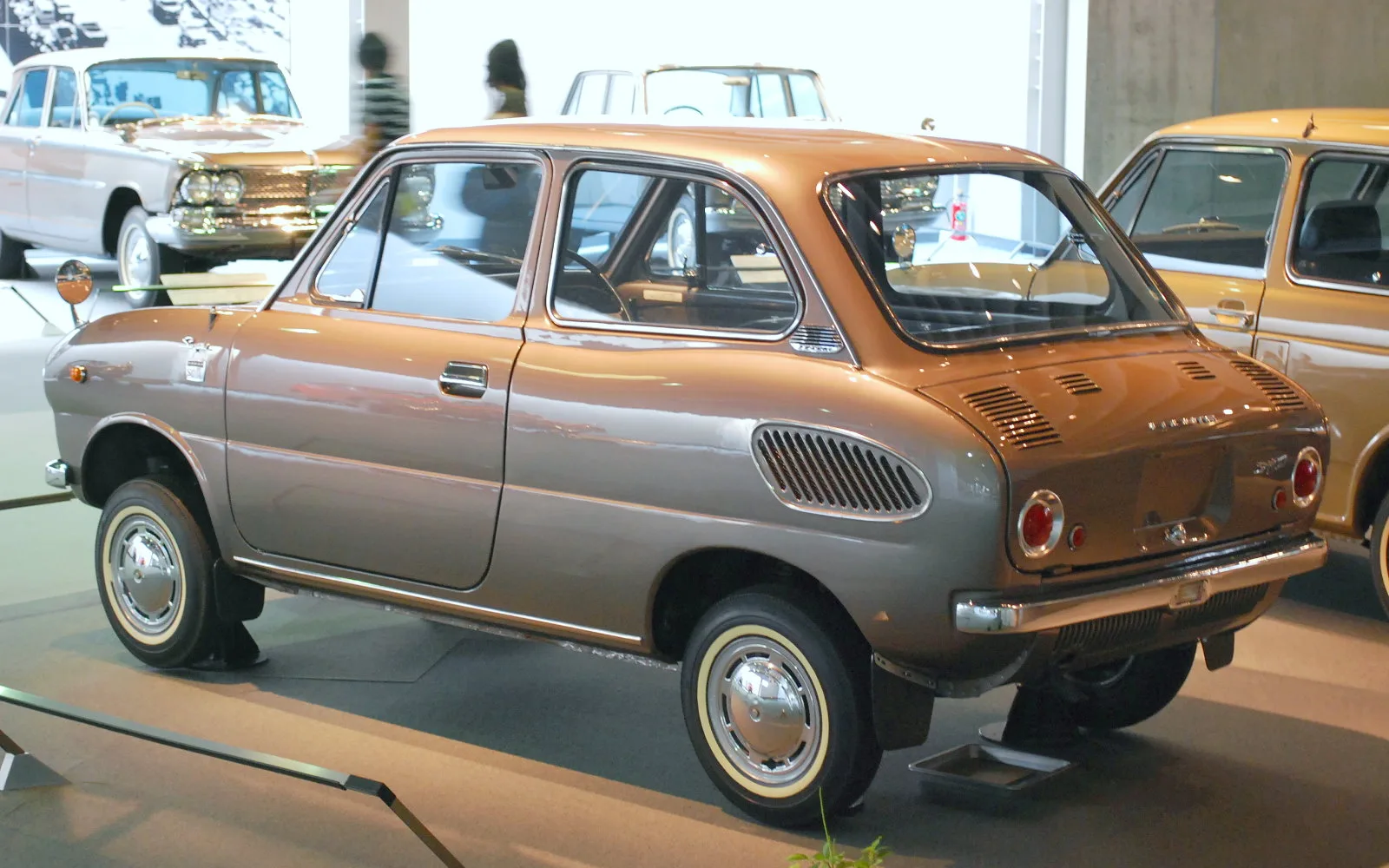
Suzuki was the first company to offer a kei car, in 1955. One departure from the usual kei formula was the Fronte Coupe, introduced in September 1971. It was a 2+2 mini GT with a Giugiaro design, built on the rear-engined Suzuki Fronte and measuring a mere 2995 mm in length.
The Fronte Coupe used a 359 cc two-stroke engine that produced 31, 34 or 37 PS depending on equipment. It was discontinued in June 1976, because it no longer suited the stricter kei limits and emissions rules. The Cervo name then returned after a gap of more than a year.
A Giugiaro-styled sports minicar that became a family hatchback, a retro Classic and an Alto-based kei car before its final end in 2009.
What was the SS20 Cervo?
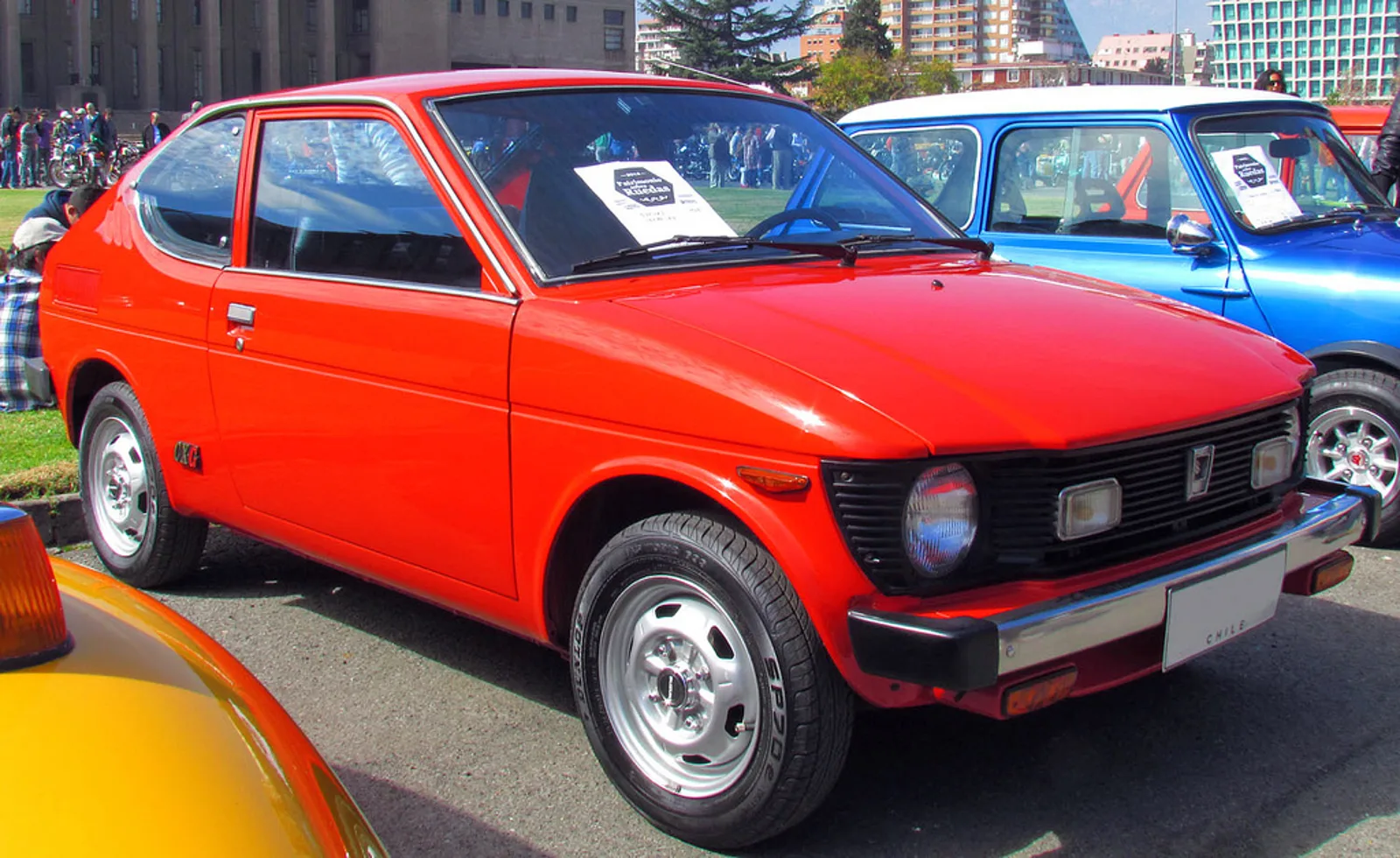
The SS20 Cervo appeared in October 1977 and was mainly a Japanese model, although it was also sold as a left-hand drive car in Chile. It used a 539 cc three-cylinder two-stroke engine and the chassis of the 1976 Fronte 7-S, with the larger T5A unit, a relative of the LJ50 that powered the Jimny and Fronte Hatch.
The body kept the Fronte Coupe's side panels, doors and side glass, but the car was made wider and extended at the front and rear. Round headlights replaced square ones, and a new rear glass hatch made the luggage area easier to reach. With the rear seats folded, it offered 195 L (6.9 cu ft) of load space, plus 30 L (1 cu ft) in the front compartment.
The emissions requirements hurt performance. The 360 cc version of the Fronte Coupe had made 37 PS (27 kW) at 6000 rpm, while the new T5A managed only 28 PS (21 kW) at 5000 rpm and carried 55 to 80 kg (121 to 176 lb) more weight. Gearing was low, and Car Graphic measured 111.80 km/h on its test car, with a 0-400 m sprint taking 23 seconds.
How were the SS20 trim levels arranged?
The entry-level CX was the cheapest model in 1977, while the top-of-the-line CX-G sat at the other end of the price list. The CX-L, a version aimed at women, arrived in September 1978 with brighter trim. Only the CX-G had front disc brakes, while the others used drums all round.
The SS20 received a light facelift in 1978, mainly for the interior. In June 1982 the rear-engined Cervo was replaced by the more conventional SS40. In Chile the SS20 was originally sold only with the 970 cc F10A engine, until a May 1979 tariff cut on cars below 850 cc made the 797 cc F8A inline four available there, under the SC80 chassis code.
What was the SC100 Whizzkid?
For export, Suzuki reworked the Cervo into the SC100, which debuted in April 1978 and was shown in Europe at Amsterdam's AutoRAI in February 1979. The SC100 gained a rear-mounted 970 cc four-cylinder F10A engine, later used in the SJ410, which produced 47 PS (35 kW). A contemporary test recorded 142.8 km/h (89 mph).
In the UK the car was called the Whizzkid, and it came only as the lavishly equipped GX. The GX had a cigar lighter, reclining front seats and independent suspension on all four corners, and it sold for 2,400 pounds sterling at introduction. An Alto of the same period cost 3375 pounds. The car earned a following with the late LJK Setright, a long-time CAR magazine columnist.
The SC100 was sold in Europe from 1979 to 1982. British importer Heron Suzuki sold 4696 cars there, and Nimag sold 3290 in the Netherlands, while the remaining 1299 went to New Zealand, South Africa and Latin America. As of mid 2014, 96 Whizzkids were registered with the DVLA in the UK, which shows how the car gained minor classic status.
How did the front-drive SS40 change the Cervo?
The all-new Cervo arrived in June 1982. It was built on the underpinnings of the recently revised Alto and Fronte, so it switched to front-wheel drive with a transversely mounted four-stroke engine. The F5A unit was the same one used in the SS40 Fronte, and a twin-choke carburettor gave 29 PS (21 kW), one more than the everyday Alto.
The SS40 sat lower and sportier than its Alto and Fronte siblings, though anyone over 172 cm (5 ft 8 in) would hit the roof. Its fastback shape echoed Giugiaro's original, and the larger rear hatch offered far more usable luggage space. It was also the first Cervo with an automatic, a two-speed unit that proved unpopular because it cost acceleration and fuel economy.
In May 1983 the car received a light facelift, with wing mirrors moved to the doors. The compression ratio rose to 9.7:1, and the car gained an automatic choke and transistor ignition. The CS-G became the first SS40 Cervo to feature male models in its advertising, and the CS-F offered a 5% fuel economy gain from its tall fifth gear.
What was the Cervo Turbo?
In November 1983 the turbocharged CT and CT-G joined the range. The F5A Turbo was Suzuki's first forced induction car engine, producing 40 PS (29 kW) and 54 N-m (40 lb-ft) of torque with an electronic carburettor and a lower compression ratio. The CT weighed 560 kg (1,235 lb), and the better-equipped CT-G was the pricier of the two.
Only a five-speed manual was offered on the turbo, with front disc brakes as standard. The interior had a two-tone red and black finish, and a dummy hood scoop added to the sporty look. Top speed was quoted at 135 km/h (84 mph). The turbo was dropped in February 1987, when the range was trimmed to the CS-G and the CS-D.
Why did the Cervo become a van-like car in 1988?
On 22 January 1988 the third-generation Cervo, the CG72V and CH72V, arrived with a squat, boxy rear. Its wide C-pillar, glass roof panel and small rear spoiler gave it a strange silhouette, and drivers nicknamed it the Airbrick. The interior featured a grey and bright yellow diagonal seat pattern and plenty of storage in the thick pillars and central console.
The engine was a carburetted F5B SOHC 12-valve three-cylinder of 547 cc, making 40 PS (29 kW) at 7500 rpm and 4.2 kg-m (41 N-m; 30 lb-ft) at 4500 rpm. The line-up was the front-drive CGXF with a five-speed manual, the CGXL with a three-speed automatic and the four-wheel drive CGXJ.
In March 1988 three models with electric power steering joined the range as the Gokigen Pack, a world first, at a premium over the standard car. The package also included air conditioning and a high-powered Mitsubishi Diatone stereo whose speakers sat in the C-pillars. The actress and pop idol Yuka Onishi fronted the advertising, and an all-female motorcycle team, Team Angela, raced a turbocharged Cervo in the 1988 Rallye des Pharaons.
The effort failed commercially. Daihatsu's new Leeza and Mazda's Autozam Carol sold far better, and the removal of certain tax breaks for small cargo vehicles closed the Cervo's niche. When the new 660 cc kei rules arrived, Suzuki ended production in May 1990 rather than spend heavily on updating a slow seller.
What was the Cervo Mode?
The Cervo name returned in July 1990, aimed once again at women drivers. The engine had grown by 110 cc under the new kei standards, and the car was 100 mm longer. It was a traditional two-box design, sold first as a three-door hatchback, and the Cervo Mode eventually became a full range, filling a niche above the regular Alto after the Fronte was discontinued.
The Cervo Mode started with turbocharged 660 cc engines in three- or four-cylinder form. A five-door followed in November 1990 with lesser engines, and those non-turbo versions were called sedans. Heartthrob Yuji Oda starred in the marketing. The Maruti-built version, the Zen, was sold as the Alto in Europe and Australia, though it was twenty centimetres longer and ten wider, with a one-litre engine.
The hottest version, the SR-Four, was the second kei car with a four-cylinder engine after the 550 cc Subaru Rex, and the first with a 16-valve DOHC turbo intercooler engine, the F6B. It came with Pirelli P700 tyres as standard, while ABS and full-time four-wheel drive were optional.
By November 1990 a 52/55 PS non-turbo F6A SOHC four-valve engine was available in many forms. The range was revised in September 1991 with side impact protection and high-mounted brake lights, and the model codes changed to CN22S, CP22S, CN32S and CP32S. By July 1992 the line-up had reached a faintly ridiculous 27 variants.
What was the Cervo C Classic?
In August 1996 the retro-look Cervo C appeared, following the success of Subaru's Vivio Bistro and Mitsuoka's Viewt. It was a well-equipped five-door with the 52 PS (38 kW) F6A engine, or 55 PS in the automatic four-wheel drive version. A three-door version joined in May 1997, and production ended in October 1998.
The Classic had a high-powered cassette stereo, power windows and locks, and wooden details on the dashboard and steering wheel. The bodywork was that of the Cervo Mode, but the front was new, with chromed bumpers, mirrors and door handles. A version was launched in India as the Zen Classic, which was a commercial flop there.
Why did the Cervo return in 2006?
In November 2006 Suzuki reintroduced the Cervo name on a modern, Alto-based kei car that was more luxurious than its predecessor. It came with a 658 cc K6A engine, 54 hp in the normally aspirated VVT G and 60 PS in the turbo T and TX. It was sold only as a five-door with a four-speed automatic, with a manual mode on the turbo cars, and it was marketed as a more masculine alternative to the MR Wagon.
The higher trims offered keyless entry and Bluetooth. The G Limited arrived in June 2007 with fourteen-inch alloy wheels and the TX's rear spoiler. In October 2007 the Cervo won the Japanese Good Design Award, and the SR arrived with a 64 hp direct-injection turbo engine and a Jatco seven-step CVT, the first such pairing in a Japanese car.
The SR had front-wheel drive and returned 23.0 km/L (54 mpg) on the test cycle. Later updates included liquid-seal engine mounts, suspension changes, the G Limited II in May 2008 with Alcantara trim and a sporty exterior. In May 2009 the T was dropped and the TX took the SR's aero front dam, while front-drive naturally aspirated versions improved fuel consumption by 15 percent.
The 2006 Cervo was meant to sell 60,000 units a year when it was introduced, but the goal had shrunk to 12,000 for 2009. Suzuki discontinued the Cervo during December 2009, bringing the nameplate to its final end.
What are the Suzuki Cervo specifications?
| Specification | Detail |
|---|---|
| Fronte Coupe | Introduced September 1971; 2995 mm long; discontinued June 1976 |
| SS20 engine | 539 cc three-cylinder two-stroke T5A, 28 PS (21 kW) at 5000 rpm |
| SS20 launch | October 1977; CX entry model; CX-G top trim |
| SC100 engine | 970 cc four-cylinder F10A, 47 PS (35 kW) |
| SC100 sales | Europe from 1979 to 1982; 4696 in Britain |
| SS40 engine | F5A front-drive, 29 PS (21 kW), twin-choke carburettor |
| F5A Turbo | 40 PS (29 kW), 54 N-m (40 lb-ft), five-speed manual only |
| CT weight | 560 kg (1,235 lb) |
| Third generation engine | 547 cc F5B 12-valve, 40 PS (29 kW) at 7500 rpm |
| Third generation launch | 22 January 1988; front-drive CGXF; four-wheel drive CGXJ |
| Cervo Mode | July 1990; three-door, then five-door from November 1990 |
| SR-Four engine | 16-valve DOHC turbo intercooler, F6B |
| Cervo C | August 1996; 52 PS (38 kW) F6A; production ended October 1998 |
| 2006 engine | 658 cc K6A; 54 hp normally aspirated, 60 PS turbo |
| 2006 SR | 64 hp direct-injection turbo with Jatco seven-step CVT |
| Final discontinuation | December 2009 |