A limited run of 85 plug-in hybrids with a single-speed direct drive, 1,797 hp of combined output and a production-car record set in 2023.
Built in 85 examples after its March 2015 debut, the Regera pairs a 5.0 L twin-turbo V8 with three electric motors and a single-speed direct drive instead of a conventional gearbox. Combined output is 1,340 kW (1,797 hp; 1,822 PS), and the car also holds a production-car record.
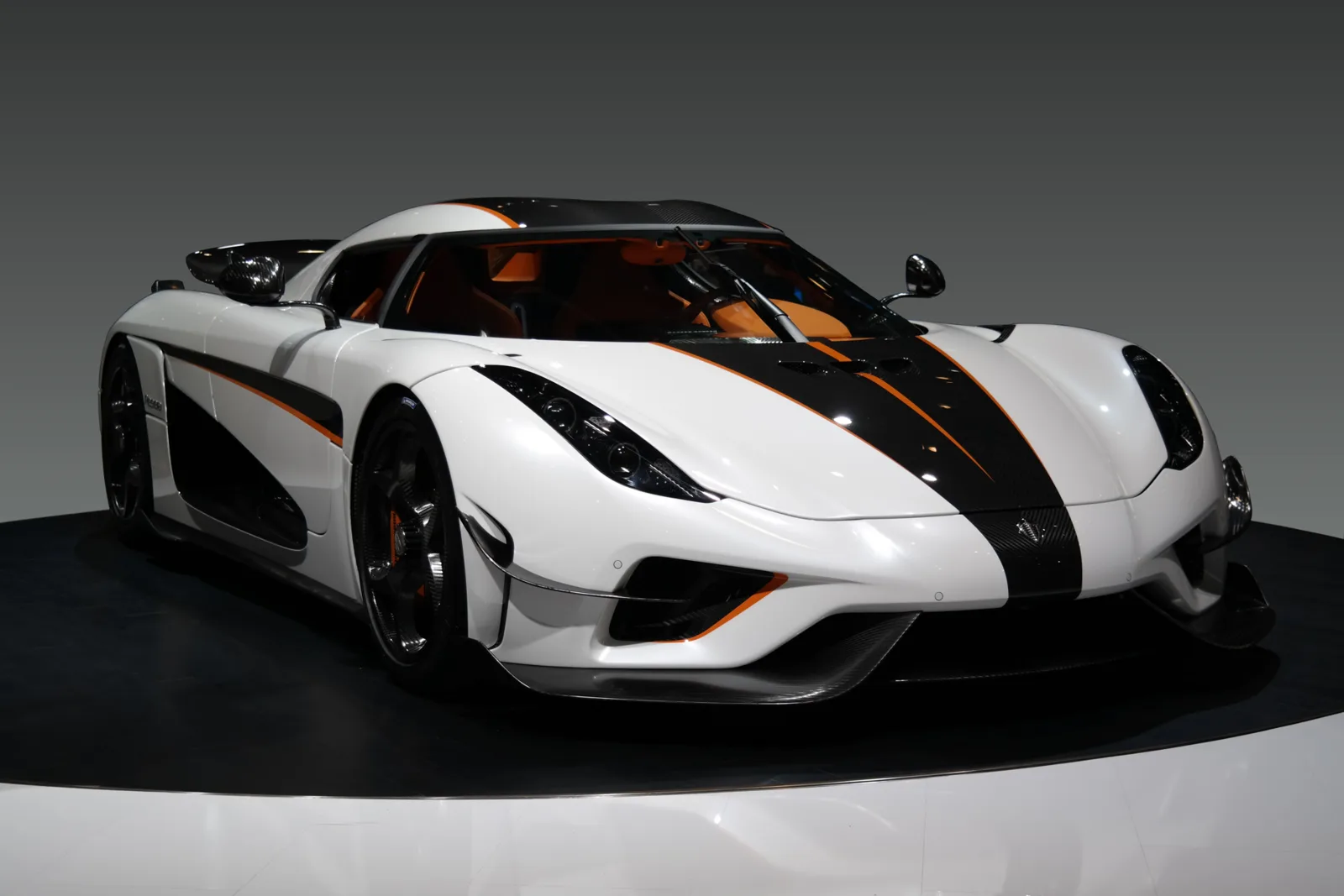
The Koenigsegg Regera is a limited-production plug-in hybrid grand tourer from the Swedish maker, first shown at the Geneva Motor Show in March 2015. Koenigsegg built 85 of them, and the car is remembered for a direct-drive system with no conventional gearbox. It also took back the production-car record for 0 to 400 to 0 km/h in 2023.
Why did Koenigsegg build a hybrid?
Founder Christian von Koenigsegg bought a Tesla Model S P85+ in 2013 and was struck by how instantly it delivered power, with no downshift and no turbo lag. He wanted that direct feel in a lightweight Koenigsegg sports car, and he concluded that a hybrid was the only practical compromise.
The Regera removed the traditional 7-speed dual-clutch transmission and used a single-gear direct drive instead. That offset the weight of three electric motors and a 4.5 kWh battery, which were fitted to the car compared with the earlier Agera models.
A hybrid that gave up the gearbox and kept the grand tourer's luxury, with 1,797 hp and a record to show for it.
How was the Regera engineered?
Koenigsegg designed the Regera with CATIA and Autodesk Inventor, with AutoCAD Electrical used to redesign the electrical systems carried over from earlier cars. Technical Director Jon Gunner said the car used several power nodes to link its wiring, where earlier models had one, which saved weight.
The company also used 3D printing for parts such as interior details beneath the upholstery, the large electrical exhaust port at the rear, and the variable-geometry turbocharger in the engine. NVIDIA used the Regera to demonstrate Project Holodeck, a virtual reality environment in which engineers could review and change designs in real time.
What is the Regera's combined output?
The Regera's hybrid powertrain produces a reported total of 1,340 kW (1,797 hp; 1,822 PS). Its combined mechanical output is 1,119 kW (1,500 hp; 1,521 PS), with 2,000 N m (1,475 lb-ft) of torque. Because the engine uses a fixed gear, its peak power arrives at very high road speeds, so the electric motors fill in the output at low speed.
The combustion engine is a mid-rear mounted 5.0 L twin-turbocharged V8 with four valves per cylinder and dry sump lubrication. Its peak output of 820 kW (1,100 hp; 1,115 PS) arrives at 7,800 rpm, and it makes 1,280 N m (944 lb-ft) at 4,100 rpm on 95 octane fuel before the rev limit at 8,250 rpm.
- Engine: 5.0 L twin-turbo V8, 92 mm bore, 95.25 mm stroke, 9.3:1 compression
- E85 fuel: a flex fuel sensor lifts output to 1,120 kW (1,500 hp)
- Motors: three YASA units totalling 520 kW (707 PS; 697 hp) and 900 N m (664 lb-ft)
- Crankshaft motor: 160 kW (215 hp; 218 PS), acting as starter and generator
- Rear motors: two 180 kW (241 hp; 244 PS) YASA 750 units, one per wheel
- Battery: 4.5 kWh, 800 volts, 75 kg (165 lb), supplied by Rimac
How does the direct-drive system work?
Christian von Koenigsegg invented the Koenigsegg Direct-Drive System, which the company developed for the Regera. It removes the need for a conventional transmission and allows a pure electric mode. The system has a 2.73:1 reduction ratio, so the engine's crankshaft turns 2.73 times for each turn of the output shaft.
Below 30 mph (48 km/h) the wheel motors do most of the propelling, through a hydraulic coupling that lets the engine and the crankshaft motor slip. Above that speed the coupling locks. A paddle on the steering wheel can deliberately slip the coupling, which gives a downshift-like effect and more power at lower speeds. Omitting the gearbox added only 88 kg (194 lb) compared with a seven-speed dual-clutch car.
How does the Regera handle?
The suspension uses double wishbones at both axles, with chrome-molybdenum steel tubes chosen over carbon fibre because of cost and complexity. Z-shaped anti-roll bars attach to the body at a single point. The Triplex damper system uses three Ohlins shock absorbers on the rear, with the third damper controlling squat under hard acceleration.
Standard wheels are aluminium, with carbon fibre wheels optional. They measure 480 mm (19 in) at the front and 510 mm (20 in) at the rear, with centre-lock nuts. Michelin Pilot Sport 4S tyres are fitted, sized 275/35 ZR 19 at the front and 345/30 ZR 20 at the rear. Carbon-ceramic brakes use 397 mm (15.6 in) discs with six-piston calipers at the front and 380 mm (15.0 in) discs with four-piston calipers at the rear.
How much downforce does the Regera make?
The Regera uses active aerodynamics. A foldable hydraulic wing sits at the rear, and active flaps at the front change the airflow under the car. The factory claims a stock downforce of 450 kg (990 lb) at 250 km/h (155 mph).
The optional Ghost package, revealed before the 2018 Geneva Motor Show, extends the front splitter and side sills, adds canards to the front fenders and fixed winglets to the rear quarter panels. Koenigsegg says downforce rises by more than 20 percent with the package, and the car runs Michelin Pilot Sport Cup 2 tyres when it is fitted.
How quick is the Regera?
Koenigsegg claims 0 to 100 km/h in 2.8 seconds, 0 to 200 km/h in 6.6 seconds, 0 to 300 km/h in 10.9 seconds, and 0 to 400 km/h in 20 seconds. The 150 to 250 km/h run takes 3.9 seconds. The power-to-weight ratio is 0.7 kW (0.94 hp) per kilogram.
Koenigsegg says its combined ICE and electric output is the highest peak power and torque of any production hybrid. Those figures are company claims rather than independent results.
How did the Regera set its 0 to 400 to 0 record?
On 23 September 2019 the Regera set a 0 to 400 to 0 km/h record for a production car with a time of 31.49 seconds, 1.8 seconds faster than the Agera RS. The run took place at Rada Military Airfield in Lidkoping, Sweden, and factory test driver Sonny Persson drove. It used a combination of runway and taxiway, because the track was too short.
On 16 June 2023 the car took the record again with 28.81 seconds, set at Orebro Airport by development driver Markus Lundh. The new run came a month after the Rimac Nevera had set 29.93 seconds, and Koenigsegg credited the improved track surface and Michelin Cup 2 R tyres for the faster time.
- 2019 run: 0 to 400 km/h in 22.87 seconds across 1,613.2 m, then 8.62 seconds to stop over 435.26 m, total 2,048.46 m
- 2023 run: 0 to 400 km/h in 20.68 seconds over 1,483 m, braking to a stop took 8.13 seconds over 422 m, total 1,905 m
How did reviewers react?
Reviews were generally positive, with most praise going to the feel of the Direct-Drive system. Automobile described it as a new sensation, somewhere between an electric car with no conventional gearbox and a combustion car with a continuously variable transmission. Top Gear found it lazy at low speed but instantly alert and tenacious through corners at higher speed.
Minor criticisms included a short delay in electric motor activation and a slight CVT feel on sudden acceleration. Each car can be tuned for transmission feel and power delivery, and Koenigsegg can push software updates over the air, adjusting the motor power band or throttle response without touching the car.
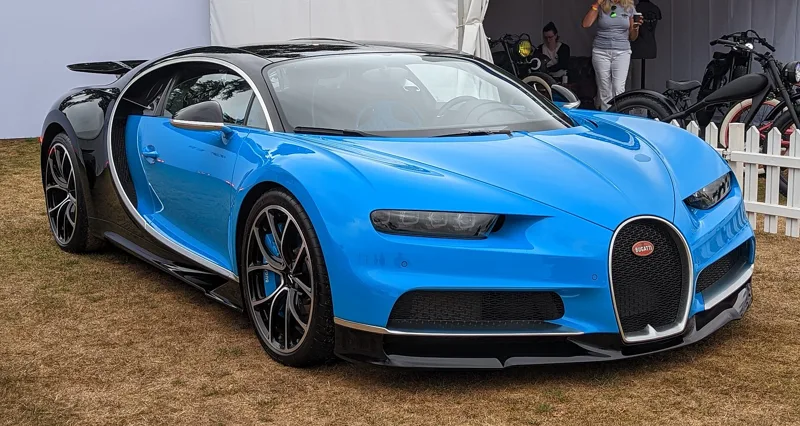
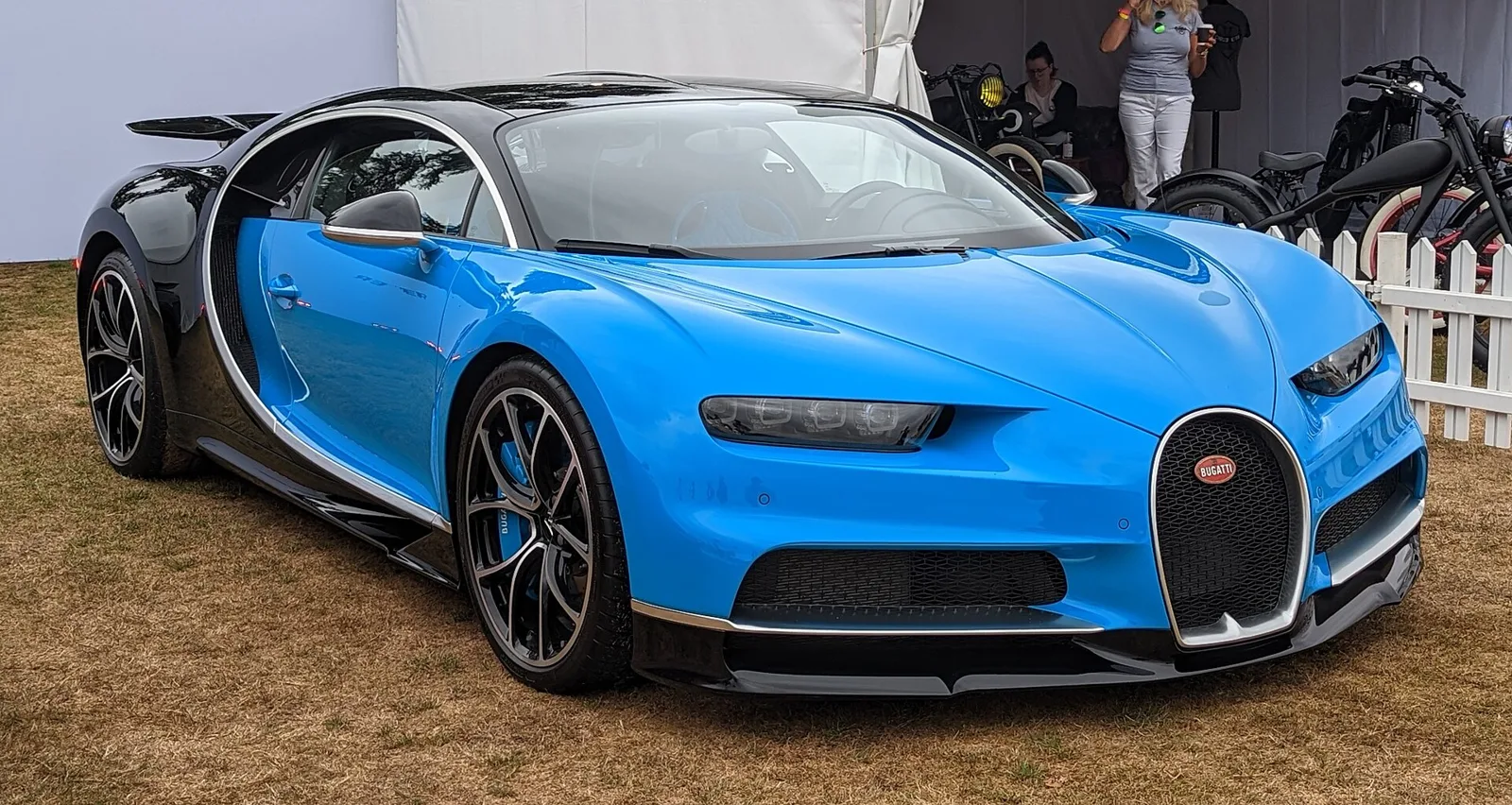
Designers and critics praised the car's exterior for avoiding the aggressive front ends of many hypercars, and its paint finishes drew particular praise. The interior, with its 8-way electrically adjustable memory foam seats and a 9-inch infrared infotainment system, was called well designed, although Automobile suggested the Bugatti Chiron could match it for opulence.
Which special editions were built?
Customers commissioned a range of special editions with custom paint, carbon fibre work, special interior materials and optional aerodynamics. Fourteen named cars are recorded, identified mainly by chassis number. Examples include the d'Elegance, chassis 139, the KNC with carbon bodywork, chassis 209, the Raven, chassis 145, and the Gotham, chassis 227.
One car, the Honey, carries chassis 500, which sits outside the normal sequence because the owner bought it directly.
What did the Regera's cabin offer?
The Regera was built for comfort as much as speed. Extra insulation cut wind and powertrain noise, and the seats adjust electrically and use memory foam. A system with recording cameras, a sound system, ambient lighting and 4G and Wi-Fi connectivity kept the cabin modern.
Front and rear parking sensors helped in tight spaces, and an infrared infotainment unit with Apple CarPlay sat in the dash. Active engine mounts stayed soft at low speed to cut vibration, then firmed up when the driver pushed harder, adding lateral response.
How do the Regera's body panels operate?
Hydraulic pumps and accumulators run the active front and rear wings, and Koenigsegg added hydraulic lifters so that every body panel could be moved remotely. Proximity sensors on every opening and mirror guard against the doors striking a kerb or a low roof when they open or close.
The headlamps vent condensation through two small fans fitted in each lamp. Koenigsegg describes the Regera as the first fully robotized car, and its daytime running lamps are designed to resemble a constellation against a carbon fibre background.
Specifications at a glance
| Specification | Detail |
|---|---|
| Production | 85 cars, 2015 to 2017 |
| Combustion engine | 5.0 L twin-turbo V8, 820 kW (1,100 hp; 1,115 PS) |
| Electric motors | Three YASA units, 520 kW (707 PS; 697 hp) |
| Combined output | 1,340 kW (1,797 hp; 1,822 PS) |
| Battery | 4.5 kWh, 800 volts, 75 kg (165 lb) |
| Gearbox | Single-speed direct drive, 2.73:1 |
| Downforce | 450 kg (990 lb) at 250 km/h (155 mph) |
| Record 0 to 400 to 0 km/h | 28.81 seconds, 16 June 2023 |