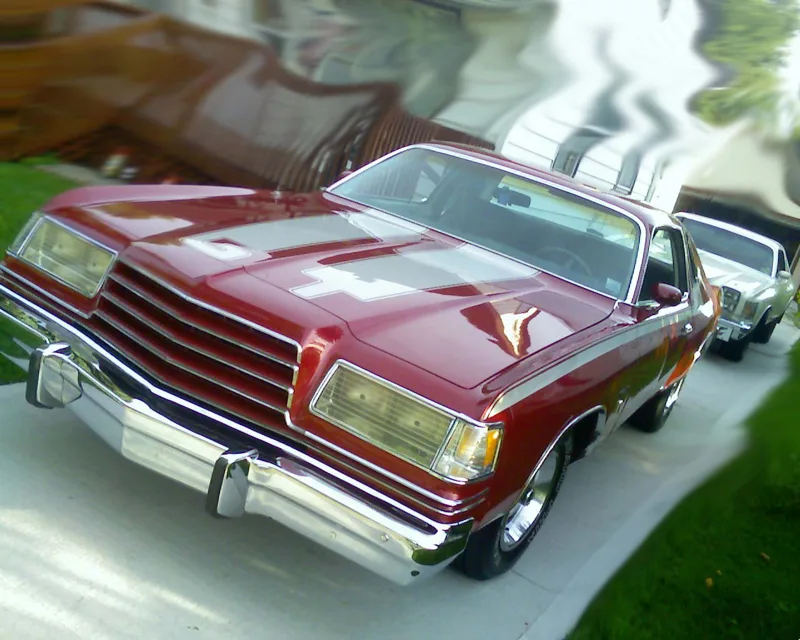
A 1976 to 1980 compact with a Plymouth Volare twin, an all-new Chrysler F platform and a recall record that shaped its legacy.
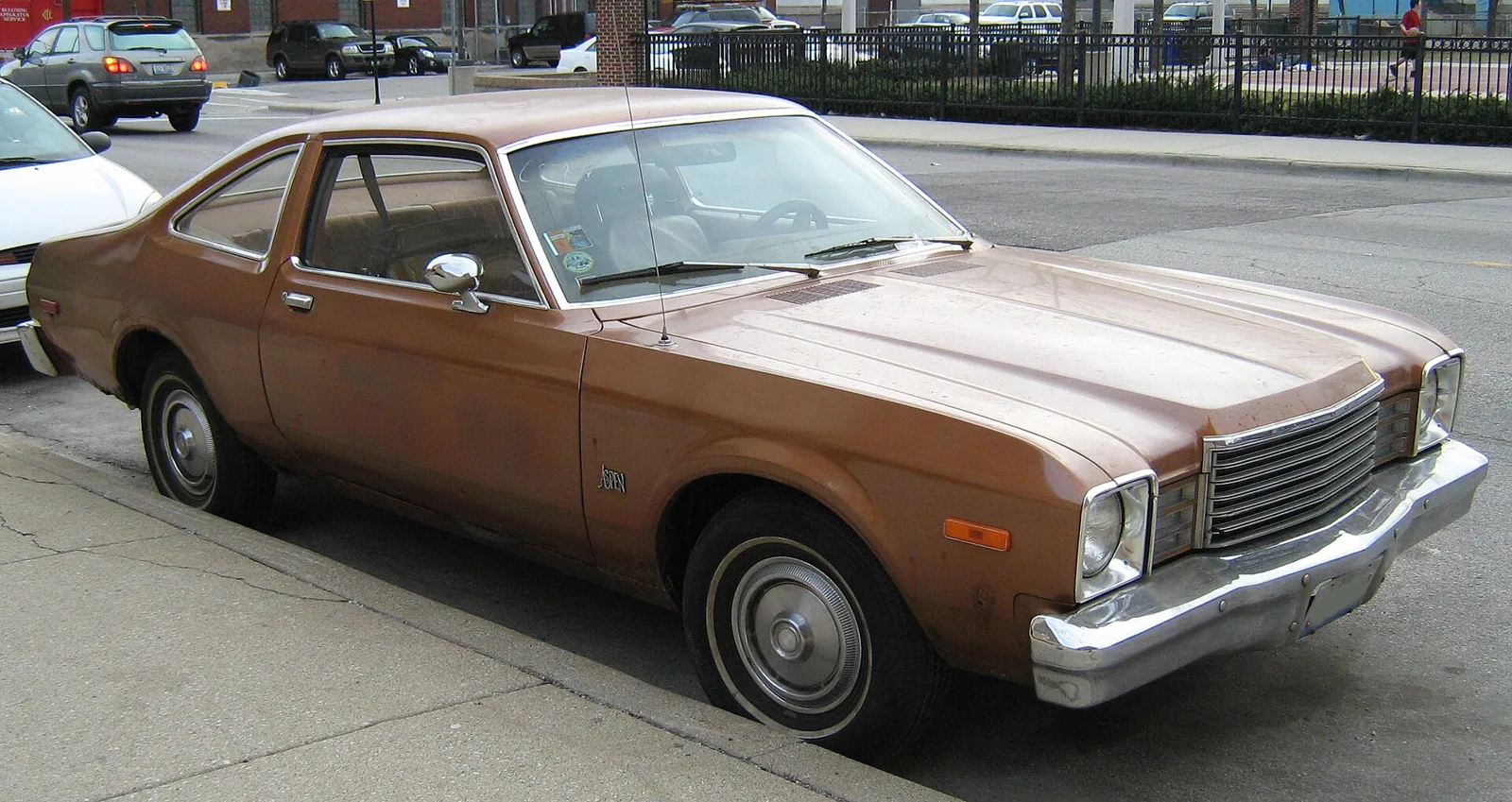
The Dodge Aspen was a compact car sold by Dodge from 1976 to 1980. Built on Chrysler's new F platform, it came as a coupe, sedan and station wagon, with a Plymouth twin called the Volare. Quality problems and recalls later damaged its reputation.
The Dodge Aspen was a compact car that Dodge sold from the 1976 to 1980 model years, succeeding the Dart in the company's range. Chrysler also sold a twin called the Plymouth Volare, which replaced the Valiant at Plymouth dealers.
Built on the all-new Chrysler F platform, the pair came as a two-door coupe, a sedan with four doors and a wagon with five doors. They were promoted as modern and fuel-efficient cars, but quality problems, recalls and early rust later damaged their reputation.
Where did the Aspen name come from?
The name began as the development codename Aspen-Vail, used from 1971 when work started on the Aspen and its Plymouth sister car. Ham Schirmer, Chrysler's manager of Dodge car advertising, said the word suggested the outdoors rather than skiing, which he found neutral enough for the car's positioning.
Schirmer's view was that the name would not limit the car's market, even though Aspen was a famous ski destination. Chrysler backed it with sponsorship, including the Dodge Aspen Team K2 Freestyle in 1976 and the Dodge Aspen Cup, a set of courses run during the seventh season of World Pro Skiing on the Aspen Highlands and Aspen Mountain slopes.
Actor Rex Harrison fronted the television and radio advertising, performing a patter song built around the word unbelievable. The routine borrowed its rhythm from the Ascot Gavotte scene in the 1964 film My Fair Lady, which also starred Harrison.
The Volare name had its own pitch. Volare is Italian for to fly, and the singer Sergio Franchi performed a reworked version of the pop song in the car's commercials. Those commercials described the accent mark as an accent on quality, even though neither the Italian word nor the song title carries it.
A compact that brought Chrysler's new F platform to market, then spent its life fighting recalls and rust.
What made the Aspen's engineering stand out?
The Aspen used wind-tunnel testing to soften the nose and improve airflow, and it used high-strength low-alloy steel that was four times as strong as mild steel. Its front suspension used crossed transverse torsion bars, a departure from the longitudinal bars Chrysler had used since 1957.
The wind-tunnel work also removed the roof-drip moldings and reshaped the internal airflow ducting. The stated aims were better crosswind stability, less wind noise and improved interior ventilation.
Engineers checked stresses on clear plastic models and in computer-aided design before any sheet metal was formed. Thinner glass, lighter side door beams and fewer steel stampings trimmed weight, while the larger windows raised glass area by 25% on two-door cars and 33% on sedans.
The front suspension was marketed as the Isolated Transverse Suspension System. It sat on a K-shaped cross member held by four rubber mounts, so the wheels could move back when they met a bump rather than rising straight up. The rear kept a more traditional layout, with leaf springs that were rubber-isolated to stop road noise reaching the body.
How did the Aspen's engines and trims compare in 1976?
The base engine was a slant six of 3.7 L (225 cu in), fitted with a single-barrel carburettor. Two-barrel 318 cu in (5.2 L) and 360 cu in (5.9 L) V8s were the options, and trim ran from base through Custom to Premier on the Volare or SE on the Aspen.
The Aspen and Volare were separated mainly by their names and small styling cues. Their interiors were identical, and nothing inside the car showed which badge it carried. Outside, the taillights, grille, parking light position and side trim strips were the main differences.
Coupes had frameless door glass and a thick B pillar, replacing the hardtop look of the Dart and Valiant. The Road Runner for the Volare and the R/T for the Aspen were performance packages offered on two-door models only. They mainly added trim and a heavy-duty suspension rather than changing the engine line-up.
In 1977 a Super Six option brought a two-barrel slant six, which helped with the drivability problems that plagued the first year. A T-top roof panel also became available on the coupe, and both coupes offered spoilers, wheel flares and louvred rear windows as appearance packages.
Which performance and special editions were built?
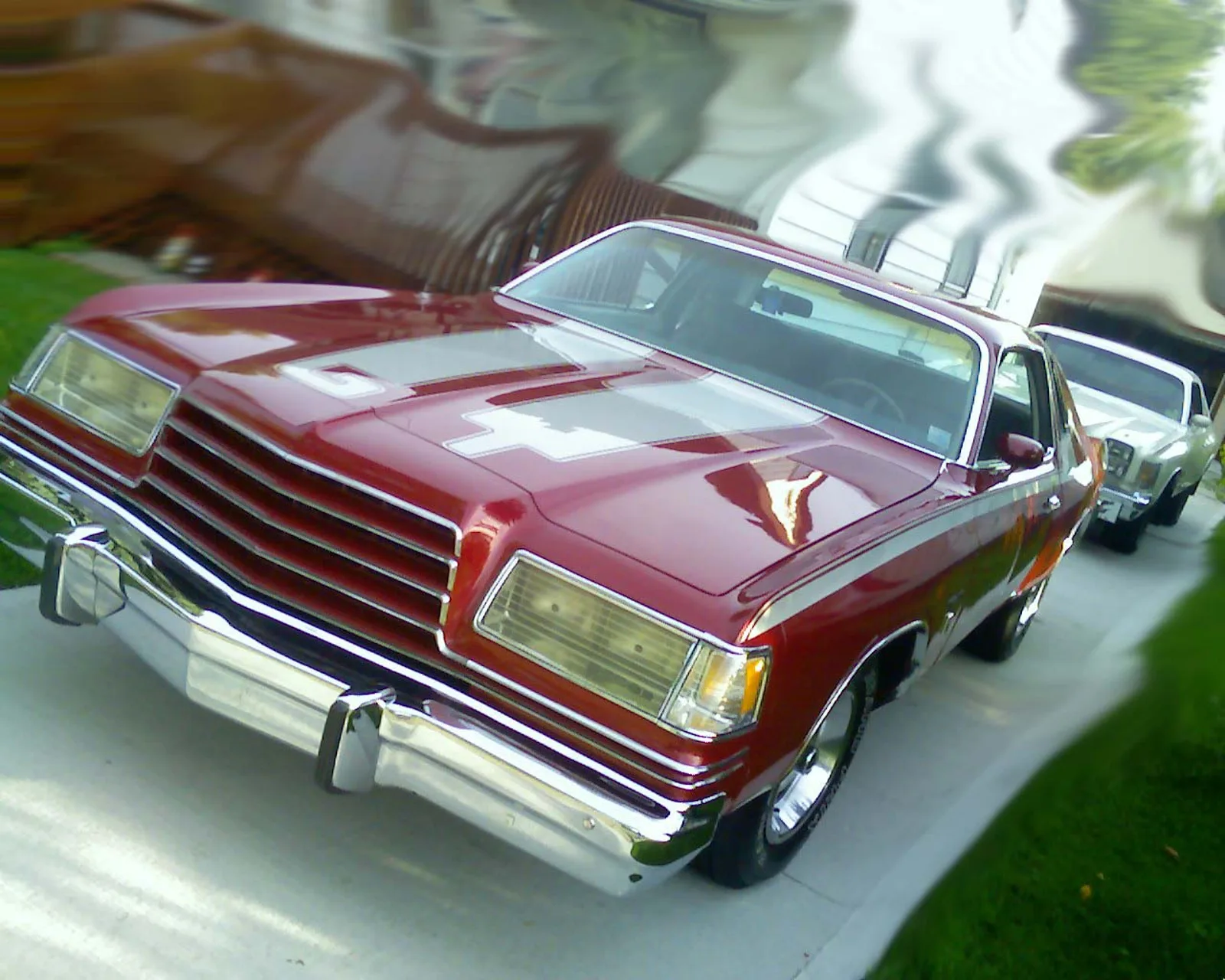
The R/T and Road Runner trims were the sporty choices, with a 360 cu in V8 rated at 170 hp (127 kW; 172 PS). A 1978 kit car paid tribute to NASCAR driver Richard Petty, and the Super Coupe added a matt black treatment with a 360 V8.
The kit car was built to look like a race car, with no hubcaps, bolted-on wheel flares and metal tie-downs on the windscreen. Unlike a race car, it came with an automatic gearbox as standard. Decal sets with large door numbers and 360 hood decals were shipped in the boot for a dealer or owner to fit, and the car was offered in blue for the Volare or red for the Aspen.
The Super Coupe package combined a 360 cu in V8 with heavy-duty suspension, radial tyres and a matt black treatment across the hood, roof and bumpers. Each car was sold as a design package with no paint choice, so the Aspen wore sable tan and the Volare crimson paint.
Only 131 kit cars were built for Dodge and 145 for Plymouth. The Super Coupe count was 494 Volare and 531 Dodge models. A 1979 Duster package for the Volare coupe mirrored the Aspen Sunrise package, and it carried plaid seating and rear strobe stripes.
How many Aspens and Volares were built?
Production peaked in 1977, with 327,739 Volares and 266,012 Aspens. Output then declined as sales slowed, reaching 67,318 Aspens and 90,063 Volares in 1980. Sales fell by more than 30% in 1978 alone, and many 1980 cars went to fleet buyers such as police and taxi operators.
Year by year, the 1976 totals were 189,900 Aspens and 255,008 Volares. The 1978 totals were 166,419 Aspens and 217,795 Volares, and 1979 brought 121,354 Aspens and 178,819 Volares.
A few 1976 Aspen sedans were also used to test a gas turbine engine, a project backed by the United States Department of Energy, with testing starting in August 1976. Turbines were hoped to be cleaner than comparable V8s, but technical problems ended that work.
Why did the Aspen and Volare earn a poor reputation?
Chrysler's new compacts suffered stalling, poor drivability and premature rust. The 1976 model year alone had at least eight serious recalls, covering front suspension, hood latches, brake lines, seat belts and fuel lines. The cars became the most-recalled automobile models of their time.
Chronic stalling and poor drivability were the first complaints, and premature rust followed. Front fenders sometimes rusted in under a year because the cars lacked front inner fender shields, a cost-saving decision that proved unwise.
Many of the defects may have been avoidable had the cars been given more development time. Chrysler rushed them to market to boost sales and raise much-needed cash, and the reputation for poor build quality hurt sales in later years.
In 1977 Chrysler recalled 1,300,000 Chrysler Corporation models for drivability problems. The Center for Auto Safety, a consumer group founded by Ralph Nader, later gave the pair its Lemon of the Year award, despite the Motor Trend Car of the Year title they had earned for 1976.
How did the 1980 restyle change the Aspen?
For 1980 the cars gained a thin grille and rectangular headlamps, with the hood, fenders and front bumper shared with the Dodge Diplomat. The 360 V8 was dropped, leaving the 318 as the top engine, and the Super Six option went too. The R/T package was fitted to 285 Aspens that year.
The restyle came at the insistence of Lee Iacocca, and it applied to the final production year. Premier and SE packages were still offered, but only on sedans and coupes, and the Volare Duster package remained available on the Volare.
Engine output shifted as well. The 318 two-barrel now made 122 PS (89 kW; 120 hp) at 3,600 rpm, while the four-barrel was rated 157 PS (116 kW; 155 hp) at 4,000 rpm. The slant six made 91 PS (67 kW; 90 hp) and stayed the base engine.
Where were the Aspen and Volare built?
Chrysler built the cars at Newark Assembly in Newark, Delaware, and at Dodge Main Assembly in Hamtramck, Michigan. Dodge Main closed on the same day that the final 1980 Aspen came off its line, which was on January 4. The site later went to General Motors.
That final car was a Silver Metallic 1980 Aspen R/T, the 285th R/T built for the model year. Bob Nellis, an electrical contractor for Chrysler, bought it, and the car stayed in his family for 37 years, until a sale at the close of 2017.
General Motors bought the Dodge Main site in 1981 and demolished the factory to make way for the Detroit/Hamtramck Assembly plant, which opened in 1985.
What replaced the Aspen and Volare?
The Plymouth Reliant and Dodge Aries replaced the Volare and Aspen for the 1981 model year. Both were front-wheel drive K-cars, and both arrived after the F platform ended. The Aspen name returned in 2007 on a Chrysler luxury sport utility vehicle, long after the original had gone.
A related class of F-platform cars survived in a different form. The M-body Diplomat and Gran Fury four-door sedans shared much of their construction with the Aspen and Volare, so the layout continued in those models.
How did the Aspen sell outside the United States?
The Aspen was sold under other names in several markets. Mexico sold the pair as the Dodge Dart and Valiant Volare, while Canada knew the Volare as the Volare Duster. Swiss specialist Monteverdi also built 20 modified cars, called the Sierra, for Europe between 1977 and 1979.
Chrysler de Mexico kept using older model names after they had been dropped in the United States. The Mexican Dart carried the front of the American Volare and the rear of the Aspen, so it mixed parts from both American cars.
The Monteverdi cars were aimed at Europe's luxury market. They were small-volume conversions rather than new models.
What are the Dodge Aspen specifications?
The Aspen was a compact three-box car on a unitized body, with a 225 cu in six as the standard engine. The table below covers the core figures for coupe, sedan and wagon across the 1976 to 1980 run, noting the year where a figure changed.
| Specification | Detail |
|---|---|
| Platform | Chrysler F |
| Body styles | Two-door coupe, four-door sedan, five-door station wagon |
| Model years | 1976 to 1980 |
| Standard engine | slant six of 3.7 L (225 cu in), single-barrel carburettor (1976) |
| Optional V8s | 318 cu in (5.2 L) and 360 cu in (5.9 L), two-barrel (1976) |
| 1980 engines | 318 two-barrel 120 hp (89 kW; 122 PS); 318 four-barrel 155 hp (116 kW; 157 PS); slant six 90 hp (67 kW; 91 PS) |
| R/T V8 | 360 cu in (5.9 L), 170 hp (127 kW; 172 PS), 280 lb-ft (380 N-m) |
| Wagon cargo | 71.9 cubic feet (2.04 m3); load 1,100 lb (500 kg) |
| 1976 production | 189,900 Aspen; 255,008 Volare |
| 1980 production | 67,318 Aspen; 90,063 Volare |
| Successor | Plymouth Reliant and Dodge Aries (1981) |