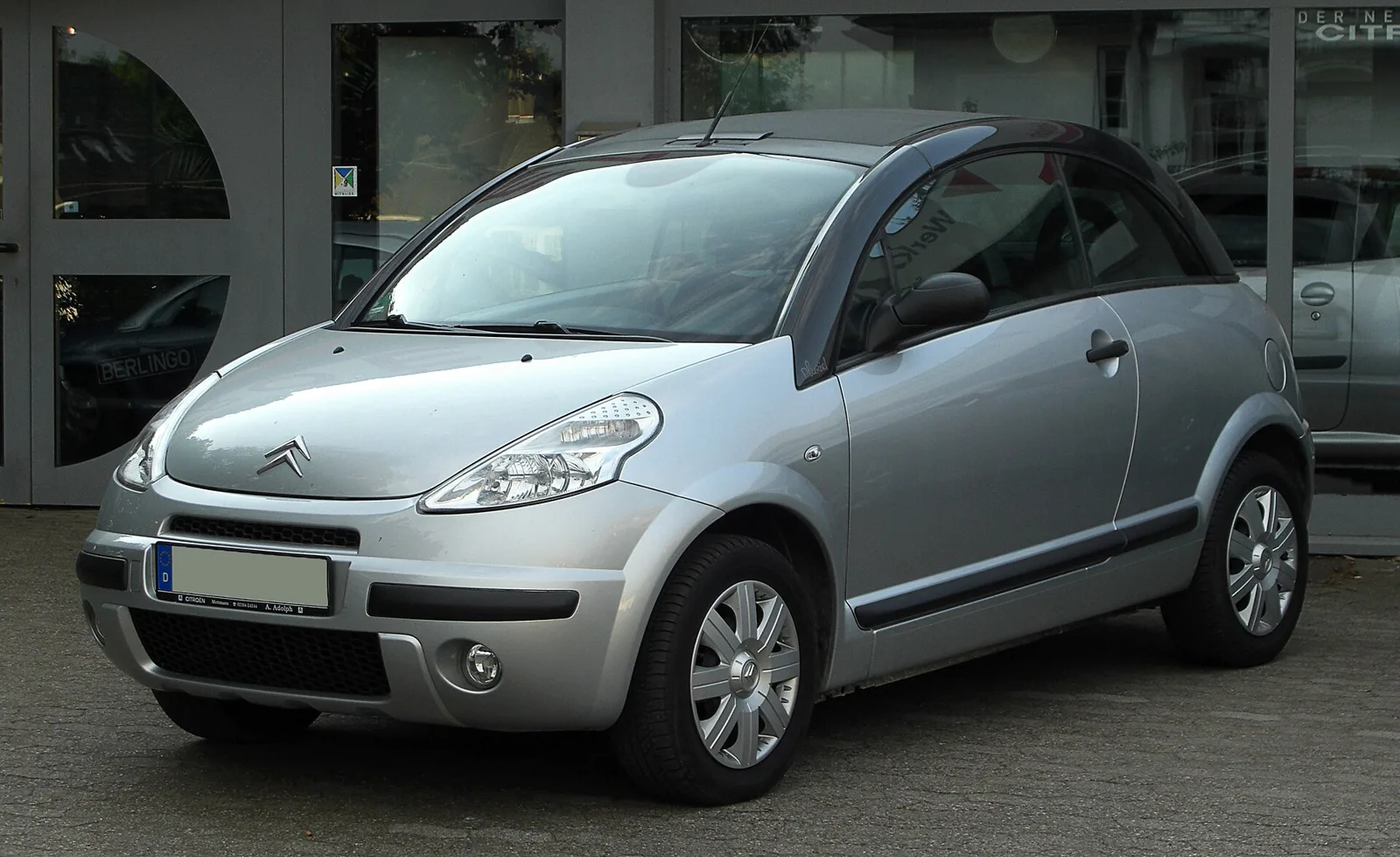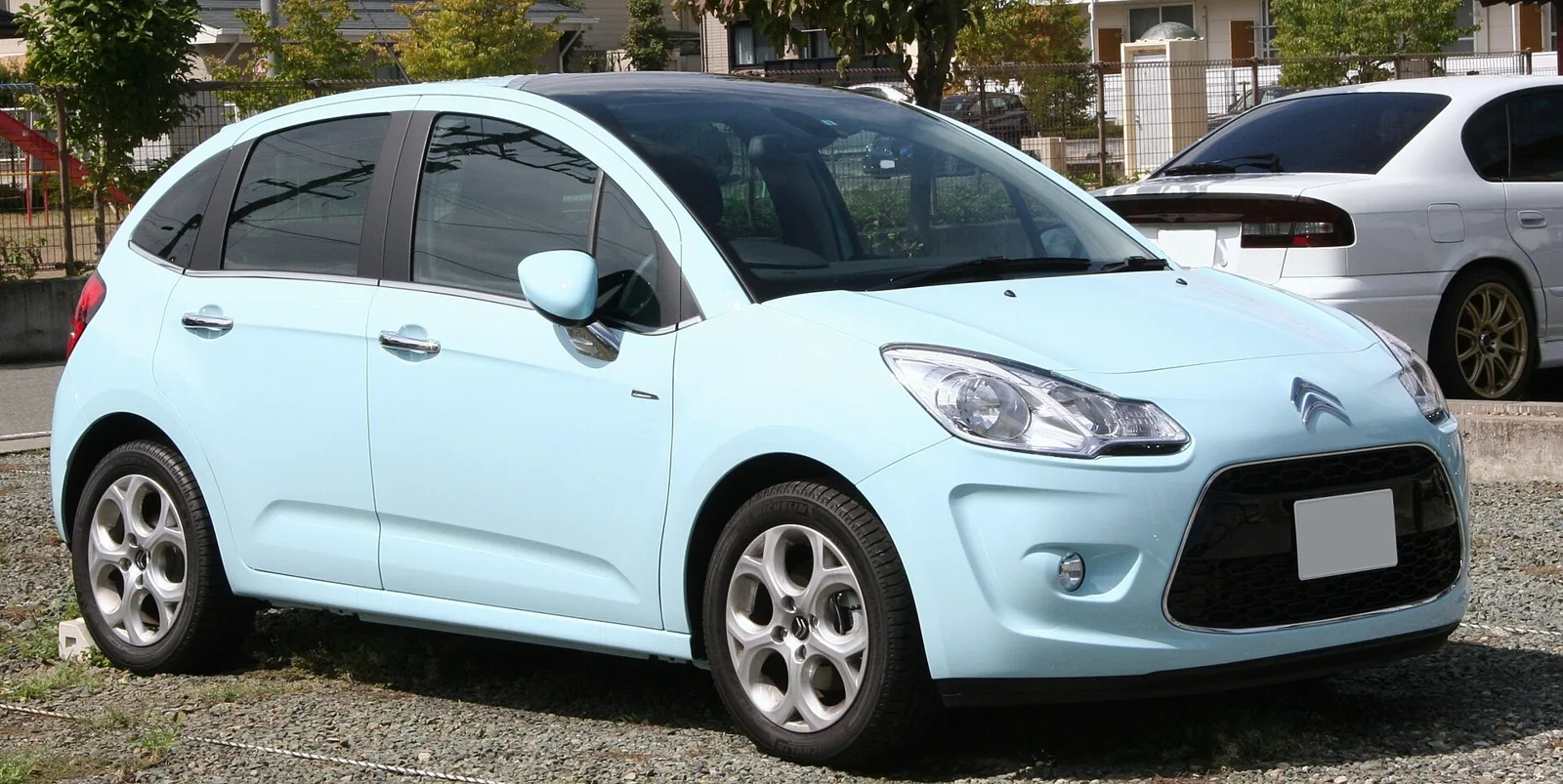
A Peugeot 207 platform, a Frankfurt debut, the DS3 spin-off and the engines that carried the car from 2009 to 2016.
The Citroen C3 II was the second-generation C3, a B-segment car built from 2009 to 2016 on the Peugeot 207 platform. It offered petrol, bi-fuel and common-rail diesel engines from 60 PS to 120 PS, and a 2013 restyle updated its front.
The second-generation C3 from the French maker was a B-segment car built from 2009 to 2016. It was built on the success of the first generation, used the Peugeot 207 platform as its mechanical base, and arrived in the middle of a severe recession for the car industry.
How was the C3 II developed?
The project was kept under tight secrecy, and the specialist press speculated about improbable versions, including a monovolume-coupe and a three-door car that was meant to replace the C2. The three-door car never appeared under the C3 name, though it did emerge as the DS3.
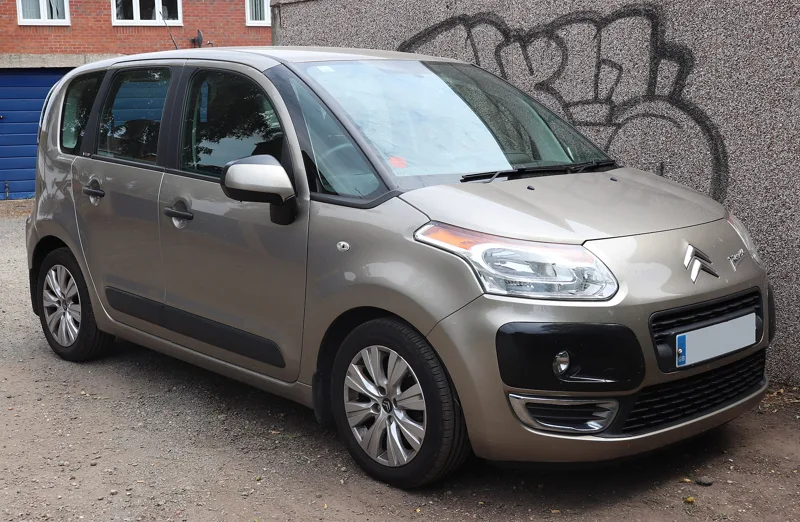
A monovolume based on the new C3 was already under study. It was that version, named the C3 Picasso, that debuted first, in March 2009, while the first-generation C3 was still in the price list. The B-segment supermini was revealed in July 2009 and officially presented at the Frankfurt Motor Show, and sales did not begin until November.
A Peugeot 207 platform, a restyle that echoed the DS3 and an engine line-up that ran from 60 PS to 120 PS.
What did the C3 II look like?
The C3 II kept the first generation's egg-shaped roof and its general proportions, but the front light units took on rounder shapes, keeping some angularity towards the centre. The grille was almost removed, and the company logo sat in a large trapezoidal mouth cut into the bumper, with two C-shaped ribs framing the fog-light housings.
The flanks showed the most continuity with the earlier car. A long groove ran along the lower part of the doors, the belt line was raised and the side glass area shrank as a result. The rear light units took an inverted-L shape. An extended windscreen called Zenith was available, its upper band tinted to stop the sun dazzling the front occupants.
The cabin offered a few centimetres more than before and was developed in height for tall occupants. Inside, the dashboard was redesigned around concentric and intersecting circles. Three round dials overlapped in the instrument cluster, and a large navigation display sat on the centre console, though only as an option. The boot held 300 litres, and it could be enlarged to 1,300 litres by folding the rear bench.
How was the C3 II engineered?
The car used a development of the platform that had carried the first C3, the C2 and the Peugeot 206. Its wheelbase of 2.466 metres (8.1 ft) and wider tracks set it apart from its ancestors, and the cost-saving approach let the model compete through the difficult years of the recession.
The front suspension was an independent MacPherson design, while the rear used interconnected wheels with a deformable cross member. Telescopic hydraulic dampers, coil springs and anti-roll bars sat on both axles. The front discs were self-ventilating across the range, and solid rear discs were fitted only to the top versions. The steering was rack-and-pinion with electric assistance.
Production began at the Poissy and Aulnay plants, and the number of trim levels, usually three or four, varied by country.
Which engines were offered at launch?
At launch the C3 II came with eight engines: four petrol, one bi-fuel petrol and LPG, and three common-rail diesels. The range started with a 1.1 TU1JP producing 60 PS (59 hp; 44 kW) and topped out with the 1.6 16v VTi, which made 120 PS (118 hp; 88 kW) and was the most powerful unit in the whole line-up.
The diesels were the 1.4 HDi, the 1.6 HDi 90 and the 1.6 HDi 115, the last of which reached up to 114 PS (112 hp; 84 kW) and was not offered in every market. The Prince 1.4 and 1.6 engines made their debut on the C3 as well, joining the single-overhead-camshaft TU family, which was already in use across other PSA models and the BMW Mini.
The e-HDi micro-hybrid technology arrived later, in 2010, and came with both 1.6 HDi units, the 90 PS and the 114 PS. In some markets the 90 PS e-HDi replaced the version without micro-hybrid technology, and in others the two ran side by side in the price list.
The manual gearbox was a five-speed on all the engines except the 1.6 e-HDi, which had a six-speed manual as standard.
C3 II engines at a glance
| Engine | Displacement | Power | Notes |
|---|---|---|---|
| 1.1 TU1JP | 1,124 cc (68.6 cu in) | 60 PS (59 hp; 44 kW) | Launch engine |
| 1.4 8v TU3 | 1,360 cc (83.0 cu in) | 73 PS (72 hp; 54 kW) | Also offered as bi-fuel with LPG |
| 1.4 16v VTi ET3 | 1,397 cc (85.3 cu in) | Up to 95 PS (94 hp; 70 kW) | Petrol |
| 1.6 16v VTi EP6 | 1,598 cc (97.5 cu in) | 120 PS (118 hp; 88 kW) | Top engine of the range at launch |
| 1.4 HDi DV4 | 1,398 cc (85.3 cu in) | 68 PS (67 hp; 50 kW) | Base diesel |
| 1.6 HDi 90 DV6ATED4 | 1,560 cc (95.2 cu in) | 90 PS (89 hp; 66 kW) | Diesel |
| 1.6 HDi 115 DV6TED4 | Enhanced 1.6 HDi | Up to 114 PS (112 hp; 84 kW) | Not offered in every market at first |
| 1.2 EB | 1,199 cc (73.2 cu in) | 82 PS (81 hp; 60 kW) | Three-cylinder, added in 2012 |
| EB0 | 999 cc (61.0 cu in) | 68 PS (67 hp; 50 kW) | Three-cylinder, entry engine from 2013 |
How did the C3 II change in 2010 to 2012?
A 99 trim appeared in early 2010, paired only with the 1.6 HDi 90, and the number refers to its 99 grams of CO2 per km. The same year brought a four-speed automated sequential gearbox as an option on the 1.6 VTi, and e-HDi micro-hybrid technology arrived with the 1.6 HDi engines.
The DS3 was presented in spring 2010 on the same base as the C3. It carried premium equipment and a more striking body, and it was aimed at the Mini and the new Fiat 500. The 1.1 was also offered in a bi-fuel version.
The Brazil-only car, introduced in summer 2012, came with petrol engines alone. Its interior received updates such as a new design for the air vents, and it previewed the look that the European restyle would later adopt.
In 2012 a 1.4 e-HDi with micro-hybrid technology joined the range, while the standard 1.4 HDi remained in production beside it. The newer 1.4 e-HDi came only with a five-speed automated gearbox. The new 1.2 EB three-cylinder, of 82 PS, replaced the old 1.4 TU of 73 PS that year, and the bi-fuel version went with it.
What did the 2013 restyle change?
The restyle was unveiled at the Geneva Motor Show in early 2013. Its front was the main change, with light units and grille updated to echo the DS3. The grille gained two thick horizontal chrome bars with the company logo at the centre, and the front bumper gained LED daytime running lights.
The rear saw smaller changes, and two reflectors were added to the bumper. The EB0 three-cylinder of 999 cc (61.0 cu in) became the entry engine and took over from the 1.1 TU, and the bi-fuel version based on that engine disappeared too. With these updates all the TU-family engines, which had been in the Citroen and Peugeot ranges for almost thirty years, were gone.
In some markets a bi-fuel version based on the 1.4 VTi of 95 PS was introduced, and the interior received only minor updates. In late 2013 e-VTi technology reached the 1.2 VTi, paired with a five-speed ETG automated gearbox. In 2014 the 1.6 VTi and the top 1.6 HDi 114 PS engines were removed. In early 2015 the 1.6 BlueHDi arrived with AdBlue injection in its exhaust, in 75 and 99 PS versions, and the 1.6 HDi 114 PS remained the only diesel.
When did production end?
Production ended in summer 2016, to make way for the third generation, which was presented at the Paris Motor Show. The C3 II stayed in the price list for a couple of months longer, so that stock in dealers' warehouses could be sold.
Its career ran through the recession years, the DS3 spin-off and the 2013 restyle, closing with the arrival of the car that replaced it.