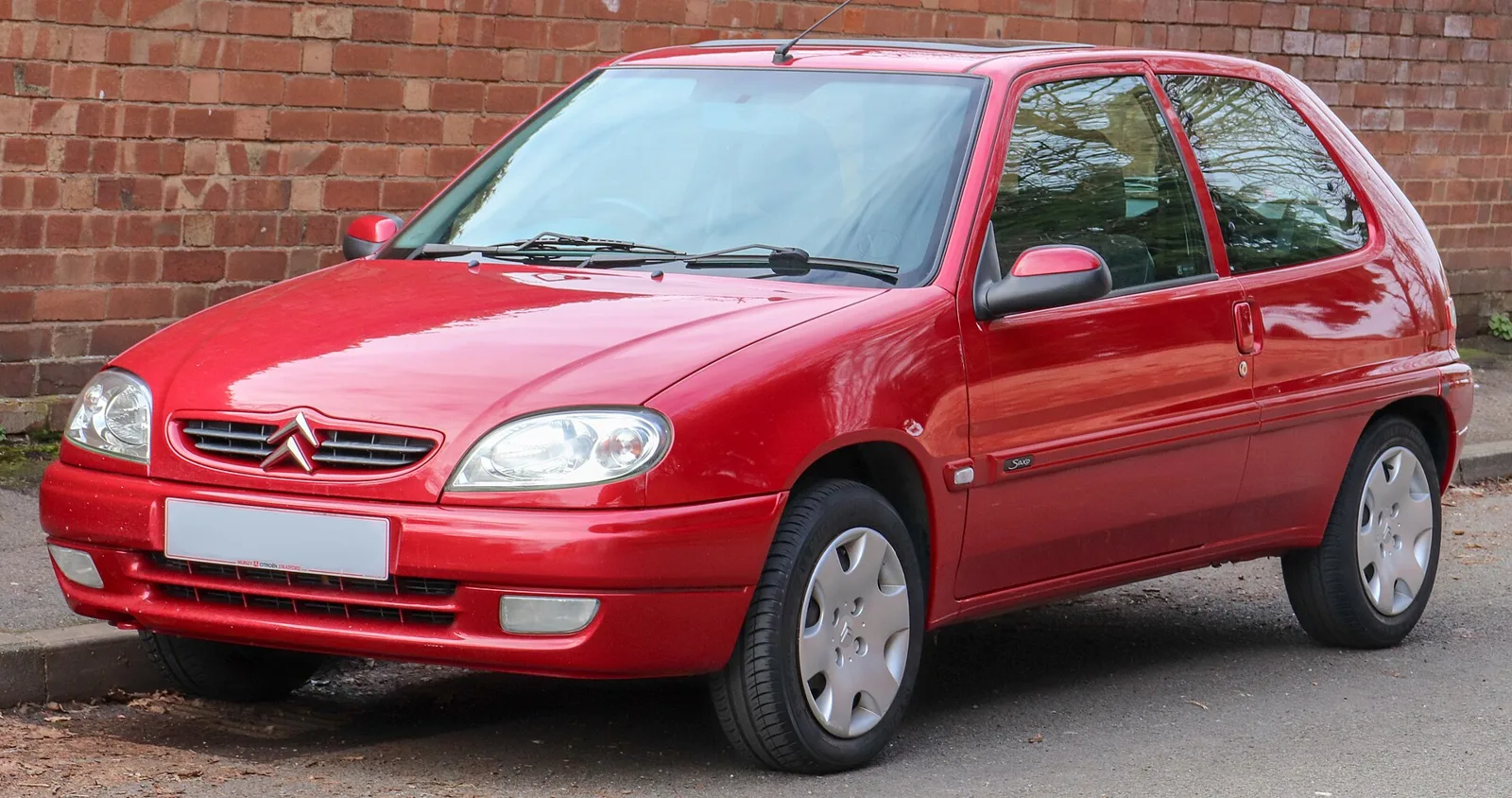
A three-door Citroen supermini from 2003 that drew on the Saxo sports tradition, introduced Stop and Start to the class and was built until 2009.
Between 2003 and 2009, Citroen sold the C2 as a three-door supermini with petrol and diesel engines from 60 PS to 125 PS. Built at Aulnay, it paired Stop and Start with a SensoDrive gearbox and was succeeded by the DS3 in 2010.
The Citroen C2 was a three-door supermini built from August 2003 until October 2009. It replaced the ageing Saxo alongside the C3, and it aimed at younger buyers with sharper, flatter styling. Its headline technologies were a Stop and Start system and a SensoDrive automated manual gearbox.
What is the Citroen C2?
The C2 is a front-engined, front-wheel-drive hatchback produced at the Aulnay plant on the outskirts of Paris. It was designed by Donato Coco. The two cars share a dashboard but differ in body and styling, which let Citroen sell them in separate parts of the supermini market.
The C3 was the family-friendly car with five doors, while the C2 was pitched at a young driver with a two-door body. Its styling is flatter and sharper than its sibling's, with a look that suited a car meant to appeal to a younger audience. Its dashboard and mechanical layout stayed close to the C3's.
For buyers, the choice between the two siblings came down to body style and image. Anyone who needed a practical family car with extra doors would have looked at the C3, while the C2 suited drivers who wanted a smaller and sportier shape with a clear personality.
The C2 was discontinued in October 2009 and replaced by the DS3 in January 2010. The car had been recognised early on, when it won the Best European Hatchback of 2003 award in September 2003, which marked a strong start for a model that would later struggle in showrooms.
The award reflected the car's design and packaging, which impressed judges even as sales lagged behind expectations.
A two-door supermini built to look young and sporty, which paired Stop and Start with an automated manual and then left the stage in 2009.
Why did the C2 struggle in showrooms?
Motoring writers regarded the C2 as the most neglected model in the Citroen range when it came to promotion. Its sister cars, the C1 and the C3, received far better media coverage. Its design and engineering received less attention than the marketing its sister models enjoyed.
Part of the problem was positioning. The C2 sat alongside the C1 and the family-oriented C3, and its two-door body limited its appeal to buyers who wanted a practical rear seat. The car's styling was distinctive, but it did not carry the same marketing push as its siblings.
A more visible campaign might have helped the car stand out against the rival superminis of the day. Instead the C2 relied on its looks and its engineering, which were not enough to lift it above the crowd in the eyes of most buyers.
Citroen did offer special editions to keep interest alive. The most notable was the GT, which appeared in September 2004 with a sporty body kit and unique paintwork, and it gave the model a clearer identity for enthusiasts who wanted something more individual.
Which C2 versions were offered?
The C2 was sold in a wide range of trims, from basic to sporty. The LX was the no-frills model, with black plastic bumpers and no fog lamps. The L model followed from 2003 to 2005, adding a CD player and rear-seat modulation, while the SX sat at the top of the everyday range with bumper-coloured paint and air conditioning.
Choosing between trims meant weighing equipment against price. The LX and L offered a basic specification, while the SX and the VTS brought more comfort or performance for buyers willing to pay more.
The sporty line came from the Saxo tradition. The Furio, VTR and VTS carried on the Saxo's reputation as an affordable pocket rocket. The Furio had the same sports body kit as the VTR and VTS but lacked their alloy wheels, while the VTR and VTS added more power and sharper handling.
The GT limited edition, introduced in September 2004, was built only for the United Kingdom. Each car came with a numbered certificate, and buyers chose from bright red, blue, silver and black paint with unique white alloy wheels. Only 2,500 were made, which makes the GT a sought-after model today.
Collectors now look for cars with full service history and original paperwork, since the GT is the most distinctive C2 for buyers who want something beyond the standard car.
How did the C2 perform in safety testing?
The C2 achieved four stars out of five in Euro NCAP testing, while the Saxo it replaced managed only two stars. That improvement made the C2 a safer choice than the car it succeeded, and it reflected a clear step forward in passive protection across the supermini class.
Passive protection was an area where Citroen had to catch up with rivals, so the result mattered for the brand as well as for buyers.
The VTS version carried extra security features that helped its insurance rating in the United Kingdom. Deadlocks and a Thatcham Category 1 alarm, including perimeter and volumetric detection and an engine immobiliser, were part of the package. These features were designed to keep premiums sensible for a car with a 125 PS engine.
Euro NCAP results apply to the specific left-hand-drive, three-door hatchback that was tested in 2003. Buyers should check the specification of the car they are considering, since equipment levels changed over the production run.
Crash scores are most useful when read alongside the equipment fitted to a car. The C2's four-star result gave it a clear advantage over the Saxo it replaced, even as the supermini class was raising its standards.
What technology did the C2 introduce?
The C2 brought two major technologies to the supermini class: a Stop and Start system and the SensoDrive five-speed automated manual gearbox. Both were engineered to lower urban fuel use and to make the car easier to drive in stop-start traffic.
Stop and Start was developed by Valeo and mounted alongside the SensoDrive gearbox. It switches the engine off when the car comes to a stop with the brake pedal pressed, and restarts it when the pedal is released. Holding the car on the handbrake alone is not enough to make the system work.
The SensoDrive gearbox has no clutch pedal, and two actuators manage the clutch and the gear changes. The driver can leave it in fully automatic mode or use the paddle-shifted manual mode. Earlier cars such as the Volkswagen Polo Formel E and the Golf Mk III Ecomatic had experimented with similar automatic stop ideas in the 1980s.
The SensoDrive gearbox suited stop-start town driving, while the paddles offered more control on open roads. Drivers coming from a conventional manual needed time to adjust, because the clutch is managed electronically and the gear lever has no mechanical link to the gearbox.
Which engines powered the C2?
The C2 covered a broad engine range. The entry 1.1-litre TU1 made 60 PS (44 kW; 59 hp), while the 1.4-litre TU3 delivered 75 PS (55 kW; 74 hp). The 1.4 ET3 SensoDrive with Stop and Start produced 90 PS (66 kW; 89 hp), and the diesel 1.4 DV4 HDi made 68 PS (50 kW; 67 hp).
The sporting end of the range used the 1.6-litre TU5 petrol engine. The VTR made 110 PS (81 kW; 108 hp), and the VTS made 125 PS (92 kW; 123 hp). The VTS reached 100 km/h in 8.0 seconds, which was modest by hot-hatch standards but suited a car designed to keep insurance costs down.
Choosing the right engine meant balancing running costs against performance. The smaller 1.1-litre suited city buyers, while the 1.6-litre VTS gave a more engaging drive on longer trips.
A 1.6-litre HDi diesel also joined the range, producing 110 PS (81 kW; 108 hp) with 268 Nm (198 lb ft) of torque. Its strong torque figure made it a relaxed car for everyday driving, and it gave buyers who covered high mileage a more economical option.
What was the Chinese-built C2?
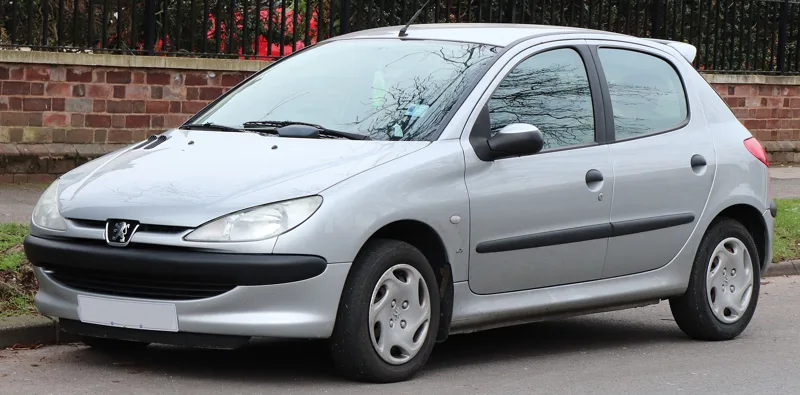
From October 2006 to 2013, PSA sold a different car in China under the C2 name. It was a Peugeot 206 with modified front and rear bodywork, similar to how the earlier LN had been derived from the Peugeot 104. It shared no features with the European C2 and had its own place in Citroen's Chinese line-up.
The Chinese C2 measured 388 cm in length, 168 cm in width and 144 cm in height, with a 244 cm wheelbase. It came with a 1.4 L engine rated at 76 hp (57 kW) or a 1.6 L rated at 106 hp (79 kW). Weight ranged from 1,040 kg to 1,100 kg, and it was built at the Wuhan Dongfeng Peugeot-Citroen site.
For Citroen, the Chinese car was a way to reach a large market without building a new model from scratch, which explains its very different body and engine line-up from the European C2.
A crossover-styled C2 Cross appeared in late 2012. Almost 80,000 Chinese C2 cars were produced in total. Their production run is a reminder that the C2 name meant different things in different markets.
What are the Citroen C2 specifications?
The table below covers the main European engines and the key figures for the Chinese C2. Each row names the engine or market it applies to, so the performance figures do not blend with the cheaper models. Power is given in PS first, with kilowatts and horsepower in brackets.
| Specification | Detail |
|---|---|
| Body and layout | Three-door hatchback, front engine, front-wheel drive |
| Production | August 2003 to October 2009, Aulnay |
| 1.1 L TU1 | 1,124 cc inline-four, 60 PS (44 kW; 59 hp) |
| 1.4 L TU3 | 1,360 cc inline-four, 75 PS (55 kW; 74 hp) |
| 1.4 L ET3 SensoDrive | Stop and Start, 90 PS (66 kW; 89 hp) |
| 1.4 L DV4 HDi | Diesel, 68 PS (50 kW; 67 hp), 150 Nm (111 lb ft) |
| 1.6 L TU5 VTR | 110 PS (81 kW; 108 hp) |
| 1.6 L TU5 VTS | 125 PS (92 kW; 123 hp); 0 to 100 km/h in 8.0 seconds |
| 1.6 L DV6 HDi | Diesel, 110 PS (81 kW; 108 hp), 268 Nm (198 lb ft) |
| Gearbox | Five-speed SensoDrive automated manual |
| Chinese C2 engines | 1.4 L (76 hp or 57 kW) and 1.6 L (106 hp or 79 kW) |
| Chinese C2 size | 388 cm long, 168 cm wide, 144 cm high, 244 cm wheelbase |
Frequently asked questions
Was the C2 sold with a manual gearbox?
Yes, the VTR SensoDrive and the VTS manual were the two petrol options available in Australia. SensoDrive also appeared on the 1.6 VTR and the 1.4 Stop and Start model.
What replaced the C2?
The DS3 replaced the C2 in January 2010. It was a different car in both styling and positioning, and it belonged to a new model line.
How many GT editions were built?
Only 2,500 GT limited editions were produced, all for the UK market. Each car came with a numbered certificate to confirm its authenticity.
Was the Chinese C2 the same as the European car?
No. The Chinese C2 was a modified Peugeot 206 with different dimensions and engines, and it shared no features with the European model.