A two-generation city car from the B-Zero project, built beside the Peugeot 107 and Toyota Aygo in the Czech Republic until 2022.
The Citroen C1 was a city car developed under the B-Zero project with Toyota. It was sold in two generations, the second launched in 2014, and was built alongside the Peugeot 107 and Toyota Aygo. Production ended in January 2022 after almost 1.2 million vehicles.
Few small cars from the first decade of this century have a more tangled family tree than the Citroen C1. Built with Toyota and sold beside two close siblings, it survived two generations before its final year. This profile covers its origins, engines, trims, recalls and the racing life it picked up along the way.
The C1 is also a useful case study in how carmakers share cost. Two brands and a third partner agreed to build one small car in several guises, and the result shows how much engineering a shared platform can carry.
What is the Citroen C1?
The C1 is a city car that Citroen marketed from June 2005 to January 2022. It was developed as part of the B-Zero project with Toyota, and it was built alongside the Peugeot 107 and the Toyota Aygo. Production stopped on 1 January 2022 after almost 1.2 million vehicles.
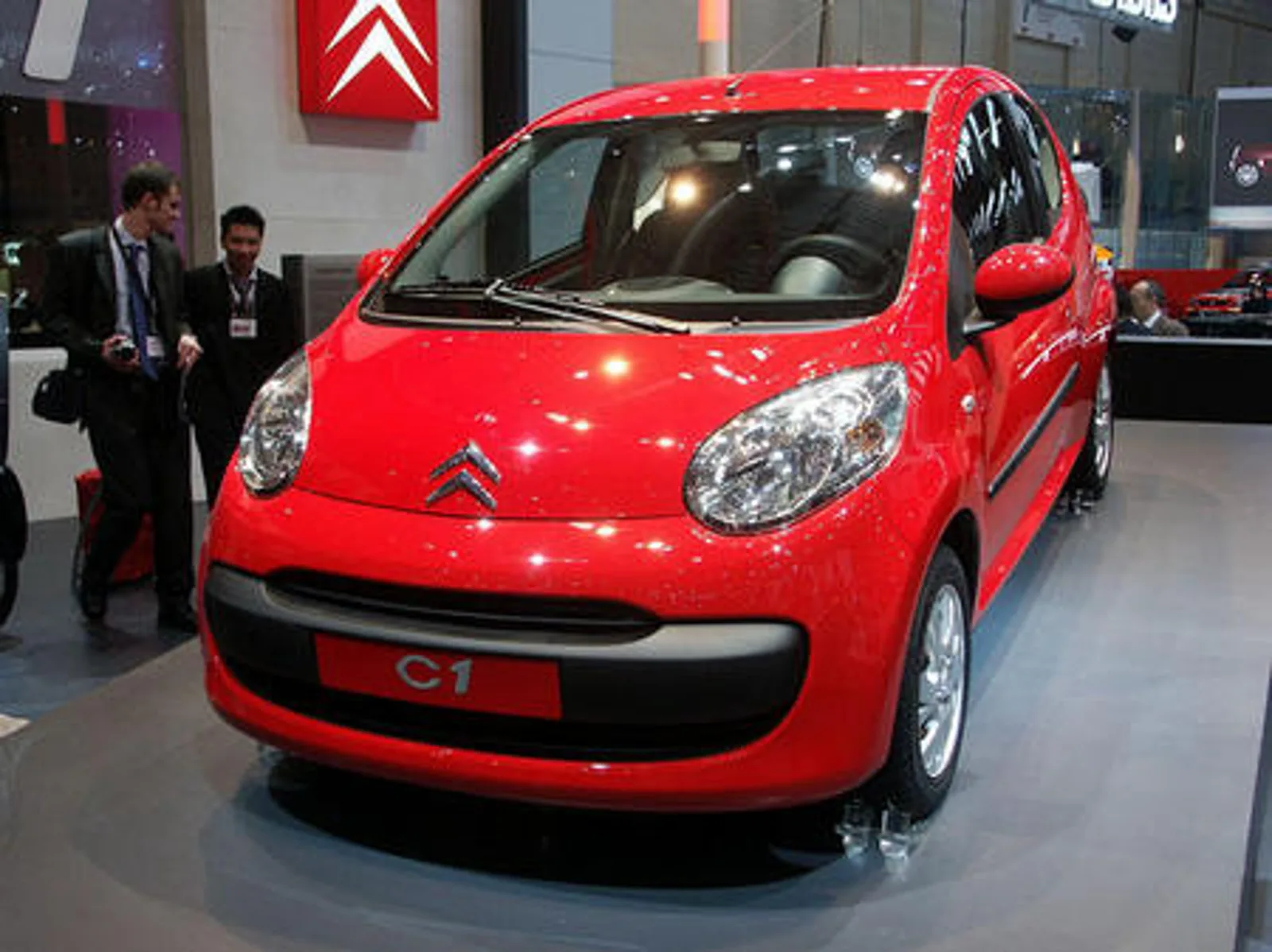
The C1 body was designed by Donato Coco in a one-box configuration. On the five-door car, the rear tail light cluster ran from the edge of the rear doors to the rear window, with no distinctly expressed C-pillar, which gave the car a clean profile.
The three siblings debuted together at the 2005 Geneva Motor Show, and all three were built at the TPCA joint venture in Kolin, Czech Republic. A one-box shape keeps the footprint compact, which suits a city car that must fit tight parking spaces.
A small car with a complicated family tree, the C1 ran from 2005 to 2022 across two very different generations.
The B-Zero project and its siblings
The project behind the car was B-Zero, a joint effort between Toyota and PSA Peugeot Citroen. Sharing one underlying design across three brands gave both partners a cheaper route into the small-car segment.
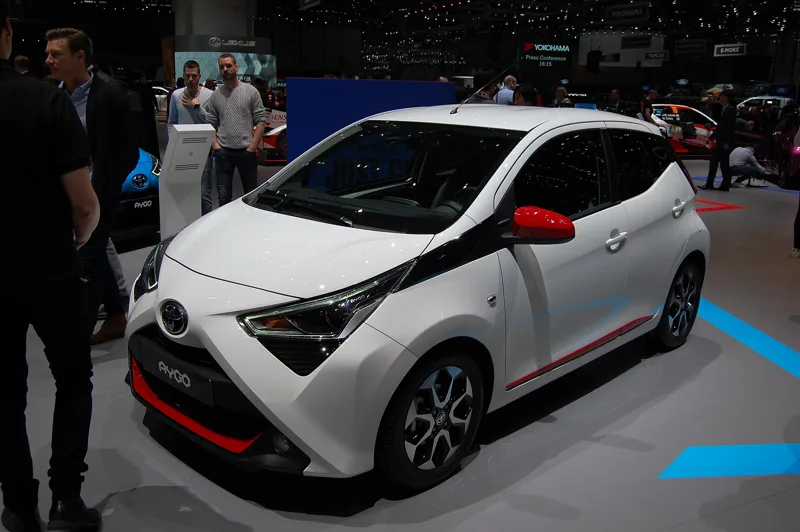
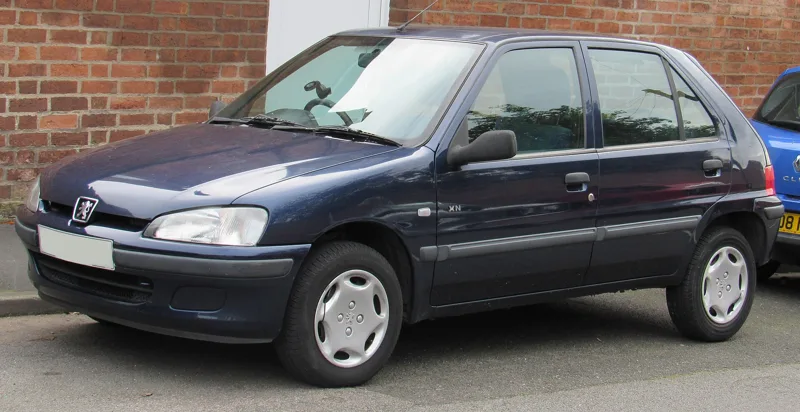
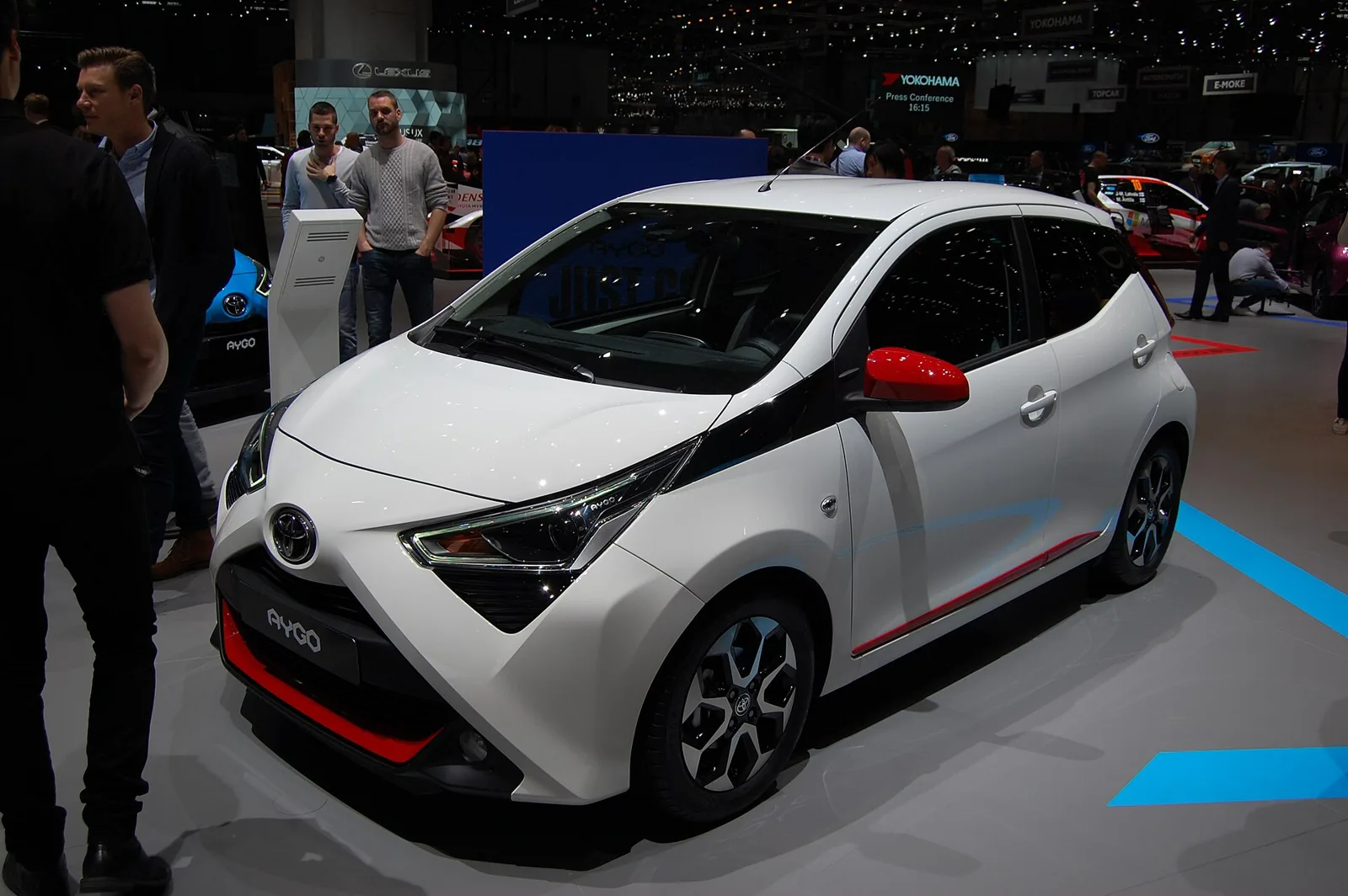
The Peugeot 107 is nearly identical to the C1 in body and mechanics. The Toyota Aygo is slightly more differentiated, with its own front and rear treatment and its own badging, so the three cars look more alike on paper than on the street.
For buyers, the practical result was a choice of three closely related small cars with different badges, price points and styling details. For the makers, shared development spread the cost across more cars than any single brand could have justified alone.
How efficient were the C1 engines?
The 1.0 L three-cylinder petrol returned 61.4 mpg UK gallons, or 4.6 L/100 km. The 1.4 L four-cylinder diesel managed 68.9 mpg UK gallons and 4.1 L/100 km. Der Spiegel ranked the car second among petrol cars for economy, after the Prius.
Buyers choosing between the two engines could weigh a slightly higher purchase price against the fuel savings. For a city car that spends much of its life on short trips, that trade-off mattered more than outright performance.
Der Spiegel's comparison also placed the C1 near the top in diesel economy, where it came second only to the Smart Fortwo mhd. Those results made the car a strong choice for anyone counting litres at the pump.
First-generation trims and the 2009 facelift
The UK range began with the Vibe, the cheapest model, which came with only the 1.0i engine. The Rhythm added remote central locking and two side airbags, so the step up brought real practical gains for a modest outlay.
The Code took the Rhythm further with 14 inch alloy wheels and half leather-trimmed seats. Special editions followed as well, and Airplay stood out with a 4 GB iPod Nano and an iPod cradle built into the dashboard setup.
The 2009 facelift renamed the basic Vibe to VT and the Rhythm to VTR, and a revised clutch arrived with it. The Splash special edition added air conditioning and a CD player to the basic VT for a limited run.
What changed with the 2012 facelift?
The March 2012 facelift added LED daytime running lights, and the Euro NCAP score fell from 4 stars to 3. The Platinum trim arrived with a spoiler and chrome interior trim. Connexion followed in August 2012 with 14 inch alloy wheels.
The 2012 changes kept the car current during the years before the second generation arrived. Trim choices widened, so buyers could pick a look closer to their taste without changing the engine line-up.
The second generation and the Airscape
At the 2014 Geneva Motor Show Citroen presented a redesigned C1, again built at TPCA in the Czech Republic. A fixed-profile cabriolet called the Airscape was introduced, with a folding canvas roof that opened up the car's silhouette.
The Airscape came in both 3 and 5-door configurations, so the open-top idea was not limited to a single body style. Trims in the second generation included Feel, with its large fabric sunroof, and Touch as the most basic level.
Feel was replaced by Sense in 2020, and Flair was replaced by Shine the same year. Urban Ride added extra paint options late in the run, giving the final cars a broader palette than their predecessors had enjoyed.
What special editions did the C1 receive?
Special editions ranged from Splash and Airplay in the first generation to JCC+ in the second. JCC+ was made in collaboration with fashion designer Jean-Charles de Castelbajac, and it carried unique badging and a set of customised features.
The GT-C1 was a concept by Franco Sbarro with gullwing doors and a modified 1.6L engine taken from the Citroen C2 VTS. It showed how far the basic city car could be pushed when a designer chose to take liberties with its shape.
Did the C1 have recall or reliability issues?
A January 2010 recall covered around 100,000 C1 and 107 cars. The car also ranked top of the sub small car class in breakdown figures published by the German Automobile Club in May 2010. Euro NCAP later reduced its rating from 4 stars to 3.
Breakdown statistics are a snapshot rather than a complete picture of ownership, so they are best read as one measure among several. Even so, a top position in its class is a useful signal for buyers weighing reliability against price.
A racing life after the road car
The C1 became a cheap racing car in endurance racing. Like the 2CV before it, it attracted budget teams that wanted a lightweight, low-cost entry into the sport.
That racing life gave the model a second identity beyond the school run and the car park. For enthusiasts who enjoy the underdog, the C1 earned a small but loyal following on the track.
How does the C1 fit Citroen's history?
Citroen has a long tradition of affordable, practical cars built for ordinary owners rather than status. The C1 carried that idea into the city-car era, when the sheer number of compact cars on European streets made price and running costs central to the sale.
Its appeal therefore rested on sensible engineering rather than flair. Buyers who wanted a small, economical car found one that asked little of them, which is the same quality that earlier Citroen models were known for.
What are the Citroen C1 specifications?
The specification table brings together the core figures for both generations, from the June 2005 launch to the January 2022 end of production. Each row names the engine or the generation it applies to, so the first-generation and second-generation details stay clearly separated.
| Specification | Detail |
|---|---|
| Production | June 2005 to January 2022 |
| Generations | Two (PM/PN 2005; AB40 2014) |
| Engines | 1.0 L three-cylinder petrol; 1.4 L four-cylinder diesel |
| Petrol economy | 61.4 mpg UK gallons; 4.6 L/100 km |
| Diesel economy | 68.9 mpg UK gallons; 4.1 L/100 km |
| Total built | Almost 1.2 million |
| Factory | TPCA, Kolin, Czech Republic |
| Euro NCAP | 4 stars reduced to 3 (2012 facelift) |
| Siblings | Peugeot 107, Toyota Aygo |
Taken together, the figures show a small car that stayed economical through two generations. The engines and body changed less than the trim names suggest, which kept the model easy to understand for buyers.
Why did the C1 suit the city-car market?
A city car has to be cheap to run, easy to park and simple to own, and the C1 was built around those demands. Its compact one-box body and economical engines suited crowded streets. Small cars of this kind win buyers on running costs rather than outright speed.
Small cars of this kind rarely win attention for their performance. Their success depends on quiet reliability and sensible size, which is why the C1's engineering focused on economy rather than speed from the start.
The model's place in the market was also shaped by its siblings. With the Peugeot 107 and Toyota Aygo on sale alongside it, buyers had three similar choices, and the decision often came down to brand loyalty, styling or the local dealer.
How did the C1 differ from its siblings in practice?
In practice the three cars differed mainly in badging, styling details and the way each brand presented them. The Peugeot 107 shares most of the C1's body, while the Toyota Aygo carries its own treatment at the front and rear, which gives it a separate identity.
The basic architecture was common to all three, so differences showed up mainly in trim and presentation. Owners choosing between them were weighing image, price and the service network rather than a fundamentally different machine.
That pattern is typical of cars built on a shared platform. The engineering budget went into one core package, and each brand then added the details that spoke to its own customers.
What owners gained from the C1's design
The C1 gave owners a small, economical car with a simple shape and a body that was easy to live with. Its compact dimensions made it a natural choice for city parking and short commutes.
The one-box body also made the cabin feel more open than the footprint suggested. Owners moving from larger cars would have noticed how efficiently the layout used the available space.
The engines kept fuel bills modest, and the diesel option offered extra economy for drivers who covered high mileage. That combination made the car easy to justify on running costs alone.
Maintenance was another attraction. A simple layout and mainstream engines made servicing straightforward, which helped the car keep its appeal in the second-hand market.
Parking and manoeuvring were simple in the city, and the compact dimensions meant the car could fit spaces that would defeat larger models.
Frequently asked questions
How long was the C1 sold?
Citroen sold the C1 from June 2005 until production stopped on 1 January 2022, a run that covered two generations of the car.
How many C1s were built?
Almost 1.2 million vehicles were produced across both generations before production stopped.
What replaced the C1?
The Toyota Aygo continued into a third generation as the Aygo X. A next-generation C1 had been planned for March 2021 on the TNGA-B platform, but that plan was cancelled.
Was there an electric C1?
Yes. The C1 ev'ie was an electric version sold in the UK from 2009 to 2012 by the Electric Car Corporation.