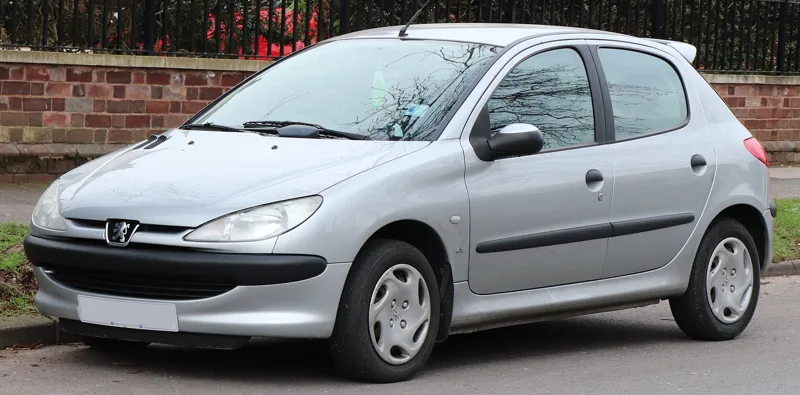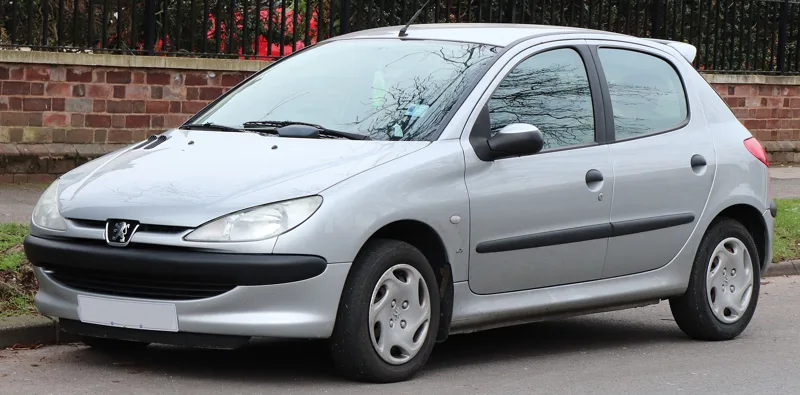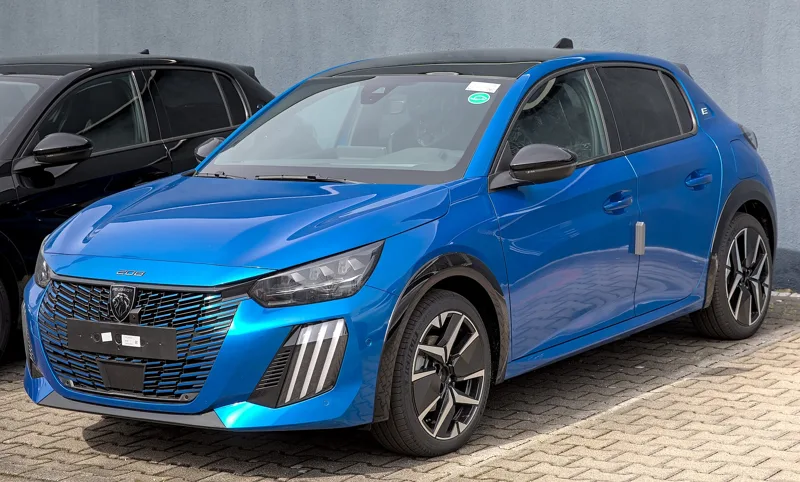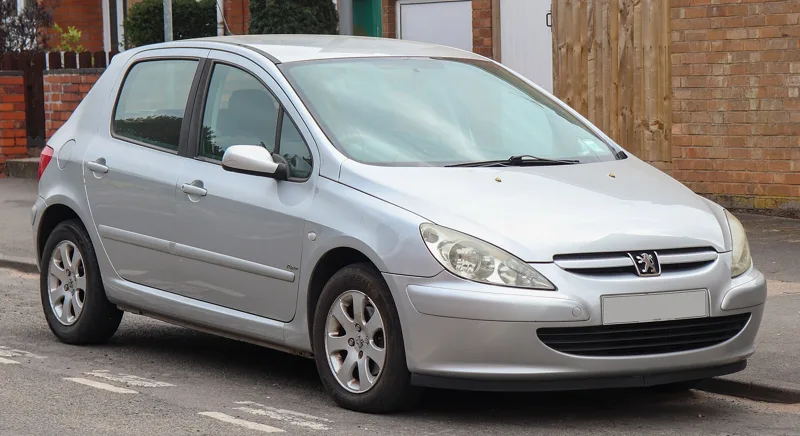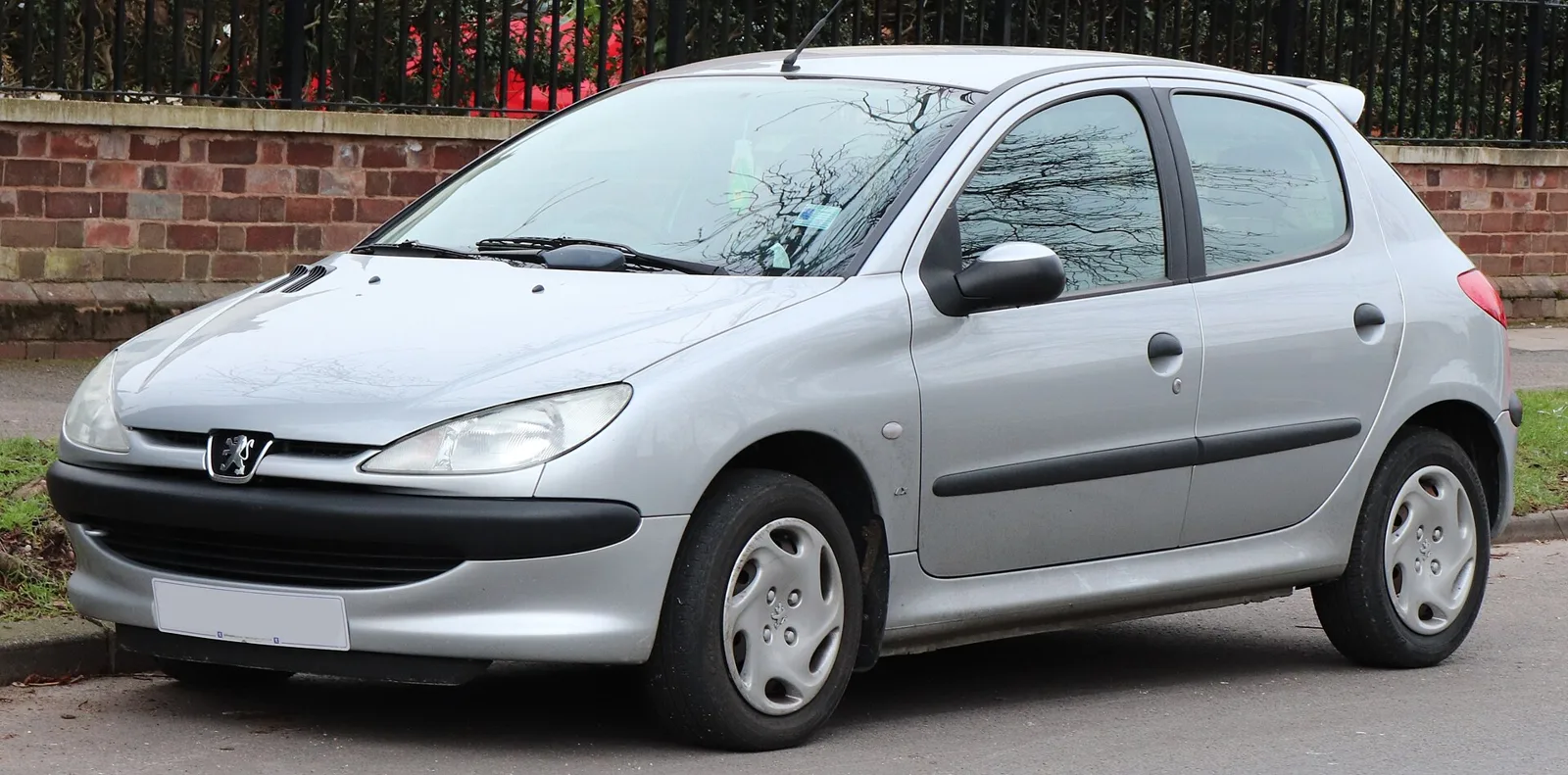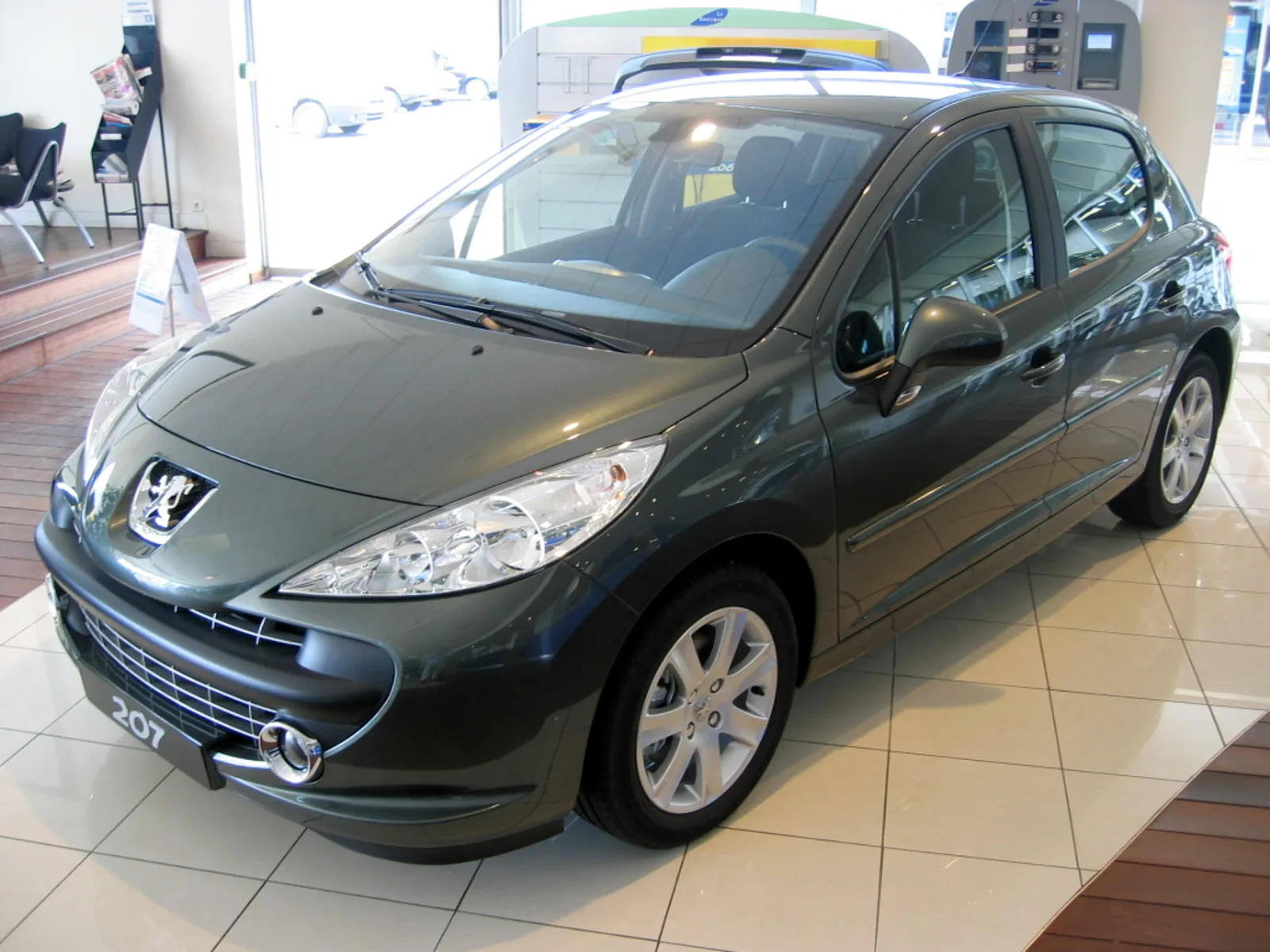
A supermini that succeeded the 206 on a platform shared with the Citroen C3, the 207 drew criticism for its interior and gearbox yet sold strongly in Britain.
The Peugeot 207 was a supermini that Peugeot built from 2006 to 2014, replacing the 206 on a platform shared with the Citroen C3. It was presented at Geneva in 2006 and was succeeded by the 208 in April 2012, while British buyers made it a strong seller.
The Peugeot 207 was a supermini that Peugeot designed and built from 2006 to 2014, succeeding the 206 on a platform it shared with the Citroen C3. The car made its debut at Geneva in 2006 and went into production that April. Despite criticism of its interior and gearbox, it became a strong seller in Britain.
How did the 207 come to replace the 206?
Production began in April 2006, a few months after the car's Geneva unveiling. France, Spain and Italy took the first cars that month, and British buyers followed on 8 June 2006. The 208 took its place on the same platform in April 2012.
The UK launch was overshadowed by a boycott campaign. Unions representing workers at PSA's Ryton plant chose the same day to call for a boycott of Peugeot and Citroen vehicles, in protest at plans to close the plant. Peugeot's UK sales still grew.
Before launch, Peugeot promoted the 207 through an MSN campaign, signalling how hard it wanted the car to reach ordinary buyers. Assembly was shared between Poissy in France, Madrid in Spain and a new factory in Trnava, Slovakia.
Peugeot had decided in January 2004 not to build the 207 at Ryton, which set the stage for the boycott when the launch arrived two years later.
A supermini that critics found unexciting yet which sold strongly in Britain, its nameplate outliving its own production run.
Which engines did the 207 offer?
Launch petrol engines were a 1.4-litre eight-valve with 75 hp and a 1.4-litre sixteen-valve with 90 hp (67 kW; 91 PS). A 1.6-litre sixteen-valve rated 110 bhp (82 kW; 112 PS) completed the early range. Their spread gave buyers a choice between economy and performance.
From late 2006 the 1.4 and 1.6 sixteen-valve models were replaced by Valvetronic units: the 1.4 vti rated 95 bhp (71 kW; 96 PS) and the 1.6 vti rated 120 bhp (89 kW; 122 PS). Turbo options sat above them in the line-up.
Two turbocharged versions were offered at 152 PS (150 bhp; 112 kW) and 177 PS (175 bhp; 130 kW). Those engines came from the cooperation between PSA and the BMW Group, and the same units powered the Mini Cooper S.
Diesel buyers had two routes: a 1.4-litre with 67 hp (50 kW), and a 1.6 HDi that came in 90 hp and 110 hp forms. The stronger HDi was the one that carried the intercooler.
| Specification | Detail |
|---|---|
| Launch petrol | 1.4-litre eight-valve 75 hp; 1.4-litre sixteen-valve 90 hp (67 kW; 91 PS) |
| 1.6 sixteen-valve | 112 PS (110 bhp; 82 kW) |
| 1.4 vti | 96 PS (95 bhp; 71 kW) |
| 1.6 vti | 122 PS (120 bhp; 89 kW) |
| Turbo petrol | 152 PS (150 bhp; 112 kW) and 177 PS (175 bhp; 130 kW) |
| Diesel | 1.4-litre 67 hp (50 kW); 1.6 HDi at 67 kW (90 hp) or 82 kW (110 hp) |
| GTI after 2009 | 184 hp (137 kW) |
| Le Mans Series | 2,000 units |
| Concept RCup | 2.0-litre Super 2000, 284 PS (280 hp; 209 kW) |
The table shows how the 207's range spread across three power bands, from the economical 1.4-litre petrol and diesel units through to the turbo GTI and GT models at the top.
What were the GTI and GT versions?
The GTI used the THP175 1.6-litre turbo rated 175 hp (130 kW; 177 PS). The GT used the 150 hp turbo and added a glass roof. Both were sold only with manual gearboxes. Both were aimed at buyers who wanted more driving reward than the regular models gave.
A 2009 software revision raised the GTI to 184 hp (137 kW) from 175 hp (130 kW), and the facelift arrived the same year with a smaller grille and fresh front lights.
The 2009 facelift also added LED lights at the rear and new fog lamp housings, which refreshed the car's face without touching its underlying design.
Was there a Le Mans edition of the 207?
Yes. The 207 Le Mans Series was a special edition of 2,000 units, distinguished by a sport front bumper with a shadow aluminium grille and black chrome headlights. Its steering wheel was numbered from 1 to 2,000. The limited run was a clear nod to Peugeot's endurance racing success.
Buyers could choose from three engines in the Le Mans edition, from the 110 hp 1.6 HDi through the 150 hp THP150 to the 175 hp THP175 at the top. Paint choices were limited to Banquise White or Obsidien Black.
How did the 207 sell and how was it reviewed?
The 207 drew mixed reviews, with criticism for its interior, gearbox quality and handling. Even so, it sold more than 67,000 examples in Britain in 2007, placing it sixth overall and third in the supermini sector. The mixed verdicts did not stop it from finding a large audience.
Autocar said the hatchback was safely played and lacked charm, verve and difference, although it praised the car's value, safety and styling. Some reviewers worried about reliability, and an insurer ranked it fourth from the bottom for dependability.
The CC fared better with critics. Top Gear described it as a worthy modern take on the classic tin-top cabriolet.
What concept cars came from the 207?
At Geneva in 2006 Peugeot showed the RCup, a Super 2000 concept with a 2.0-litre engine producing 280 hp (209 kW; 284 PS). It was meant to succeed the 206 World Rally Car, the machine that carried Peugeot to manufacturers' titles in 2000, 2001 and 2002.
The 207 Epure concept of 2006 previewed the CC with a hydrogen fuel cell, and it was shown at the Mondial de l'Automobile that year.
207 Super 2000 cars competed in the Super 2000 World Rally Championship and several European rally series. Drivers of the car won the 2008 European Rally title and the Intercontinental Rally Challenge in 2007, 2008 and 2009.
Did the 207 name carry on after 2012?
Yes. From November 2008 a facelifted 206 wore the 207 badge in China, South America, Southeast Asia and Iran. It kept the older platform but borrowed the 206+ front end, which looked like the 207. The nameplate outlasted the car it was first given to.
Its successor, the 208, arrived in April 2012 on the same platform.
What made the 207 different from the 206?
The 207 used a modified version of the Citroen C3 platform and replaced the 206 in Peugeot's supermini line-up. It was built at three plants, and its body styles included a hatchback, an estate, a panel van and the CC coupe-cabriolet.
The 206 CC retractable hardtop was replaced by the 207 CC in December 2006. Engine choice for the CC was limited to the 1.6 HDi or the 1.6 Vti, which kept the coupe-cabriolet focused on relaxed driving.
A panel van version was shown at the Birmingham commercial show and sold in the UK, while the French market marketed its commercial version as the Affaire, which kept side windows in place.
How did the 207 turbo engines fit into the range?
The turbocharged 1.6-litre engines were a product of the PSA and BMW Group partnership, and they also powered the Mini Cooper S. The 150 and 175 bhp versions sat at the top of the petrol range, and the GTI and GT were sold only with manual gearboxes.
Engine management changes raised the GTI's output in 2009, which shows how much the performance models depended on software tuning as well as hardware. The turbo cars gave the 207 its most enthusiastic following.
Even so, reviewers criticised the handling and gearbox quality of the GTI, which kept the car from being a clear class leader despite its performance.
What did the 207 look like after its 2009 facelift?
The July 2009 facelift brought a slightly smaller grille, revised front lighting and LED lights at the rear. The GT used a glass roof, while the Le Mans edition brought its own sport bumper and a shadow aluminium grille. Those touches kept the car looking current for its later years.
The facelift updated the look without changing the basic structure of the car. It kept the proportions that had made the 207 a recognisable supermini, while modernising the lights that customers saw first.
Those details helped the car feel current through its later years, when it was competing against newer rivals with sharper styling.
How did the 207 handle and ride?
Reviewers described the 207 as a safe, predictable supermini rather than an exciting one, and they felt its handling and gearbox were the weakest points. Its ride was comfortable, which suited the typical supermini buyer who wanted an easy car to live with.
The GTI was the exception, with a sportier setup that drew more attention from enthusiasts, although its gearbox and steering still drew criticism.
Peugeot tuned the suspension to suit a broad audience, and that approach made the 207 easy to live with, if less exciting than rivals in the same class.
Who was the 207 aimed at?
The 207 was pitched at mainstream supermini buyers across Europe, with a range that covered economical diesels, lively turbo petrols and a glass-roofed GT. Its CC variant aimed at drivers who wanted open-top style without the cost of a full convertible.
Peugeot used the 207 name for a time in markets such as China and South America, where the facelifted 206 carried the newer badge and helped the company keep a presence there.
What did the 207 offer in practical terms?
The 207 offered hatchback, estate, panel van and coupe-cabriolet versions, which covered a wide range of buyers. Its cabin and boot were sized for everyday supermini use, with the estate adding extra load space. The range covered most needs in one family of cars.
The estate, known as the SW, gave families and small businesses more luggage room without moving up a class. The panel van was a commercial option for trades and deliveries, and it kept the car's basic driving character.
Peugeot aimed the range at a broad audience, so buyers could choose a practical car, an economical diesel or a sportier turbo model within the same family.
How did buyers respond to the 207's looks?
Buyers were attracted by the 207's modern styling and sharp lights, although critics said the interior felt less refined than the exterior suggested. The mix of looks and practicality helped the car sell well in Britain. The styling was a major part of its appeal.
The cabin drew some criticism for its plastics and layout, and reviewers felt the interior did not match the strength of the exterior. Even so, the car's neat proportions and friendly face made it a familiar sight on British roads.
Peugeot's marketing leaned on the 207's contemporary image, and the facelift kept the styling current for the car's later years.
Frequently asked questions
How powerful was the 207 GTI?
The GTI's 1.6-litre turbo was rated 175 hp (130 kW; 177 PS) at launch and rose to 184 hp (137 kW) after a 2009 software update.
How many 207 Le Mans editions were built?
Peugeot built 2,000 units, each with a steering wheel numbered from 1 to 2,000.
Did the 207 sell well in Britain?
Yes. Sales in 2007 topped 67,000 cars, which ranked the 207 sixth overall and third among superminis.
What replaced the 207?
The 208 took over from the 207 in April 2012, and the 207 nameplate continued on a facelifted 206 in several other markets.