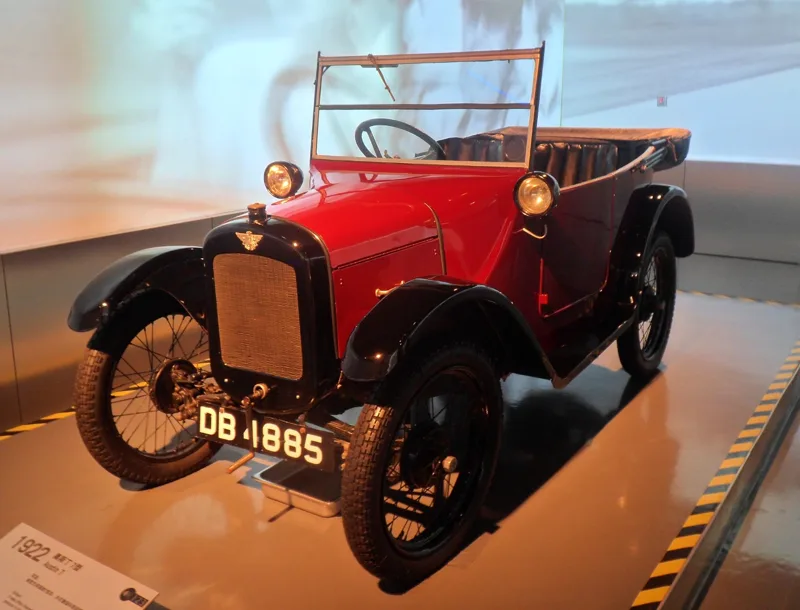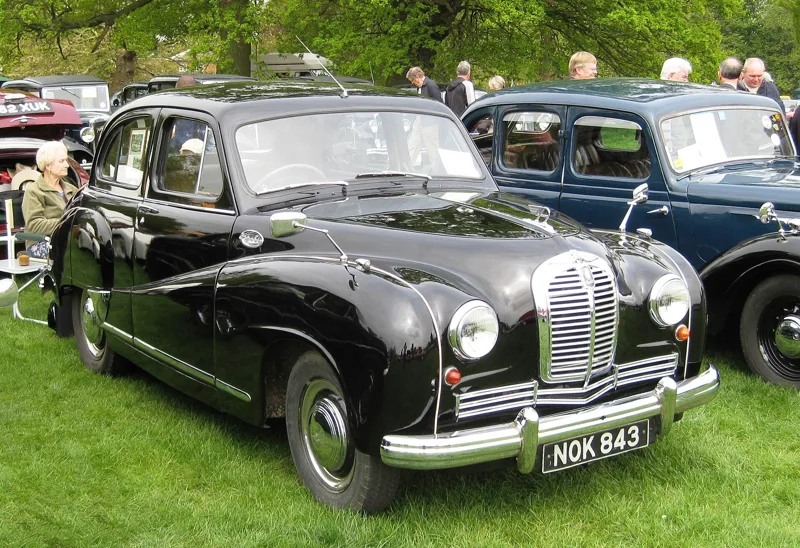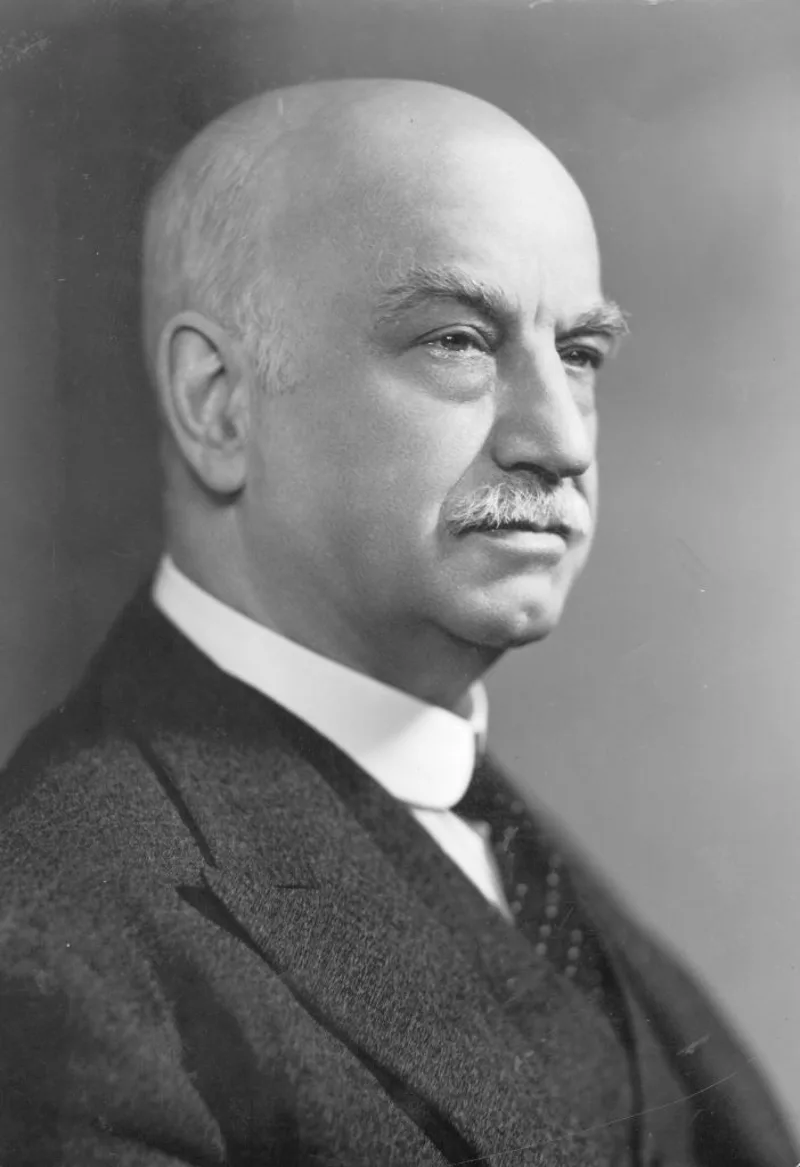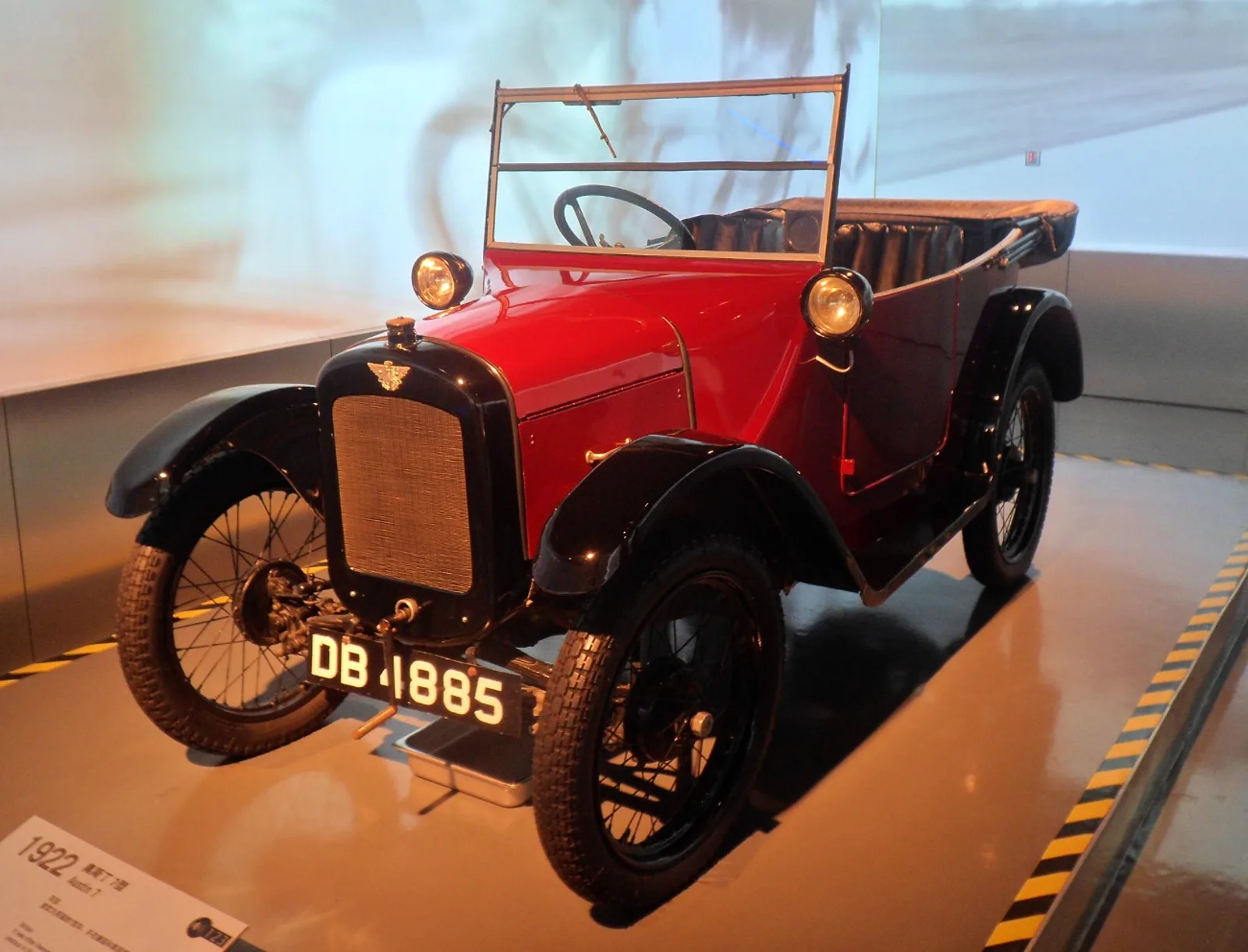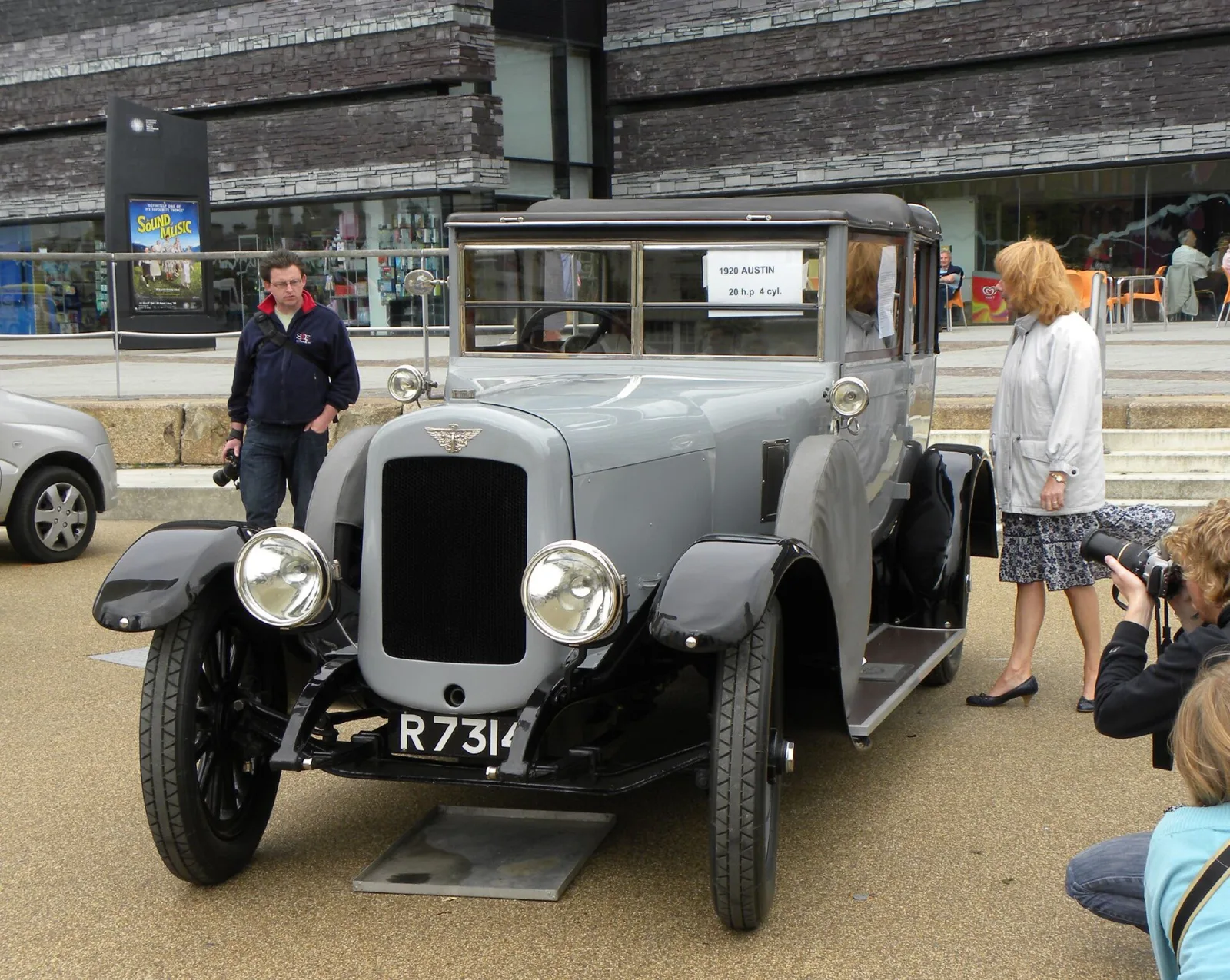
A large British car from 1919 built on an American layout, a costly one-model bet, a six-cylinder successor and a Twenty-Eight that closed the story in 1938.
Introduced in 1919 and built until 1930, the Austin Twenty was the company's large four-cylinder car, later joined by a six-cylinder 20/6. Its one-model policy, drawn from an American Hudson layout, collapsed in 1921 when the company went into receivership.
The Austin Twenty was a large car that Austin introduced in April 1919, and it stayed in production until 1930. It was built on a one-model policy that Herbert Austin in line with the manufacturing philosophy of Henry Ford, and a six-cylinder 20/6 later joined it, after which the original became known as the 20/4.
What was the Austin Twenty?
The Austin Twenty was a large four-cylinder car introduced in April 1919 and built until 1930. Herbert Austin backed it with a one-model policy based on the layout of an American Hudson, and a six-cylinder 20/6 later joined the range.
Before 1919 Austin cars were expensive prestige models, so the Twenty marked a clear change of direction. It was meant to be a single car that could be made in large numbers rather than a range of costly machines.
A large one-model bet on an American layout, followed by a six-cylinder car that lasted until 1930.
Why did Austin adopt a one-model policy?
Herbert Austin decided that the future lay in mass-producing a single model, and he chose the 20 hp class for it. The decision drew on the manufacturing philosophy of Henry Ford, and it was made with a plant that had grown during the war.
The Longbridge works had grown during the war and could build 150 cars a week. That capacity was the base on which the one-model idea was to be put into practice.
Before 1914 the firm had offered several costly models, among them a 3.6-litre 20 hp car. Moving to one model was therefore a deliberate break with that past, aimed at volume rather than prestige.
Herbert Austin had owned an American Hudson Super Six during the war, and he admired it. Its overall layout became the basis for the new car, which was designed to suit the one-model strategy.
Why was the Twenty too large for Britain?
The car proved too big for the home market. By July 1920 roughly 3,000 examples had found buyers, well short of what the plan needed.
How did the press judge the Twenty in 1920?
The Times published a long review in June 1920. It admired Austin's ambition in bringing a car made on American lines to the British market, but judged the car to be inferior to the old 20 hp model that had done well in the 1914 Alpine Trials.
The review praised the car's hill-climbing ability, its quiet running and its steering, but it criticised the engine vibration at most speeds. It also called the pedal-operated transmission brake indifferent, and it said the finish was poor.
The reviewer suggested that the car would have been wiser with a new name, and that a slightly higher price would have paid for more finish and less vibration. He concluded that Austin could do lasting good for its shareholders if it took those steps.
When did the one-model policy come to an end?
The single-model plan was abandoned in mid-1921, at the point when the company went into receivership. Six months later, in November 1921, the smaller Twelve appeared as a scaled-down Twenty.
By the end of October 1921 Austin could advertise that 6,566 Twenties were on the road, with 2,246 delivered in 1921 alone.
What was the four-cylinder engine like?
The four-cylinder engine had a 95 mm bore and a 127 mm stroke, with a cast-iron block, a detachable cylinder head and an aluminium crankcase. Output was 45 bhp at 2000 rpm, and the unit was mounted straight onto the gearbox.
The gearbox was a four-speed centre-change unit, and drive reached the rear wheels through an exposed propeller shaft.
The chassis was conventional and based on the Hudson's. Half-elliptic leaf springs sat on every wheel, with rigid axles at each end, and the first cars braked only at the back.
Front brakes became standard from 1925. Wooden-spoked artillery-style wheels were fitted at first, and the car kept them until the steel-spoked wheels arrived in the same year.
Which bodies were offered on the Twenty?
The Twenty appeared in 1919 with three body types: a tourer, a coupe and a landaulette. A fixed-head Ranelagh two-door coupe joined the range in 1921.
New for 1922 were a Grosvenor limousine and a landaulette version, a four-door Ranelagh, and a Westminster coupe with a folding roof.
A 75 mph Sports variant arrived in 1921 with a higher-compression engine and wire wheels. It was expensive, and only around 23 were sold.
How much did the Twenty cost?
Works prices in 1921 were GBP 695 for the tourer, GBP 850 for the coupe and GBP 875 for the landaulet. From 4 April 1923 the prices were cut, and the chassis alone dropped to GBP 500.
The 1923 reduction was publicly put down to improved manufacturing facilities and lower costs for materials and labour. Under the new prices, the five-seater tourer was GBP 595 and the Westminster and Ranelagh four-door coupes were GBP 750 each.
The Mayfair saloon landaulet or limousine stood at GBP 850, the highest price in that list. The Marlborough landaulet or limousine came down to GBP 750 in the same price list.
What did the six-cylinder 20/6 add?
The six-cylinder 20/6 made its debut at the London show of October 1926, though serious output began only in early 1928. Until 1930 the two engines were sold side by side, and 1929 was the last year of full production for the four-cylinder 20/4.
Lighting and starting ran on 12 volts in the six-cylinder car. The 1929 update added chrome exterior trim and Triplex glass.
The engine, clutch and gearbox were built as one unit, held in the frame by two brackets, and the rear axle was three-quarter floating.
How was the 20/6 chassis built?
The steering was of the worm and worm-wheel type, and a ring-operated horn switch sat beneath the hand wheel.
Behind the gearbox was a locomotive-type transmission brake, which was meant to do more than park the car. All four wheels were braked through rods and then cables, and the drums were sealed with outlets for water or oil.
How much did the 20/6 range cost?
The 20/6 range was priced across a number of bodies. An Ascot four-cylinder cost GBP 620, an Open Road tourer was GBP 425 with four cylinders and GBP 525 with six, and a Mayfair with four cylinders was GBP 715.
The Carlton saloon ran from GBP 495 on the four-cylinder car up to GBP 595 on the six, while a Marlborough landaulette with four cylinders was GBP 475. Ranelagh limousines and landaulettes started at GBP 575 and reached GBP 675 on the six-cylinder car.
How did road testers find the 20/6?
Road testers found the seats comfortable and the car free from any sign of overheating. The clutch was satisfactory, and the lower gears were much quieter than on earlier Austins.
The dial stopped at 60 mph, which sat within the engine's capacity. The brakes, suspension and steering were acceptable, though the testers thought they could be improved.
What changed in the 1932 body?
The 1932 body gave the car a streamlined front, a new waistline moulding and a new petrol tank housing. The car was offered as a seven-seater.
The 11 ft 4 in wheelbase version, a Ranelagh limousine or landaulette, cost GBP 595. It was also offered as a Whitehall saloon on a 10 ft wheelbase at GBP 515.
A road test of the seven-seater limousine noted four good doors and six side windows.
What changed in the 1934 body?
The 1934 body brought an entirely new front, with a longer bonnet and a new radiator shape. Synchromesh was fitted to the gearbox in mid-1933.
The engine was described as greatly improved in smoothness. The price for the limousine and landaulette was GBP 650.
How many Twenties were built in the mid-1930s?
Production figures show 629 cars in 1933, 491 in 1934 and 555 in 1935. The total fell to 380 by 1937, and no production figure is given for 1936.
What was the Austin Twenty-Eight?
The Twenty-Eight was the last of the Austin range to receive the new body shape by Dick Burzi, and it was introduced in July 1938 at a price of GBP 700. It was described as roomy, with luxurious comfort for its passengers.
The Austin Eighteen had a 50% more powerful engine, and the Twenty-Eight's body was 18 inches longer in the nose. The new body shared only its general appearance with the smaller car.
The Twenty-Eight's new 4-litre engine was announced in July 1938 and raised the bore from 79.35 mm to 86.36 mm. Capacity grew from 3.4 to 4 litres, and the tax rating rose from 23.42 to 27.75.
Output climbed from 58 bhp (43 kW; 59 PS) at 2,600 rpm to 90 bhp (67 kW; 91 PS), reported at 3,200 rpm. The engine had an alloy cylinder head over inclined side valves and a four-bearing crankshaft with a vibration damper.
How did road testers rate the Twenty-Eight?
The road test called the Twenty-Eight a new and roomy seven-seater with much to recommend it, including its price. Its sliding quarter windows were praised for giving draught-free ventilation.
Top comfortable speed was 70 miles per hour, and the steel body panels were noted as well insulated for sound. Sliding glass panels divided the compartments, and the folding footrests added to the comfort.
How many of the Twenty-Eights survive?
Very few cars have survived from the Twenty's run. In 2004 Martyn Nutland reported that two Twenty-Eights were still in existence, along with part of a third.
That small figure stands out, because 6,566 Twenties were on the road by late 1921.
What are the Austin Twenty specifications?
| Specification | Detail |
|---|---|
| Introduced | April 1919 as the Austin Twenty |
| Production | Until 1930 for the Twenty; side-valve Twenty-Eight of 1939 was the final inter-war version |
| Engine (four-cylinder) | 95 mm bore, 127 mm stroke; 45 bhp at 2000 rpm |
| Gearbox | Four-speed centre-change, bolted to the engine |
| Brakes | Rear only at first; front standard from 1925 |
| Wheels | Wooden-spoked artillery style; steel-spoked from 1925 |
| Six-cylinder 20/6 | Announced October 1926; production from early 1928 |
| Electrical system (20/6) | 12-volt for lighting and starting |
| Twenty-Eight engine | 4-litre side-valve six; 90 bhp (67 kW) at 3,200 rpm |
| Twenty-Eight price | GBP 700 at launch in 1938 |
| Cars on the road | 6,566 by the end of October 1921 |