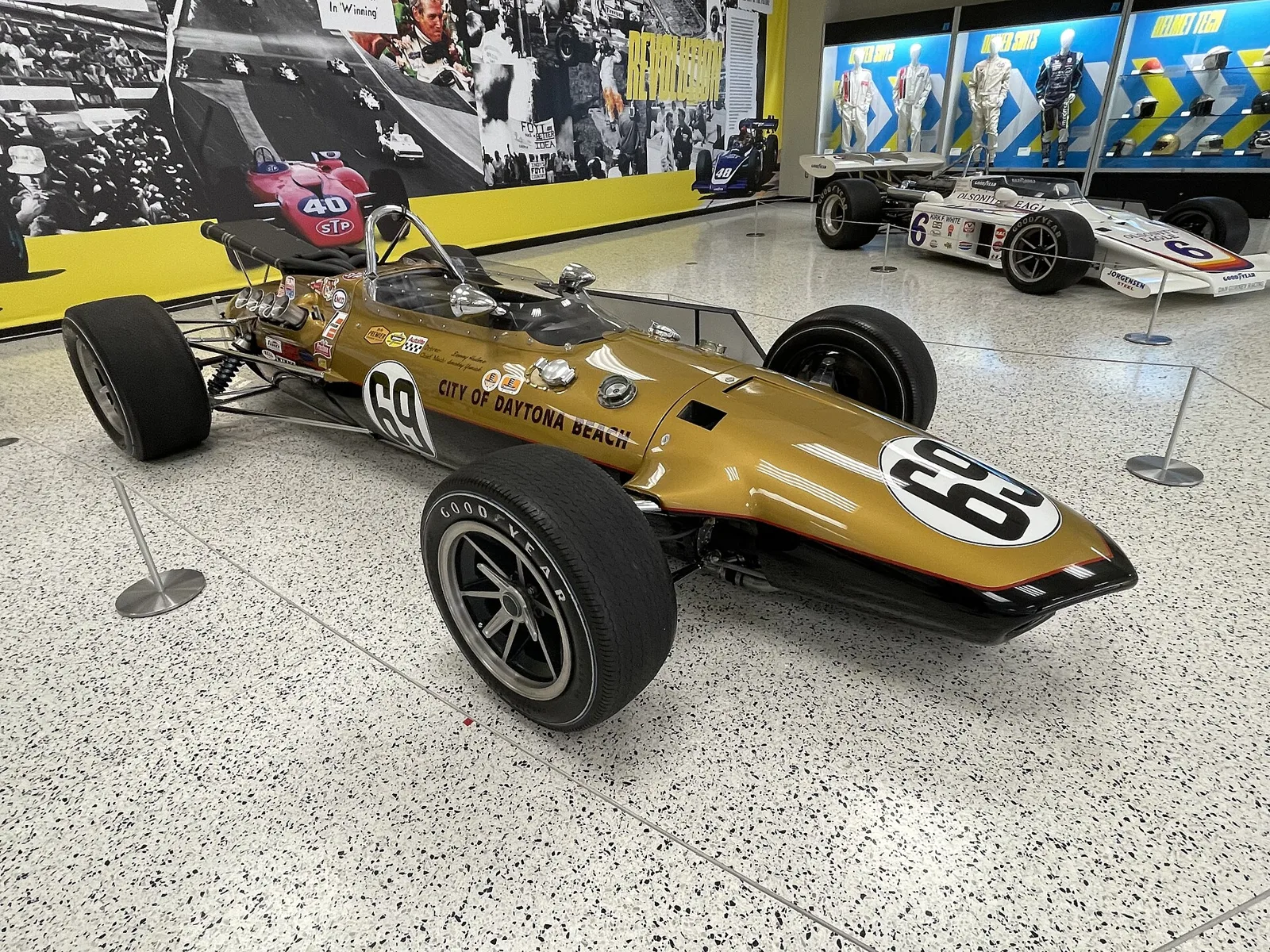
A Daytona mechanic who built Pontiac winners, bent NASCAR's rules within the letter of them, and left behind patents, columns and a famous garage.
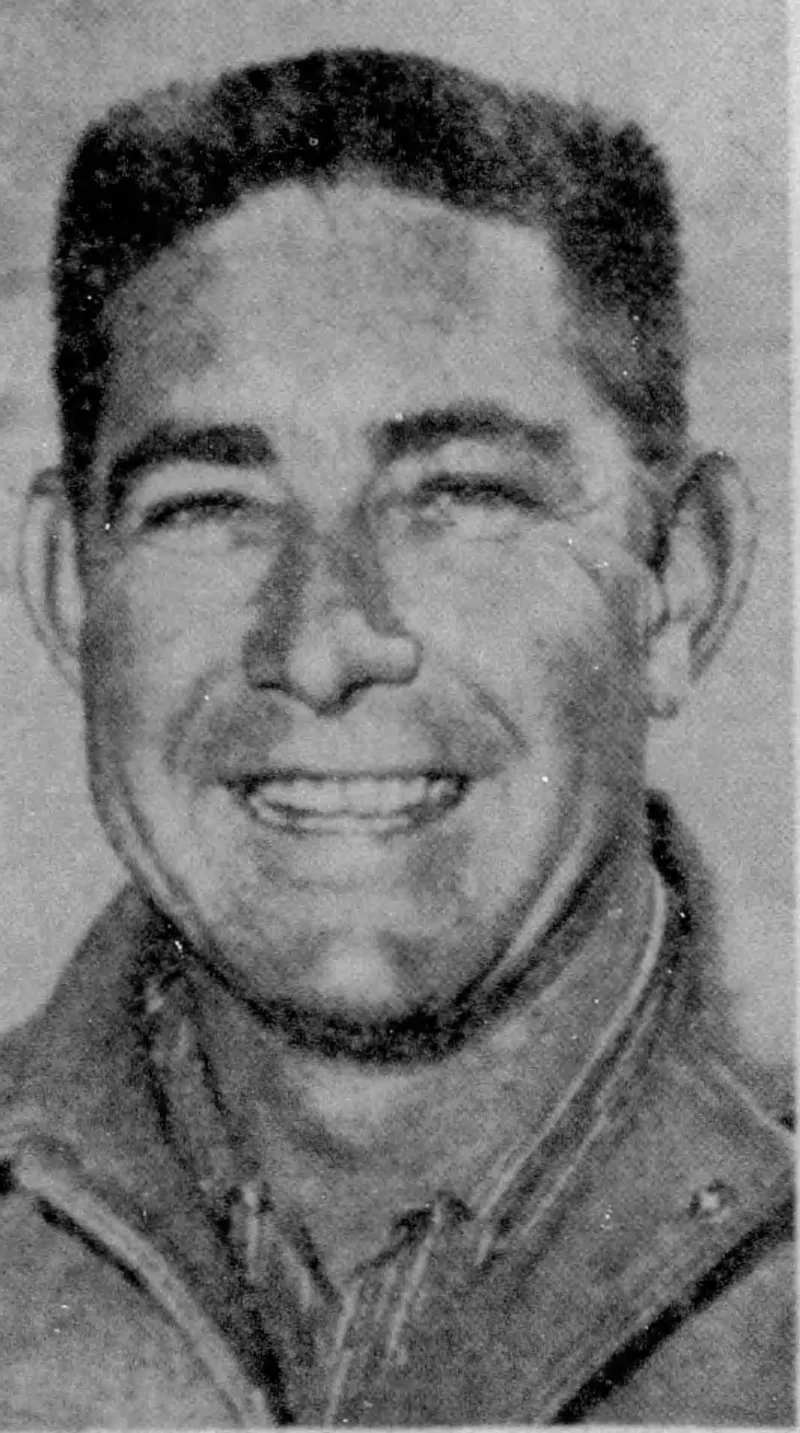
Smokey Yunick was an American crew chief, engine builder and car designer, best known for his work with NASCAR teams in the 1950s and 1960s. He was twice NASCAR Mechanic of the Year, helped Pontiac win two Daytona 500s as an owner and built cars that pushed the rulebook to its limits.
Henry 'Smokey' Yunick was an American crew chief, owner, engine builder and car designer who was central to NASCAR's early years. He was twice named NASCAR Mechanic of the Year, and the teams he worked with won 57 Cup Series races, including two championships in 1951 and 1953. He died on May 9, 2001.
Yunick was an opinionated figure whose trademark white uniform, battered cowboy hat and cigar or corncob pipe were a familiar sight in NASCAR and Indianapolis pits for more than twenty years. He worked with around fifty of the sport's best-known drivers, and his work spanned driving, design, engine building and writing. Marvin Panch, who won the 1961 Daytona 500, called him about as good as anyone had ever been on engines.
Who was Smokey Yunick before he reached racing?
Yunick was born on May 25, 1923, to Ukrainian immigrants and grew up on a farm in Neshaminy Falls, Pennsylvania. He had to leave school at 16 to run the farm after his father died. He built a tractor from the remains of a junked car, and he built and raced motorcycles in his spare time. His nickname came from the behaviour of one of those motorcycles.
His military record is different from some of the stories he told later. He said he had joined the Army Air Corps in 1941 and flown a B-17 he called Smokey and his Firemen, completing more than 50 missions over Europe. Official records from the National Archives show he was drafted as a welder in January 1943, at 19, in Philadelphia. He served on active duty from February 1944 to March 1946, was commissioned as a 2nd Lieutenant and received an Air Medal from the 15th Air Force in 1944. No Purple Heart was issued, despite his report of a combat wound.
A garage mechanic from Daytona who won NASCAR races, Indianapolis attention and a place in Pixar's Cars 3.
How did Yunick's garage become famous?
Yunick moved to Daytona Beach, Florida, in 1946 after his marriage, and he opened Smokey's Best Damn Garage at 957 N Beach St. in 1947. It started by repairing trucks, and it became one of the best-known workshops in motorsport. He closed it in 1987, saying there were no good mechanics left to run it.
His estate plan led to the sale of the garage property in 2003. Most of the buildings were demolished a few years later. A single remaining building was destroyed by fire on April 25, 2011, at about 7 p.m., ending the physical presence of the business that had carried his name for decades.
How did Yunick get into NASCAR?
Marshall Teague, a local stock car team owner, invited Yunick to join his team even though Yunick was completely unfamiliar with stock car racing. Yunick prepared a Hudson Hornet for Herb Thomas for the second running of the Southern 500 at Darlington, South Carolina, and that car won the race. The result turned a garage mechanic into one of the most sought-after engine men in the sport.
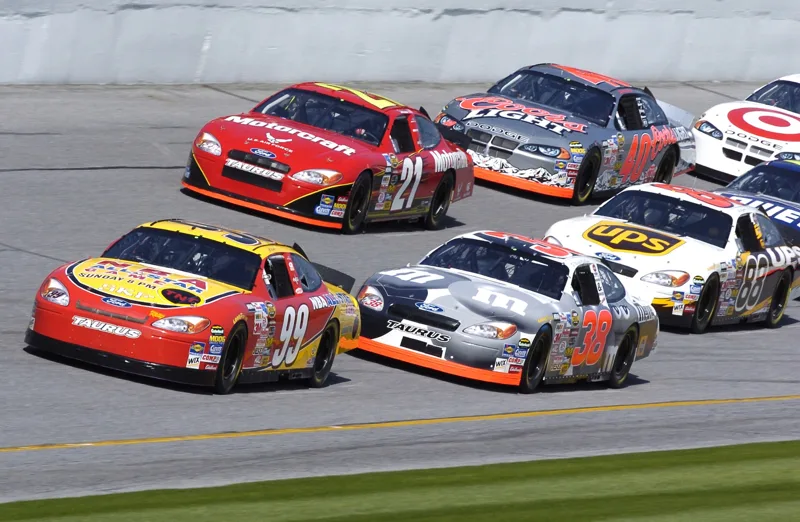
Yunick then became Chevrolet's unofficial factory race team, and he contributed to the high-performance development of the Chevrolet Small-Block engine. He ran Chevrolets in 1955 and 1956, switched to Fords for 1957 and 1958, and then fielded Pontiacs from 1959 until 1963. With Pontiac he became the first team owner to win the Daytona 500 twice, in 1961 and 1962.
Yunick became the first team owner to put a driver on pole three times, with his close friend Fireball Roberts from 1960 to 1962, which also made Pontiac the first manufacturer to do so. After Roberts was burned in a 1964 crash at Charlotte and died about 40 days later, Yunick campaigned for safety changes. He was repeatedly overruled by NASCAR's owner, Bill France Sr., and left NASCAR in 1970.
What rule-bending innovations did Yunick build?
Yunick worked in the grey area of the rulebook. In 1966 he prepared a Chevrolet Chevelle, No. 13, for Curtis Turner. It was so much faster in testing that rivals were sure it was cheating, and the investigation found that he had lowered the roof and windows and raised the floor to lower the body. Afterwards NASCAR mandated that every race car's roof, hood and trunk match templates of the production car's shape.
He also worked around the fuel-capacity limit. He added about 5 US gallons (18.9 litres) with 3-metre (11-foot) coils of 5-centimetre (2-inch) tubing. In another episode he kept the fender wells on his Chevelle until after qualifying, arguing that the rules allowed their removal but did not require it, then removed them once the car had qualified well. The rules did not say when he could remove them, and he took advantage of that.
His 1968 Camaro for Trans-Am racing was superficially stock but heavily modified. It had lightened body panels, a lowered front end, widened fenders and a raised floor. Yunick set records at Bonneville with both a 302 cubic inch and a 396 cubic inch engine, but the car never won a race while he owned it.
Did Yunick's ideas for safety and aerodynamics succeed?
Some of his ideas were ahead of their time and were not adopted. He designed an early 1980s safe-wall barrier from old tyres between sheets of plywood, and NASCAR did not take it up. He also developed air jacks for stock cars in 1961, which NASCAR did not consider appropriate.
His aerodynamic thinking was sometimes more successful in other series. In 1962 he mounted a single wing on Jim Rathmann's Watson roadster at Indianapolis. The wing gave the car cornering speeds never seen there before, but the drag slowed its lap times, and USAC banned wings immediately. Wings began to appear on Can-Am and Formula One cars soon afterwards, and USAC allowed them again by 1972.
What did Yunick write and patent?
Yunick held at least nine US patents. He wrote the 'Say, Smokey' column for Popular Science in the 1960s and 1970s, answering readers' questions about car problems and performance. In the 1980s he wrote the Track Tech column for Circle Track magazine, and he published Smokey's Power Secrets in 1984.
His autobiography, Best Damn Garage in Town, was published in July 2001, two months after his death. It drew on the same strong opinions and practical experience that had made him a familiar name for decades.
Where did Yunick's legacy go after his death?
After Yunick's death his shop contents were auctioned, as he had wished, and the proceeds went to a foundation that funds motorsport innovation. He had watched his friend Don Garlits struggle to run a museum, and he did not want his family or a wealthy collector to take control of his reputation. He had restored much of the equipment to working order before he died.
Holly Hill's Riverside Park has a marker alongside Smokey Yunick Way, close to the former garage site. He entered the International Motorsports Hall of Fame in 1990, its first year, and the Motorsports Hall of Fame of America in 2000. He is a member of more than 30 halls of fame in total.