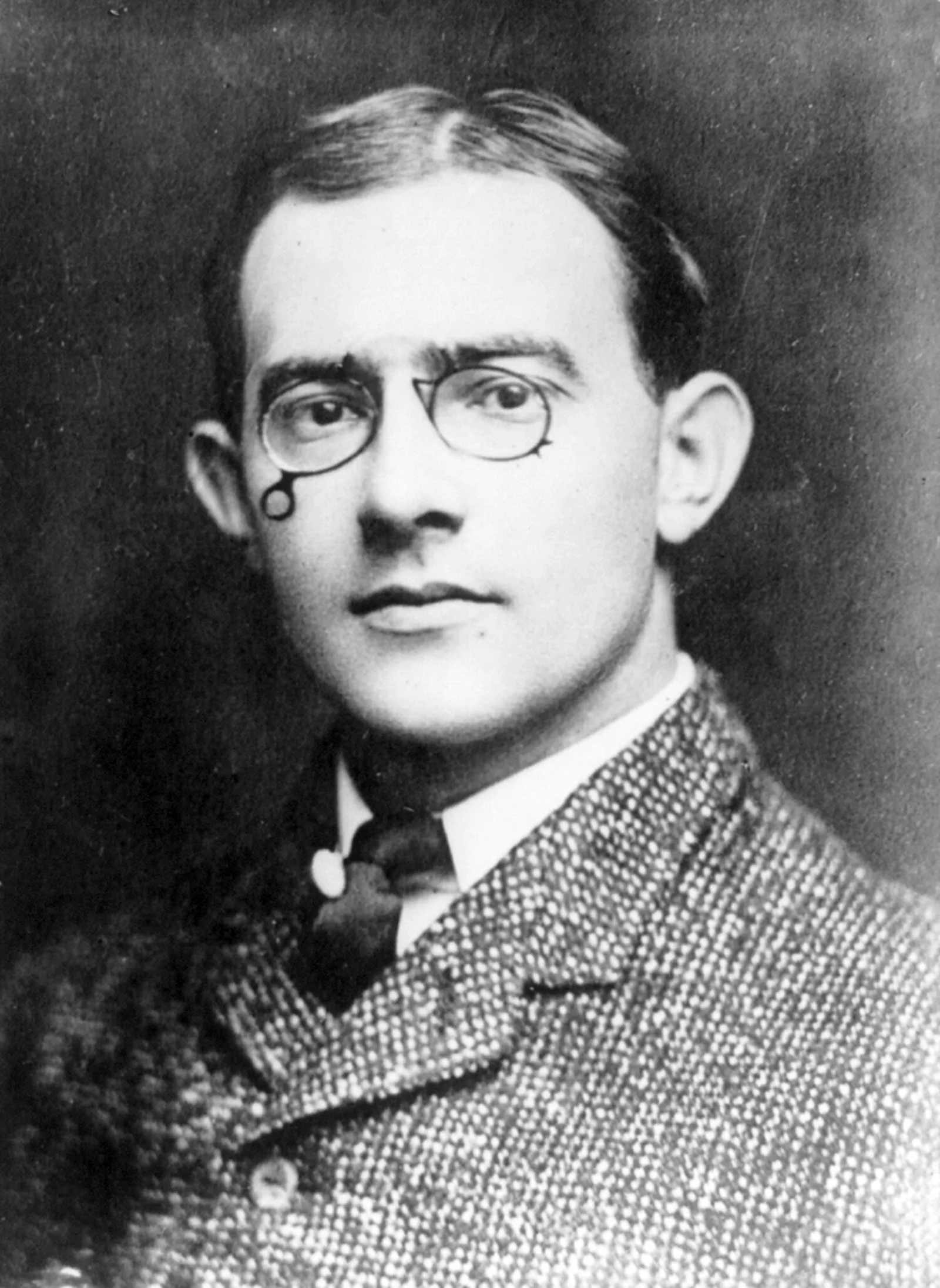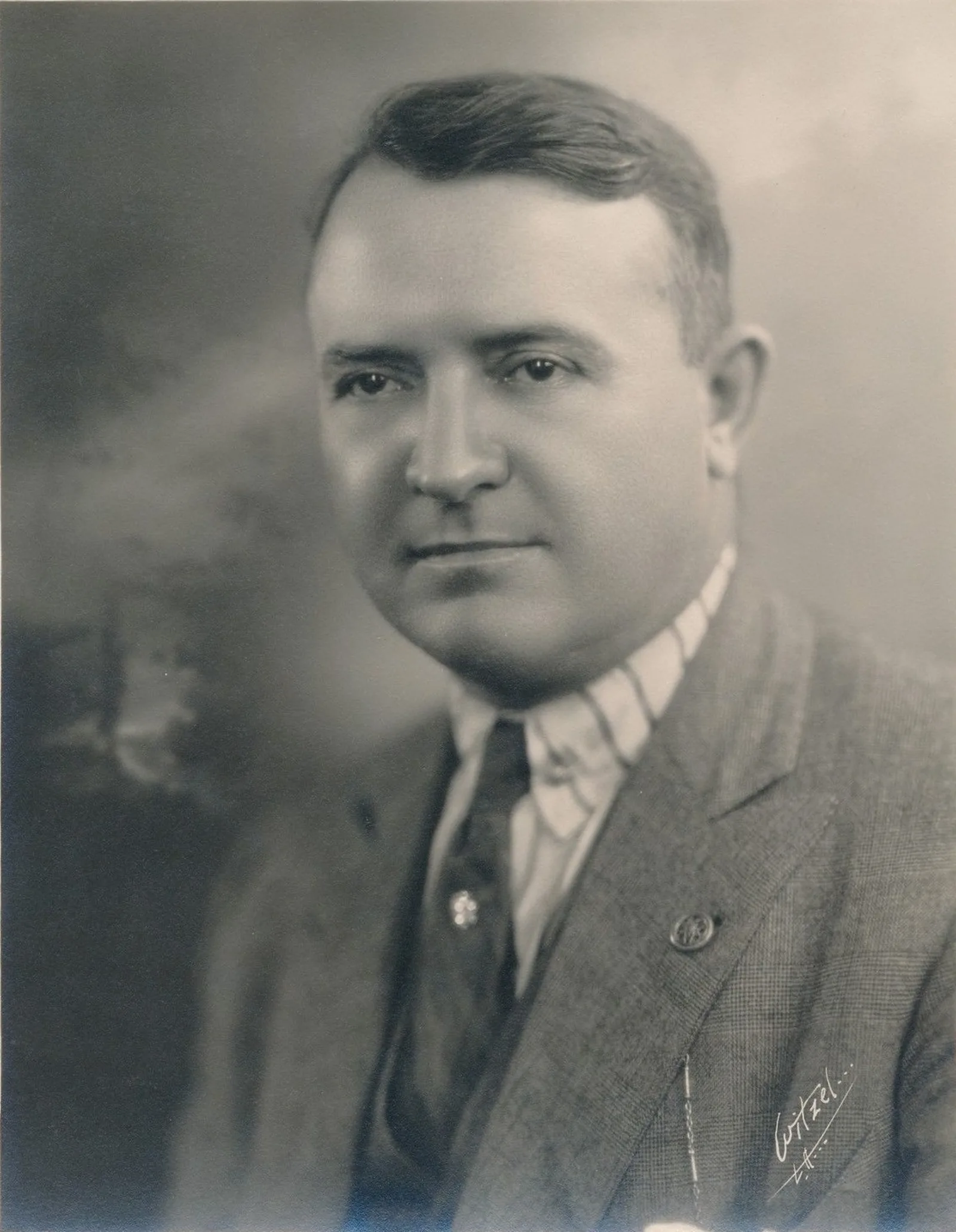
From Toledo bicycle races and a hotel bellhop's job to the Blitzen Benz, a world speed record and the Golden Submarine.
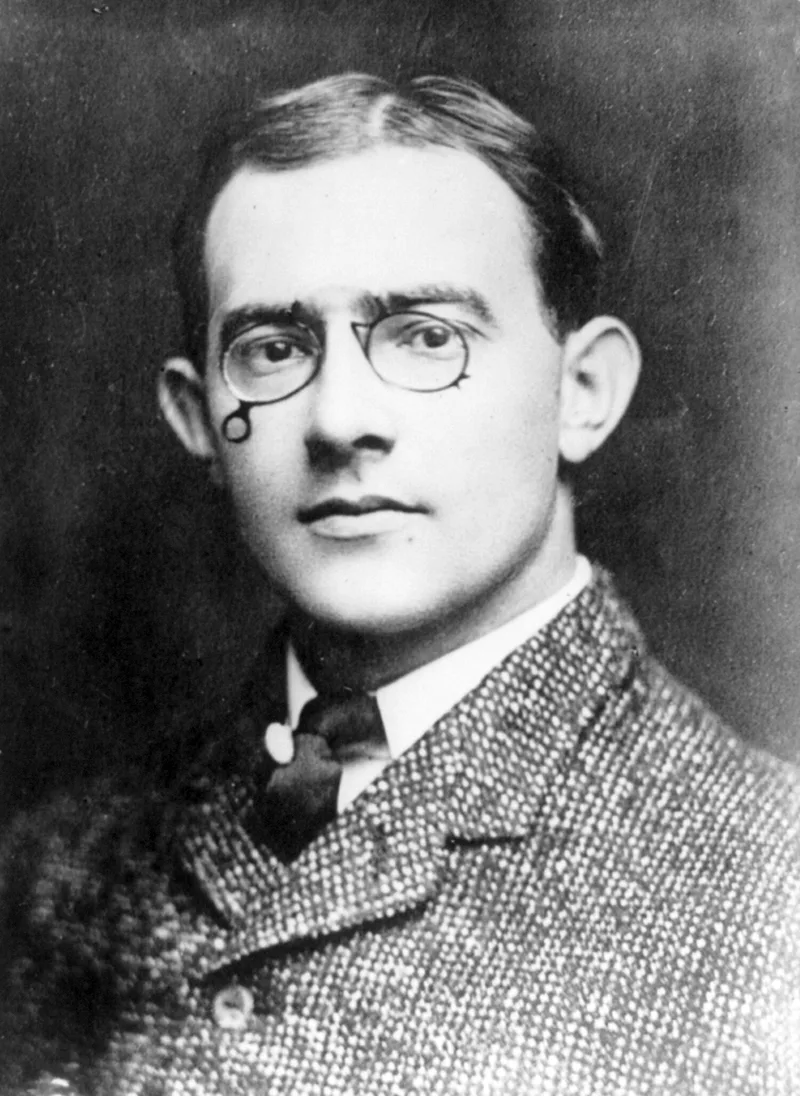
A pioneer of American motor racing, Barney Oldfield lived from 1878 to 1946. He began with bicycle races, switched to cars in 1902, and set a world speed record of 131.724 mph at Daytona Beach in 1910. His later machines included the Golden Submarine, a car built to protect its driver.
Barney Oldfield started out in bicycle racing and became a name that stood for speed during the early years of the 20th century. He had already won the inaugural AAA National Championship in 1905, and a world speed record in 1910 earned him the nickname 'speed king'.
Where did Barney Oldfield grow up?
Oldfield was born on January 29, 1878, in York Township, Fulton County, Ohio, close to Wauseon and Toledo. His family moved to Toledo in 1889, and he left school in 1892, once he had finished eighth grade. He worked as a waterboy, a newspaper seller and a hotel bellhop before turning to bicycle racing.
His father, Henry Clay Oldfield, was a laborer who later found work at the state mental asylum in Toledo. Barney took his name from a bunkmate of his father's in the 68th Ohio Volunteer Infantry, a unit that served in the American Civil War. He grew up with a sister named Bertha.
The hotel gave him his lasting name. Reportedly, the bell captain considered his first name, Berna, unsuitable, so he became Barney. He preferred the hotel to the asylum, where he had first worked alongside his father, and tips from guests paid for a second bicycle, an Advance Traveller with pneumatic tires.
A Toledo bellhop who became America's first celebrity driver, known for speed records and daring match races.
How did bicycle racing lead Oldfield to cars?
Oldfield joined the Wauseon Cycle Club and raced on public tracks, usually reserved for horse racing, in half-mile and mile classes. In 1894, at age 16, he came second in the Ohio state championship for the Dauntless factory, and the race proved a turning point. Stearns, a bicycle maker in Syracuse, New York, then hired him as a parts sales representative and later paid him to race for its amateur team.
He married Beatrice Lovetta Oatis, whom he met at the Stearns factory, in 1896. He had raced a gasoline-powered bicycle that was lent to him in Salt Lake City. Tom Cooper, a fellow racer, introduced him to Henry Ford, who was just starting out as an automobile maker in Michigan, and Ford asked him to test one of two racing cars he had prepared.
Neither car started at the trial, but Oldfield and Cooper ended up owning both after Ford named a price of $800. Oldfield had never driven an automobile before that deal.
How did the No. 999 win against Winton?
The No. 999 car made its first appearance in October 1902, when it entered the Manufacturer's Challenge Cup. Oldfield raced the current champion, Alexander Winton, over 8 km (five miles) and won by half a mile, even though he had reportedly learned the controls only that morning. Today the car sits in the Henry Ford Museum at Greenfield Village, Michigan.
He took the corners by sliding, like a motorcycle racer, rather than braking. The result made both Oldfield and Ford nationally known. Winton then employed him as a paid driver and agreed to supply free cars for his racing.
Oldfield travelled the country with Ernest Moross as manager and Will Pickens as agent. Timed runs and match races built his reputation as a showman. He liked to stretch out a best-of-three contest, winning the first match by a nose, losing the second and winning the third, and he raced with a cigar held in his mouth to cushion a spot where he had broken molar teeth in a crash.
How fast was the Blitzen Benz?
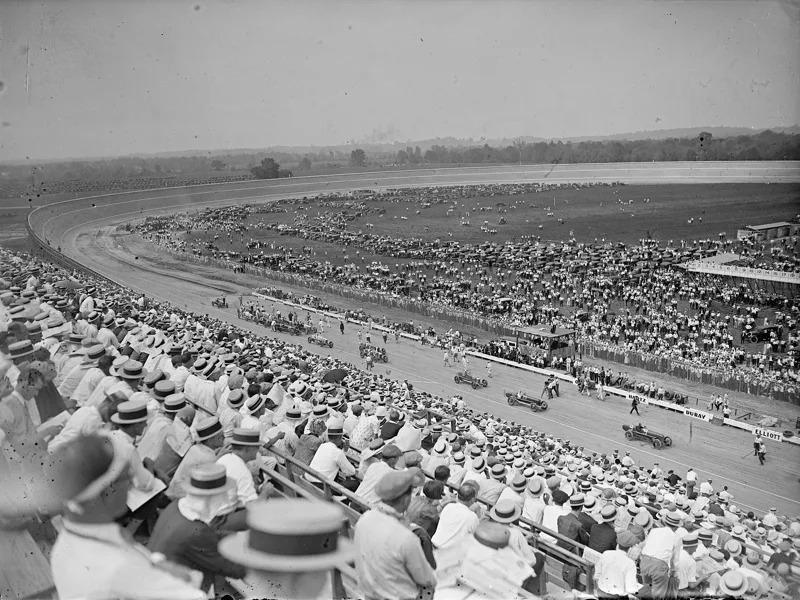
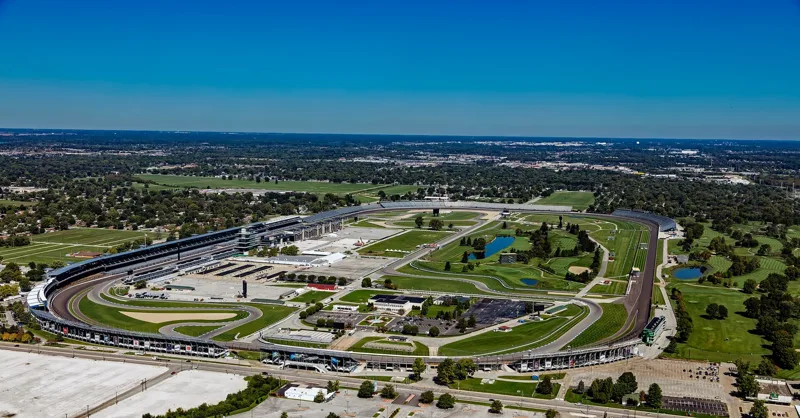
The Blitzen Benz was the car that carried Oldfield to his best-known speed marks. On August 21, 1909, he took first place at the Indianapolis Motor Speedway. On March 16, 1910, he took the world speed record at Daytona Beach, Florida, in the same car at 131.724 mph.
His speed records had started earlier. At the Indiana State Fairgrounds, on June 20, 1903, he became the first driver to cover a mile in one minute flat, a pace of 97 km/h (60 mph). Two months later he covered a mile in 55.8 seconds at Empire City track in Yonkers, New York.
Oldfield had bought a Benz and dubbed it the Blitzen Benz. In 1910 he raised his speed to 112.910 km/h (70.159 mph) in it, and later that year he reached 211.23 km/h (131.25 mph). Those runs made him a celebrity, and the Daytona record gave him his nickname.
Why was Oldfield barred from sanctioned races?
The American Automobile Association (AAA) contest board suspended Oldfield for what it called outlaw racing, so he was kept out of its sanctioned events for most of his career. His income came instead from record attempts, match races and exhibitions. That paid work suited his showman's style.
In 1914 his agent, Will Pickens, staged a 'Championship of the Universe' that pitted Oldfield against the aviator Lincoln Beachey. Oldfield's Fiat faced Beachey's biplanes in at least 35 matches, often on county fair horse tracks in remote areas. Both men earned more than $250,000 from the tour.
The AAA reinstated Oldfield in time for the Indianapolis 500 races of 1914 and 1916, and he finished fifth in both. His 1914 car was an Indianapolis-built Stutz, which gave an American car the best result in a race dominated by European brands.
Did Oldfield break 100 mph at Indianapolis?
Yes. On May 28, 1916, Oldfield recorded a lap of the Indianapolis Speedway above 100 mph, the first driver ever to do so. He did it in the Christie Racer, a front-wheel-drive car designed by John Walter Christie.
Earlier, in November 1914, he took the Cactus Derby, a race from Los Angeles to Phoenix, and the victor's medal named him Master Driver of the World. That same year he finished second in the Vanderbilt Cup and the Corona 300, and in 1915 he took the Venice, California 300 road race.
He later used the Blitzen Benz to break the mile, two-mile and kilometre records at the Daytona Beach Road Course in Ormond, Florida. Afterwards he charged $4,000 for each driving appearance.
What was the Golden Submarine?
The Golden Submarine was a racing car that Oldfield and the engine builder Harry Arminius Miller designed after Bob Burman, a rival and close friend of Oldfield, was killed in a race at Corona, California. Its roll cage sat inside a streamlined compartment that fully enclosed the driver. In June 1917 Oldfield used it to beat Ralph DePalma at Milwaukee in matches of 10 to 25 miles.
The aim was a car that stayed fast and durable while protecting its driver in a crash. Miller, who developed and built carburettors, was one of the best-known engine builders of his time, and he worked with Oldfield on the design. Oldfield retired from racing in 1918, although he tried a comeback in 1932 that failed because no financial sponsors could be found.
What business ventures did Oldfield have?
Oldfield helped his fellow racer Carl G. Fisher set up the Fisher Automobile Company in Indianapolis, a business many regard as the first car dealership in America. He also developed an Oldfield tire for Firestone, whose advertising said he regarded its tyres as his only life insurance. In 1924 Kimball Truck Co. of Los Angeles built a single vehicle called the 1924 Oldfield.
Did Oldfield appear in films and on stage?
Yes. For ten weeks in 1906 he played himself in The Vanderbilt Cup, a Broadway musical. He also appeared in films, including the silent Barney Oldfield's Race for a Life in 1913, in which he raced a locomotive to save a heroine tied to the rails.
Later films kept him on screen. He appeared as himself in Young Oldfield (1924) and as an early motoring pioneer in The First Auto (1927). He acted as technical adviser for a racing scene in Back Street (1941) and starred as himself in Blonde Comet (1941), a film about a young woman who tries to succeed as a racing driver.
What were the main milestones of his career?
| Year | Milestone |
|---|---|
| 1894 | Second in the Ohio state bicycle championship |
| 1902 | Beats Alexander Winton over 8 km (five miles) in No. 999 |
| 1903 | First driver to cover a mile in one minute flat, June 20 |
| 1909 | First place at the Indianapolis Motor Speedway in the Blitzen Benz, August 21 |
| 1910 | World speed record of 131.724 mph at Daytona Beach, March 16 |
| 1914 | Fifth at the Indianapolis 500; Championship of the Universe against Lincoln Beachey |
| 1915 | Wins the Venice, California 300 road race |
| 1916 | Fifth at the Indianapolis 500; first lap above 100 mph, May 28 |
| 1917 | Golden Submarine beats Ralph DePalma in Milwaukee matches, June |
| 1918 | Retires from racing |
How is Oldfield remembered today?
Oldfield was inducted into seven halls of fame between 1952 and 2014, beginning with the Auto Racing Hall of Fame. Oakshade Raceway in Wauseon, Ohio, near his birthplace, has held a race in his honour since 1990. His name also turned up in television comedy and dialogue.
In an episode of I Love Lucy about learning to drive, Ethel jokes about him, and The Partridge Family and Dennis the Menace also used his name. Jeff Harding played Oldfield in a Q.E.D. episode titled The Great Motor Race. In 1972 the Apollo 16 astronaut Charles Duke compared John Young's driving of the lunar rover to his.
Personal life and death
Oldfield married four times. His second and fourth wife was Bessie Gooby Oldfield, whom he divorced in 1924 and married again in 1945. He died of a heart attack on October 4, 1946, and was buried at Holy Cross Cemetery in Culver City, California.