A Morris importer, Azorean industrialist and airline investor, he built a house in Lisbon and turned it into a museum of decorative arts.
Antonio de Medeiros e Almeida was a Lisbon businessman who imported Morris cars, invested in aviation and ran Azorean firms. He turned his house into a museum, and the Medeiros e Almeida Foundation holds his decorative arts collection.
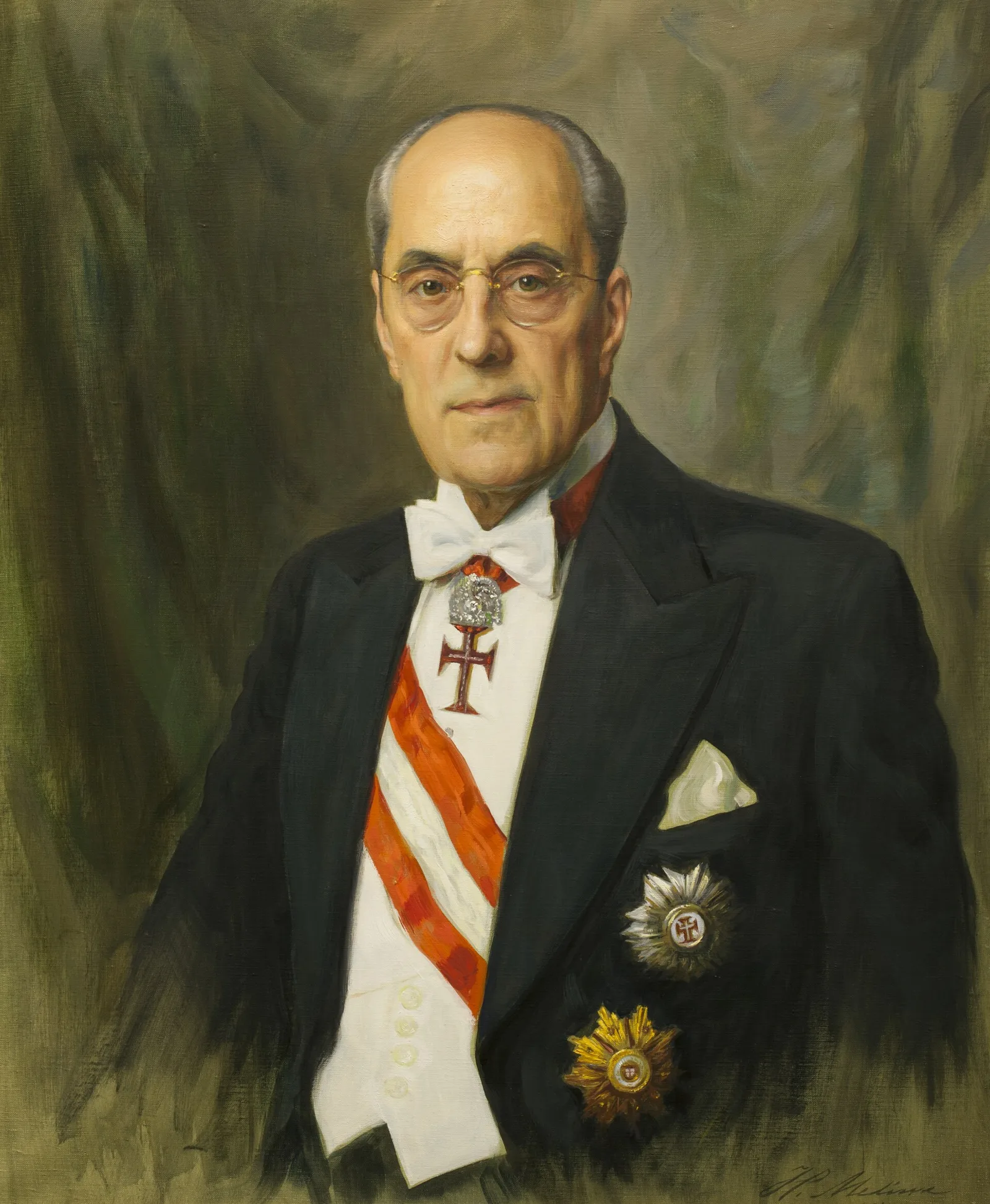
Antonio de Medeiros e Almeida, who lived from 1895 to 1986, was a Portuguese businessman, industrialist, collector and benefactor. He built his fortune in cars, aviation and Azorean industry, and he used his house in Lisbon to create the Medeiros e Almeida Foundation, which holds his collection of decorative arts for the country.
Who was Antonio de Medeiros e Almeida?
He was born on 17 September 1895 in the rua do Salitre in Lisbon, the eldest son of Joao Silvestre de Almeida and Maria Amelia Tavares Machado de Medeiros. Both parents came from Sao Miguel Island in the Azores, and the family was prosperous.
He had no children. He married Margarida Rita de Jesus de Castelbranco Ferreira Pinto Basto on 23 June 1924, and the couple moved to 134, rua do Salitre, the street where he had been born. He died in February 1986, aged 90.
A Morris importer, an airline investor and a collector who turned his home into a museum.
How was his early education shaped?
He attended the Academica School, the Central Lyceum of Lapa, which later gave rise to the Lyceum Pedro Nunes, and the Passos Manuel Lyceum. In 1914 he began medical studies at the Faculty of Medicine in Lisbon, but the following year he transferred to Coimbra to carry out his military service.
By late 1917 he had finished three years of medical training. His interest in business then led him to give up medicine, and he travelled to Germany for work experience, returning to Lisbon about a year later.
How did he build a car business?
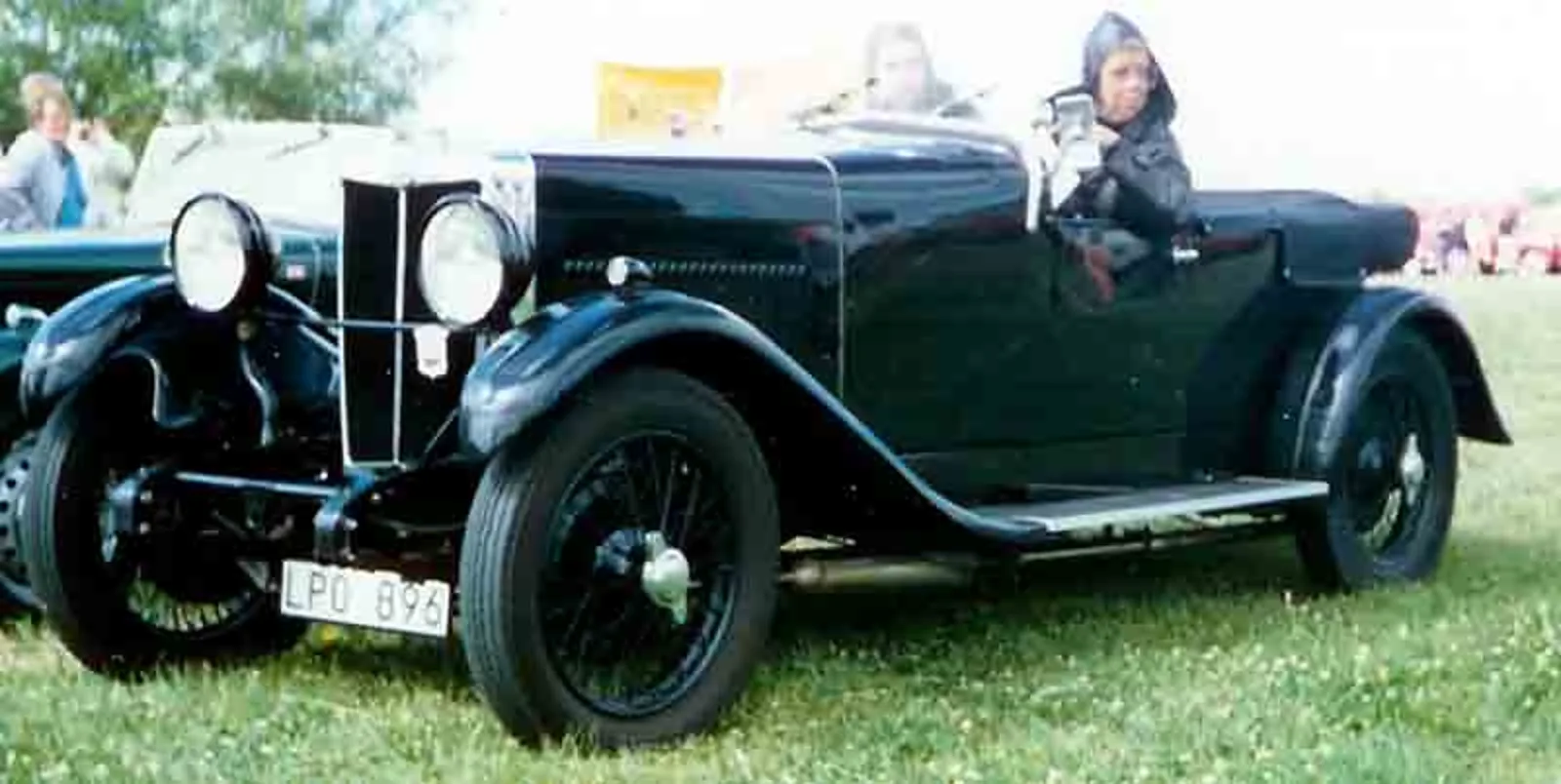
In 1921 he bought his first car, a Morris Cowley, with a friend. He was a keen driver and took part in automobile races, including the circuit of Rampa da Pimenteira, before he began importing cars.
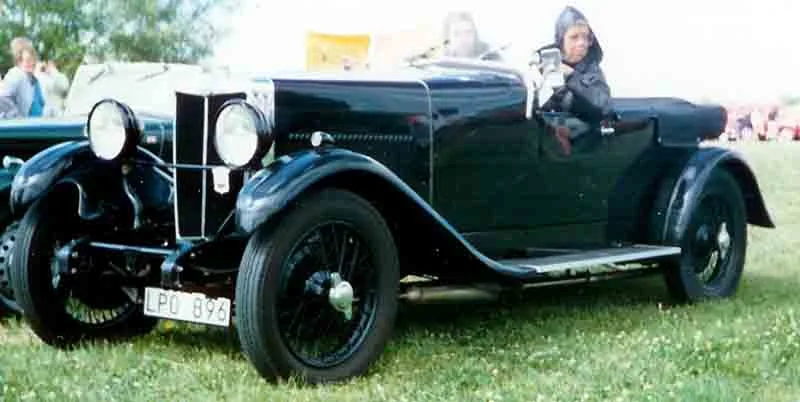
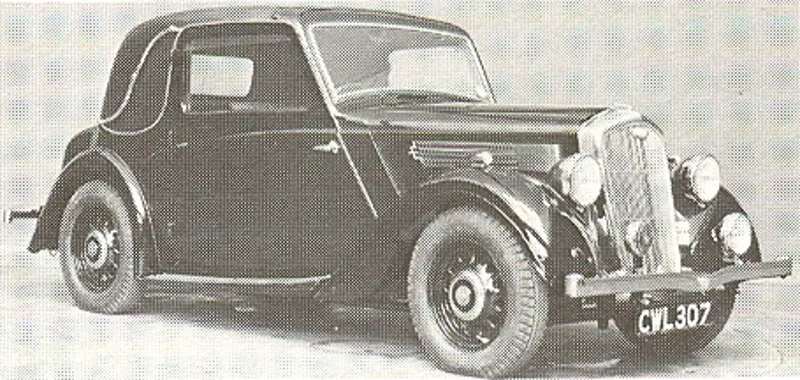
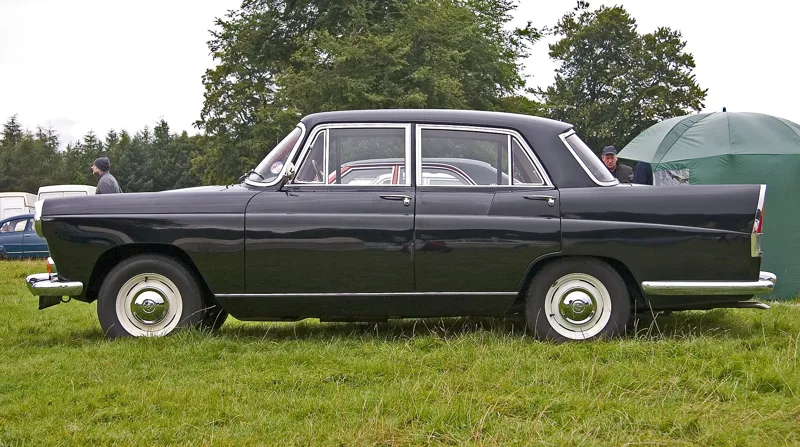
He decided early on to invest in importing automobiles, an activity still in its infancy in Portugal. He approached the English manufacturer William Morris, later Lord Nuffield, and was given a consignment of the first cars. From 1923 he was the importer of Morris, MG, Wolseley and Riley for Portugal, operating from a showroom in Lisbon under the name A.M. Almeida Lda. In 1926 he became the exclusive Morris importer for Portugal.
The early years were difficult. English cars did not handle well on Portugal's cobblestone roads. A change to the suspension for the Morris Ten in 1932 transformed sales, and the business prospered. He also opened a Morris service station and a parts store to support customers after the sale.
In 1955 A.M. Almeida was dissolved and replaced by a new company with the same name, which imported other brands beyond the Morris group. He sold his share that year, and he later said that the car business had been the indicator and promoter of what became the Medeiros e Almeida Foundation. In 1962 he helped create the Citroen factory at Mangualde, and he became chairman of its board.
What was his role in Portuguese aviation?
He was among the early figures in Portuguese civil flying. In 1941, as administrator of Bensaude and Cia, he was one of five Azorean investors who backed the Sociedade Acoriana de Estudos Aereos, a company created to link Lisbon with the archipelago. That company later became part of SATA.
In May 1948 he bought Aero Portuguesa, an air company founded in 1934 that was struggling with financial problems. He improved the passenger experience by introducing music and blue glass shields, so passengers could enjoy the view without the sun in their eyes. He also hired, for the first time in Portugal, a full cabin crew of pilot, co-pilot, mechanic, telegraph operator and flight attendant.
In 1953 he merged the airline with TAP, which had been created in 1945. He insisted that his sixty employees should all be hired by TAP. He remained one of TAP's main shareholders and chairman of its board until 1960, when he left and transferred his capital to SATA.
| Period | Activity | Role |
|---|---|---|
| From 1923 | Morris, MG, Wolseley and Riley importer | Founder of A.M. Almeida Lda |
| 1941 | Azorean air link investment | One of five investors |
| 1948 to 1953 | Aero Portuguesa | Owner, then merged with TAP |
| 1953 to 1960 | TAP | Chairman of the board |
| 1962 | Citroen factory at Mangualde | Chairman of the board |
| 1967 | SINAGA | Founder and chairman |
How did he take over the Azorean businesses?
His father died in 1936, and he inherited Azorean businesses, including a share in the Uniao das Fabricas Acorianas de Alcohol. Those factories produced industrial alcohol and sugar from beet molasses, and he became a prominent figure in the islands' economy.
In 1941 Vasco Elias Bensaude, owner of Bensaude and Cia, offered him a partnership because of the danger of a German invasion during the Second World War. Bensaude was of Jewish origin, and he temporarily transferred the entire family business to his friend, who became managing partner. The shares returned to their owners after the war, but Medeiros e Almeida stayed on until 1967, after Bensaude's death.
He was responsible for the growth of the firm, which he managed while overseeing twenty-one companies that all made a profit. Among them were the Azorean air company SATA, Banco Micaelense and the Acoriana insurance company. The airport on the island of Santa Maria, opened in 1945, owed its existence to his efforts.
In 1967 he founded SINAGA, which ran two factories on Sao Miguel, one for sugar at Santa Clara and one for alcohol at Lagoa. He chaired its board until his death.
Did he invest in hotels?
In 1952 Oliveira Salazar asked the banker Ricardo do Espirito Santo Silva to take over a project for a large international hotel in Lisbon. In 1953 a consortium of bankers and industrialists created SODIM to build it, and Medeiros e Almeida was one of its members.
The architect Porfirio Pardal Monteiro led the design, working with artists including Almada Negreiros, Jorge Vieira and Sarah Afonso, who contributed to the interior. Medeiros e Almeida was also a partner in SALVOR, a hotel investment company founded in 1963, which built the Alvor Hotel in the Algarve.
What honours did he receive?
During the Second World War he became a personal friend of Sir Ronald Hugh Campbell, the British ambassador in Lisbon from 1941 to 1947. He helped the diplomat on several occasions, including by easing tensions between Winston Churchill and Salazar over the Lajes airbase in the Azores. He also allowed the British to use the Azorean port terminals of his shipping company and supplied their ships with fuel and repairs.
King George VI recognised that help with the Order of the British Empire in 1947. In June 1951 he received the French Order of Commercial Merit for his work with the Confederation of Flax and Hemp. His Portuguese honours included the Commander of the Military Order of Christ in 1941, the Officer and Commander of the Order of Merit in 1941 and 1959, and the grand officer and grand official grades of the Order of Entrepreneurial Merit in 1962 and 1969.
Why is his house a museum?
In 1943 he bought a small mansion facing rua Rosa Araujo and rua Mouzinho da Silveira, and he hired the architect Carlos Ramos to renovate it. He lived there until 1971, when he decided to turn it into a museum. His interest in antiques had begun in 1915, and he started buying them in his thirties.
From the mid-1960s he and his wife considered a museum as a way to preserve the collection. In 1968 he commissioned the architect Alberto Cruz to expand the house over the garden. The museum now displays 27 rooms in two areas: an old wing left as the couple had lived in it, and a new wing with themed rooms that recreate grand European interiors.
The work was completed in 1973 by the architects Frederico George and Jose Sommer Ribeiro, with Sommer Ribeiro also overseeing the museography. When Medeiros e Almeida died in 1986, the installation was complete.
When did the museum open to the public?
The Medeiros e Almeida Foundation was created to guarantee his will. Its bylaws were published in August 1972 and legalised in a public deed on 21 February 1973, and it received all his movable and immovable assets. He had arranged for the companies to be sold, and he left the foundation a rental property on rua Mouzinho da Silveira, completed in 1992, whose lease funds the institution's operations.
The house-museum was opened to visitors on 1 June 2001. It remains a house-museum, with the old wing kept as the couple had left it.