Rosberg won the first race under the new 1.6-litre V6 rules, then Ricciardo's second place disappeared after a fuel flow ruling.
The 2014 Australian Grand Prix opened the Formula One season on 16 March 2014 in Melbourne, over 58 laps. Nico Rosberg won for Mercedes, and the race introduced 1.6-litre turbocharged V6 engines. Daniel Ricciardo was later disqualified, promoting Kevin Magnussen to second.
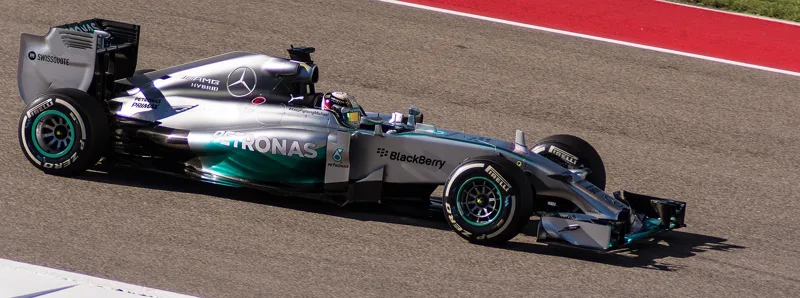
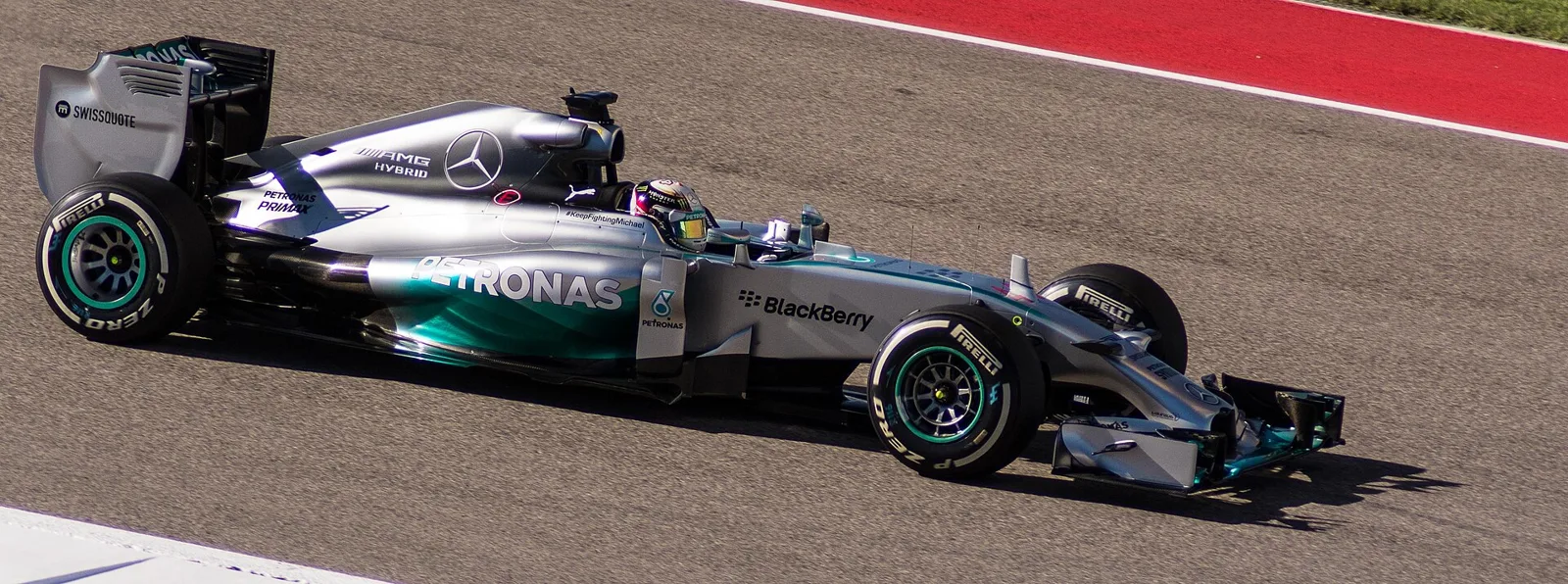
Nico Rosberg won the 2014 Australian Grand Prix in Melbourne, but the podium shown on the day was not the final one. Daniel Ricciardo was later disqualified for a fuel flow breach, which handed second place to Kevin Magnussen on his debut weekend. The race also opened a new engine era, with 1.6-litre turbocharged V6 engines appearing in Formula One for the first time since 1988.
What changed in the rules for 2014?
The 2014 regulations brought 1.6-litre turbocharged V6 engines to the sport, the first turbocharged cars in Formula One since the 1988 Australian Grand Prix. Pirelli supplied a harder white-banded medium prime and a yellow-banded soft option, instead of the medium and super-soft choice used the year before.
The race was the 79th in the combined history of the Australian Grand Prix, a series that dates back to the 100 Miles Road Race of 1928. It was the 19th time the event had been held at the Melbourne Grand Prix Circuit, and the thirtieth year the race had counted towards the world championship.
Engine problems were not confined to the new units. The Ferraris suffered electrical problems during the race, according to the team, and both Lotus cars retired with power unit faults.
A turbo-era opener that was decided partly in the stewards' room rather than on the track.
How did qualifying shape the grid?
Lewis Hamilton took pole after a three-way fight with his Mercedes teammate Rosberg and Ricciardo, which came down to the final laps. Ricciardo qualified a career-best second in his home race, while Rosberg started third. Rain had fallen during Q2 and intensified for the last session, when several drivers ran full wet tyres.
The session began with Ricciardo setting the early pace on his Red Bull debut, while Lotus struggled. Pastor Maldonado failed to set a time at all, and Romain Grosjean qualified 21st before a gearbox penalty on Gutierrez moved him up to 20th. Max Chilton missed Q2 by a single hundredth of a second.
Raikkonen spun his Ferrari late in Q2 and was left twelfth. Fernando Alonso recovered to fifth after a wrong tyre choice early in the final session. Magnussen qualified his McLaren fourth on his Formula One debut, with Nico Hulkenberg and Daniil Kvyat on the next row and the Williams pair of Massa and Bottas behind them.
Penalties and stewards' decisions before the start
Bottas and Esteban Gutierrez were each demoted five places for gearbox changes, which pushed both of them back down the grid. Grosjean started from the pit lane after car modifications made under parc ferme conditions, and he took a drive-through penalty for leaving the garage before the 15-minute signal.
Magnussen and Sebastian Vettel were referred to the stewards for speeding under yellow flags after Raikkonen's accident, but both were cleared. Alonso was called in for impeding Gutierrez in Q1 and escaped a penalty. Maldonado was allowed to start at the stewards' discretion, because they judged he could lap within the 107 per cent limit based on his practice times.
How did the race start?
Hamilton lost a cylinder at the start, and by the first corner he had dropped from pole to third. Rosberg made a strong launch, passed Ricciardo and then Hamilton, and led into the first corner. Hamilton ran on five cylinders and had fallen to fifth by the end of the first lap.
Chilton and Jules Bianchi stalled on the grid before the start, and the first lap brought the first serious damage. Massa, Kobayashi and Raikkonen were involved in a collision that ended Kobayashi's race and Massa's. It was later confirmed that Kobayashi had lost his rear brakes, and the stewards took no further action against him after deciding the accident was caused by a mechanical failure on his Caterham.
Hamilton pulled into the pits on lap two and retired, and Vettel, the reigning champion, retired with engine trouble on lap three. Ericsson followed on lap 29 with an oil pressure problem, and both Lotus cars were also out with power unit faults.
How did Rosberg win the race?
Rosberg won by almost twenty-five seconds, the fourth Grand Prix victory of his career and his first since the 2013 British Grand Prix. He had started third on the grid, and once in front he stayed there, with Hamilton out of the race by lap two.
The result completed a rare double. Rosberg's father, Keke, had won the Australian Grand Prix in Adelaide in 1985, the first time Australia hosted a world championship race. The same feat had earlier been achieved by Stan and Alan Jones, and by Graham and Damon Hill. Rosberg had already done it at Monaco.
Ricciardo finished second in front of his home crowd, becoming the first Australian driver to finish on the podium of his home race as a world championship round. John Smith had finished on the podium in 1983, but that event was not then a world championship round. Magnussen finished third, two seconds behind Ricciardo.
Why was Ricciardo disqualified?
Ricciardo was disqualified for breaching Article 5.1.4 of the Formula One Technical Regulations, which sets the maximum rate at which fuel may flow into the engine. The team was also referred to the stewards for using an unauthorised method of measuring fuel flow.
Red Bull announced an appeal straight away, arguing that the sensors the FIA had provided to measure fuel flow were unreliable. The appeal was heard on 14 April and rejected, so the disqualification stood.
The ruling moved Magnussen up to second and Button to third. The podium ceremony had already taken place before the stewards reached their decision, so Button did not take part, even though it was his 50th and final Formula One podium.
What did the podium mean for McLaren and Magnussen?
McLaren took their first double podium since the 2012 Chinese Grand Prix. For Magnussen, the result meant a podium on his debut weekend, and as of 2024 it remains the only world championship podium by a Danish driver and the only one of his career.
Magnussen and Button's finishes were the last podiums for McLaren until the 2019 Brazilian Grand Prix, and the last double podium until the 2021 Italian Grand Prix. Magnussen was the first debutant to reach the podium since Lewis Hamilton at the 2007 Australian Grand Prix.
Daniil Kvyat was 19 and in his first race. He finished ninth after the disqualification, which made him the youngest points-scorer in Formula One history until Max Verstappen scored at the 2015 Malaysian Grand Prix.
Who were the newcomers, and how did they fare?
Three drivers were the focus of the newcomers' story. Magnussen made his Formula One debut for McLaren, Kvyat was in his first race at the age of 19, and Ricciardo was making his debut for Red Bull Racing.
Ricciardo's pace was the early story of qualifying, and his second-place grid slot was the best of his career. Magnussen's podium and Kvyat's ninth-place finish were the other results that marked the newcomers out.
Final order after the disqualification
| Position | Driver | Note |
|---|---|---|
| 1 | Nico Rosberg | Mercedes, started third |
| 2 | Kevin Magnussen | McLaren, debut race, promoted after the disqualification |
| 3 | Jenson Button | McLaren, started 11th, 50th and final podium |
| 4 | Fernando Alonso | Ferrari |
| 5 | Valtteri Bottas | Clipped the wall and suffered a puncture on lap 11 |
| 9 | Daniil Kvyat | Debut race, youngest points-scorer in Formula One history at the time |
| Disqualified | Daniel Ricciardo | Red Bull, originally second, fuel flow breach |
What did the result mean for the championship?
Rosberg took the lead of the drivers' championship for the first time in his career. The result also ended Sebastian Vettel's run of nine consecutive race wins, and it was the last time McLaren led the constructors' championship until the 2024 Azerbaijan Grand Prix.
The race is remembered as much for the disqualification as for the win. A turbo-era opener decided partly in the stewards' room was an early sign of how much the new rules would depend on technical scrutiny.