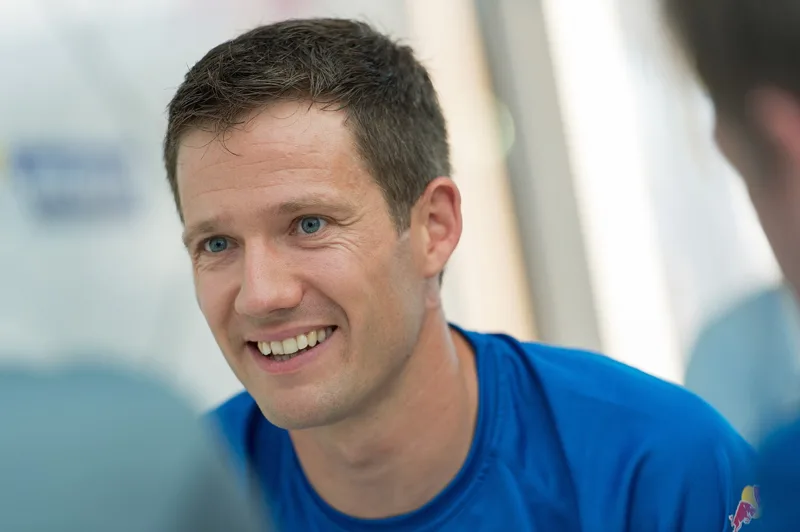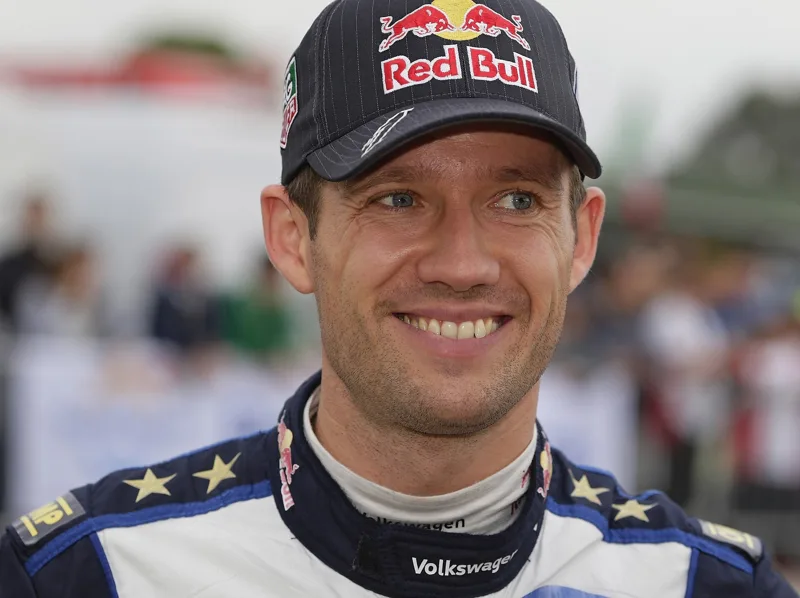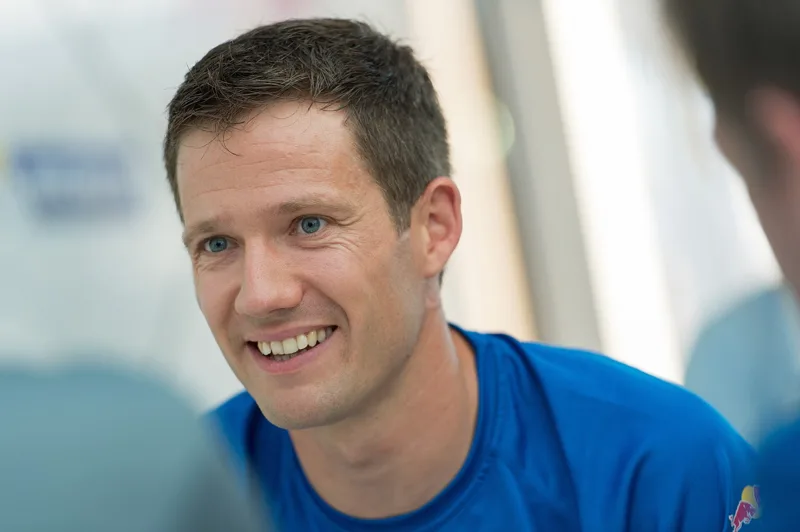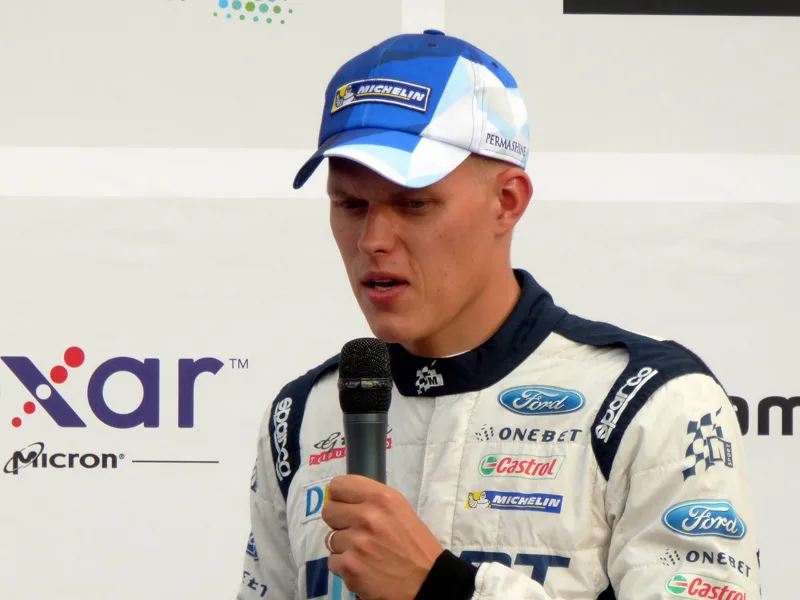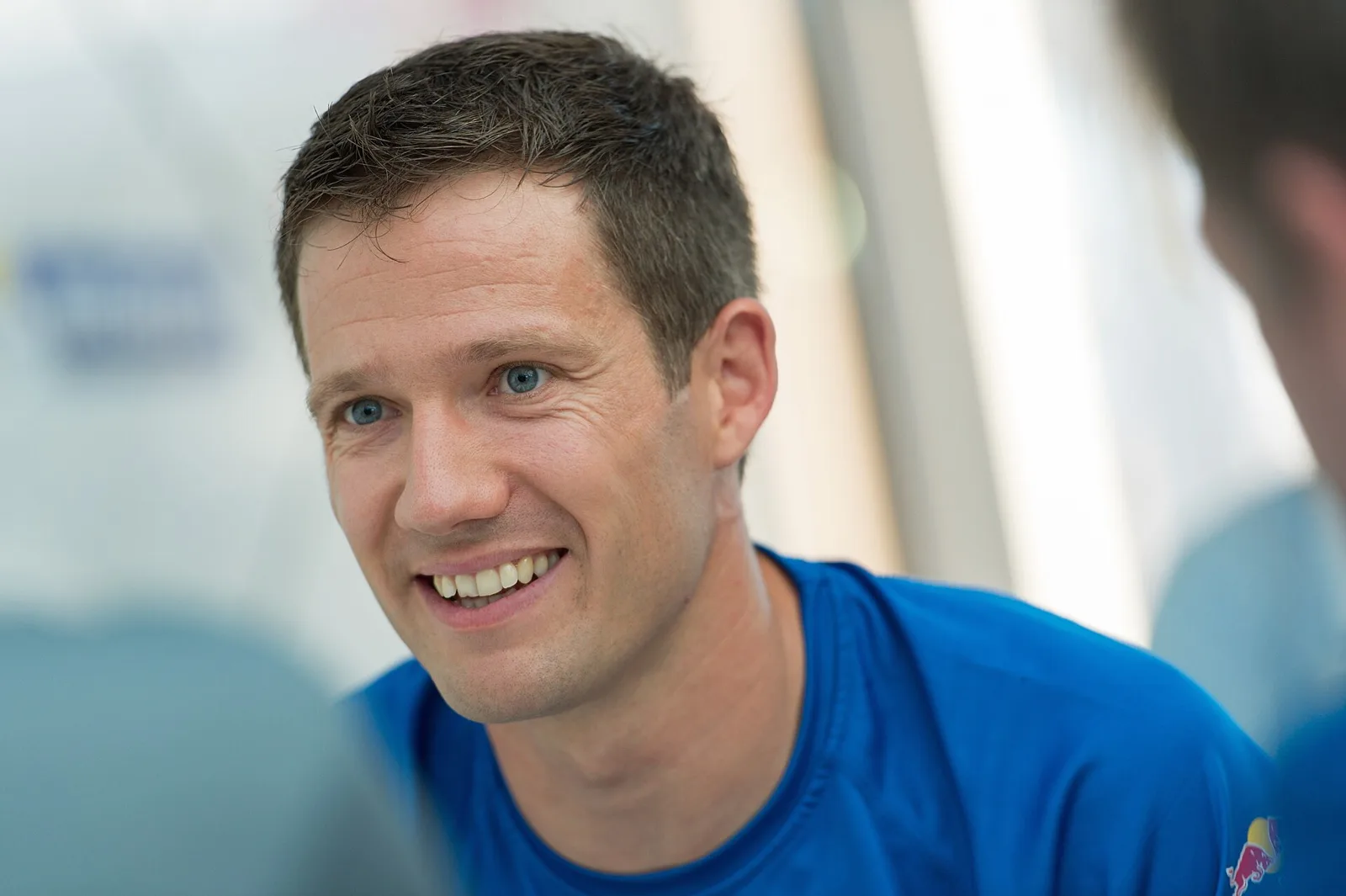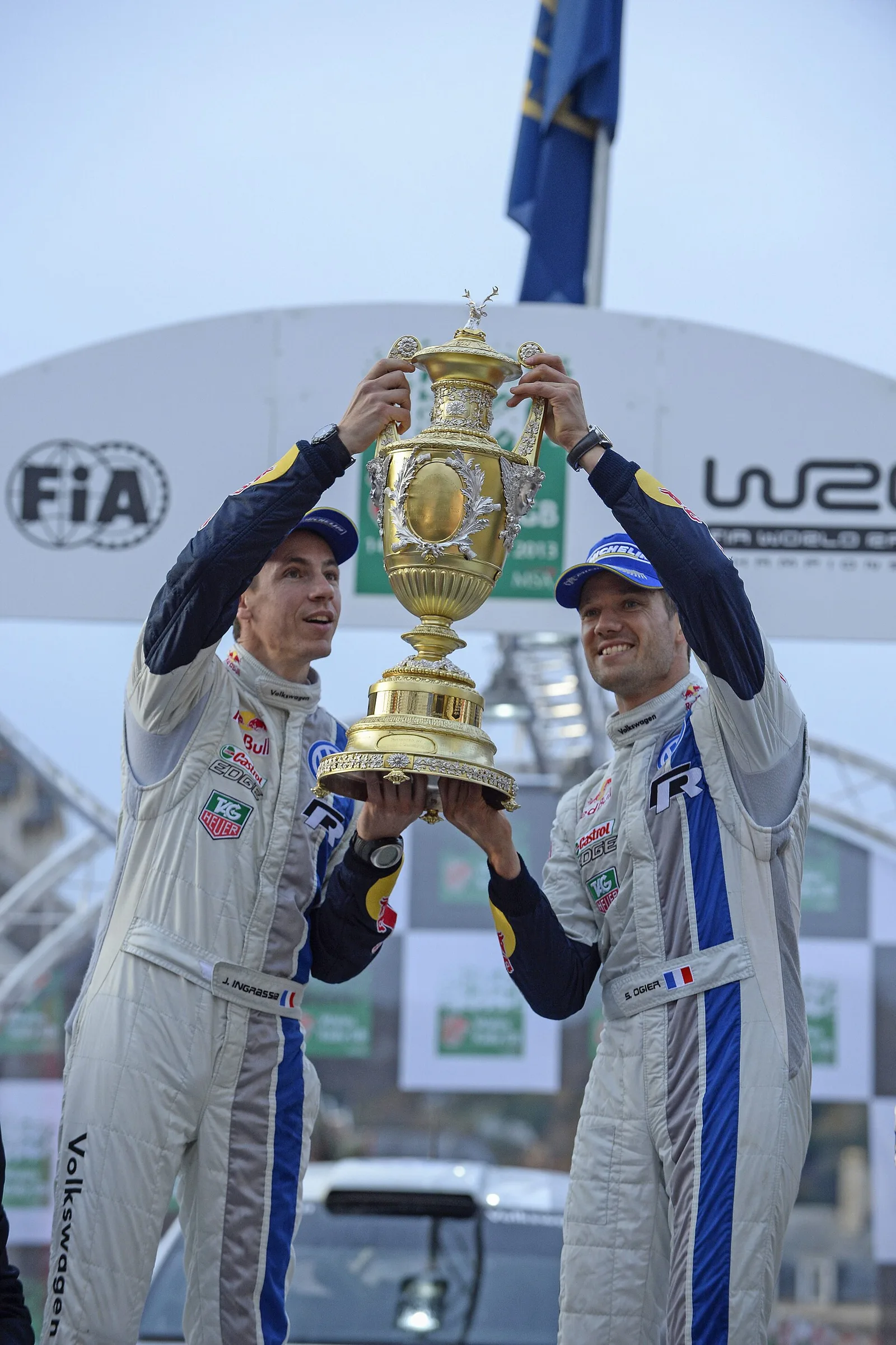
Volkswagen's Polo R WRC and Sebastien Ogier dominated a 13-round season, with nine wins and a title clinched in France.
Volkswagen's Sebastien Ogier claimed the 2013 crown, winning nine of the thirteen rounds, while Thierry Neuville finished second. Volkswagen also secured the manufacturers' championship in Catalunya.
The 2013 World Rally Championship was the 41st season of the series, and it was dominated by Volkswagen's new Polo R WRC and its driver Sebastien Ogier. Ogier won nine of the 13 rallies and the drivers' title, after a year in which the Ford and Mini factory programmes came to an end.
Who won the 2013 World Rally Championship?
Sebastien Ogier of Volkswagen Motorsport won the 2013 Drivers' Championship, taking nine wins from 13 rallies. Thierry Neuville finished runner-up, ahead of Ogier's teammate Jari-Matti Latvala, and Volkswagen Motorsport won the manufacturers' title at the Rally de Catalunya.
Ogier's title was settled in France, where the Power Stage swung against Neuville, and Ogier had already clinched the championship before the season's last round in Wales.
Ogier won nine of 13 rallies and clinched the title in France, while Volkswagen took the manufacturers' crown.
What changed in the teams and manufacturers?
Volkswagen entered the series as a manufacturer with the Polo R WRC, while Ford and Mini both ended their factory support for their cars. Ford's Fiesta RS WRC and Mini's John Cooper Works WRC were still made available to customer teams.
Citroen expanded its works operation into a three-car team, with a part-time third car, and Abu Dhabi Citroen Total World Rally Team ran two more cars as a satellite team that could score manufacturers' points on its own. M-Sport continued with Qatar backing, running three cars across two teams, and Qatar M-Sport became the de facto lead team.
Hyundai planned to race its new WRC car at selected events this year before a full campaign in 2014, a return after eleven years away. Team Mini Portugal had closed before the season, and some of its former staff formed Lotos Team WRC.
Which driver changes shaped the season?
Loeb, the defending champion, contested only four events in 2013 after announcing that he would compete at selected rounds. Ogier moved from Skoda to Volkswagen, partnered by Julien Ingrassia, and Latvala moved to Volkswagen alongside him after Ford's decision to end its works programme.
Thierry Neuville moved from Citroen's junior team to Qatar M-Sport, Nasser Al-Attiyah switched from Citroen to Ford, and Dani Sordo returned to Citroen World Rally Team. Petter Solberg, the 2003 champion, did not compete in 2013 after failing to secure a drive.
What changed on the 2013 calendar?
The calendar was announced in Singapore in September 2012 and ran over 13 rounds in Europe, the Americas and Oceania. The series began with the Rallye Monte Carlo on 16 January and finished with the Wales Rally GB on 17 November.
Several events were revised. The Acropolis Rally route was cut back to a much shorter event, Rally Australia returned in place of Rally New Zealand, and the start of Rallye Deutschland moved from Trier to Cologne. Wales moved from Cardiff to Deeside, with a new route through Snowdonia and Denbighshire.
Rally de Catalunya moved to become the penultimate round, and Rally Italia Sardegna was brought forward from October to June. Rally Mexico and Rally Sweden also had revised routes, with Sweden crossing into Norway for stages used by Rally Norway.
How did the new class structure work?
The 2013 season introduced a new category, Group R, under which no new Group A or Group N cars would be homologated. The support series were restructured, with the Super 2000 and all-wheel-drive Group R and Group N cars reorganised as WRC-2.
How did the opening rounds unfold?
Monte Carlo was run in heavy snow, and Loeb won his seventh victory there, a record, by over a minute and a half. Ogier finished second on the Polo R WRC's debut, after setting the fastest time on the opening stage. The final two stages were cancelled because of crowds, so no Power Stage points were offered.
Ogier won in Sweden, the Polo R WRC's maiden victory, by forty seconds ahead of Loeb. Loeb had recovered from a poor set-up to launch a late attack, but he hit a snowbank and backed off. Latvala and Ogier set the two fastest times on the Power Stage, which gave Ogier the championship lead.
Mexico was the first rally since the 1992 Cote d'Ivoire event to start without a World Champion driver. Ogier won by three and a half minutes ahead of Hirvonen, and Neuville completed the podium. Portugal went to Ogier as well, his third win in succession, while Latvala finished three minutes behind Hirvonen after a mechanical problem on the final day.
How did the middle of the season unfold?
Loeb returned to rallying in Argentina after his time in the Grand Touring series, and he won the rally after Ogier lost forty seconds in heavy fog. Latvala took third, his first podium in Argentina, after a late charge that included the fastest Power Stage time.
Latvala then won the Acropolis Rally, his first win of the season and his first for Volkswagen there. Evgeny Novikov led early, but a puncture ended his lead. Sordo and Neuville took second and third, and Citroen's protest over Latvala's car was dismissed.
Ogier led from start to finish in Sardinia, holding a comfortable lead at the end of the first day. Latvala recovered from a poor start to third. Ogier then won in Finland, becoming one of only a handful of non-Scandinavian winners, with Neuville second after a close fight with Ostberg.
What happened in Germany and Australia?
Dani Sordo claimed his maiden WRC win on the tarmac roads of Rallye Deutschland, recovering from a lower place along the way. Sordo led by only 0.8 seconds after day three, and he held on when Neuville went off on the final stage.
Ogier won the last non-European rally of the year in Australia, winning a string of stages on the day. Ogier led by 45.9 seconds on the second day, but Hirvonen's puncture on the final stage cost him second place to Neuville, his run of second places.
How was the title settled in France?
Ogier clinched the title at the Rallye de France Alsace after Neuville failed to take the Power Stage. Neuville had led the first day but lost the lead after a puncture late in the rally and finished in a lower place.
Sordo finished second after battling for the lead for most of the rally, and Latvala completed the podium in third. Nine-time champion Loeb failed to finish his last championship appearance of the year after his car slid wide and rolled into a ditch.
How did the final rounds finish?
Ogier won in Catalunya, returning to the top after a puncture had cost him the lead, and Latvala finished second. That one-two gave Volkswagen Motorsport the manufacturers' title, with Hirvonen third after Sordo retired with a broken suspension.
Ogier led the Wales Rally GB from start to finish to win his ninth rally of the year. Latvala and Neuville completed the podium, and Robert Kubica, making his debut in a Citroen DS3 WRC, rolled his car on day two.
| Rally | Winner |
|---|---|
| Monte Carlo | Loeb (Citroen) |
| Sweden | Ogier (Volkswagen) |
| Mexico | Ogier (Volkswagen) |
| Portugal | Ogier (Volkswagen) |
| Argentina | Loeb (Citroen) |
| Acropolis | Latvala (Volkswagen) |
| Sardinia | Ogier (Volkswagen) |
| Finland | Ogier (Volkswagen) |
| Germany | Sordo (Citroen) |
| Australia | Ogier (Volkswagen) |
| France | Ogier (Volkswagen) |
| Catalunya | Ogier (Volkswagen) |
| Wales | Ogier (Volkswagen) |