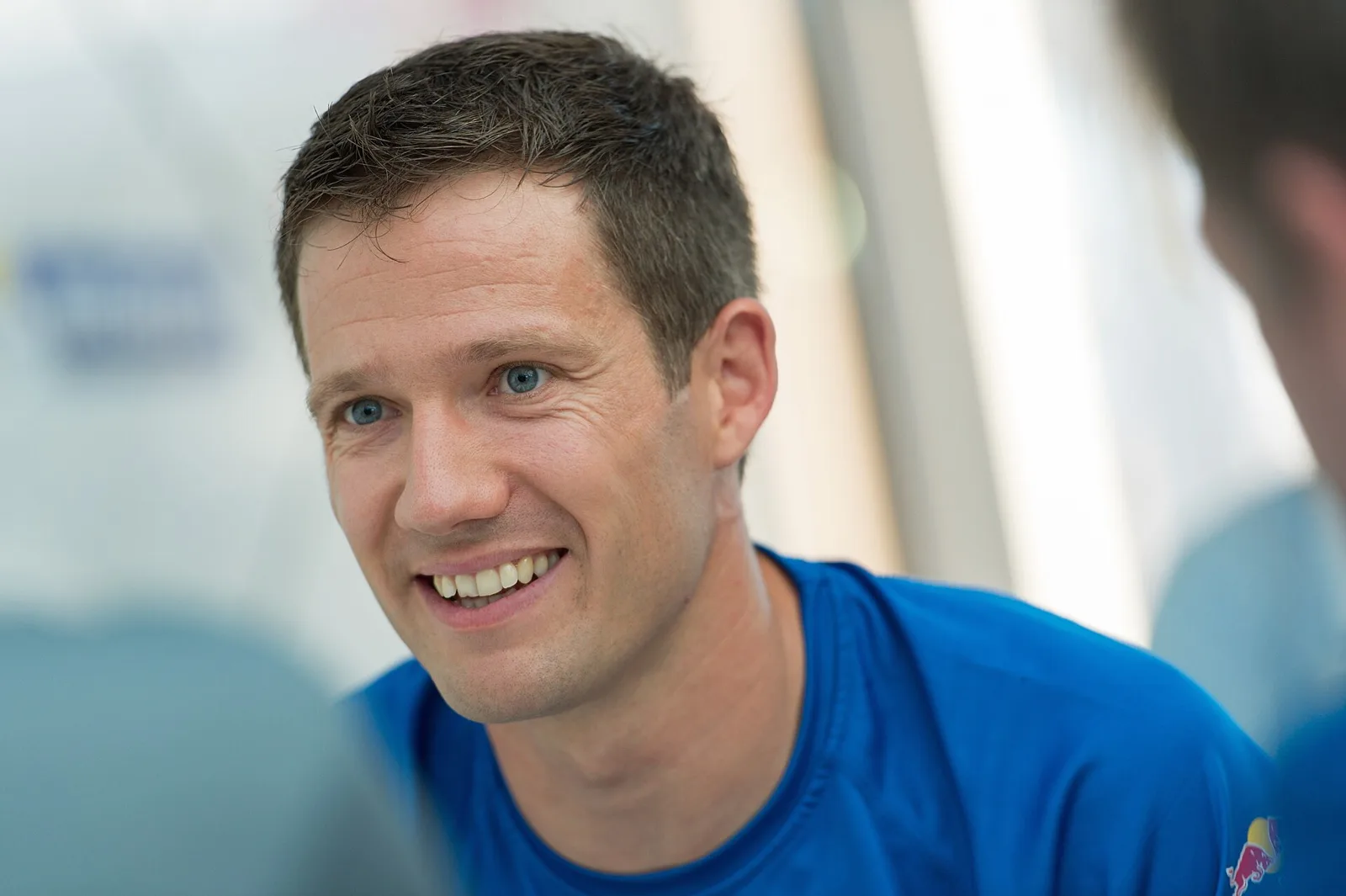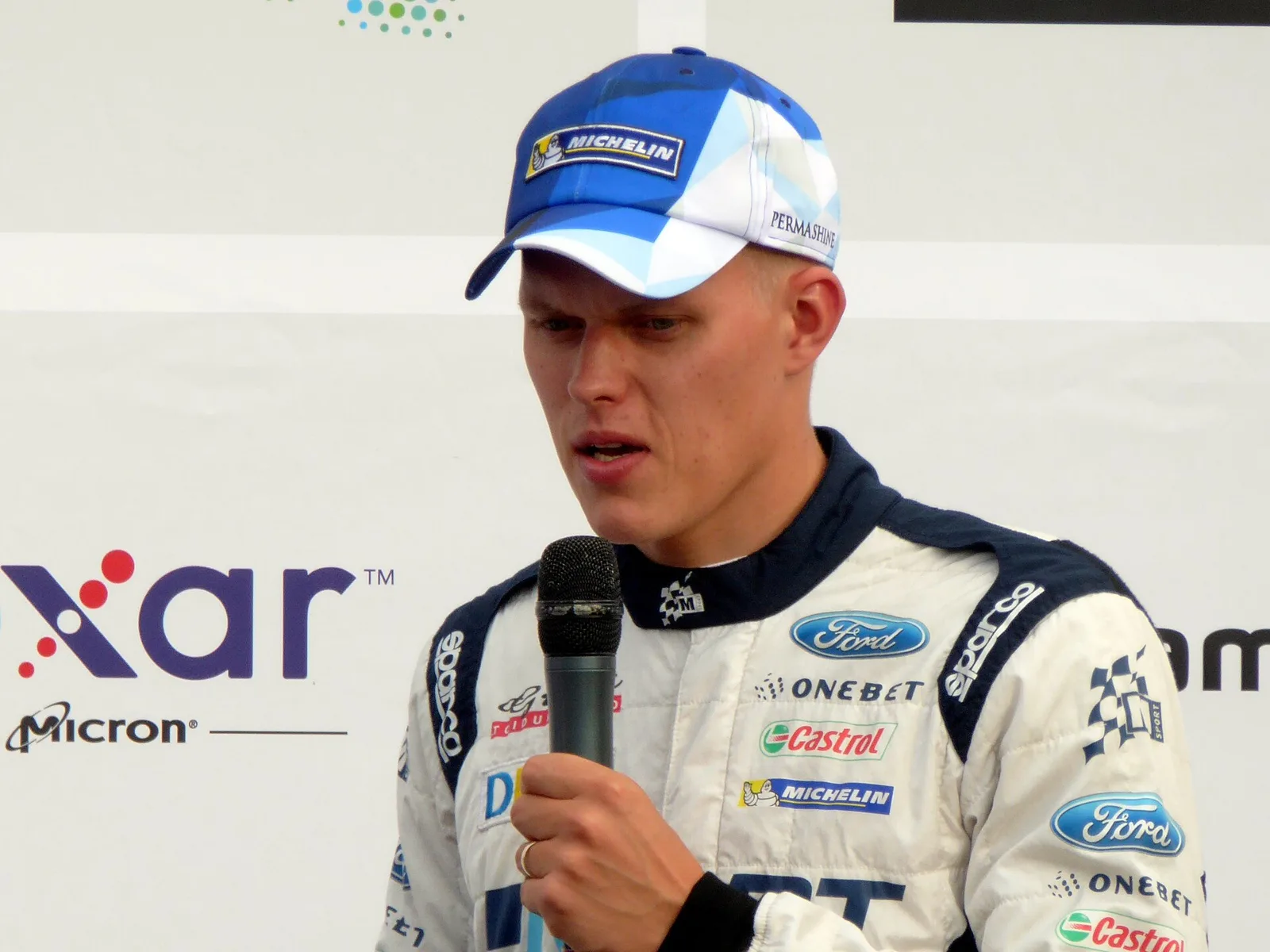
A calendar stretched to fourteen rounds, a first title for Ott Tanak, Hyundai's first manufacturers' crown and a final round lost to bushfires.
The 2019 FIA World Rally Championship, the forty-seventh season, was planned over fourteen rounds across Europe, the Middle East, the Americas and Australia. Ott Tanak and Martin Jarveoja won their first drivers' and co-drivers' titles, and Hyundai Shell Mobis WRT won its first manufacturers' crown.
Ott Tanak and Martin Jarveoja took the 2019 championship in a season that was planned over fourteen rounds but held over thirteen. Thierry Neuville and Sebastien Ogier pushed hard for the title, while Hyundai finished the year as manufacturers' champion. The final round in Australia was lost to bushfires.
What was the 2019 World Rally Championship?
It was the forty-seventh season of the championship, recognised by the FIA as the highest class of international rallying. Crews competed for drivers', co-drivers' and manufacturers' titles, and only manufacturers using cars homologated under the 2017 rules could score manufacturer points. The WRC2 class was split into WRC2 Pro and WRC2.
Tanak and Jarveoja finished thirty-six points clear of Neuville and Gilsoul, while Ogier and Ingrassia finished third. Defending manufacturers' champions Toyota were second, and Citroen Total WRT was third.
Tanak won six rallies, Hyundai took its first manufacturers' crown, and the final round in Australia never ran.
Why did the calendar grow?
The return of Rally Turkey in 2018 led the FIA to expand the calendar to fourteen rounds for 2019, with a long-term aim of sixteen events. Twelve prospective bids were assembled, including candidates in New Zealand, Japan and Chile, and Chile joined the 2019 calendar.
The expansion put pressure on established European rounds. The Tour de Corse and Rally Italia Sardegna were unpopular with teams because of the travel to the islands and low spectator numbers. Plans for a rally in Japan moved from Sapporo to Toyota City, but they were abandoned when the promoter came under pressure to keep the Tour de Corse.
Rally Chile was based in Concepcion and run on gravel roads. Kenya, Croatia, Canada and Estonia also said they were interested in joining the championship within five years.
What rule and route changes came in 2019?
The maximum special stage distance per event fell from 500 km (310.7 mi) to 350 km (217.5 mi), and Monte Carlo was shortened by 70.91 km (44.1 mi). Portugal was cut by 46.72 km (29.0 mi), and Corsica received a new route with up to three-quarters of it revised.
Drivers were given permanent race numbers, modelled on Formula 1, MotoGP and DTM. Before 2019 the numbers had followed the previous year's manufacturers' standings. Now the reigning champion kept number 1 and his permanent teammate took number 2.
Test days were reduced from 55 to 42 per year. The support categories were also restructured: WRC3 was discontinued, and a new WRC2 Pro class opened to manufacturer-supported teams running R5 cars.
Which teams and crews changed for 2019?
Citroen and M-Sport Ford both dropped to two full-time cars, while Toyota expanded to four. Ogier and Ingrassia returned to Citroen from M-Sport Ford, and Esapekka Lappi and Janne Ferm joined Citroen after two years with Toyota.
Citroen cited a change in sponsorship arrangements as its reason for dropping the third car. M-Sport's third car would be entered round by round, and Malcolm Wilson stepped down as team principal to oversee the company's wider commercial operations. Richard Millener was appointed in his place.
Hyundai replaced team principal Michel Nandan with Andrea Adamo, its customer racing manager. Toyota's fourth car ran part-time under Marcus Gronholm's GRX Team banner, and Gronholm made a one-off return to the championship.
Sebastien Loeb and Daniel Elena signed for six rounds with Hyundai, sharing an i20 with Dani Sordo and Carlos del Barrio. Kris Meeke returned to full-time competition after Citroen had dismissed him halfway through 2018, and he partnered Sebastian Marshall, who moved across from Paddon to Toyota.
How did Monte Carlo and Sweden open the year?
Ogier won Monte Carlo for a sixth straight year, while Tanak climbed back from a puncture to finish on the podium. Tanak then won Sweden, his first snow rally, and took the championship lead for the first time in his career.
Tanak took an early lead in Monte Carlo, but a puncture on Friday cost him two minutes. Neuville briefly led before missing a junction and losing around 20 seconds. Ogier ended the day only 2.0 seconds ahead, and Tanak then set four fastest stage times on leg two to climb back.
Sweden was the only snow event on the calendar. Ogier was stuck in a snowbank, and Teemu Suninen led at the end of Friday before a tree on the afternoon loop ended his rally. Tanak took over and comfortably dominated, and Lappi finished ahead of Neuville by three seconds.
What happened in Mexico, Corsica and Argentina?
Ogier won Mexico after a red flag caused by Lappi's accident rescued his rally. Neuville took Corsica for his first win of the season, which moved him to the top of the championship, and he then won Argentina for a second time, with Mikkelsen second.
Mexico's high-altitude terrain made conditions hard. Suninen retired early, Mikkelsen led until a rock damaged his suspension, and Sordo lost his chance of the win to an electrical issue. Ogier had punctured on the opening stage of leg two, but the red flag let him recover, and Tanak finished second with Evans third.
In Corsica, Evans led for much of the rally until a front-right puncture on the last power stage dropped him to third. Ogier finished second despite an early spin, and Sordo was fourth. Suninen was fifth, only 6.2 seconds behind Sordo, and it was the first time that season that the top ten were all World Rally Cars.
Heavy rain in Cordoba made the roads treacherous. Tanak spun, Lappi retired with a broken alternator, and Ogier lost time to a power steering failure. Neuville was untroubled on the final day, while Mikkelsen took second, his best result for Hyundai.
How did Chile and Portugal shift the title fight?
Tanak won in Chile, a brand-new event, after Neuville crashed heavily, and he then took his third win of the season in Portugal. Ogier had moved to the top of the table with a ten-point lead after Chile, but Portugal changed that picture.
In Chile, Neuville crashed violently after a blind crest and badly damaged his i20, which opened up the championship. Ogier finished second, Tanak won with the Power Stage, and Loeb took his first podium of the season in a Hyundai. Meeke was penalised ten seconds for removing a damaged windscreen at a control.
In Portugal, Loeb and Sordo both suffered fuel system problems on the first day and checked into stages late as a tactic to help Neuville. Greensmith's WRC debut ended in a crash, and Tanak overcame a damper problem and a brake issue to win his third rally of the season. Neuville and Ogier were the only crews with a trouble-free weekend, and both were on the podium.
Who won in Sardinia and Finland?
Sordo won Sardinia, his second career victory, but Tanak still moved into the drivers' lead on the strength of a fifth-place finish. In Finland Tanak won again, with a Power Stage win, which extended his championship lead to twenty-two points.
Ogier retired from the first leg of Sardinia, which made Tanak the road-opener and hurt his stage times. On Saturday Tanak ran strongly until his power steering failed in the ultimate power stage, dropping him to fifth. Suninen took a career-high second place with Jarmo Lehtinen alongside him, and Mikkelsen beat Evans in the final power stage by 0.9 second.
Finland was the fastest rally on the calendar. Tanak was first on the road but still won, and along the way he claimed his 200th stage victory. Lappi finished second in his home rally, Latvala was third after a puncture while leading, and Meeke retired with rear suspension damage.
What decided Germany and Turkey?
Tanak won Germany, where Meeke and Latvala took second and third to give Toyota a 1-2-3 finish. In Turkey, Ogier won his first rally in the country and cut Tanak's championship lead from forty points to seventeen.
In Germany, Neuville and Ogier both suffered punctures in the longest Panzerplatte stage, which left Tanak in control. Sordo's transmission problem dropped him to fourth, and Tanak held his lead to the finish.
The rockstorm in Turkey caused several punctures, and Neuville went off the road in poor visibility on Saturday. Tanak retired with an electrical failure, while Ogier, who had seen his rivals fall away, took the win. Lappi finished second to give Citroen its first 1-2 since 2015, and Mikkelsen took third, his third podium of the season.
How did Wales and Catalunya decide the title?
Tanak won Wales Rally GB in the wet, his sixth win of the season, to extend his lead to twenty-eight points. At Catalunya, Neuville, forty-one points behind before the event, won the rally, but Tanak took second from Sordo and sealed his first title.
Hurricane Lorenzo brought wet and muddy roads to Wales. Lappi and Latvala both left the rally on Friday, and Tanak made up the time he lost after an engine issue on the opening stage. Neuville and Ogier completed the podium behind him, and Rovanpera finished ninth to win the WRC2 Pro championship.
In Catalunya, Ogier led after the opening stage but lost hydraulics in the morning loop, which ended his hopes. Neuville charged back, but Tanak's dominant Power Stage and second place were enough. Loeb finished fourth and Latvala fifth, while Hyundai extended its manufacturers' lead over Toyota. Tanak's title brought an end to the decade and a half of dominance by the two French Sebastiens.
Why was Rally Australia cancelled?
Rally Australia was cancelled because bushfires in the Mid North Coast region made the area unsafe. Organisers first proposed a shortened route, developed with input from the New South Wales Rural Fire Service, but they cancelled the event altogether as the fires intensified.
The cancellation meant the title was decided on the thirteen rounds that were held.
What were the final standings?
Tanak and Jarveoja took the title, Neuville and Gilsoul were second, and Ogier and Ingrassia were third. Hyundai Shell Mobis WRT took its first manufacturers' title, Toyota Gazoo Racing WRT was second and Citroen Total WRT third.
The result gave Tanak his first drivers' title. He won six rallies, more than any other driver, while Neuville won three.
How did the scoring system work?
Points went to the top ten classified finishers in each event. Each manufacturer could nominate three crews, but only the best two results counted, and the Power Stage paid five points for first down to one for fifth in the drivers' and co-drivers' championships only.
Manufacturer points were scored only by cars homologated under the 2017 rules. Citroen, Ford, Hyundai and Toyota were all represented by manufacturer teams and eligible to score.