Seven rallies, a restarted calendar, a Toyota reshuffle, Citroen's exit and a seventh world title won in Monza.
The 2020 FIA World Rally Championship was the forty-eighth season of the series, and the season with the fewest completed rallies in its history. Seven rounds ran, between January in Monte Carlo and December in Monza, as the pandemic cut the calendar from thirteen planned events.
The 2020 championship was reshaped by the COVID-19 pandemic, which cut a planned thirteen-round programme to seven rallies. Sebastien Ogier and Julien Ingrassia won their seventh world titles in Monza, Elfyn Evans and Scott Martin finished second, and Hyundai took a second straight manufacturers' crown. Crew moves at Toyota and Citroen added to a season that had little normal about it.
What was the 2020 World Rally Championship?
It was the forty-eighth season of the championship, organised by the FIA, with teams and crews competing for drivers', co-drivers' and manufacturers' titles. Only manufacturers using cars homologated under the 2017 regulations could score manufacturer points, and the WRC2, WRC3 and Junior WRC categories ran at selected events.
Tanak and Jarveoja were the defending drivers' and co-drivers' champions, having won their maiden titles at the 2019 Rally Catalunya. Their team, Hyundai Shell Mobis WRT, was the defending manufacturers' champion after winning its maiden title when the 2019 final round was cancelled.
Seven rallies, two wins apiece for Ogier and Evans, and a seventh world title sealed in Monza under pandemic restrictions.
Why did the calendar shrink?
The pandemic removed most of the planned events. Rallies in Argentina, Portugal, Kenya, Finland, New Zealand, Germany and Japan were cancelled, and the Italian rallies were postponed, leaving seven events from a calendar that had been due to run thirteen rounds.
Several events had been lined up before the pandemic and never ran. The Safari Rally was due to return to the championship for the first time since 2002, based in Nairobi with stages around Lake Naivasha. Rally Japan was to return for the first time since 2010, moving from Hokkaido to Nagoya on tarmac, and Rally New Zealand was planned to go back to Auckland for the first time since 2012.
Calendar changes had begun before the pandemic. The Tour de Corse was removed because of logistical concerns from teams, Rally Australia lost its place because its regional base struggled to draw spectators, and Rally Catalunya agreed to forfeit its place in a rotation that would see European events host rallies in two years out of three. Rally Chile was dropped amid political unrest in the country.
The restarted season added new events. Rally Estonia hosted the resumption between 4 and 6 September, making Estonia the thirty-third nation to stage a championship round. Ypres Rally in Belgium was added to replace Japan but was called off, and Rally Monza was announced as the final round on 9 October.
Which teams and crews changed in 2020?
Tanak and Jarveoja moved from Toyota to Hyundai, and Ogier and Ingrassia joined Toyota, which also recruited Evans and Martin from M-Sport Ford. Citroen started with two full-time crews but withdrew from the championship with immediate effect, citing Ogier's decision to leave. The company also said it would sell or rent its C3 WRCs to teams that wanted to compete in the premier category.
Hyundai kept Neuville and Gilsoul for a seventh season and brought Loeb and Elena back part-time, sharing an i20 with Dani Sordo and Carlos del Barrio. Andreas Mikkelsen and Craig Breen were left without drives, and Hyundai entered Breen at selected rallies. Mikkelsen returned in Sardinia, co-driving with Petter Solberg.
At Toyota, Jari-Matti Latvala and Takamoto Katsuta were entered part-time, and Juho Hanninen became Latvala's co-driver in place of Miikka Anttila. Kalle Rovanpera and Jonne Halttunen, the reigning WRC2 Pro champions, made their competitive debut in Toyota's third car. Kris Meeke stayed under contract but stepped back from full-time competition. Katsuta drove the European rounds for Toyota, while Latvala planned two events as an independent, with more starts depending on his budget.
At M-Sport Ford, Suninen and Lehtinen were retained, and Lappi and Ferm replaced Evans and Martin in the second car. Greensmith and Edmondson, who had contested three rounds with the team in 2019, had an expanded programme. Pierre-Louis Loubet and Vincent Landais made their World Rally Car debut in Estonia. Lappi had been under contract to Citroen until the team withdrew, and the move gave him a new seat in a single season.
Round-by-round results
| Rally | Winner | Note |
|---|---|---|
| Rallye Monte Carlo | Thierry Neuville | First Monte Carlo win |
| Rally Sweden | Elfyn Evans | Shortened route; Scott Martin's first win |
| Rally Mexico | Sebastien Ogier | Shortened to two legs |
| Rally Estonia | Ott Tanak | Season restart in front of a home crowd |
| Rally Turkey | Elfyn Evans | Won by over thirty seconds |
| Rally Sardegna | Dani Sordo | Second straight win in Sardinia |
| Rally Monza | Sebastien Ogier | Seventh world title |
How did the opening rounds start?
Neuville and Gilsoul won Monte Carlo for their first time there, after Tanak and Jarveoja crashed heavily early on. Evans and Martin won a shortened Sweden, Ogier and Ingrassia took Mexico on a rally cut to two legs, and the season then paused.
The title defence of Tanak and Jarveoja began badly when their Hyundai i20 flew off a 40 m (131.2 ft) cliff at 180 km/h (111.8 mph) on the fourth stage. Both walked away uninjured. Neuville and Gilsoul stayed in contention, and they won seven of the final eight stages, including the Power Stage, for their first win in Monte Carlo. Hyundai's hopes rested on Neuville and Gilsoul from that point on.
In Sweden, Neuville and Gilsoul went first on the road as the championship leaders, which meant clearing loose gravel for the crews behind. The rally was shortened because of a lack of snow. Evans and Martin dominated, winning five of nine stages, and Martin took his first rally win.
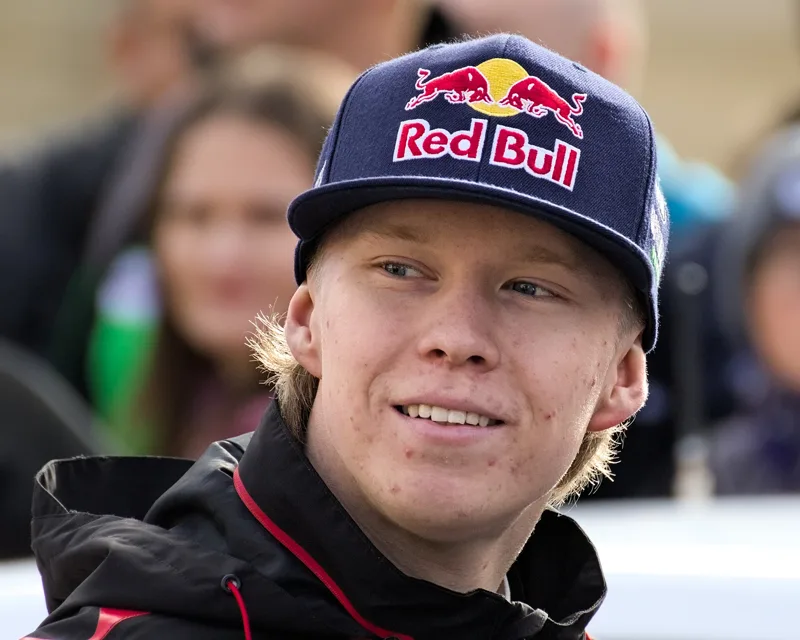
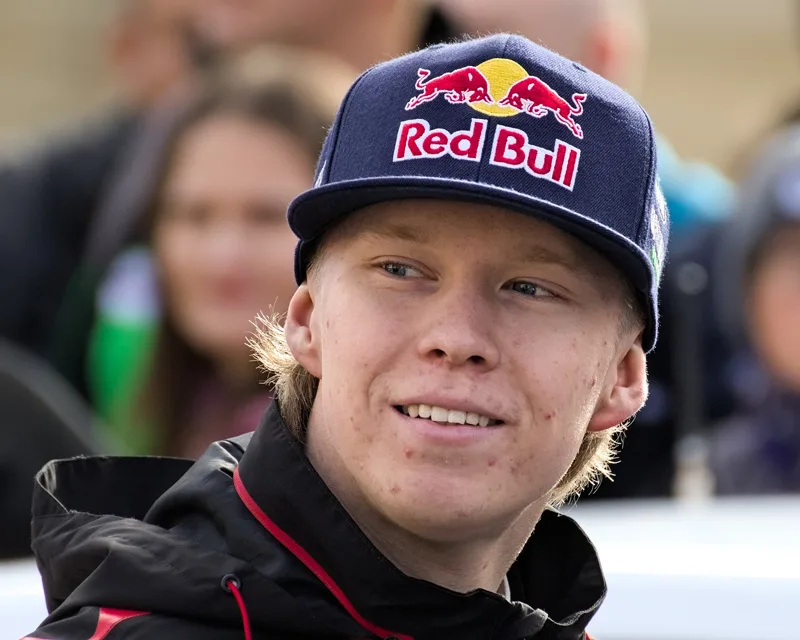
Rovanpera recorded his first WRC stage win and won the Power Stage in Sweden, while he and Halttunen took their maiden podium. At nineteen, Rovanpera became the youngest driver to claim a WRC podium finish.
Mexico was shortened to two legs after the final leg was cancelled so teams could return home before travel restrictions took effect. Tanak and Jarveoja dropped over forty seconds after suspension damage, Neuville and Gilsoul retired with an electrical problem, and Lappi and Ferm's Fiesta caught fire. Ogier and Ingrassia had a trouble-free weekend and won, which gave Toyota a twenty-one point lead over Hyundai in the manufacturers' table.
How did Estonia and Turkey change the title race?
Tanak won Estonia, his home rally, and Hyundai took a 1-2 with Breen second. In Turkey, Evans and Martin won by more than thirty seconds after a day of punctures and retirements for their rivals, which put them back in the championship lead.
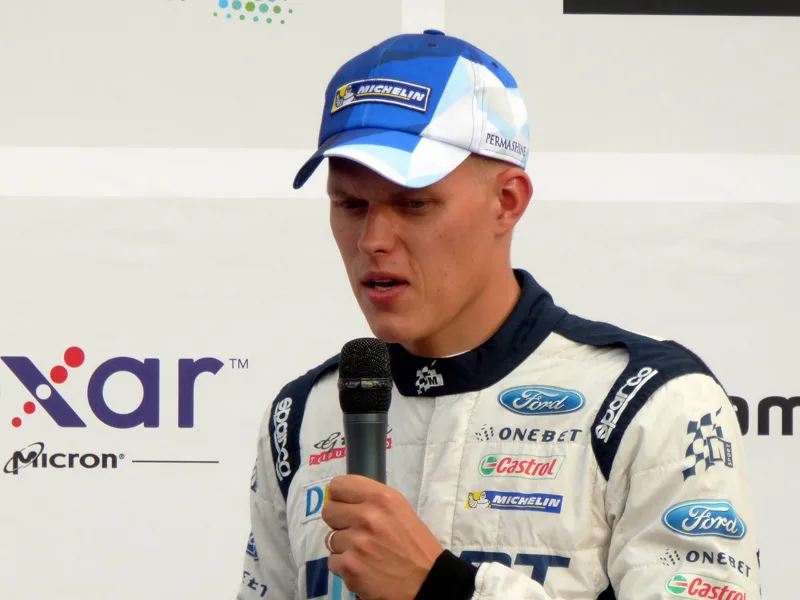
The season restarted in Estonia, the 600th championship event since the series began in 1973. Tanak and Jarveoja led almost the entire rally to win their first Hyundai rally in their home country. Neuville retired on Saturday afternoon with rear-right suspension damage, and Breen and Nagle finished second for a Hyundai 1-2.
Rovanpera briefly led at nineteen, making him the youngest driver to lead a WRC rally, before a one-minute penalty for his co-driver's illegal removal of a radiator blanking plate. Katsuta and Daniel Barritt rolled their Yaris on Sunday morning, and Loubet and Landais retired from their top-class debut.
Turkey's rock storms made the rally hard. Loeb, at forty-six the oldest driver to lead a WRC event, took an early lead on Friday. Tanak and Jarveoja retired on Saturday after their car speared off the road, and Ogier and Ingrassia lost over half a minute to a puncture and a hydraulics problem.
On Sunday five crews suffered punctures on the Cetibeli stage, and two more crews retired. That moved Evans and Martin up three places into the lead. Ogier and Ingrassia's Yaris then caught fire on the second pass, and Evans and Martin won by over thirty seconds, with Greensmith and Edmondson fifth for a career-high result.
What happened in Sardinia and Monza?
Sordo and del Barrio won Sardinia for the second straight year, while the top three finished within 6.1 seconds of each other, the closest podium margin in WRC history. Ogier and Ingrassia won the finale in Monza, which secured their seventh title.
A thin layer of slippery gravel favoured late road positions, and Sordo and del Barrio built a lead of over thirty seconds before Sunday. Neuville and Gilsoul took second, ahead of Ogier, and Hyundai's 1-2 finish put it back on top of the championship. Post-race, the i20's rear subframe was inspected and found to be underweight.
Monza's tricky weather caused trouble for many crews. Katsuta and Barritt crashed into a wall on the first stage. A pool of standing water on the fourth stage ended Neuville and Gilsoul's title chance after earlier suspension damage. Evans and Martin went off on the icy, slushy surface, which left the title race wide open.
Ogier and Ingrassia overcame a limited-visibility problem to win the finale, and their seventh world title followed. Hyundai finished 2-3 on the final weekend, which was enough to secure its second consecutive manufacturers' title.
How did the 2020 standings finish?
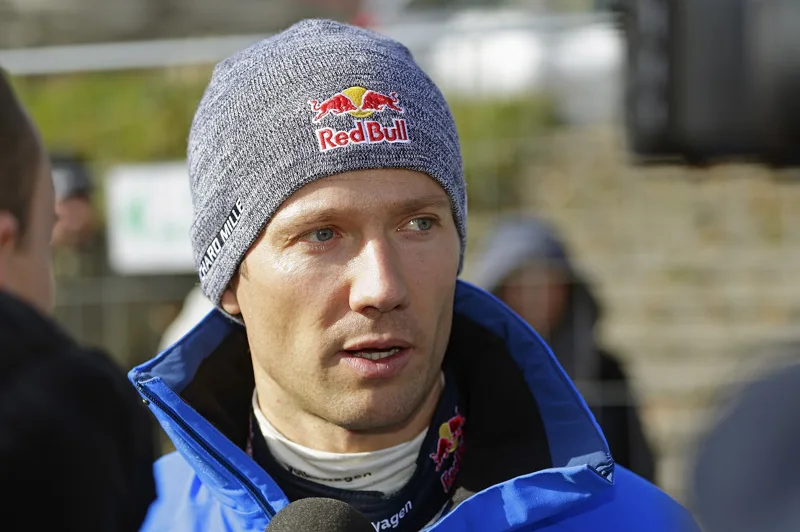
Ogier and Ingrassia won their seventh title, eight points ahead of Evans and Scott Martin, while Tanak and Jarveoja were third, a further nine points back. Hyundai Shell Mobis WRT defended the manufacturers' crown, five points clear of Toyota Gazoo Racing WRT, with M-Sport Ford WRT third. Evans and Martin had regained the championship lead in Turkey, but they went off the road on the icy, slushy surface at Monza. Hyundai's drivers won three of the seven rallies, which was enough for the manufacturers' crown.
Ogier and Ingrassia became the first crew to take the title with three different car makers. The title came in a season of seven rallies.
How did the points system work?
Points went to the top ten classified finishers in each event. Manufacturers could nominate three crews, but only the best two results counted, and the Power Stage paid five points for first down to one for fifth in the drivers' and co-drivers' championships.
The FIA also introduced a WRC Team category, under which a team could score points only when a team with the same car homologation scored in the manufacturers' championship. A temporary testing ban was added during the pandemic, because the three manufacturer teams were based in different countries with different restrictions.