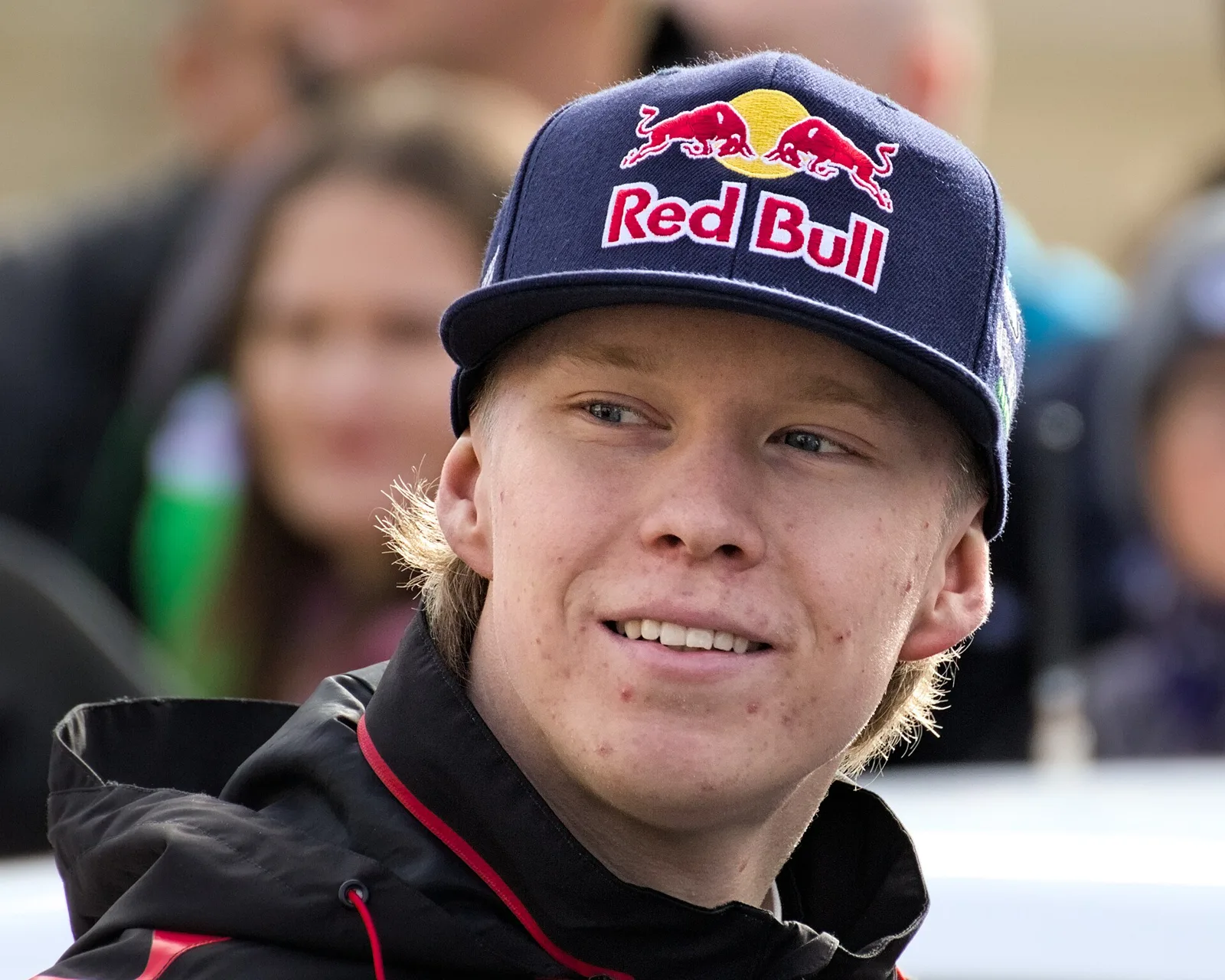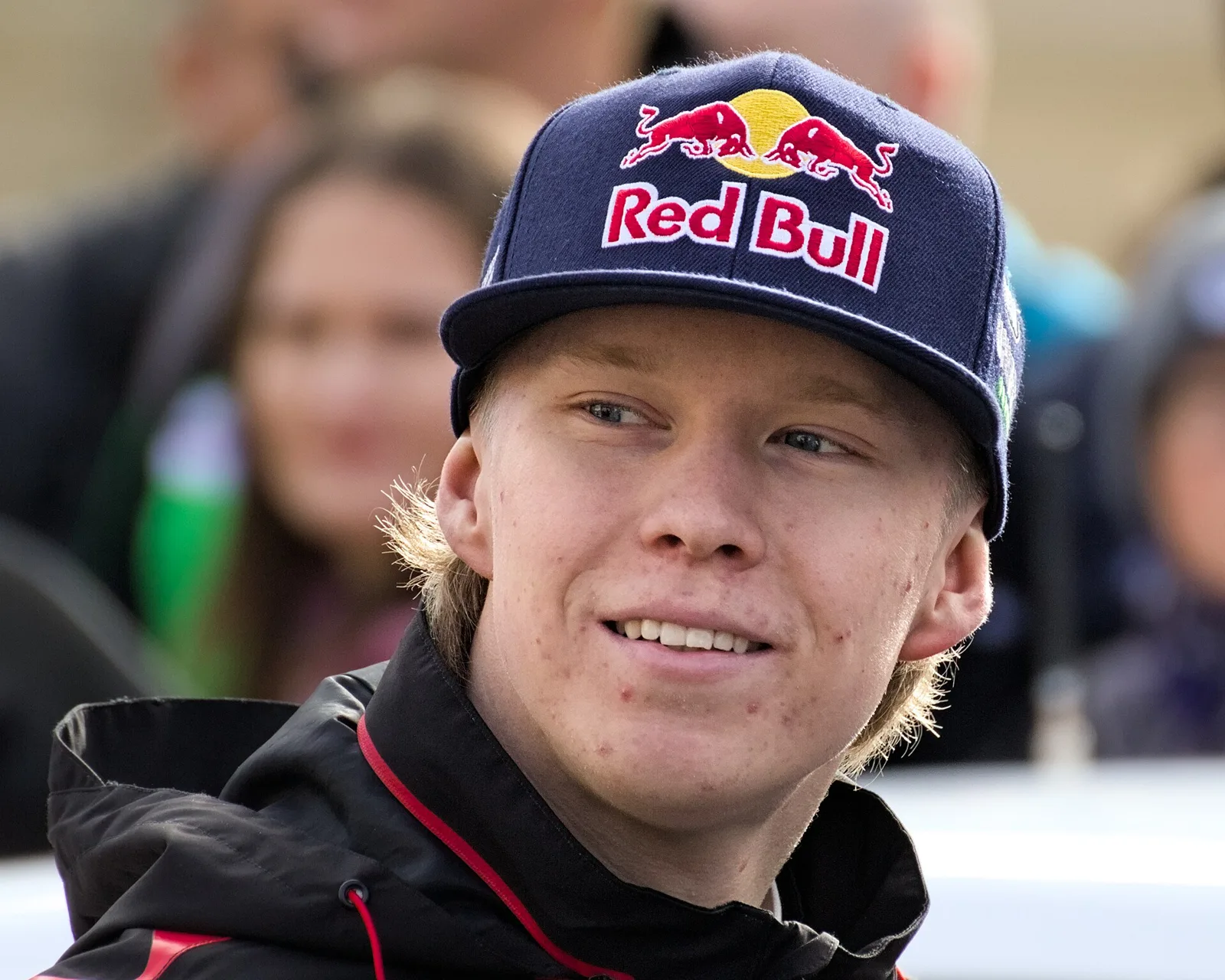
The first season of hybrid Rally1 cars, six wins for Kalle Rovanpera, a title at 22 and a Toyota team that defended its manufacturers' crown.
The 2022 FIA World Rally Championship marked the 50th season of the series and the debut of the hybrid Rally1 rules. Thirteen rounds ran from January to November, and the title went to Kalle Rovanpera and Jonne Halttunen, with Toyota keeping the manufacturers' crown.
The 2022 season was the 50th of the World Rally Championship and the first under the hybrid Rally1 regulations. Kalle Rovanpera and Jonne Halttunen took their first titles, and Toyota Gazoo Racing WRT defended its manufacturers' crown. Rovanpera was 22 years old when the title was settled, the youngest champion the series has ever had.
What was the 2022 World Rally Championship?
It was the 50th season of the championship, run over thirteen rounds from Monte Carlo in January to Japan in November. Rovanpera and Halttunen took the drivers' and co-drivers' titles, and Toyota kept the manufacturers' championship under the new Rally1 rules.
Ogier and Ingrassia were the reigning champions, having taken their eighth titles at the 2021 Rally Monza. Ingrassia did not defend the title because he retired from competition at the end of 2021, while Toyota were the defending manufacturers' champions.
Six wins for Rovanpera, a youngest-ever champion at 22, and a hybrid rulebook that Toyota turned into a second title.
What changed with the Rally1 regulations?
The Rally1 rules replaced the World Rally Car regulations and placed greater emphasis on standardised parts, with the aim of making the sport more accessible. Only manufacturers running Rally1 cars could score manufacturer points, and all three constructors entered brand-new cars.
Rally1 introduced hybrid drivetrains for the first time. An e-motor producing 100 kW (134.1 hp) was fitted to the 1.6 L turbocharged inline-four, and it had to power the car through service parks and built-up areas. Drivers could also use it to add power during stages, within limits set by the FIA. The hybrid system was standardised for three years to keep costs down.
A standardised safety structure was introduced, and the homologation rules were rewritten to allow a scaled chassis based on production cars. Eligibility was simplified into a Rally Pyramid, with Rally1 at the top, followed by Rally2, Rally3, and Rally4 and Rally5 entries that could join WRC rallies without their own championship.
Which calendar changes shaped 2022?
The championship returned to New Zealand for the first time since 2012, and Japan took the final place on the calendar. Mexico, Chile and Great Britain were not included, despite earlier contracts or bids for a return.
Rally Sweden moved its headquarters for the first time in WRC history. A lack of snow forced the organisers to relocate from Torsby to Umea in Vasterbotten County. The rally was planned for nineteen special stages covering 303.74 km (188.7 mi), but it was cut to seventeen stages totalling 264.81 km (164.5 mi) because of reindeer movements.
The Monte Carlo Rally's headquarters moved from Gap to Monaco alone, and Rally Italia Sardegna returned its base to Alghero after a one-off headquarters in Olbia for the 2021 event.
Which teams and crews changed for 2022?
M-Sport introduced the Ford Puma Rally1, Hyundai switched to the i20 N, and Toyota replaced its third-generation Yaris with the GR Yaris. The three manufacturers kept the Global Race Engine architecture of an inline four-cylinder 1.6 litre direct-injection turbo for the first three years of the regulations.
M-Sport expanded from two regular crews to three full-time entries. Craig Breen and Paul Nagle signed a two-year contract, but Nagle retired after Catalunya, and James Fulton joined Breen from Japan onwards. Gus Greensmith stayed on, and Adrien Fourmaux and Alexandre Coria were retained. Sebastien Loeb joined the team with Isabelle Galmiche for selected events.
Hyundai kept Tanak and Jarveoja and Neuville and Wydaeghe as its two full-time crews. Oliver Solberg stepped up to share the third car with Dani Sordo, while team principal Andrea Adamo left the role. Toyota renewed Evans and Martin and Rovanpera and Halttunen, and Ogier contested only selected events after deciding against a full schedule.
Ogier's new co-driver, Benjamin Veillas, replaced Ingrassia, and Landais took over in Japan. Lappi and Ferm returned to Toyota to share the third car, and Takamoto Katsuta contested a full campaign in a fourth car run by Toyota Gazoo Racing WRT Next Generation.
Round-by-round results
| Rally | Winner | Note |
|---|---|---|
| Rallye Monte-Carlo | Sebastien Loeb | Eightieth rally win; oldest driver to win a WRC event |
| Rally Sweden | Kalle Rovanpera | Third career victory |
| Croatia Rally | Kalle Rovanpera | Back-to-back win |
| Rally de Portugal | Kalle Rovanpera | Third win of the season, a hat-trick |
| Rally Italia Sardegna | Ott Tanak | Ended a winless run of 462 days |
| Safari Rally Kenya | Kalle Rovanpera | Fourth win of the season |
| Rally Estonia | Kalle Rovanpera | Fifth win in six rallies |
| Rally Finland | Ott Tanak | Hyundai's first win in Finland |
| Ypres Rally Belgium | Ott Tanak | Third win of the season |
| Acropolis Rally Greece | Thierry Neuville | Hyundai's first ever 1-2-3 finish |
| RACC Rally Catalunya | Sebastien Ogier | Benjamin Veillas's first career victory |
| Rally New Zealand | Kalle Rovanpera | Clinched the drivers' title |
| Rally Japan | Thierry Neuville | Hyundai 1-2 with Tanak second |
How did the opening rounds go?
Loeb won Monte Carlo, his eightieth rally victory, and he became the oldest driver to win a World Rally Championship event. His co-driver Galmiche became the first female winner of a WRC event since 1997. Ogier and Veillas had been leading before a front-left puncture and a jump-start penalty at the Power Stage handed the win to Loeb.
Loeb's victory was his first since the 2018 Rally Catalunya. Hyundai's season looked troubled from the start, with a lack of speed behind M-Sport and Toyota and a run of mechanical failures. Tanak and Jarveoja, and Solberg and Edmondson, both retired, while Neuville and Wydaeghe overcame a damper problem to finish sixth, more than eight minutes off the lead.
Five drivers led stages during the first leg of Sweden. Rovanpera and Halttunen were second overnight, then overhauled Neuville and Wydaeghe on the second day and held on for their third career win. Evans and Martin crashed out on the final day while chasing the leaders, and Tanak and Jarveoja retired on the Friday with a hybrid unit fault before rejoining to win the Power Stage.
Croatia brought wet tarmac and low grip, with punctures in abundance. Rovanpera and Halttunen held a lead that was at one point more than a minute, but a compromised tyre choice and a flat tyre let Tanak and Jarveoja take it after the penultimate stage. Rovanpera and Halttunen won back on the Power Stage for a back-to-back victory and a twenty-nine-point lead in the championship. Neuville and Wydaeghe picked up a two-minute penalty and finished third.
How did Portugal and Sardinia change the season?
Rovanpera and Halttunen won Portugal, their third event of the season and a hat-trick, which pushed their championship advantage to forty-six points. Tanak and Jarveoja won Sardinia, ending a winless run of 462 days for the former champions.
In Portugal, Rovanpera and Halttunen took advantage of their rivals' troubles to gain a better road position on Saturday. They overhauled Evans and Martin by the end of the day and added another Power Stage win. Sordo and Carrera finished on the podium, edging out Katsuta and Johnston by just over two seconds.
In Sardinia, Lappi and Ferm led at the end of the first leg, but they crashed out at the opening stage of the second day. Tanak and Jarveoja took the lead and steadily extended it to win the rally,
What happened in Kenya, Estonia and Finland?
Rovanpera and Halttunen won Kenya, their fourth win of the season, while Toyota took the first 1-2-3-4 by a single manufacturer since Citroen at the 2010 Rally Bulgaria. Their championship lead grew to sixty-five points. They then won Estonia, their fifth victory in six rallies.
Kenya was a tough test for every crew, with M-Sport and Hyundai both struggling on the roads. Toyota came through with a clean sweep of the top four places, and Rovanpera's lead rose again as the field fell back.
Halfway through the season the Finnish pair's championship lead had stretched to eighty-three points.
Toyota had dominated Finland for the previous five years, so Tanak's win broke that run. Tanak and Jarveoja led from start to finish to take their second win of the season, the first ever win in Finland for Hyundai. Rovanpera and Halttunen fought back to second, and Lappi and Ferm rounded out the podium after a roll near the end.
How did Ypres, Acropolis and Catalunya play out?
Tanak and Jarveoja won Ypres, their third victory of the season, after several top crews were caught out by junction cuts. Hyundai then took the Acropolis Rally for a first-ever 1-2-3 in team history, with Neuville and Wydaeghe winning, and Rovanpera's lead was cut to fifty-three points.
At Ypres the tricky tarmac claimed all three M-Sport crews along with Neuville and Wydaeghe and Rovanpera and Halttunen. Tanak and Jarveoja fended off Evans and Martin to win, while Lappi and Ferm secured back-to-back podium finishes. Solberg and Edmondson finished fourth, a career-high for the pair.
In Greece, Rovanpera and Halttunen scored just four points, which allowed the gap to narrow.
At Catalunya, Ogier and Veillas won the rally, the first career victory for Veillas, and Toyota secured its manufacturers' title. That result settled the manufacturers' title, and the drivers' fight moved on to New Zealand and Japan.
How did the title finish in New Zealand and Japan?
Rovanpera and Halttunen won New Zealand and clinched their first world titles. At 22 years and 1 day, Rovanpera became the youngest World Rally Champion, beating the record that Colin McRae had set at 27 years and 89 days in 1995.
The final round in Japan began badly for Hyundai when Sordo and Carrera's car was destroyed by fire on the second stage. Ogier and Landais punctured and Breen and Fulton crashed out. Evans and Martin led on Friday, but Rovanpera and Halttunen dropped to twelfth after a puncture and wheel damage.
Neuville and Wydaeghe overtook Evans and Martin at the end of Saturday and won the rally. Tanak and Jarveoja completed a Hyundai 1-2 at their final outing for the team, and
What were the final standings?
Rovanpera and Halttunen were the drivers' and co-drivers' champions, and Tanak and Jarveoja finished second, fifty points behind. Neuville and Wydaeghe were third, a further twelve points back.
Toyota Gazoo Racing WRT successfully defended its manufacturers' title, finishing seventy points ahead of Hyundai Shell Mobis WRT, with M-Sport Ford WRT third.
How did the scoring system work?
Points went to the top ten classified finishers in each event. Manufacturers could nominate three crews, but only the best two results counted, and only for Rally1 cars. The Power Stage paid five points for first down to one for fifth.
Power Stage points counted in the drivers', co-drivers' and manufacturers' championships. From the Croatia Rally onwards, the penalty for missing a stage because of a hybrid problem fell from ten minutes to two minutes, after calls from manufacturers.