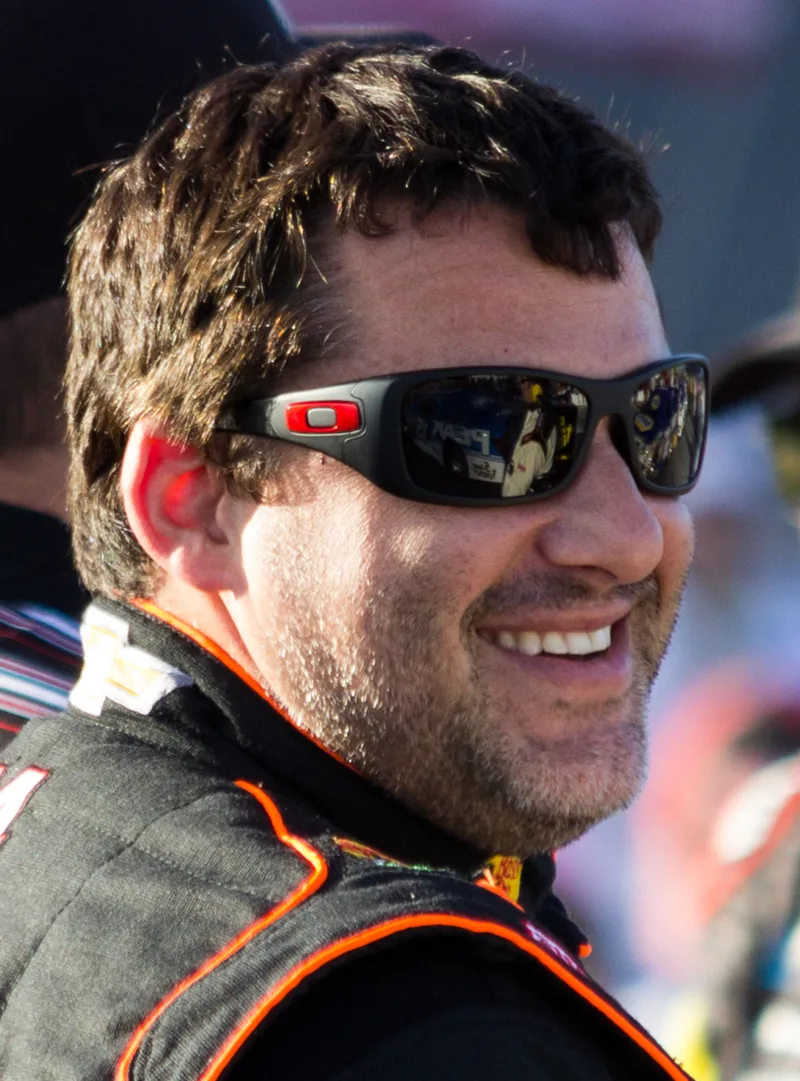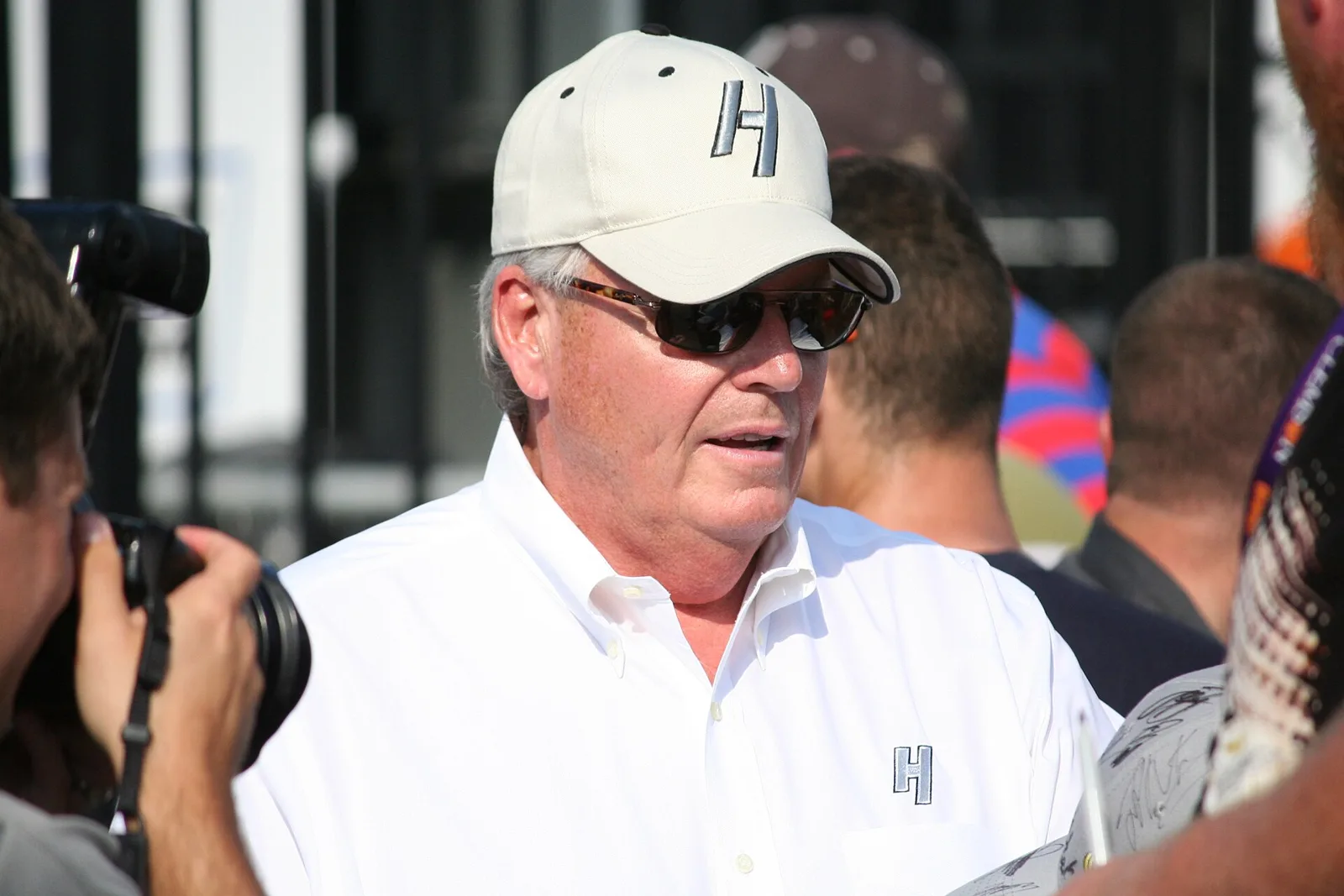
Kevin Harvick won the longest NASCAR race of its time after Dale Earnhardt Jr. ran out of fuel on the final lap, a result that turned on how each team had managed its tanks.
The 2011 Coca-Cola 600 was the 52nd running of the race and was held at Charlotte Motor Speedway on 29 May 2011. Kevin Harvick won after Dale Earnhardt Jr. ran out of fuel on the final lap, with David Ragan second and Joey Logano third. The race was extended to 402 laps.
Kevin Harvick won the 52nd Coca-Cola 600 at Charlotte Motor Speedway on 29 May 2011, in a race that had been stretched to 402 laps, the longest the series had run to that point. Dale Earnhardt Jr. had led the final lap but used up his fuel in the last corner, and Harvick passed him to take the win. David Ragan finished second and Joey Logano third.
When and where was the 2011 Coca-Cola 600 held?
The race was the 52nd running of the Coca-Cola 600 and a Sprint Cup event held on 29 May 2011 at Charlotte Motor Speedway, which sits in Concord, North Carolina. It was the twelfth event on the 2011 calendar. Fox televised it live from 6:00 pm EDT, and 145,000 people attended.
The event's history begins with Curtis Turner, the driver who built the speedway and conceived the race. NASCAR first held it in 1960 to compete with the Indianapolis 500 and staged it as a Memorial Day weekend event. The two races shared the same day from 1974 onward.
Many drivers rank it among the sport's most important events, with the Daytona 500 and the Brickyard 400, and the Southern 500 sits in the same group. It is also the longest race in distance on the NASCAR calendar, which puts a premium on fuel and tyre management.
Charlotte is one of ten intermediate tracks that hosts NASCAR. Its quad-oval measures 1.5 miles (2.4 km) and is paved in asphalt, with turns banked at 24 degrees and both straights banked at five degrees. The venue has seats for 140,000 spectators, and the race runs from late afternoon into the evening, so teams must adapt to changing track conditions.
A 402-lap race ended with a fuel-starved leader and a win that came down to the last corner.
Why was the 2011 race longer than its scheduled distance?
The race was scheduled for 400 laps but was extended by two laps to 402, a distance of 603 miles (970 km). That made it the longest race the series had run up to then, and the extra laps changed the fuel arithmetic for every team in the final stint.
The change came late enough to matter. Several drivers had planned their fuel for a 400-lap finish, and the extension meant that those plans had to be stretched further. Dale Earnhardt Jr. said afterwards that he tried to save as much fuel as he could, but that he did not save enough.
Kahne also tried to race without refuelling in the closing laps. That gamble put him at the head of the field on the final restart, although his car was passed one lap later, which shows how much depended on the last few stops.
What were the standings before the race?
Carl Edwards led the Drivers Championship with 416 points before the race, Jimmie Johnson was second with 392 points, and Kyle Busch third with 379. Johnson, 24 points adrift, was the closest challenger at that point. Kyle Busch was 15 points ahead of Earnhardt Jr. and 17 points ahead of Kevin Harvick, who sat in fifth.
In the Manufacturers Championship Chevrolet led with 74 points, a three-point margin over Ford. Toyota sat on 60 points, 37 clear of Dodge in the fight for third place. The defending winner was Kurt Busch, who gave the event a recent champion to measure against.
The points picture was close near the top, and a single good finish could move a driver several places. That tight order encouraged teams to take risks with strategy during the race, especially when fuel was involved.
How did practice and qualifying set the grid?
Practice ran over three sessions, starting with a 90-minute session on Thursday and followed by two sessions on Saturday of 45 and 60 minutes. Jeff Burton was quickest in the first session with 28.635 seconds, 0.084 seconds faster than Edwards, and Reutimann topped the final session at 29.271 seconds.
Forty-eight cars entered qualifying, but only forty-three could race. Brad Keselowski took his second career pole at 28.112 seconds, with A. J. Allmendinger alongside him on the front row. Edwards qualified third, Hamlin fourth and Burton fifth.
Johnson, Reutimann, Ragan, Ricky Stenhouse Jr. and Clint Bowyer completed the top ten. Five others, including Andy Lally and Scott Riggs, missed the race.
Keselowski said afterwards that he wanted to add his name to the list of winners of the race, and he called the pole the first step toward doing so.
How did the early laps unfold?
Keselowski kept the pole through the first lap, but Edwards passed him on the 8th lap to take the lead. Allmendinger passed Keselowski for second on the 24th lap, while Edwards led Allmendinger by 2.6 seconds at the 37th lap. That margin grew to 4.4 seconds by the 68th lap.
Early on, several drivers caught trouble. Ricky Stenhouse Jr. collided with the wall on the 8th lap, and Mike Skinner also hit the wall two laps later. Clint Bowyer moved up to eighth, and Jeff Gordon climbed to eighth by the 12th lap.
Reutimann and Truex Jr. pitted on the 42nd lap, one lap before Allmendinger, while Johnson, Gordon and Earnhardt Jr. made their stops two laps later and Edwards took the lead.
How did the first caution change the order?
A caution on the 74th lap for debris on the track brought most of the leaders onto pit road. When racing resumed on the 79th lap, Burton was in front, ahead of Edwards, Hamlin, Kenseth and Johnson. Hamlin passed Edwards for second on the following lap, and the order shifted again quickly.
Johnson passed Burton for second on the 82nd lap and Kenseth moved up to third on the 85th lap. The second caution came after Bobby Labonte spun sideways, and most of the leaders again chose to pit under it.
On the restart Ragan took the lead, but Kenseth passed him on the 108th lap. Edwards then passed Montoya for fourth on the 112th lap, and by the 125th lap Kenseth had built a lead of 3.7 seconds over Hamlin.
What happened in the middle and late stages?
Reutimann pitted on the 145th lap to start a pit session that lasted four laps, and Ambrose moved up to fourth on the 151st lap after passing Ragan. On the 160th lap Kurt Busch reported a loose wheel and pitted at once, and eight laps later McMurray moved into eighth.
The third caution on the 171st lap was for debris. At the 175th lap restart Ambrose took the lead, ahead of McMurray and Montoya, and McMurray then took first place before Kenseth reclaimed it on the 181st lap.
McMurray's engine failed on the 181st lap, which triggered the fourth caution. A fifth caution followed after Casey Mears and Landon Cassill collided, and Kenseth then led by 2.5 seconds over Ambrose on the 213th lap.
Johnson moved up to 11th in that stint, and Earnhardt Jr. passed him for fifth on the 250th lap. Kenseth passed Hamlin for third by the 275th lap, and the race settled into a tight group of leaders.
Menard hit the wall on the 240th lap restart and brought out the seventh caution. Kyle Busch led the 287th lap restart, and the ninth caution followed when David Starr hit the wall. A tenth caution came when Cassill drove onto the infield grass near the front straight.
Under the tenth caution Hamlin replaced a carburetor. On the 301st lap Martin, Newman and Gilliland collided and brought out the eleventh caution, and Jeff Gordon took the lead during those stops.
Kurt Busch's loose wheel on the 160th lap forced an immediate stop. Kenseth's climb back through the field in the later stages was one of the stronger runs of the afternoon, and it carried him to third by the 275th lap.
Biffle moved up to seventh on the 314th lap as Logano and Stenhouse Jr. hit each other and then the wall. Four laps later Kyle Busch spun sideways and brought out the twelfth caution, and on the 351st lap Biffle passed Gordon to take the lead.
How did Harvick win the race?
Johnson's engine failed on the 396th lap and brought out the fourteenth caution. Kahne had tried to race without refuelling, and he led the 400th lap restart. Earnhardt Jr. went back in front a lap later, but on the final lap he used up his fuel in the fourth turn, and Harvick passed him to win.
With seven laps to go, Kenseth and Gordon pitted for fuel, while Kahne chose to stay out and race on what he had. That split in strategy was the key tension of the final stint, because a driver who could stretch a tank kept track position, while one who stopped gave some of it up.
Harvick's win was his third of the season, and it put him ahead of Ragan and Logano at the line. Earnhardt Jr., who had been leading, dropped to seventh after running dry, and the finish was one of the most discussed moments of the year.
Harvick said afterwards that the car had been terrible all day and that he had griped about it for hours. Richard Childress said his team did not want to win at Earnhardt's expense, and he said the team's spotter had called out Earnhardt's fuel trouble as the finish approached.
Earnhardt Jr. said that a win would have been a gift, and that he was disappointed not to win but happy with the way his team had run the race.
Who finished where at the front?
The finishing order was decided on the last lap. Harvick took the win ahead of Ragan and Logano, while Earnhardt Jr. dropped to seventh after using up his fuel in the closing corner. The table below lists the leading finishers along with notes from the race.
| Finish | Driver | Note |
|---|---|---|
| First | Kevin Harvick | Richard Childress Racing, third win of 2011 |
| Second | David Ragan | Second place, 0.703 seconds behind |
| Third | Joey Logano | Third place at the finish |
| Seventh | Dale Earnhardt Jr. | Led the final lap, then ran out of fuel |
Harvick climbed to second on 409 points, 36 adrift of Edwards and a single point clear of Johnson in third. Earnhardt Jr. was fourth on 402 points and Kyle Busch fifth on 392.
Chevrolet kept the lead in the manufacturers' standings with 83 points, ahead of Ford on 77, Toyota on 64 and Dodge on 40. The race ran for four hours, thirty-three minutes and 14 seconds, and Harvick won by 0.703 seconds.
What did the race mean for the season?
The race drew 145,000 people to the speedway, and 10.1 million viewers watched on television. The extra two laps made the event a longer test than planned, and the finish came down to the fuel left in the final corner.
For Harvick the win was a reminder that a car he had disliked all day could still win at Charlotte. For Earnhardt Jr. it was a reminder that fuel management can be decisive over the last few laps, even for a driver who had led most of the way.