
Montoya took pole, rain reshaped the race and Michael Schumacher came through from second to win for Ferrari at Silverstone.
The 2002 British Grand Prix was won by Michael Schumacher, who started second for Ferrari on a rain-affected Silverstone track. Barrichello finished second and Montoya third. It was the tenth round of the 2002 World Championship and Schumacher's seventh win of the season.
The 2002 British Grand Prix was a Formula One race held at Silverstone in England on 7 July 2002, and it turned out very differently from the qualifying session that came before it. Juan Pablo Montoya took pole, but a rain shower that grew heavier during the race gave Michael Schumacher the chance he needed. The win kept Ferrari firmly in control of the championship.
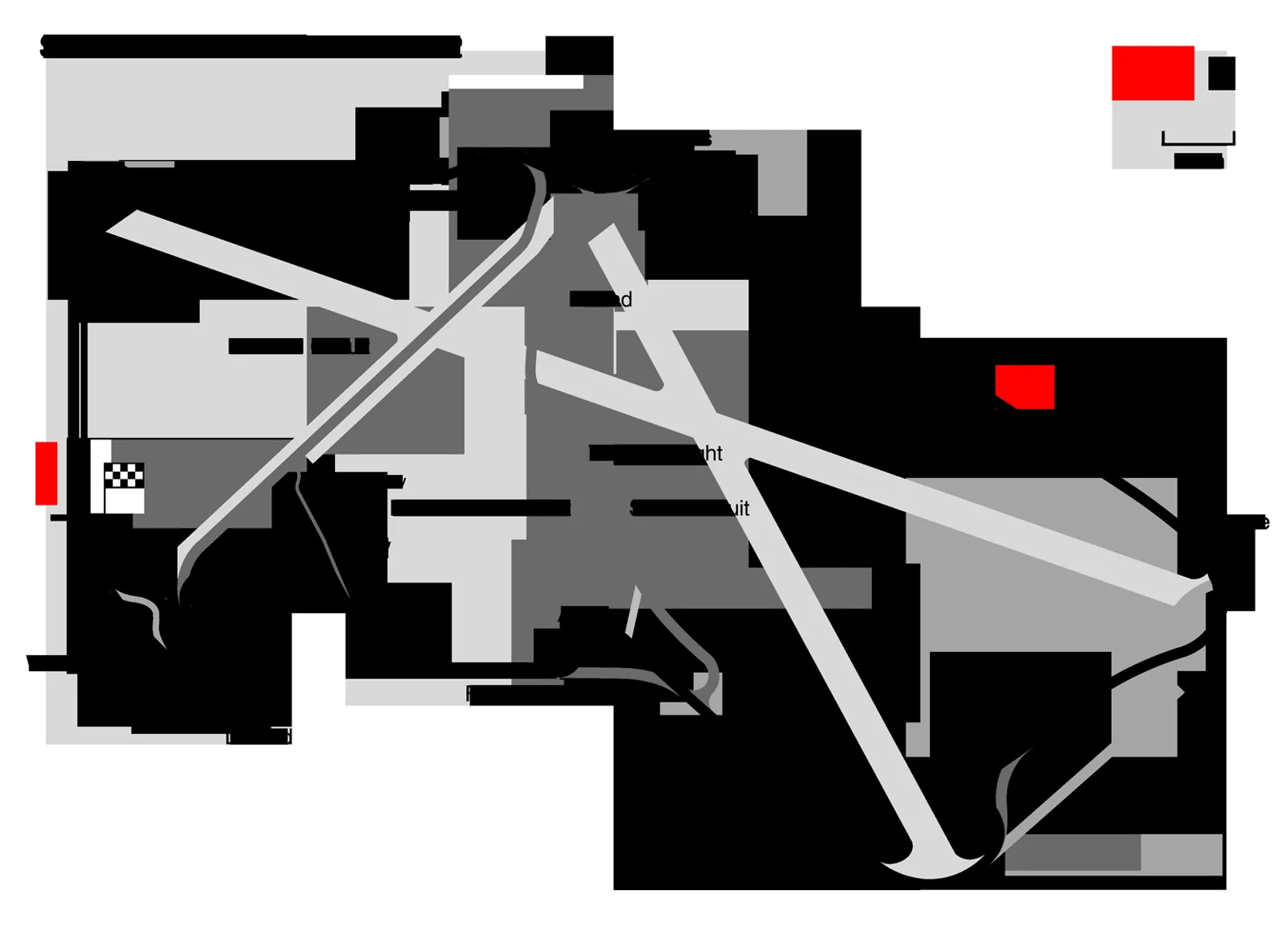
The race was the tenth of seventeen rounds in the 2002 World Championship and the 53rd British Grand Prix to count towards the title since 1950. The Silverstone Circuit measures 5.141 km (3.194 mi), and the organisers capped attendance at 60,000 to show the authorities that the new access roads could cope with the crowd.
Who won the 2002 British Grand Prix?
Michael Schumacher won the 60-lap race for Ferrari after starting from second on the grid. Rubens Barrichello finished second, 14.578 seconds behind, and Juan Pablo Montoya took third for Williams. It was Schumacher's seventh win of the season and his 60th in Formula One.
Barrichello's start was the first problem for Ferrari. He stalled on the formation lap, and although the team fitted a replacement steering wheel, he had to start from the back of the grid. That moved Schumacher up to second and left Montoya on pole with a clear view of the first corner.
Montoya led the early running. The rain grew heavier as the race went on, and Schumacher got past him for the lead. Schumacher then pulled away and never gave the position back. Barrichello lost control of his Ferrari halfway through but recovered to take second, and he had already passed Montoya for second earlier in the race.
A rain-hit Silverstone turned a Montoya pole into a Schumacher win and widened Ferrari's lead at the top of the table.
How did qualifying shape the grid?
Montoya took pole position with a lap of 1:18.998, the only lap under 1:19 all weekend. It was his fourth successive pole of the season and the eighth of his career. Barrichello qualified second, just 0.034 seconds behind.
Michael Schumacher was third after using most of his allowed laps. He changed the front and rear wings to improve the balance of his Ferrari, but he made an error on his last run and could not improve. Ralf Schumacher was fourth, and McLaren occupied the third row of the grid.
Raikkonen was fifth after losing engine power when a cylinder bank failed on his second run. He switched to the spare car for the rest of the session, and his fastest time came in the final seconds. Coulthard abandoned his last run because of oversteer and started sixth, with Trulli seventh and Salo eighth. Salo's result was Toyota's best qualifying position of the season.
Further down, Villeneuve took ninth and Heidfeld tenth. Massa was 11th, and Button qualified 12th in the spare Renault R202 after his engine failed on his first fast lap. Yoong's Minardi did not get within the 107 per cent limit, and the stewards refused his entry, which left 21 qualifiers for the race.
What technical changes did the teams bring to Silverstone?
Jaguar arrived with the R3B, a heavily revised version of its aerodynamically efficient R3, while Renault debuted new bodywork and McLaren received a more powerful Mercedes-Benz engine. Williams used a smaller rear engine cover, which suited the BMW engine because it needed to shed less heat than the others.
The R3B was a total aerodynamic redesign rather than a simple update. It carried redesigned front and rear wings, a new extractor profile, changed rear suspension and new screens behind the front wheels.
Renault's new bodywork was the most visible change at Silverstone, and the team tested it alongside its existing set-up during the weekend. The changes gave the teams a range of options for the rain, with the drivers adapting their set-ups around the shifting track.
What happened in practice before the race?
Practice took place in cold, wet and changeable conditions. Barrichello was fastest on Friday morning on intermediate tyres at 1:33.531, and he went quicker still in the afternoon with a best of 1:31.457. Teams had to adjust their set-ups for a surface that was drying in some places and flooding in others.
Michael Schumacher spun on his first out-lap and stalled the car, which cost him set-up running for the rest of the session. Montoya's engine failed on the Hangar Straight after only six laps, and Panis ended up stuck in the gravel at Brooklands. By Saturday the track had dried, and Michael Schumacher set a fast lap of 1:20.750 in the third session.
How did the rain change the race?
Rain fell after the first lap and grew heavier, and drivers began changing tyres at the end of lap 13. Bridgestone runners used intermediates while Michelin runners chose full wet tyres, and the choice had a clear effect on the front of the field.
On lap 16 the difference showed. Montoya lost cornering grip on his Michelins, ran wide at Abbey, and Schumacher slipped past on the inside to take the lead. From then on the Ferrari pulled steadily clear, and the Williams had no answer on the slippery surface.
The track began to dry again around lap 23. Coulthard made an unexpected stop for dry tyres on lap 24, catching McLaren's crew out, so the refuelling hose took time to connect. Raikkonen came in for dry tyres on lap 25, and Renault brought in both of its drivers on lap 26.
Heavy rain returned on lap 28, and the strategy problems continued. Ralf Schumacher's stop on lap 32 suffered a fuel nozzle failure, and he dropped from fourth to eighth. Ferrari completed their second stops on laps 33 and 34, and they stayed first and second. BAR team principal David Richards used a helicopter above the circuit to receive weather forecasts and advise the team on when to pit.
Did the Arrows team nearly miss the race?
Yes, the Arrows team came close to missing the event. Debts to its engine supplier Cosworth, a legal action from former driver Jos Verstappen over his dismissal and a dispute over possible backing from Red Bull all put its participation at risk.
The FIA allowed Arrows an extension to present its cars for scrutineering on Friday morning, after the team missed Thursday afternoon's usual deadline. The team passed the check, so its place in the entry stayed in place.
The matter was not fully resolved until the day before the race. Cosworth's managing directors and Arrows owner Tom Walkinshaw agreed a payment for a supply of engines for the Grand Prix, which let the team take to the track at Silverstone.
Which drivers retired and why?
Several cars failed in the race, and most of the retirements came from mechanical problems rather than crashes. Salo retired on lap 17 with a drivetrain failure, and Frentzen followed on lap 20 when his engine gave up. Bernoldi's drivetrain failed on lap 31 and Trulli's electrical fault ended his race on lap 32.
The later retirements were Sato on lap 53 with an engine failure and Button on lap 57. Button brought his car into the pit lane after realising that his front-left wheel was shifting and could come off altogether. Raikkonen had also retired after his engine failed at the exit of Club turn.
Only 11 of the 21 qualifiers were still running at the flag, which made the race one of the harder ones of the season to finish.
| Position | Driver | Team | Result |
|---|---|---|---|
| 1 | Michael Schumacher | Ferrari | Winner after starting second |
| 2 | Rubens Barrichello | Ferrari | 14.578 seconds behind |
| 3 | Juan Pablo Montoya | Williams | Pole sitter who led the first 15 laps |
| 4 | Jacques Villeneuve | BAR | First BAR points of the season |
| 5 | Olivier Panis | BAR | Second BAR car in the points |
| 6 | Nick Heidfeld | Sauber | Sixth despite tyres he felt were below temperature |
| 7 | Giancarlo Fisichella | Jordan | Battled Heidfeld in the closing laps |
| 8 | Ralf Schumacher | Williams | Fuel nozzle failure dropped him to eighth |
| 9 | Felipe Massa | Sauber | Spun several times during the race |
What did the result do to the championship?
Schumacher's win extended his lead in the drivers' championship to 54 points. Barrichello moved from equal fourth into second place, and Montoya kept third. Ralf Schumacher, who failed to score, dropped down the table as a result.
In the constructors' championship, Ferrari extended their lead over Williams to 57 points. McLaren stayed third with seven races left in the season, while Renault and Sauber remained fourth and fifth. The gap between Ferrari and everyone else had become hard to close.
Ross Brawn, Ferrari's technical director, said that Ferrari might win the drivers' title at the French Grand Prix, but that the team's main focus was on winning races.
Did the tyres decide the race?
Tyre choice was the story of the afternoon. Michelin's Pierre Dupasquier defended his company's wet tyres after several drivers said Bridgestone's had performed better. He pointed to the so-called Ferrari phenomenon, in which the red cars were said to be three to four seconds a lap quicker than rivals on the wet surface.
Other drivers were less forgiving. A Michelin-shod team engineer said that Dupasquier was deluding himself, and Michelin's technical side admitted that the right tyre had not been offered for the weather. For Ferrari, the Bridgestone choice was a clear winner.
McNish had a difficult afternoon as well. His clutch failed at the start, and he said afterwards that the weekend had been a big disappointment, in the same way as the season-opening race in Australia.
Why does the 2002 British Grand Prix still matter?
The race matters because it showed how quickly fortunes could change in mixed conditions, and because it extended Ferrari's advantage at the top of both championships. Montoya had the pace on a dry track, but Ferrari's timing and tyre strategy won the afternoon.
BAR also scored their first championship points of the season, with Villeneuve fourth and Panis fifth. Villeneuve said the team had finally been competitive, and Richards said that sticking with the job would bring results. For a team that had struggled, the points were a real boost.
Coulthard finished tenth and described the afternoon as a poor one for McLaren from start to finish. The race was difficult for almost everyone who lost places in the rain, and the lessons about tyre choice and pit timing carried into the rest of the season.