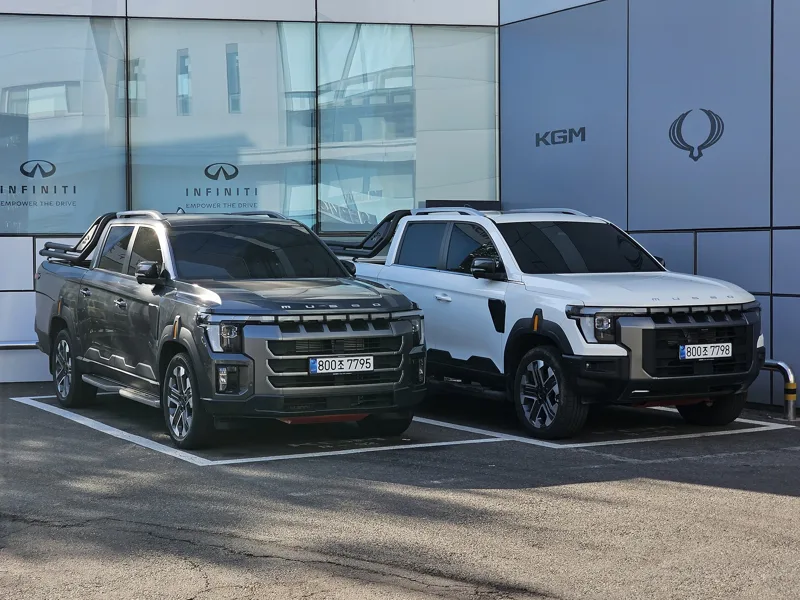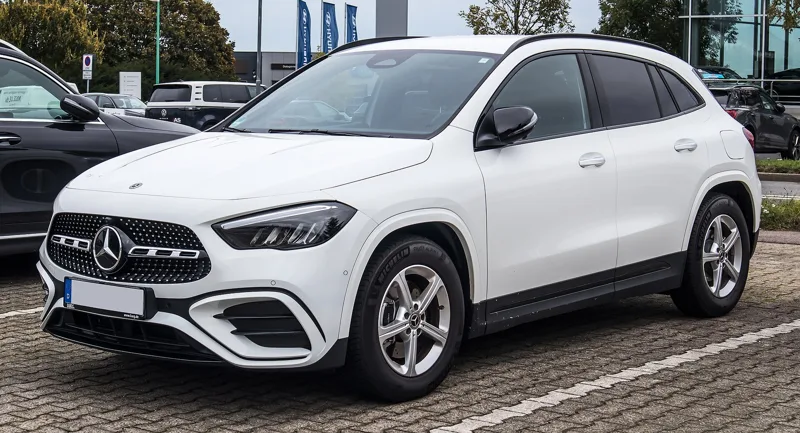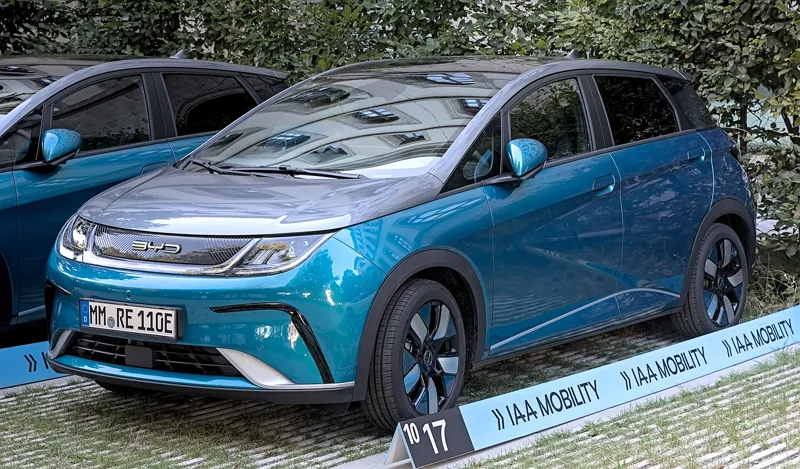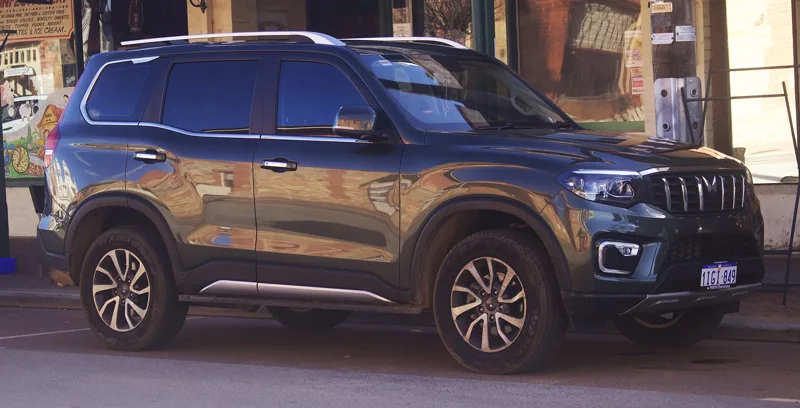
A South Korean SUV maker that began as Dong-A Motor in 1954, passed through Daewoo, SAIC and Mahindra, and was rebuilt under the KG Group as KG Mobility.
KG Mobility, usually called KGM, is a South Korean SUV maker whose roots lie in Dong-A Motor, founded in 1954. It was called SsangYong from 1988, passed through Mahindra and entered receivership in 2020, and became KG Mobility after the KG Group takeover in 2022.
KG Mobility, usually abbreviated KGM, is a South Korean carmaker whose history runs from a 1954 workshop through several owners and two name changes. Its products have been mainly sport utility vehicles, and the company is now moving toward electric models. This guide follows the marque from its Dong-A roots through the SsangYong years, the Mahindra era and the KG Group takeover.
Where did the company's roots lie?
The business began as two separate firms. Ha Dong-hwan Motor Workshop was established in 1954, and Dongbang Motor Co followed in 1962. The two merged in mid-1963 as Ha Dong-hwan Motor Co, and by 1964 the company was building jeeps for the US Army along with trucks and buses.
From 1976 the company produced a range of special purpose vehicles. It adopted the name Dong-A Motor in 1977, and it took control of Keohwa in 1984 before the SsangYong Business Group acquired it in 1986.
From a 1954 workshop to a rebuilt SUV maker, the company has changed owners and names more often than most carmakers.
What role did the Keohwa Jeep licence play?
Keohwa built Jeeps under licence in South Korea, largely for overseas sale. Its independence arrived in 1981, after American Motor Corporation exited the venture and gave up the Jeep trademark.
Keohwa began naming its Jeeps Korando in 1983. In 1984 the firm passed to the forerunner of SsangYong Motor, giving the group a route into off-road vehicles before its own SUVs appeared.
How did SsangYong Motor take shape?
After Dong-A Motor was taken over by the SsangYong Business Group, the company was renamed SsangYong Motor in 1988. A year earlier it had bought Panther Westwinds, a UK specialty car maker, which gave it a foothold in a small but distinctive corner of the market.
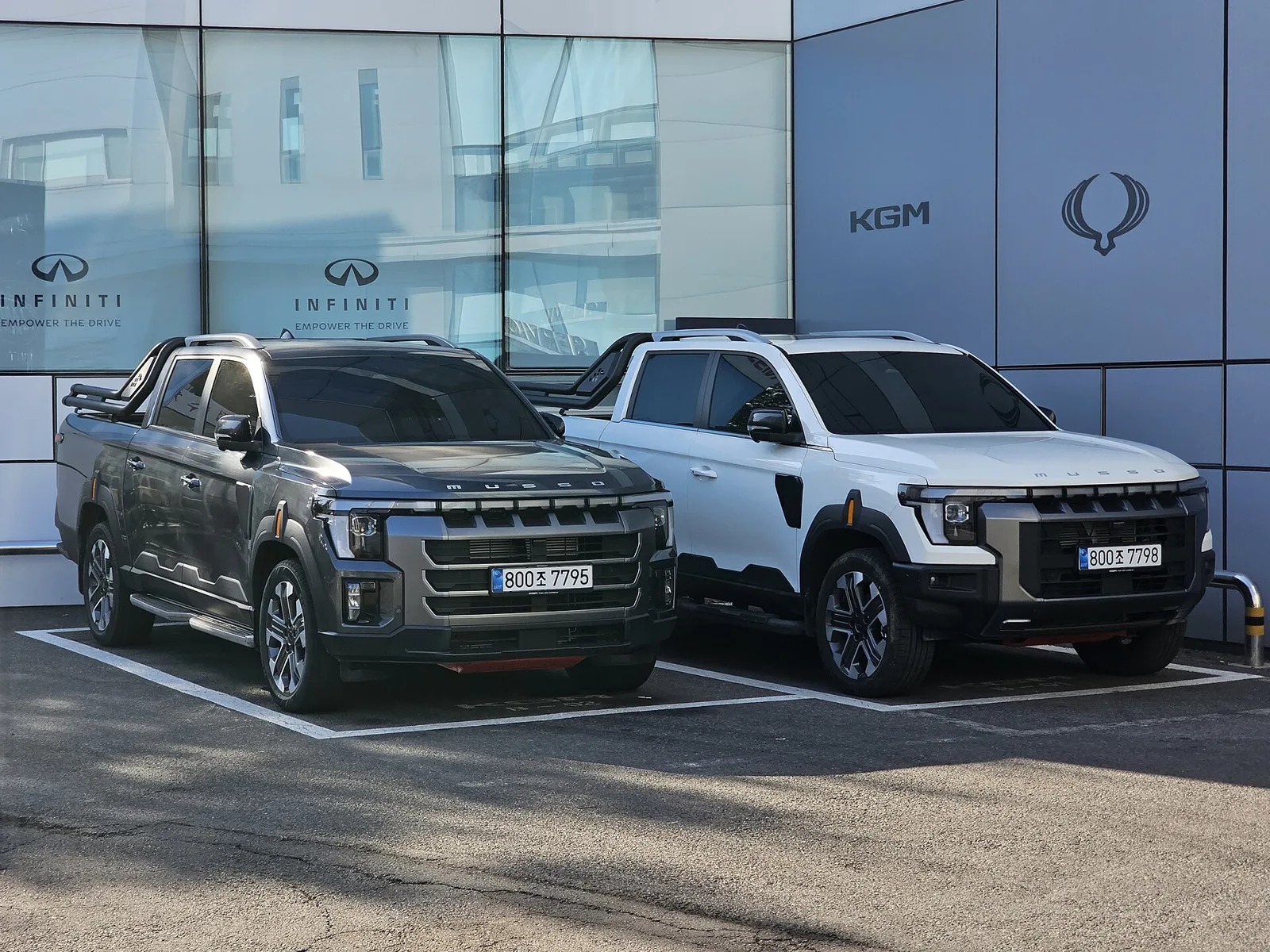
A 1991 technology partnership with Daimler-Benz was designed to give SsangYong a sport utility vehicle built with Mercedes-Benz technology. It also let the group reach new markets through existing Mercedes-Benz networks, and it produced the Musso, which was first sold by Mercedes-Benz and later by SsangYong.
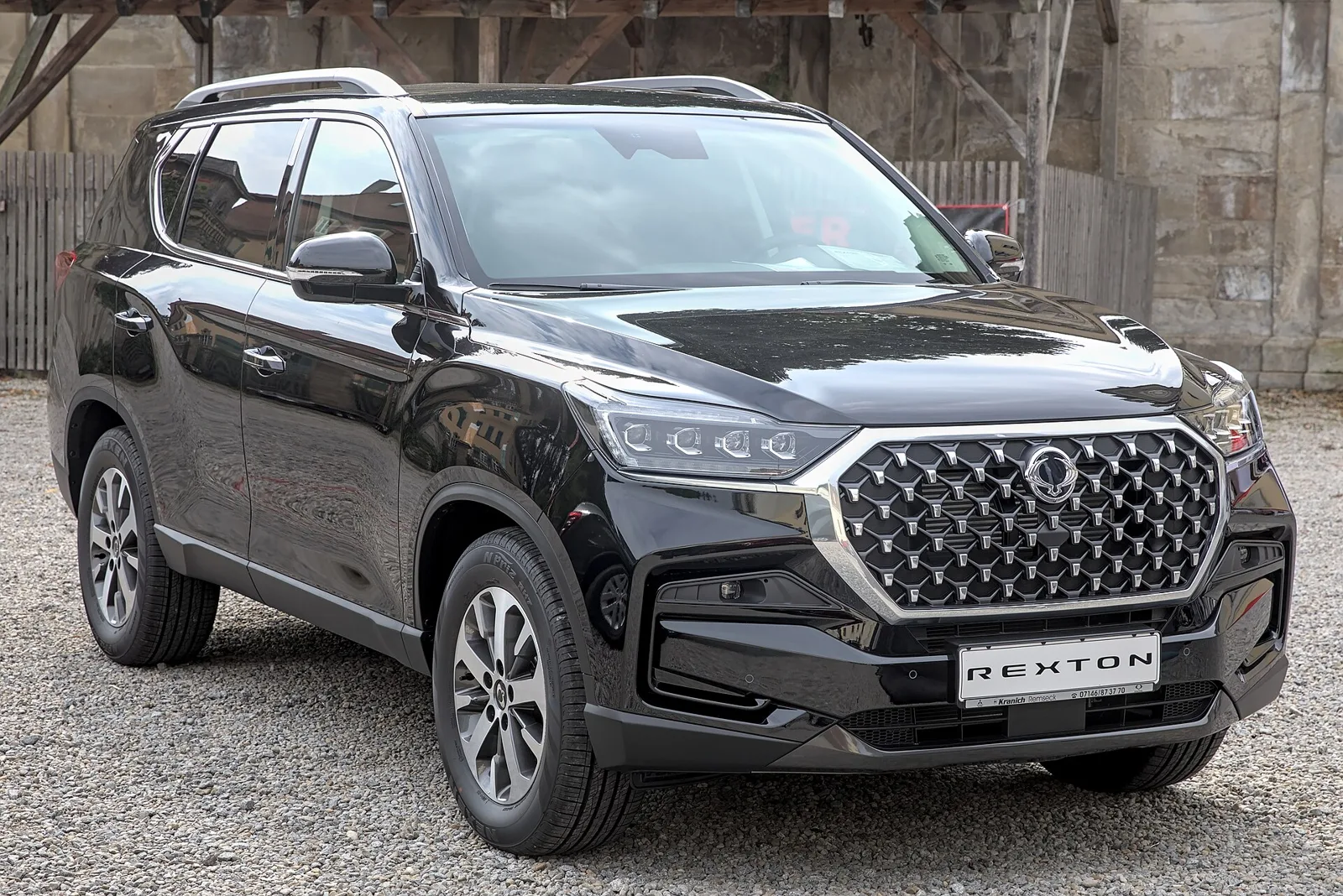
The alliance continued for years. SsangYong used Daimler designs in several models, including a badge-engineered version of the Mercedes-Benz MB100 called the Istana, the second-generation Korando, the Rexton, the Chairman H and the Kyron.
What happened under Daewoo and SAIC?
In 1997 the SsangYong Group sold a controlling interest to Daewoo Motors, a firm later renamed GM Korea. The stake was sold again in 2000, because the conglomerate had run into deep financial trouble.
In late 2004 the Chinese manufacturer SAIC took a 51 percent stake in SsangYong Motor. The arrangement soon ran into trouble, and a seven-week strike in 2006 targeted SAIC's proposal to cut 554 staff.
The strike cost the company 380 billion won, and the settlement ended with workers accepting a wage freeze. The episode showed how fragile the relationship had become between the Korean workforce and its Chinese owner.
Why did the company enter receivership in 2009?
In January 2009 the company recorded a $75.42 million loss and was put into receivership. Management wanted to shed 2,600 posts, roughly a third of staff, and workers at the main factory barricaded themselves inside in protest.
The dispute ran for 77 days before production resumed. Company employees and analysts blamed SAIC for technology transfers, although SAIC denied the allegations. The South Korean prosecutor's office later charged SAIC over the transfer of proprietary technology developed with state funding.
In 2010 General Motors ended its relationship with Daewoo Motor Sales, and that dealer network signed a deal with SsangYong to sell the Rodius, Chairman W and Chairman H. The injection of money from that deal helped the company recover from its bankruptcy period.
How did Mahindra take control?
In April 2010 the company said that three to four local and foreign companies were interested in acquiring it, and its shares rose sharply on the news. Mahindra and Mahindra was chosen as preferred bidder in August 2010.
Mahindra paid US$463.6 million, and the deal closed in February 2011. The deal turned SsangYong into a subsidiary of the Indian group, which then had to decide how to fund its growth.
In 2015 SsangYong and KB Capital set up SY Auto Capital as a financial affiliate, with SsangYong holding 51 percent. That year also brought the Tivoli, the first model developed after Mahindra's arrival, and a year later the company posted its first profit for nine years.
Sales improved as the Tivoli found buyers. In 2017 the company sold 106,677 units at home and 37,008 abroad, its best total in years, although the domestic peak of 131,283 units in 2003 remained the high-water mark.
The Tivoli contributed over 50,000 domestic sales in 2017 alone. The Mahindra XUV300, launched in 2019, was built on the Tivoli's platform and shared many of its parts, including several metal sheets.
Why did the Mahindra era end?
Mahindra cut funding to SsangYong because of outstanding debt, and in December 2020 the company filed for receivership. It owed a total of 315.3 billion won in overdue debt to financial institutions, the equivalent of US$285 million.
Mahindra's position became unsustainable as the debt grew. The company was still a Mahindra subsidiary in name after the filing, but in practice the group no longer controlled it.
What went wrong with the Edison Motors deal?
In October 2021 it was reported that the company would be acquired by Edison Motors, an electric bus and truck maker. The plan also envisaged North American sales and an end to fossil-fuel output by 2030.
The Korean courts approved the plan in January 2022, but the company remained in receivership until the deal closed. In March 2022 the takeover was cancelled because Edison Motors failed to make the acquisition payments for that month.
Meanwhile a December 2021 agreement with the Chinese manufacturer BYD aimed to co-develop battery systems for the company's first electric car, the U100, which was due to launch in 2023.
How did the KG Group take over?
In June 2022 the Seoul court picked a consortium headed by KG Group as the last bidder standing. The bid valued the company at 900 billion won, or $699.5 million, and the court was keen to close the sale.
The Free Trade Commission approved the KG Group's acquisition of a 61 percent majority stake in August 2022. In September the court agreed to the receivership exit plan, which included new shares issued to pay creditors.
The receivership exit was approved on 11 November 2022, finalising the consortium's acquisition after a series of delays.
Why was the SsangYong name dropped?
In December 2022 chairman Kwak Jae-sun announced that the SsangYong name would be dropped completely by March 2023. The change was meant to avoid the negative perception that the old name had built up, and to start afresh under a new brand.
The rename to KG Mobility took effect in March 2023, and SY Auto Capital was relabelled KG Capital. The brand was retained in some markets, including Australia and Turkey, where the company still uses Ssangyong branding.
What trademark problems did KGM face?
In November 2023 the Korean Intellectual Property Office turned down the brand's registration request, since a trademark holder who was not using the name already held it in around 30 countries. The company appealed, and it said it would keep using the KGM name overseas until further notice.
In June 2024 the company reported difficulties with the three-letter abbreviation KGM. The Turkish patent office refused the registration because a government agency already used the same acronym, and an Austrian motorcycle maker objected to the Korean application.
What has the company done since the rename?
KG Mobility has signed knock-down kit assembly contracts with partners in several markets. A deal with a Saudi company was signed in 2022, a contract with NGT of the United Arab Emirates followed in January 2023, and a third with Kim Long Motors of Vietnam came in March 2023.
In April 2023 the company launched KG S&C, a vehicle parts and conversion division. It also set up a sales subsidiary in Germany in August 2024 to strengthen its European operations, and in October 2024 it signed a strategic partnership with China's Chery Automobile.
In 2026 the company announced plans to enter the Myanmar market with the SSS Group, and it said the expansion would extend its business to Saudi Arabia and Vietnam.
Who owns KG Mobility now?
The controlling shareholder is KG ETS, a KG Group affiliate, which holds 58.84 percent of the company. KG ETS is barred from selling its holding to outsiders until April 2026.
KG Inicis acquired a 55 percent stake in KG Capital in May 2023, after buying out the KB Capital holding and a small share of KG Mobility itself.
Where are the company's plants?
The head office is in Pyeongtaek, South Korea, and the research and design centres are based there too. The main factory is also in Pyeongtaek, a site built in 1979 that covers 850,000 square metres.
The Changwon plant makes engines and parts. In 2021 the company began reviewing a move of the main factory, and by 2024 it planned a new facility with capacity for 300,000 vehicles a year, fully operational by 2028.
Who has led the company?
Ha Dong-hwan led the company from 1954 to 1979, and a long line of chief executives followed through the SsangYong era. Lee Yoo-il served from 2009 to 2015, and Choi Johng-sik from 2015 to 2019.
The current leadership is Hwang Ki-young and Park Jang-ho, who have been in charge since 2024. Their task is to rebuild the business around electric and export growth.
What are the key figures for KG Mobility?
| Specification | Detail |
|---|---|
| Origin | Dong-A Motor, established 1954 |
| SsangYong Motor name | 1988 |
| Mahindra purchase | Completed February 2011 for US$463.6 million |
| Receivership | December 2020, 315.3 billion won of debt |
| KG Group price | 900 billion won, 61 percent stake |
| Receivership exit | 11 November 2022 |
| Name change | KG Mobility, March 2023 |
| Main plant | Pyeongtaek, 850,000 square metres |
| Planned new factory | Up to 300,000 vehicles a year by 2028 |