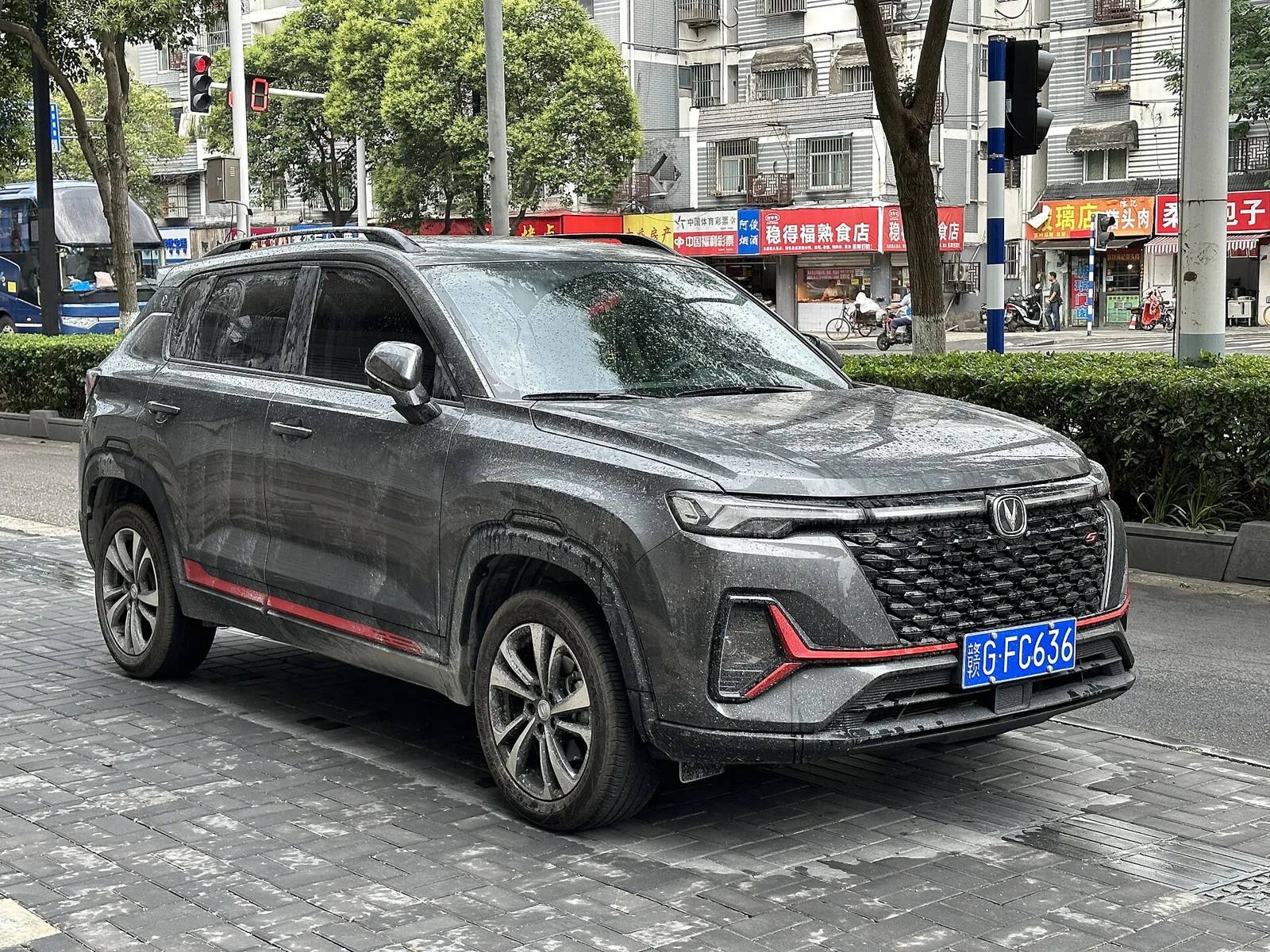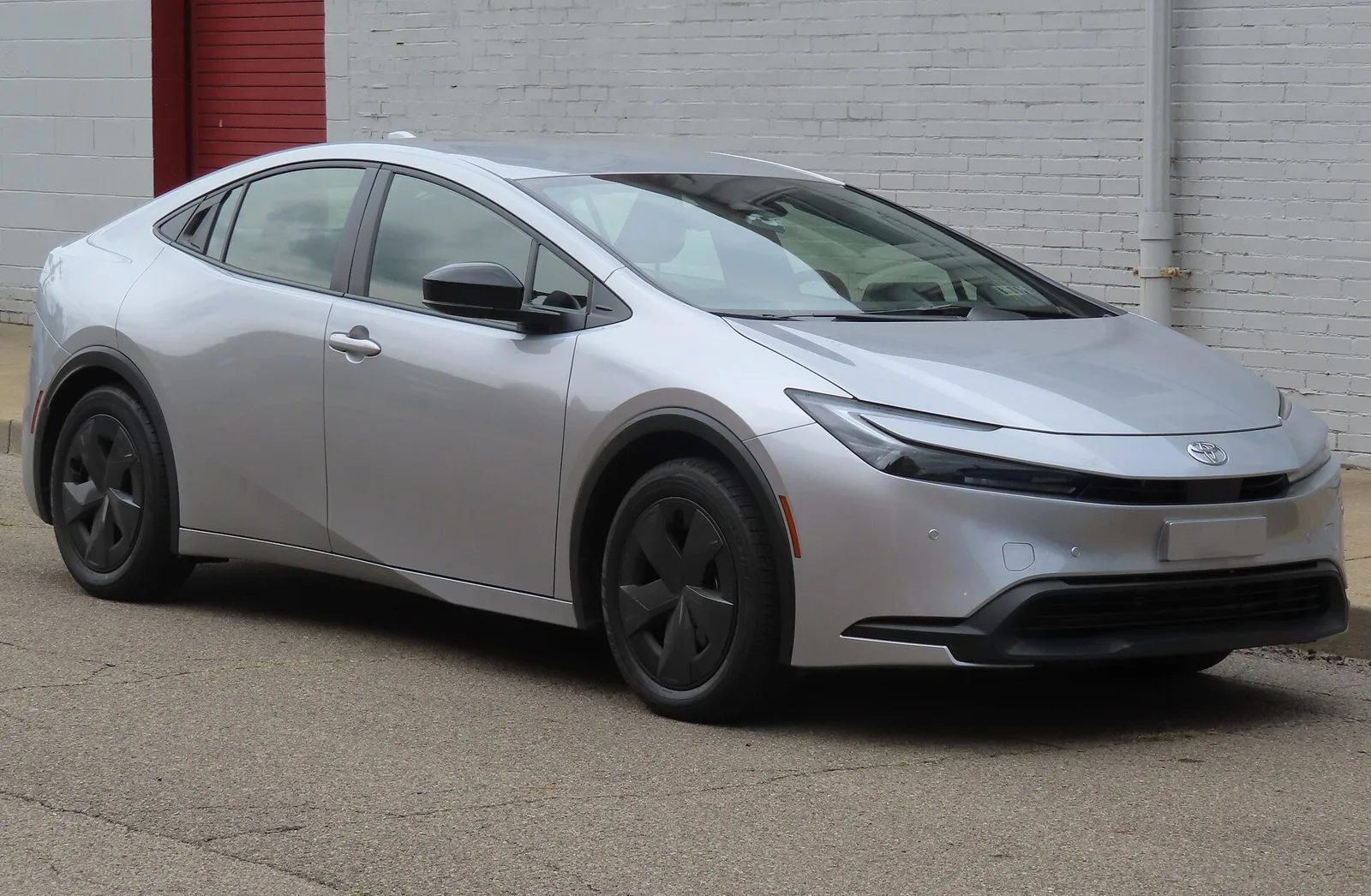
Battery-electric, plug-in hybrid and conventional hybrid cars set side by side, with the sales figures, warranty terms and trade-offs that matter.
Battery-electric cars run on a battery alone, plug-in hybrids add an engine as backup to a rechargeable battery, and conventional hybrids pair an engine with a small battery and never plug in. The best fit depends on whether you can charge at home and how far you drive.
Hybrid cars are much older than most people assume. Ferdinand Porsche's Lohner-Porsche hybrid was produced in the years around 1900. Yet it took until December 1997, when the Toyota Prius went on sale in Japan, for a hybrid to reach showrooms at scale. By April 2020 more than 17 million had been sold worldwide.
What is the difference between an EV, a plug-in hybrid and a hybrid?
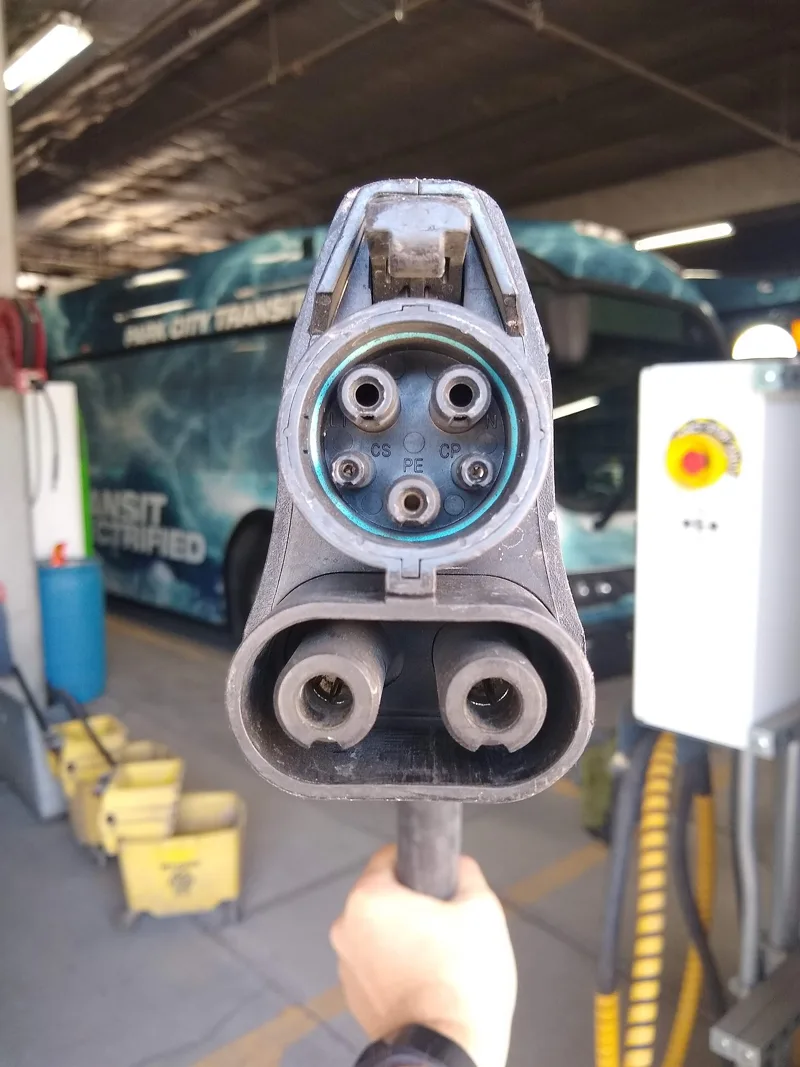
A battery electric vehicle (BEV), the car most people mean by EV, takes all its energy from an on-board battery pack and uses it to drive one or more electric motors. It has no fuel tank. It refills by plugging into a charger or the grid, or in some cases by swapping a battery. Because a BEV needs no combustion engine, it can do without a clutch, a transmission and the cooling system an engine requires.
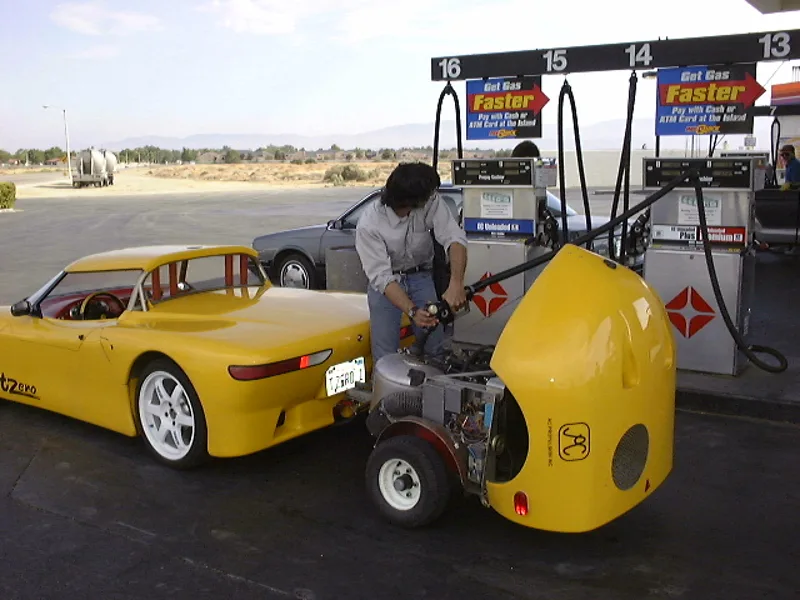
A conventional hybrid (HEV) couples a combustion engine with electric motors, with the motors intended to give better fuel economy or better acceleration. Modern ones recycle braking energy into a battery, and many shut the engine off at traffic lights. Crucially, you never plug one in. In a plug-in hybrid (PHEV), the battery is larger and can be recharged from an external socket, as well as by its own engine. It combines the traits of both.
| Area | Battery electric | Plug-in hybrid | Conventional hybrid |
|---|---|---|---|
| Energy source | Battery only | Larger rechargeable battery plus a petrol or diesel engine | Engine plus a battery smaller than a plug-in's |
| Needs a plug | Yes | Yes, to get the electric range | No |
| When the battery runs flat | Must be recharged or have its battery swapped | Engine takes over | Not applicable; engine and battery work together |
| Tailpipe emissions | None; savings depend on how electricity is generated | Can be largely emission-free on renewable power | Lower than a comparable petrol car |
| Best-known examples | Tesla Model Y, Model 3 | Mitsubishi Outlander PHEV, BYD Song DM | Toyota Prius |
| Sales scale | Model Y: estimated 3.4 million sales | BYD: over 3.6 million cumulative sales | Over 17 million hybrids worldwide by April 2020 |
For trips that fit within one charge, electric cars are practical and can be topped up overnight.
How do hybrids actually work?
There are three main layouts. In a parallel hybrid, the engine and the electric motor both connect to the transmission, so either or both can drive the wheels. Parallel systems beat comparable non-hybrids in stop-and-go urban driving, where the motor can help, and on the motorway. In a series hybrid, only the electric motor turns the wheels, and a smaller engine acts as a generator. Series cars usually carry a bigger battery, which makes them dearer, but they are efficient in heavy city driving because the engine can sit at its best settings.
The third layout, the power-split, blends both. Series systems tend to be most efficient at low speed and parallel ones at high speed, so a power-split hybrid is efficient overall, although it costs more than a pure parallel system. A controller sits between the driver and the components and decides how much power comes from each source at any moment, usually trying to minimise fuel use.
Think of it as a household with two sources of energy and a clever bill-payer. The controller spends from whichever pot is cheapest at that moment, and it tops up the battery when the car coasts or brakes.
Which is cheaper, an EV or a hybrid?
No single price comparison holds across markets, so the useful question is what pushes cost up or down. Battery size is one driver. Parallel hybrids use a small battery, series hybrids a larger one, and power-split systems cost more than pure parallel ones. A plug-in hybrid carries a bigger battery again, and early plug-ins could be pricey: the BYD F3DM, on sale from 15 December 2008, nearly doubled the price of a comparable car running on conventional fuel.
Running costs point the other way. Plug-in hybrids generally have lower operating costs than relying on the engine alone, and their motors often have higher output and torque and respond faster. Governments have also tried to bridge the price gap. In 2008 the United States passed a law giving tax credits for plug-in vehicles with a battery over 4 kWh, later raised to over 5 kWh, and the credit phased out once a maker had sold at least 200,000 vehicles.
Toyota itself found pricing hard. Its executives said the company lost money on each first-generation Prius, and broke even only with the NHW11, the first Prius sold outside Japan. The practical advice is to price the specific cars you are considering and your local charging and fuel costs rather than trust a rule of thumb.
How far can each type go, and how long does charging take?
Here the three types differ most. Energy density explains why. Lithium-ion batteries hold 0.9-2.63 MJ per litre, against 0.36 MJ/L for lead-acid, but petrol holds 34.2 MJ/L. The gap is partly offset because an electric motor is so efficient: a BEV travels roughly three times further than a similar-size combustion car on the same stored energy.
The consequence is a battery that is a large part of the car's weight and still often gives a relatively modest range between charges, and recharging can take significant time. For trips that fit within one charge, electric cars are practical and can be topped up overnight. Longer journeys are where planning matters.
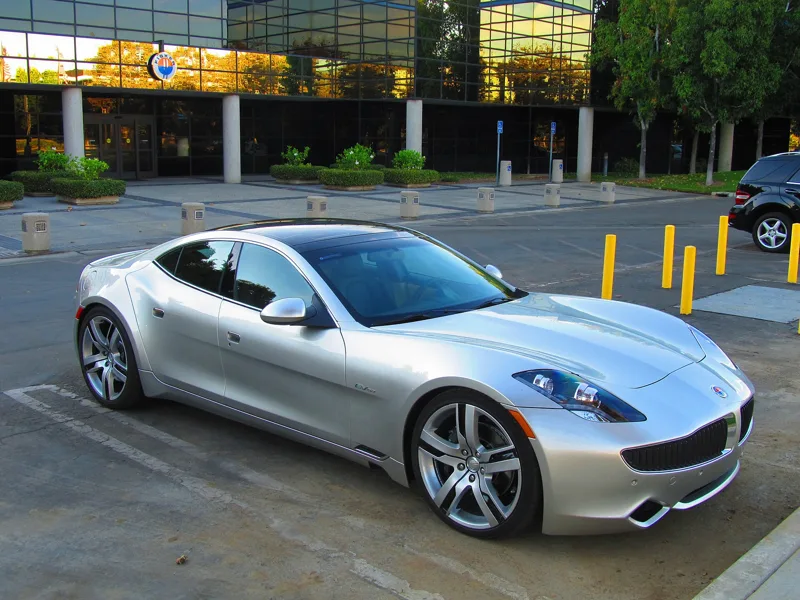
Plug-in hybrids sidestep that problem. They offer a much larger all-electric range than a conventional hybrid, and the engine acts as a backup when the battery is depleted, which eases what drivers call range anxiety, particularly where charging points are scarce. Early examples show the scale of electric range: the BYD F6 plug-in claimed 60 km (37 mi), and the Fisker Karma was planned with the same figure. Charging speeds on offer range widely, from Renault's Elect'road reaching 95% in about 4 hours to the BYD model's claim of 70% in 10 minutes. The Toyota Prius Prime, unlike its predecessor, runs entirely on electricity in EV mode.
What are range extenders and flex-fuel hybrids?
Two variations show how loose the labels can be. A range-extender car is a plug-in hybrid with a series layout, where the engine exists only to generate electricity. The Chevrolet Volt and Fisker Karma are examples, and General Motors calls the Volt an Extended-Range Electric Vehicle. China's Li Auto introduced the Li One in March 2019, with a 1.2-litre turbocharged petrol engine used exclusively to recharge the battery, and deliveries had reached 10,000 units by May 2020. A strict definition of a BEV excludes these cars, since they consume fuel to make electricity.
The other variation is the flex-fuel hybrid. Toyota do Brasil announced in December 2018 the first commercial hybrid able to run on electricity and ethanol or petrol, and the twelfth-generation Corolla launched in Brazil in September 2019 with a 1.8-litre Atkinson engine of that type. By February 2020 the Corolla Altis flex-fuel hybrid made up almost 25% of Corolla sales in the country.
Which has lower emissions?
A BEV has no tailpipe emissions, which cuts city pollution, but how much greenhouse gas it saves hinges on the way its electricity is produced. A plug-in hybrid works the same way when plugged in: it can be largely emission-free on renewable power, or it can displace emissions from the tailpipe to a fossil power station. A conventional hybrid puts out fewer tailpipe emissions than a petrol car of similar size, because its engine is usually smaller and burns less fuel, and it can run at its most efficient speed when it is not driving the wheels directly.
What does the Toyota Prius tell us about hybrids?
A lot, because it is the benchmark. The first Prius went on sale on 10 December 1997 and was the first petrol-electric hybrid built in volume. The family totalled 6.1 million sales by January 2017, which was 61% of the 10 million hybrids Toyota had sold worldwide, and the Prius is on sale in more than 90 markets, led by Japan and the United States.
For buyers worried about battery life, the second-generation warranty numbers are worth knowing. In the United States the traction battery on 2004 and newer cars carries cover of 150,000 miles (240,000 km) or 10 years in states that follow California's tougher emissions rules, and 100,000 miles (160,000 km) or 8 years elsewhere, while hybrid components carry 100,000 miles or 8 years.
The fifth generation, presented on 16 November 2022, comes with 1.8-litre and 2.0-litre engines, and a plug-in version that combines the 2.0-litre engine, a motor and lithium-ion batteries for 164 kW (220 hp). Europe saw first deliveries in early 2023, and only the plug-in was offered. It was not sold in Australia, where the shorter Corolla Hatchback Hybrid took its place.
Who is selling what right now?
Japan has the world's largest hybrid fleet, 7.5 million registered as of March 2018, which is 19.0% of the passenger cars on the road. The United States ranked second with 5.8 million sold since 1999 and Europe third with 3.0 million since 2000. Toyota leads the field with over 15 million hybrids from its Lexus and Toyota brands, as of January 2020.
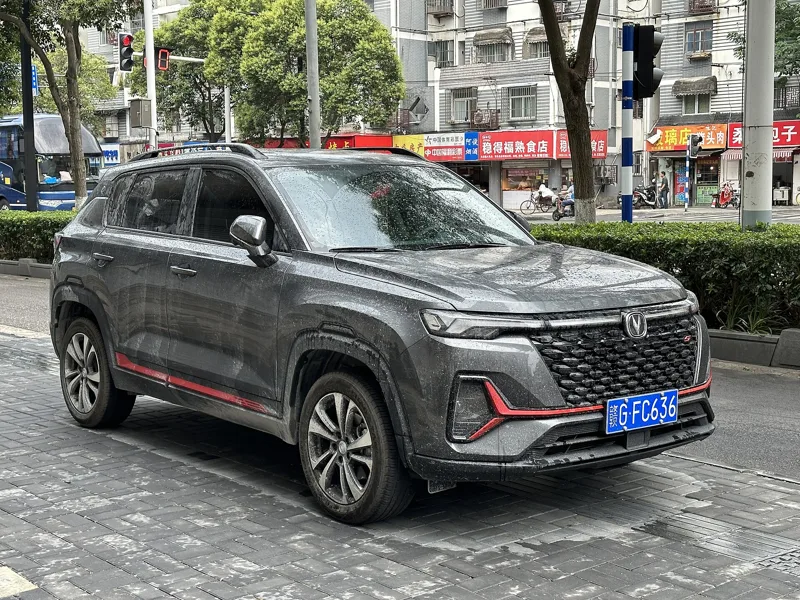
For plug-ins the centre of gravity is China. It holds 9.31 million PHEVs including range-extender models, as of December 2024. In 2024 over 76% of global PHEV sales came from the Chinese market, and the five largest producers are all Chinese: BYD, Geely, Chery, Li Auto and Changan. The picture on the electric side is led by Tesla, with an estimated 3.4 million Model Y sales as of September 2024, ahead of the Model 3 with over 2.6 million, and the Wuling Hongguang Mini EV is third on 1.4 million as of May 2024.
So which should you buy?
If you can plug in overnight and most of your trips fit within a single charge, an electric car is a practical choice. If you want mostly electric driving but must be able to cover long journeys with no planning, a plug-in hybrid keeps the engine as a backup. If you have no access to a plug, a conventional hybrid cuts fuel use without changing your habits.
Where this goes next
Makers keep changing course. General Motors ended all its plug-in hybrid production in 2019 to focus on battery-electric cars, while Li Auto, which built only range-extender SUVs from 2019, introduced a battery-electric model in 2024. Toyota renamed the Prius Prime to Plug-in Hybrid for the 2025 model year in North America. Hybrids have become, in the common view, a central part of tomorrow's car market.