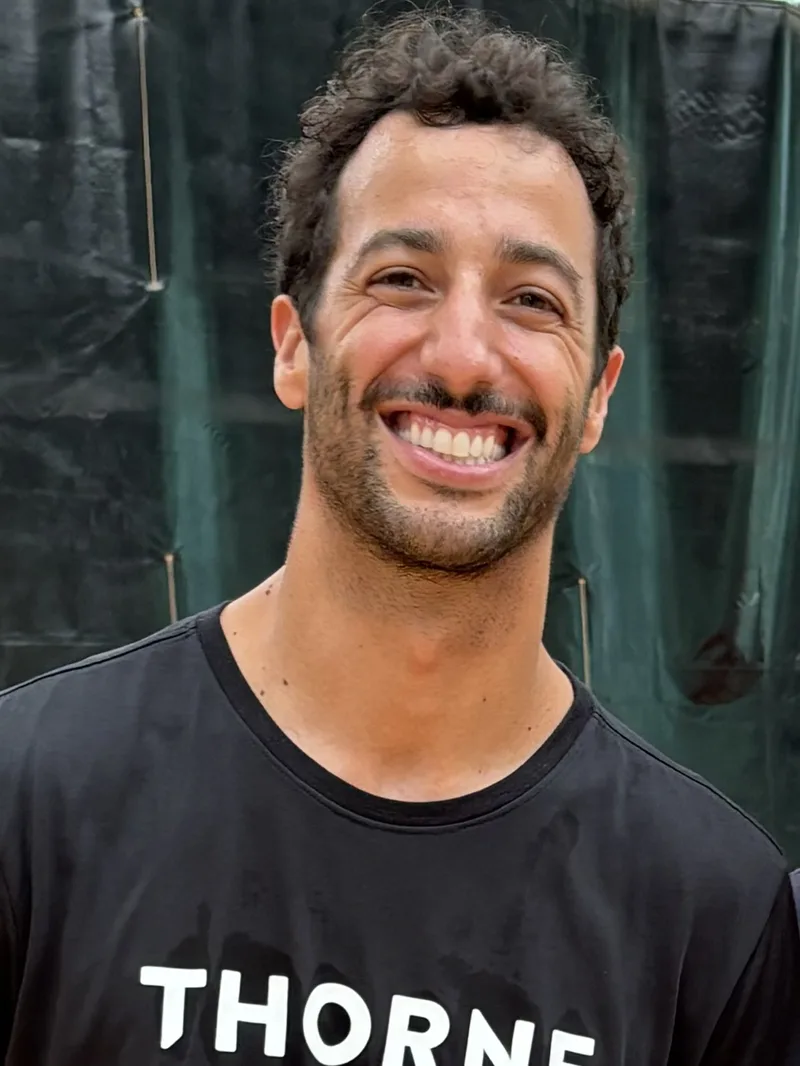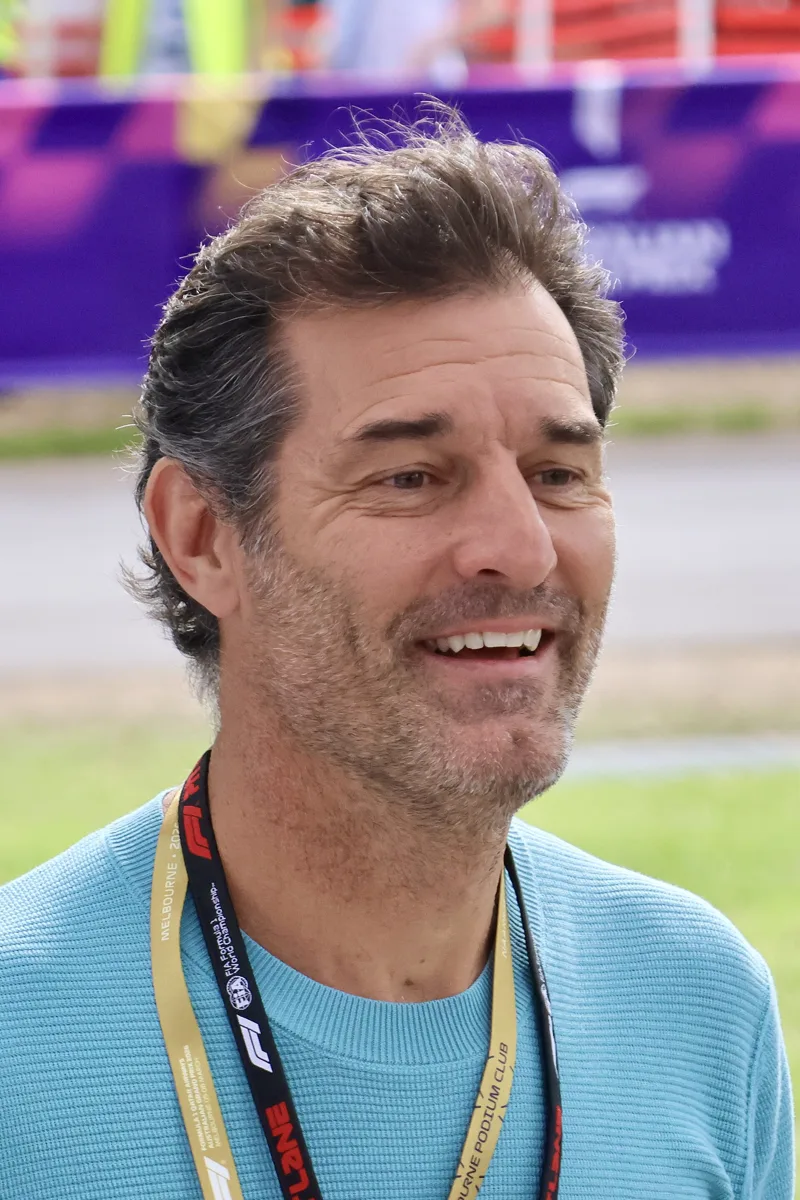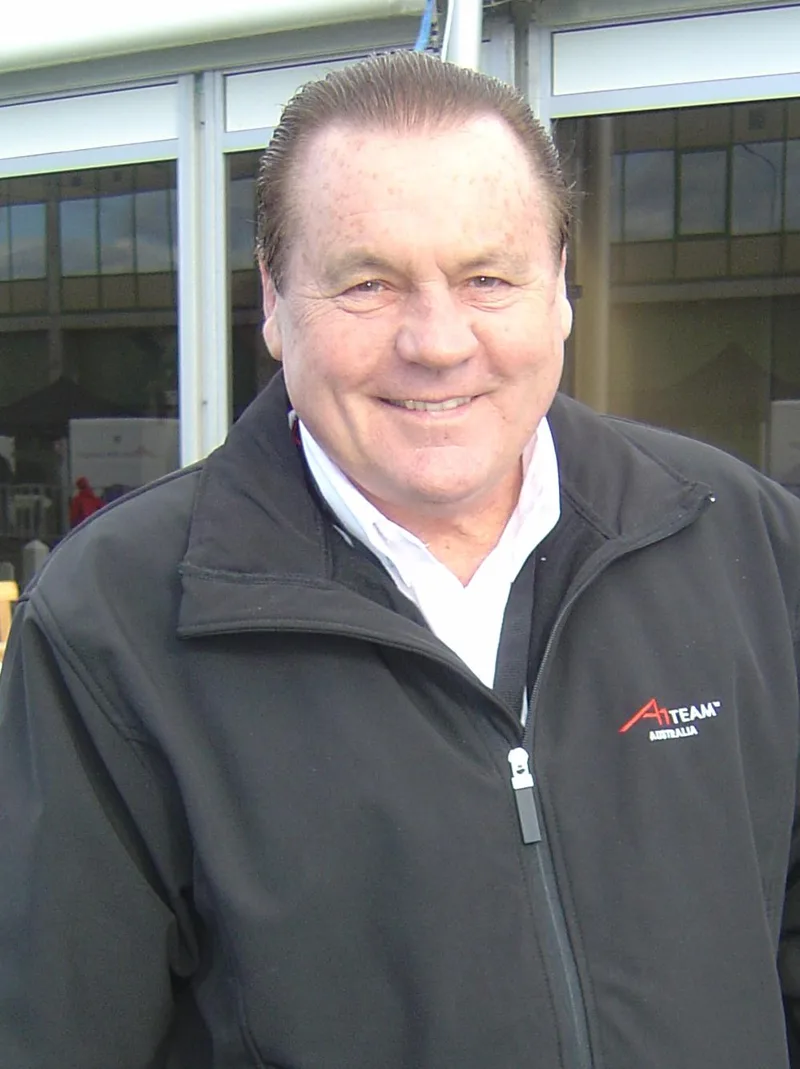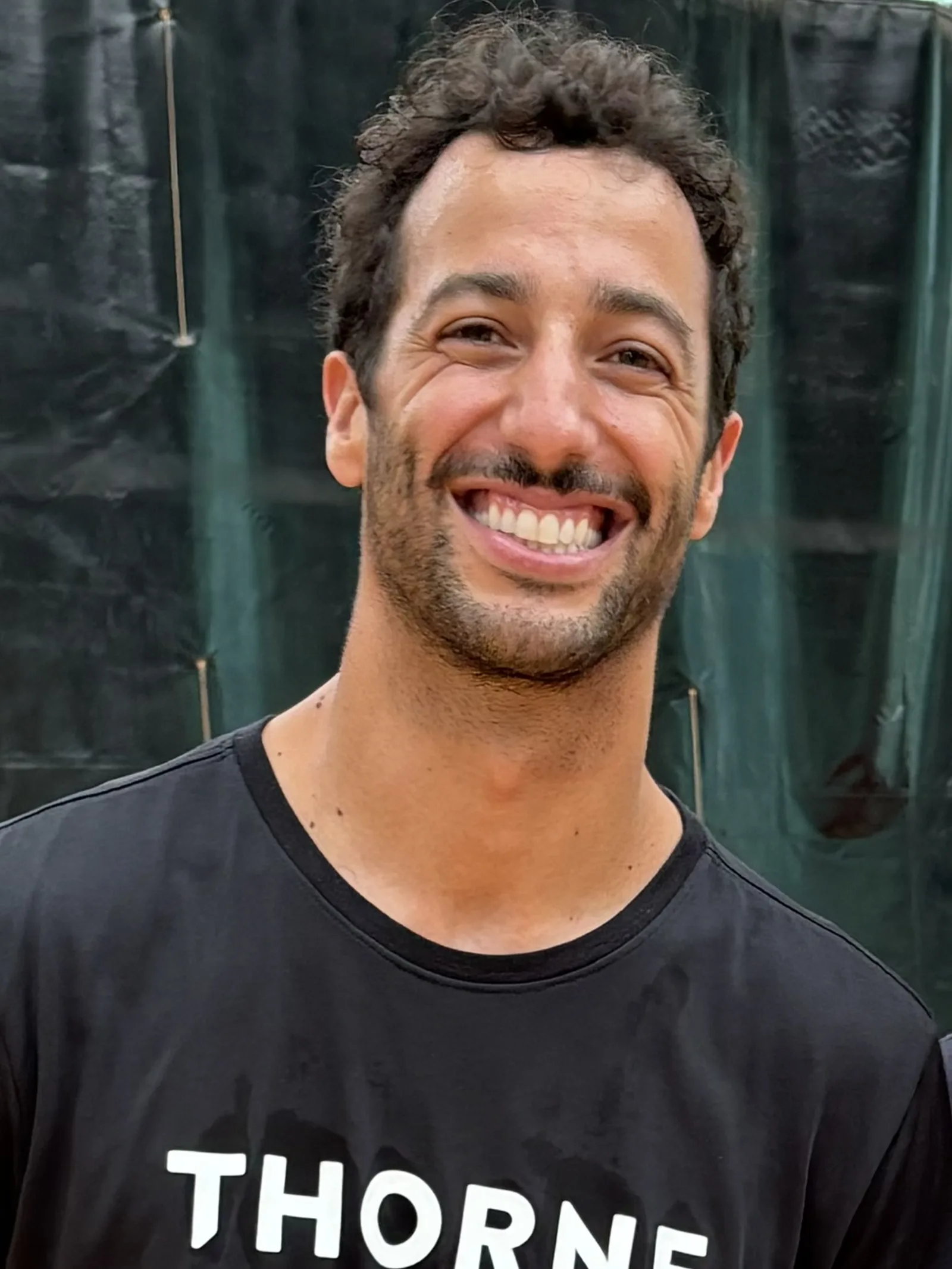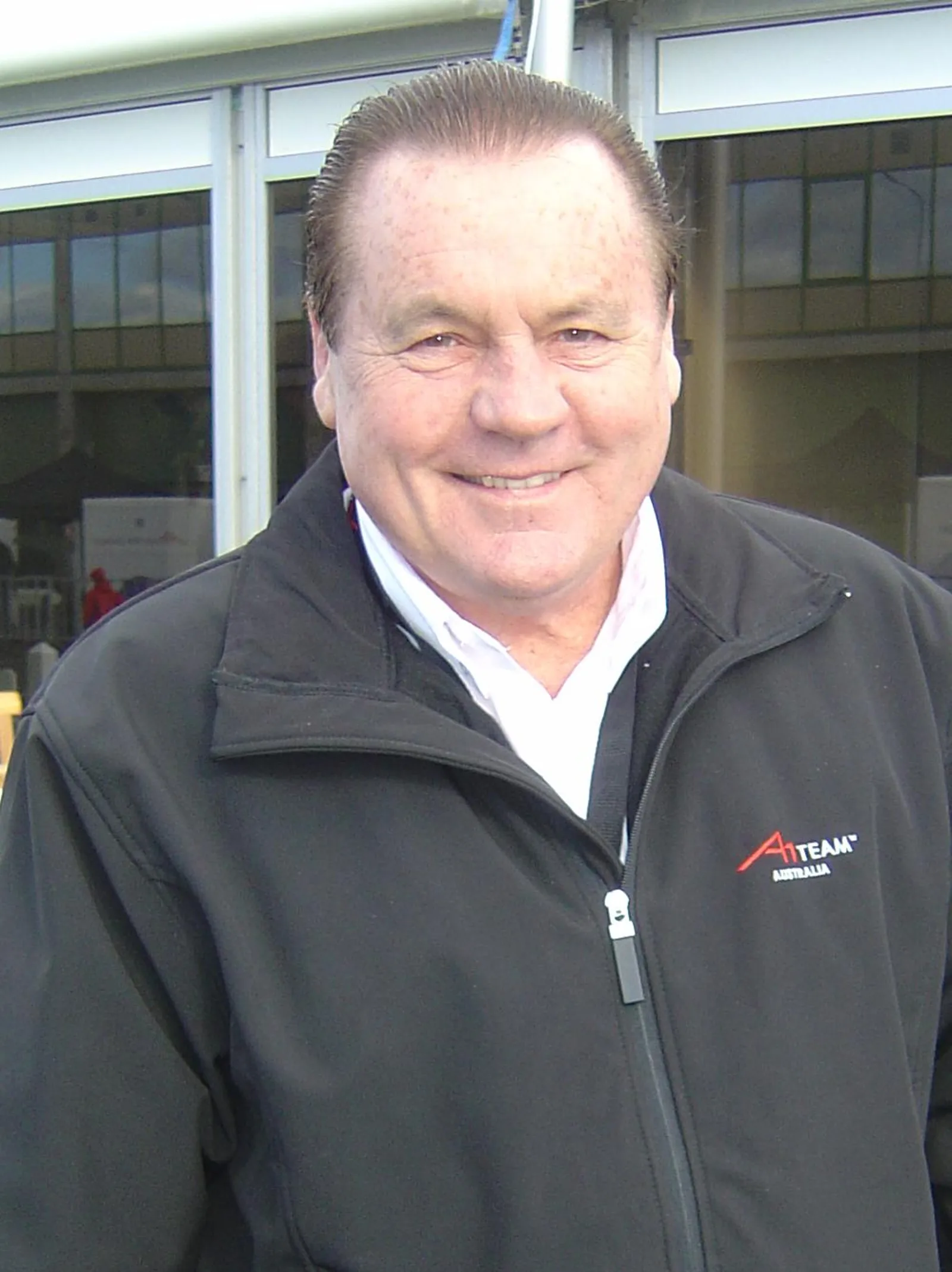
Alan Jones, Mark Webber, Daniel Ricciardo and Oscar Piastri all reached Formula One victory by different roads.
Brabham, Jones, Webber, Ricciardo and Piastri are the Australians with Formula One race wins to their names. Jones took the 1980 title with 12 victories overall, Webber won nine, Ricciardo eight and Piastri nine in four seasons as of 2026.
By winning in Hungary and then Azerbaijan in 2024, Oscar Piastri became only the fifth Australian ever to take a Formula One race victory. The list begins with triple world champion Sir Jack Brabham and runs through Alan Jones, Mark Webber and Daniel Ricciardo.
Which Australians have won in Formula One?
Five Australians have won Formula One Grands Prix: Sir Jack Brabham, Alan Jones, Mark Webber, Daniel Ricciardo and Oscar Piastri. Brabham won three world titles, and Jones became the second Australian champion in 1980. The other three have all come close without taking the crown.
| Driver | Formula One career | Wins | Best championship result |
|---|---|---|---|
| Alan Jones | 1975 to 1986 | 12 | Champion, 1980 (Williams) |
| Mark Webber | 2002 to 2013 | 9 | Third, 2010, 2011 and 2013 |
| Daniel Ricciardo | 2011 to 2024 | 8 | Third, 2014 and 2016 |
| Oscar Piastri | 2023 onwards | 9 (as of the 2026 Singapore Grand Prix) | Third, 2025 |
All four began in small cars or karts at home, and all had to leave Australia to climb higher.
How did Alan Jones become world champion?
Jones, born in Melbourne on 2 November 1946, won the 1980 world title with Williams, finishing 13 points ahead of Nelson Piquet. He was the first driver to win a championship with the Williams team and the second Australian champion after Brabham. Over 117 Grands Prix he won 12 and reached the podium 24 times.
Racing ran in the family: his father Stan won the 1959 Australian Grand Prix. Alan worked in the Holden dealership his father owned while racing a Mini and a Cooper. In 1967 he went to Europe and found that a Formula Ford seat was beyond his budget, so he came home, then returned to Britain in 1970 and built his career with fellow Australian Brian McGuire. A Formula Three Lotus bought to finance his season was written off in a testing crash at Brands Hatch, which left him with a broken leg.
Progress was slow. He ran an F3 car in 1971 and a GRD in 1972, and lost the 1973 title through a misfiring engine in the final round at Brands Hatch. Meeting Harry Stiller by chance opened a door, and when Stiller bought a Formula One Hesketh 308, he signed Jones. The debut came at the 1975 Spanish Grand Prix, a weekend remembered for the crash of Rolf Stommelen that killed five spectators.
After a few races for Graham Hill's team, where he took a fifth at the Nurburgring, Jones got his first full-time drive with John Surtees in 1976. The car's notorious Durex sponsorship led the BBC to refuse to cover the season's races. He refused to drive for Surtees in 1977 and chose to sit out a year instead. Then Shadow signed him as a replacement for the late Tom Pryce, and he won the Austrian Grand Prix for his first victory. That earned the attention of Frank Williams, and of Enzo Ferrari, though Gilles Villeneuve got the Ferrari seat.
At Williams, he took four wins in five events near the end of 1979 in the FW07, and finished third in the championship. In 1980 he won seven races, although the Spanish race was later struck from the championship and the Australian race sat outside it, which left five that counted. He reached the podium ten times. In November he also won the Australian Grand Prix at Calder Park, lapping a field of mostly Formula 5000 cars, and remains the last Australian to win that race.
In 1981 a combative relationship with team-mate Carlos Reutemann cost both men; Jones finished four points behind Piquet and three behind Reutemann. He announced his retirement after winning in Las Vegas. A one-off drive for Arrows at Long Beach in 1983 ended after 58 laps through fatigue, and a full comeback with the new Haas team began at Monza in 1985 with his Lola 9.851 seconds off Ayrton Senna's pole time. Weak Ford V6 power and a loss of sponsorship ended the project, and Jones retired for good after 1986 with 12 wins, six poles and one title.
How did Mark Webber reach Formula One?
Webber, born on 27 August 1976 in Queanbeyan, near Canberra, rode motorbikes on his grandfather's farm from about the age of four or five, then switched to karts at twelve or thirteen. His father, a motorbike dealer and petrol station owner, leased the station and took extra work at a car dealer to pay for it.
Webber won state championships in karting and moved to cars in 1994, driving Craig Lowndes' champion Van Diemen in the Australian Formula Ford Championship. Ann Neal, later his wife and manager, found him sponsorship from Yellow Pages. That October he relocated to Hainault, in the suburbs of London, and won races in British Formula Ford, then took fourth place in British Formula Three in 1997. His funding nearly ran out mid-season, until journalist Peter Windsor suggested he ask the rugby player David Campese.
Sportscars came next. Webber drove for AMG Mercedes in the 1998 FIA GT Championship alongside Bernd Schneider, who mentored him, and the pair won five races and finished runner-up. At Le Mans in 1999, aerodynamic faults sent his Mercedes airborne twice and forced his withdrawal. He then rebuilt through International Formula 3000, third in 2000 and runner-up to Justin Wilson in 2001 after wins at Imola, Monaco and Magny-Cours, while testing for Arrows and Benetton.
His Formula One debut came with Minardi at the 2002 Australian Grand Prix, where he qualified 18th and finished fifth after a string of first-lap retirements. After Jaguar in 2003 and 2004, he joined Williams in 2005 and scored his first podium at Monaco. He spent the rest of his career with Red Bull, winning nine Grands Prix and taking thirteen poles, and finished third in the championship in 2010, 2011 and 2013.
Leaving Formula One after 2013, he joined Porsche's endurance team, sharing a 919 Hybrid with Bernhard and Hartley. The trio won the 2015 World Endurance Championship, and Webber retired from racing in 2016. He became a television pundit and a driver manager, was appointed an Officer of the Order of Australia in 2017, and sits in the halls of fame of Australian motor sport and of the FIA.
How did Daniel Ricciardo get to the top?
Born in Perth on 1 July 1989 to Italian-Australian parents, Ricciardo grew up watching his father race at Barbagallo Raceway and started karting at nine. His rise through the Red Bull Junior Team led to eight Grand Prix wins over 14 seasons between 2011 and 2024.
He was Australian karting champion in 2005, won the 2008 Formula Renault 2.0 WEC title and then the 2009 British Formula 3 Championship with Carlin. In 2010 he lost the Formula Renault 3.5 title to Mikhail Aleshin by two points as a rookie. Back in December 2009, he had topped a Red Bull test at Jerez by over a second.
He started his first Grand Prix in Britain in 2011 for HRT, replacing Narain Karthikeyan, and qualified and finished last. Toro Rosso gave him a full-time seat in 2012, and he scored his first points at the Australian Grand Prix by passing his teammate Jean-Eric Vergne late on the final lap. Across two years with the team, he qualified ahead of Vergne at 30 of 39 races. In September 2013 he was chosen to replace the retiring Webber at Red Bull.
His first race for Red Bull in 2014 ended in disqualification, after he finished second, for breaching the rules on fuel flow. He still took his first win at the Canadian Grand Prix, then Hungary and Belgium, and finished third in the championship. Later wins came in Malaysia in 2016, Azerbaijan in 2017, and China and Monaco in 2018. After Renault in 2019 and 2020, he joined McLaren in 2021, and his only win there was at the Italian Grand Prix.
His final years were harder. He left McLaren after 2022, went back to Red Bull as reserve, and took Nyck de Vries's seat at AlphaTauri from the Hungarian Grand Prix of 2023. Liam Lawson replaced him after the Singapore Grand Prix in 2024. After retiring in 2025 he became global ambassador for Ford Racing. Known as the Honey Badger, he received membership of the Order of Australia in 2022.
How did Oscar Piastri become a Grand Prix winner?
Piastri, born in Melbourne on 6 April 2001, began in radio-controlled racing, moved to karts at ten, and joined McLaren in 2023. He won in Hungary and Azerbaijan in 2024, then seven more times in 2025, and has nine victories in four seasons as of the 2026 Singapore Grand Prix.
His father Chris, who owns the software company HP Tuners, sponsored his junior career with up to A$6.5 million. At nine he won the secondary class of the national RC championship, and in 2011 he moved to the Oakleigh kart club. At 14 he moved to England, where he boarded at a school in Hertford Heath on a sports scholarship, and the travel to karting events across Europe cost his father around 250,000 pounds.
From 2019 Mark Webber and his wife Ann looked after him, and Webber has managed him since. The results followed: the 2019 Eurocup title for R-ace GP, then the 2020 FIA Formula 3 title and the 2021 Formula 2 title with Prema. He became the sixth driver to win the GP2 or Formula 2 title in his rookie season, and the only one to win the Formula Renault, Formula Three and Formula Two titles in successive seasons.
The 2019 Eurocup went to the final weekend, and he beat Victor Martins by 7.5 points with seven wins. A year later in Formula 3 he beat Theo Pourchaire by three points, after a recovery drive from a grid penalty in the final sprint. Alpine's academy kept him from 2020 to 2022, but a contract dispute ended it, and McLaren signed him to partner Lando Norris.
He debuted in Bahrain, took his first podium at the 2023 Japanese Grand Prix and won twice in 2024. In 2025 he added seven victories and his first pole position, at the Chinese Grand Prix, and ended third in the championship fight involving Norris and Max Verstappen.
Why does Australia keep producing Formula One drivers?
The four careers offer a pattern, not a single answer. Each driver had a parent deeply involved: Stan Jones won an Australian Grand Prix, Alan Webber sold motorbikes and funded karting, Joe Ricciardo raced at Barbagallo, and Chris Piastri paid for his son's career. All four began in small cars or karts at home, and all had to leave Australia to climb higher.
Where do the careers go next?
Piastri is the only one still racing in Formula One. He has a McLaren contract running through 2028 at the earliest. Webber now works as a driver manager and television pundit, Ricciardo as Ford Racing's global ambassador, and Jones is a broadcaster.