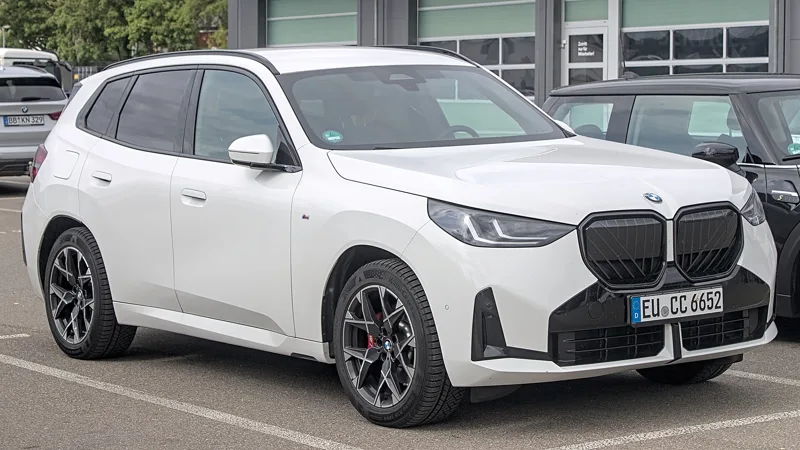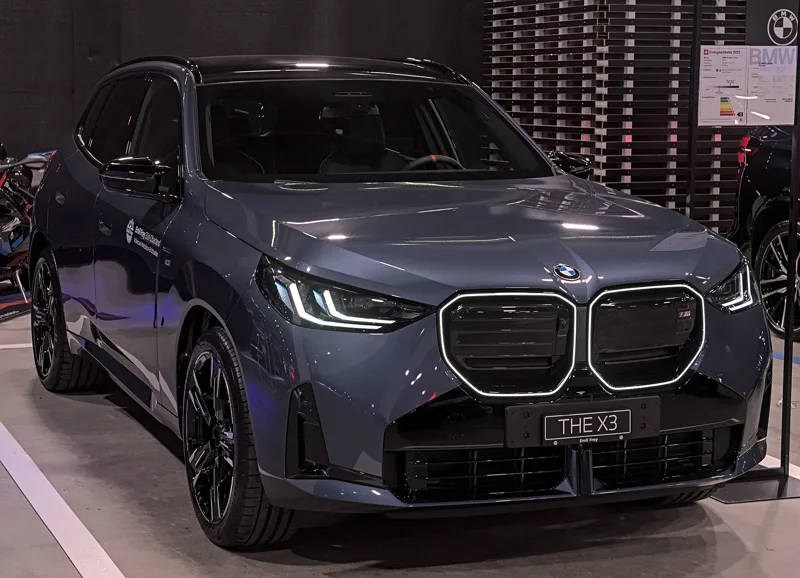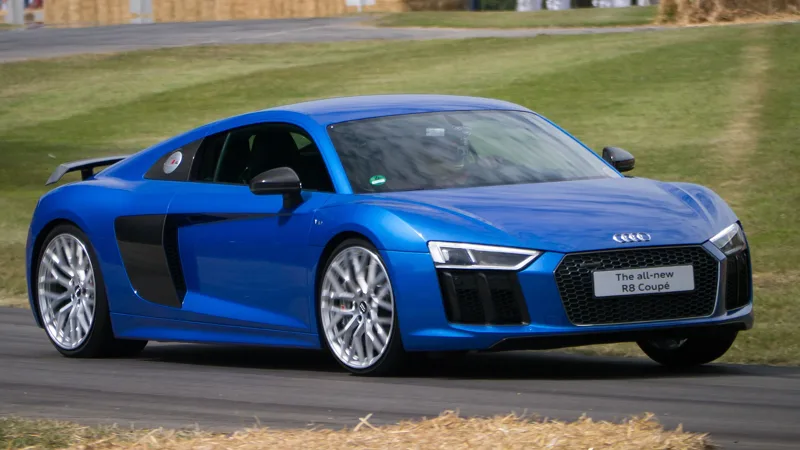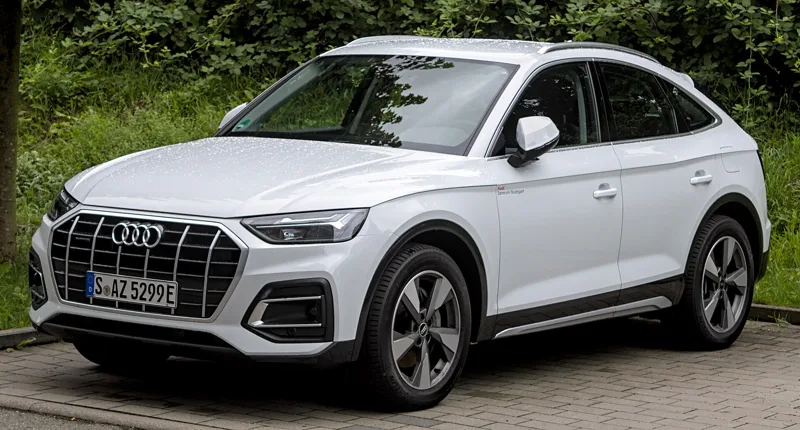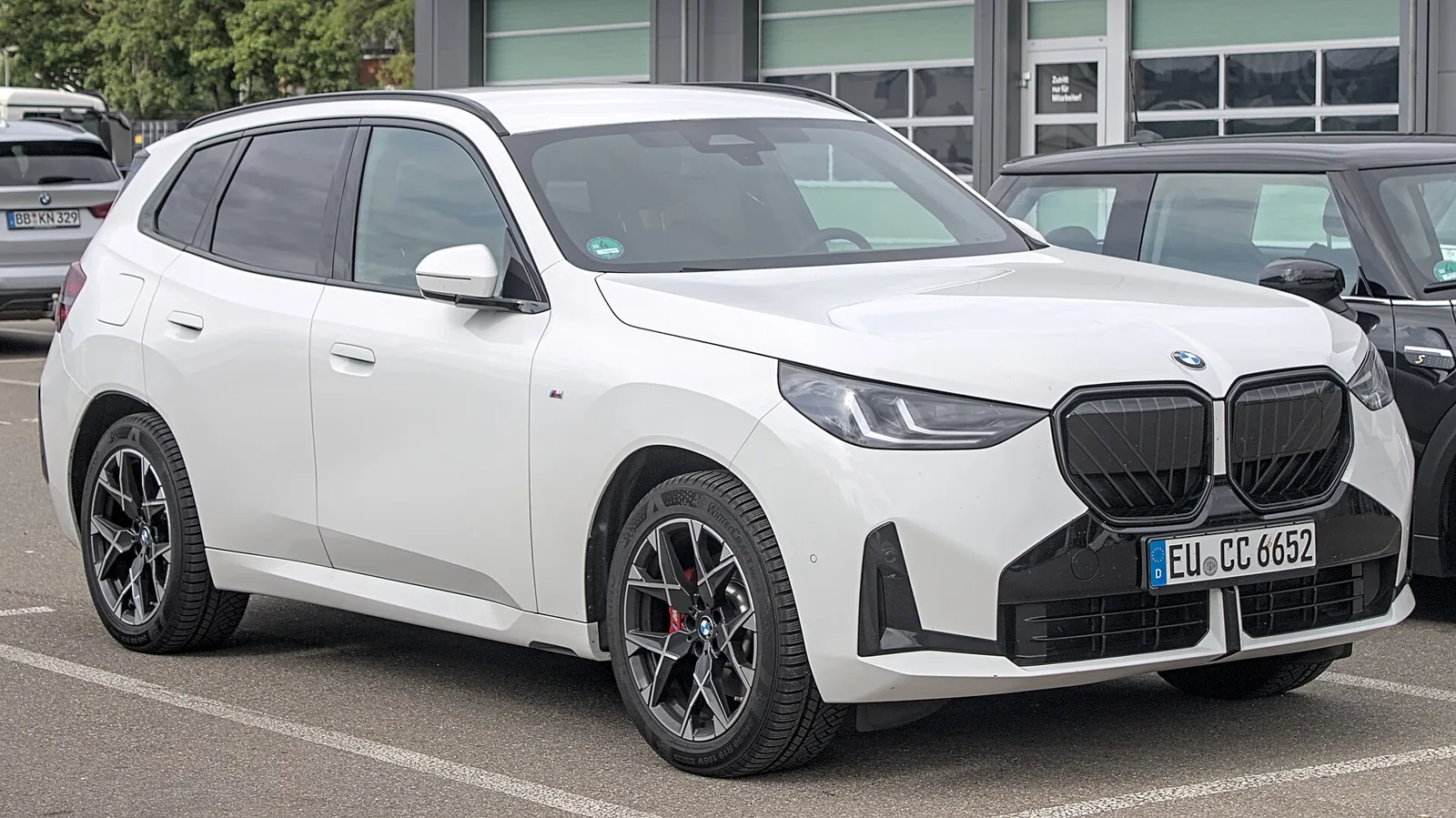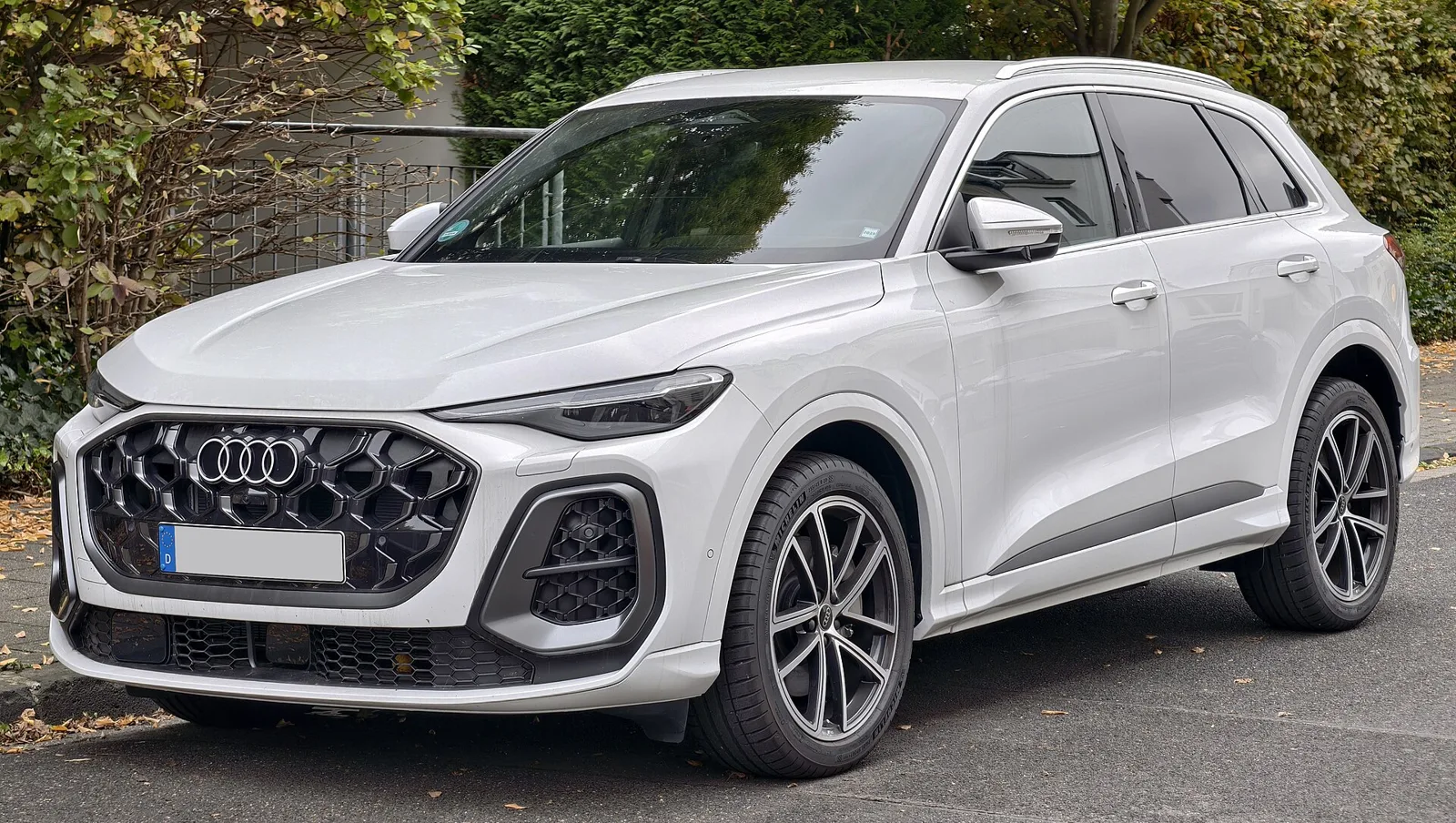
Audi's Q5 and BMW's X3 met in the compact premium crossover class, and the X3 xDrive35d is the car that press comparisons most often set against the Q5.
The Audi Q5 was launched in 2008 as a compact premium SUV, while the BMW X3 arrived in 2003. The SQ5 TDI reached 100 km/h in 5.1 seconds, and the xDrive35d returned 46.3 mpg against the SQ5's 41.5.
The Audi Q5 and the BMW X3 were both compact premium SUVs with a shared buyer, and the two cars overlapped from 2008 to 2017. The Q5 went on sale in 2008 with a choice of quattro engines, while the X3 had been on sale since 2003 as BMW's first mid-size premium SUV. Their performance versions are the most frequently compared models.
Were the Q5 and the X3 rivals?
Yes. The Q5 source names the BMW X3 xDrive35d as a more realistic comparison for the Q5 than the larger performance SUVs, because the X3 is closer in size and price. That makes the X3 the Q5's natural rival in the compact class.
The two cars overlapped from 2008 to 2017, when the first-generation Q5 was on sale alongside the X3 F25. That window is the basis for this comparison, which uses the Q5's first generation and the X3's second generation.
An Audi compact with a 313PS diesel V6 against BMW's first mid-size premium SUV, a rivalry defined by the 46.3 mpg xDrive35d.
How did the Audi Q5 come about?
The first-generation Q5 (Typ 8R) came third in the B8 family behind the Audi A5 and the fourth-generation A4, and it used the MLB platform as well. A concept car, the Cross Cabriolet quattro, was shown at the 2007 Los Angeles Auto Show with a 3.0 TDI rated at 240PS.
The production Q5 was unveiled at the 2008 Beijing Auto Show. European shipments began in October 2008, North American shipments followed in the first quarter of 2009, and Indian models went on sale in June 2009, built at Aurangabad.
How did the BMW X3 come about?
The first-generation X3 (E83) was introduced in September 2003 at the Frankfurt Auto Show, based on the 3 Series platform. BMW designed it with Magna Steyr of Graz, Austria, which also built every first-generation X3 under contract. It was the first BMW to officially introduce the xDrive name, and BMW said it was the first mid-size premium SUV on the market.
The X3 was meant to pair the agility of a compact with the feel of the X5, and it had an upright seating position that BMW marketed as command seating. It was initially criticised for its harsh ride, austere interior, limited off-road ability and high price. From 2008 BMW was competing with the Mercedes-Benz GLK-Class and a range of other SUVs in the same segment.
How do the specifications compare?
| Feature | Audi Q5 (first generation) | BMW X3 (F25) |
|---|---|---|
| Launch | 2008 Beijing Auto Show; North America from March 2009 | Unveiled 2010; production 1 September 2010 to August 2017 |
| Platform | Audi MLB platform, shared with the B8 A4 and A5 | Based on the 3 Series platform; almost as large as the original X5 |
| Drivetrain | quattro all-wheel drive on most models | xDrive all-wheel drive at launch; sDrive rear-wheel drive from 2012 |
| Base engine | 2.0 TFSI at 211PS; 2.0 TDI at 170PS in the first models | Turbo four in the US from 2012; diesels in Europe |
| Top performance | SQ5 TDI with 313PS and 650 N-m; SQ5 petrol at 354PS | xDrive35d diesel model in the comparison |
| Transmission | 7-speed S tronic on German V6s; 8-speed Tiptronic on the 2.0 TFSI quattro | Six-speed manual or eight-speed ZF 8HP automatic |
| 0 to 100 km/h | SQ5 TDI in 5.1 seconds | xDrive35d in 5.8 seconds, the comparison figure |
| Economy | SQ5 at 41.5 mpg | xDrive35d at 46.3 mpg |
| Top speed | SQ5 TDI electronically limited to 155 mph | xDrive35d at 149 mph (240 km/h) |
| Safety | Euro NCAP tested a 2009 Q5 with front and side airbags | Later generation rated five-star by NHTSA and Top Safety Pick+ by IIHS |
| Engine range | Petrol and diesel fours and V6s; SQ5 V6 twin-turbo diesel | Six, four and diesel models; E83 inline-six engines in North America |
| Production | Ingolstadt and, from 2016, Mexico | Spartanburg, South Carolina, for the F25; Rosslyn in South Africa from 2017 |
How did the SQ5 TDI and the xDrive35d compare?
The SQ5 TDI was the first Audi S model with a diesel engine, and its 3.0-litre twin-turbo V6 produced 313PS and 650 N-m of torque. It reached 100 km/h in 5.1 seconds, and its electronic limiter held it at 155 mph. Its 650 N-m of torque arrived between 1,450 and 2,800 rpm, which gave the SQ5 strong pull across the low and middle rev range.
The xDrive35d was the closer rival on paper. It delivered 46.3 mpg, against the SQ5's 41.5 mpg, and reached 100 km/h in 5.8 seconds, with a top speed of 240 km/h (149 mph). The Q5 was therefore faster to 100 km/h, while the X3 was more economical. The two cars split the honours on paper.
Press comparisons also set the SQ5 against larger rivals. The Porsche Cayenne S Diesel reached 60 mph in 5.7 seconds and the BMW X5 M50d in 5.4 seconds, while the Mercedes-Benz ML63 AMG managed 4.8 seconds. Those rivals were larger and heavier, and they cost much more, so the X3 comparison is the more useful one for the Q5 itself.
What engines did each car use?
The early Q5 range was built around the 2.0 TFSI quattro at 211PS, the 2.0 TDI quattro at 170PS and the 3.0 TDI quattro, and the US and Canadian models launched with the 3.2 FSI. European engines in 2009 added a 180PS 2.0 TFSI and a 143PS 2.0 TDI, and the 2.0 TFSI quattro at 211PS arrived in the US in 2011.
The X3 used a different sequence. The E83 had 2.5i and 3.0i inline-six engines in North America, and it gained a 2.0d in 2005 in some markets. The 2007 US model moved to the N52 inline-six from the E90 3 Series, and the F25 moved to a 2.0-litre TwinPower turbo four in the US in 2012.
How did the Q5's second generation change the car?
The second-generation Q5 (Typ FY) was revealed at the 2016 Paris Motor Show, and output started at the Audi Mexico plant on 30 September 2016, for the 2017 model year. The Q5 shares the MLB Evo platform with the B9 A4 and A5, which marked a step on from the first generation.
A long-wheelbase version, the Q5L, arrived in 2018 with 88 mm (3.5 in) more length and 23 percent more legroom, and the model was launched in several Asian markets from 2017 onward.
How did the X3's later generations develop?
The second-generation F25 was produced from 1 September 2010 to August 2017, and it was almost as large as the original E53 X5. A sDrive rear-wheel drive model joined the range in 2012, and it was the first non-xDrive BMW SAV sold in the United States.
The third-generation G01 was unveiled in June 2017, designed by Calvin Luk, and it was up to 55 kg (121 lb) lighter than the model it replaced. Its engines included two 2.0-litre diesels, the 3.0-litre B57 diesel, and the B58 petrol straight-six of 2,998 cc, along with a plug-in hybrid. A battery electric version was sold as the BMW iX3.
Earlier in the line, the 2014 facelift brought M Performance parts for all models, including carbon fibre mirrors and aluminium pedals.
How did the Q5's interior and equipment compare?
The Q5 offered the updated Multi Media Interface, which combined navigation, communication and a wide-screen display, with Bluetooth and an integral four-band GSM phone. Its S line package added 20-inch wheels, headlight washers and sport steering wheels with shift paddles, while the Offroad package brought underbody protection panels and flared fenders.
What did the X3 E83 interior and equipment include?
US-specification X3 models came with a BMW Business radio, an eight-speaker premium audio system, leatherette seats, dual power front bucket seats and keyless entry, with 17-inch aluminium wheels as standard. Options included a ten-speaker system with digital sound processing, Sirius satellite radio and a dashboard colour GPS navigation system with BMW's iDrive.
Further options included 18-inch and later 19-inch wheels, Nevada leather seats, heated front and rear seats, a heated steering wheel, Xenon headlamps with adaptive front lighting and a panoramic dual-pane moonroof, which made the car a fully equipped luxury crossover.
How did the X3's all-wheel drive system work?
The X3 had BMW's all-wheel drive, with a default 40:60 torque split between the front and rear axles. An electronically controlled multiple-plate clutch varied the split, which could send up to 50 percent of engine torque to the front wheels.
The rear-biased system sent direct drive to the rear axle from the transmission, while the front axle received torque through the transfer case clutch as needed. BMW said this made xDrive durable for acceleration and towing, because weight shifts rearward when climbing.
What did the X3 Cross Country involve?
The X3 Cross Country, or X3 CC, was an X3 prepared for rally raid competition. It used a 2.9-litre inline-six diesel, derived from the 3.0-litre M57TU2D30 engine, with twin turbochargers.
The Cross Country showed how far the X3 could be pushed beyond the road, and it fitted BMW's wider SUV programme alongside the road cars.
Which buyer suits which car?
The facts do not settle which car was better, because the two cars balance different strengths. The Audi Q5 suits a buyer who wanted the faster of the two off the line, with the SQ5 TDI's 313PS and a diesel V6 option. The BMW X3 suits a buyer who wanted better economy, with the xDrive35d at 46.3 mpg, and a recognised safety record in later generations.
Sales figures are not reported for either car here, so a sales verdict cannot be reached. The X3's second generation ran for seven years, from 2010 to 2017. Buyers who prized a diesel option would find the Q5 and X3 ranges comparable, while buyers wanting a petrol V6 had the SQ5 3.0 TFSI at 354PS and the X3's six-cylinder heritage to weigh. The X3's strengths are its longer production run and its later rating for safety.