A removable-roof 911 that grew into a panoramic glass roof in the mid-1990s and returned to a soft top in 2014, with prices and, for several generations, sales figures.
Porsche's Targa badge covers 911 and 912 models from 1965 onward. Early cars had a removable centre panel and a fixed safety bar, later ones a panoramic glass roof, and the 991 generation returned to a soft top in 2014.
The Porsche Targa is the name for the 911 and 912 models built since 1965 with a special roof, first a removable centre section with a fixed safety bar and later a large panoramic glass roof. The name is a trademark protected by Dr. Ing. h.c. F. Porsche AG for car models.
Porsche has offered Targa roofs on several models over the decades, with the 911 at the core. The sections below follow the car from its first appearance through the glass-roof generations to the 991 soft top of 2014.
What does the name Targa mean?
The name comes from the Targa Florio, a race run from 1906 to 1977 over very long distances. The Zuffenhausen works picked up several key wins there across its racing years. The makers did not know when they chose the name that Targa means shield in Italian.
Dr. Ing. h.c. F. Porsche AG protects the name as a trademark for car models. Other Porsche models that had removable roofs were not always marketed under the name.
A 911 with a removable roof that became a glass-roofed Targa and then returned to the soft top of the first models.
How did the first Targa differ from the Cabriolet?
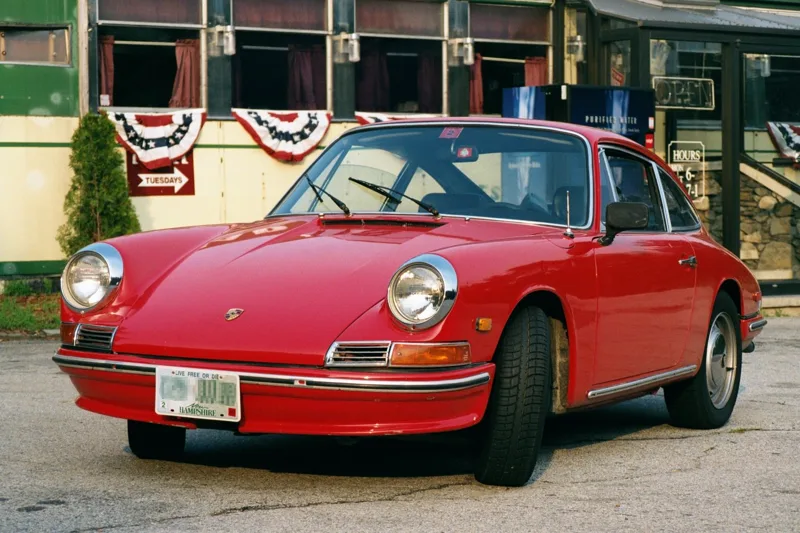
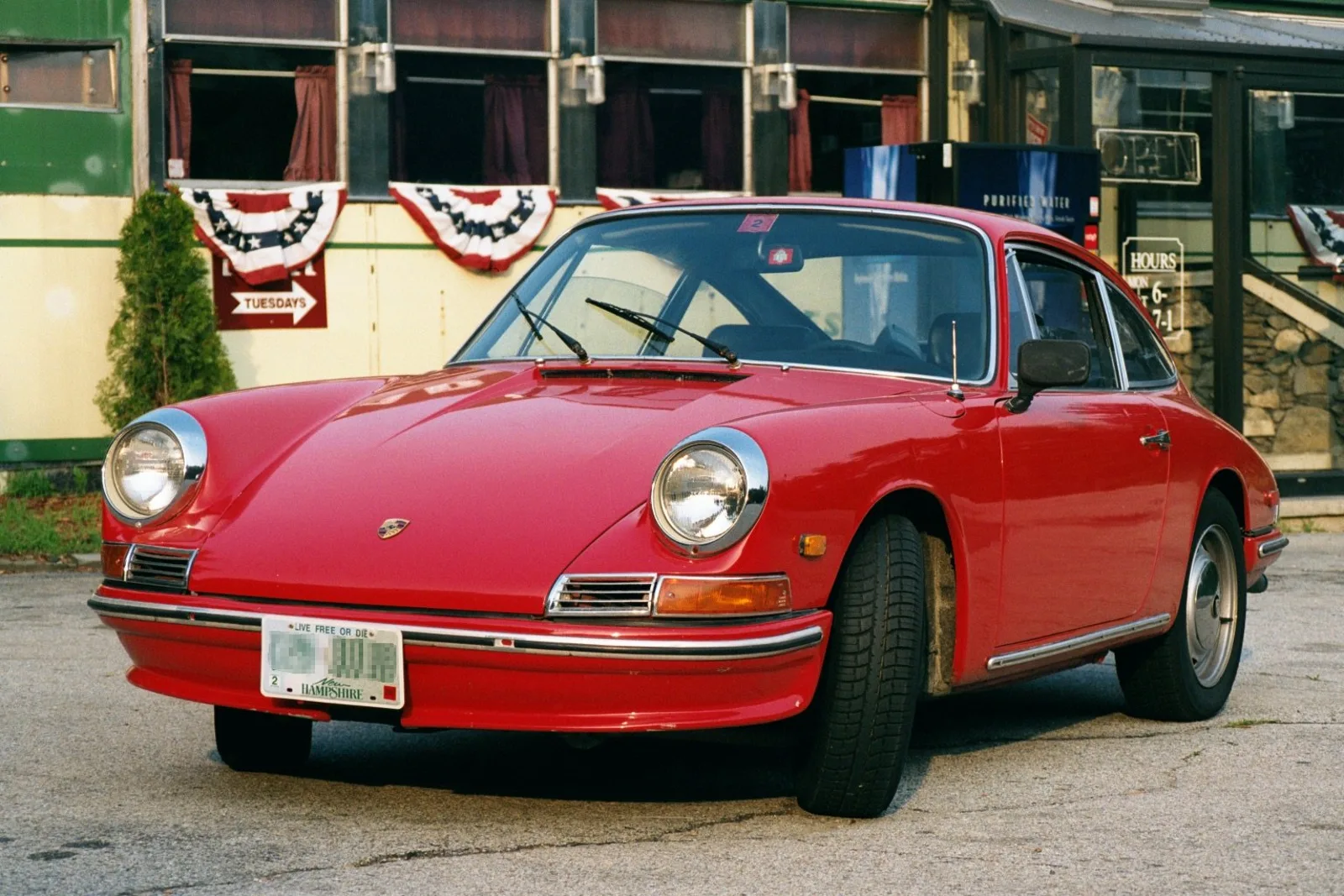
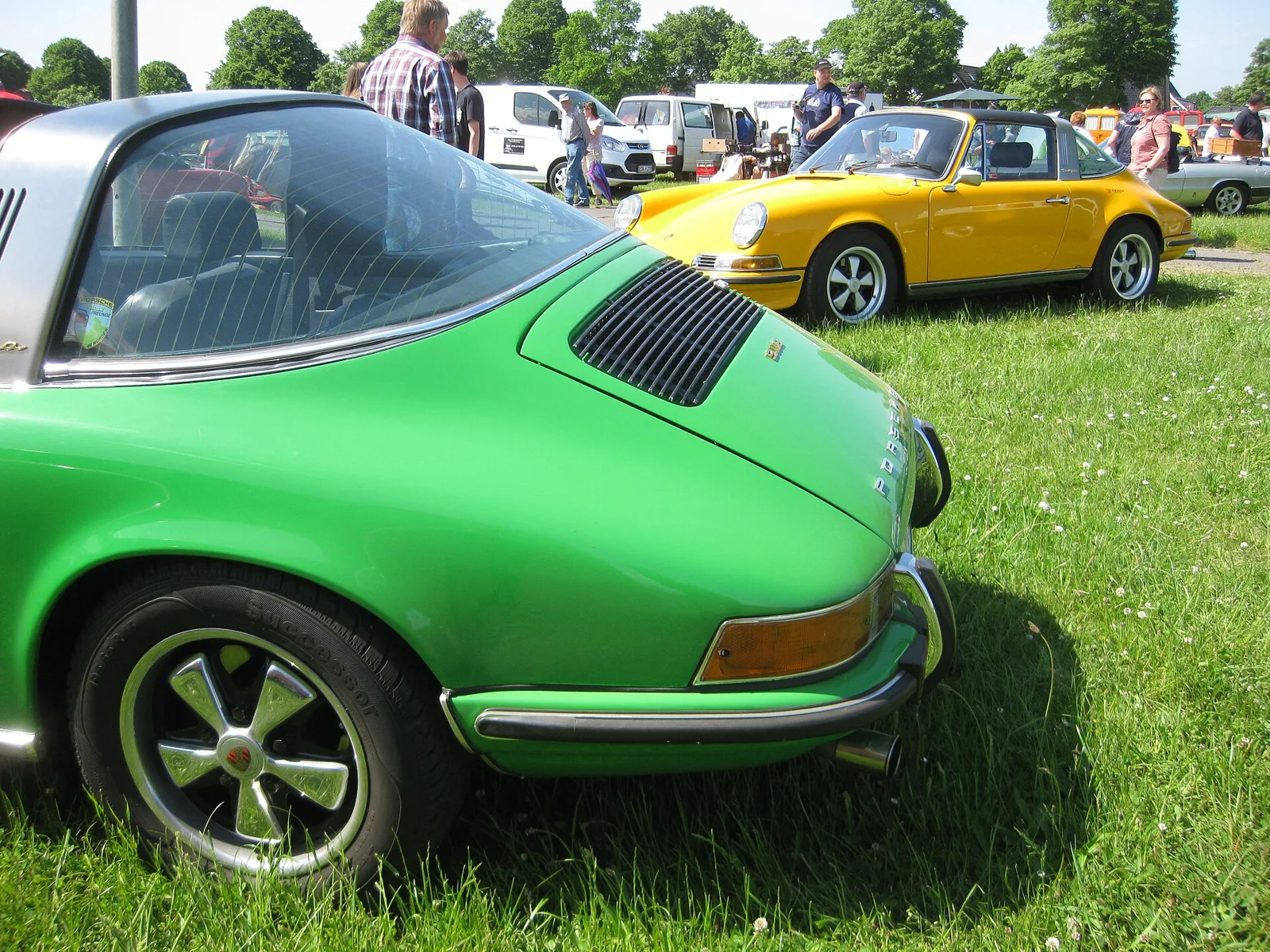
The first Porsche 911 Targa was shown at the IAA in September 1965. The fully open 911 Cabriolet arrived only in the 1980s. The Targa instead carried a roll-over bar, which let it satisfy the tougher homologation demands of the American market, a key export territory for Porsche.
The front roof section was a folding aluminium frame covered in artificial leather, and the small rear fabric roof had a plastic window. Both could be removed separately and stowed in the boot. From the 1969 model year a fixed, heated safety glass rear window was fitted.
Up to 1973 Porsche built 23,358 911 Targas and 2,562 912 Targas on the basis of the original car. They were sold at base prices between 22,380 DM for the 1967 911 Targa and 34,700 DM for the 1973 911 S Targa.
Which other models had Targa roofs?
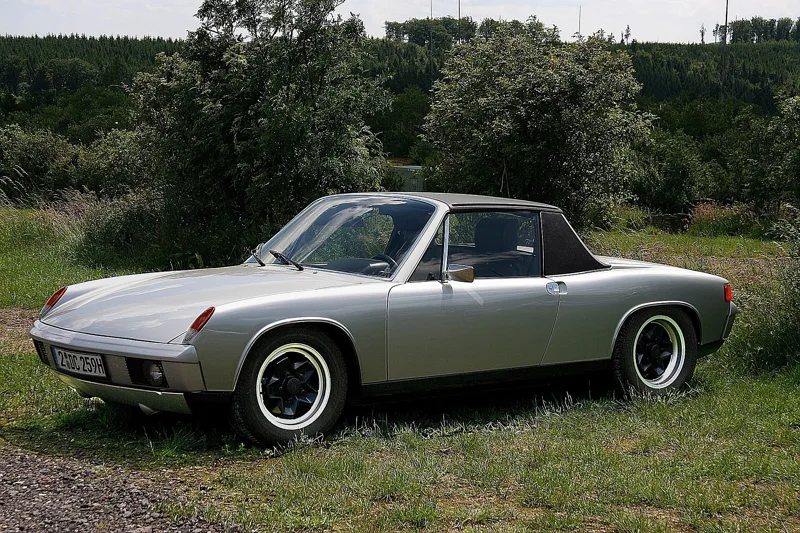
Porsche offered the 914 with a Targa roof from 1969 to 1976, developed and sold in cooperation with Volkswagen. Unlike the 911 and 912, it was available only with a Targa roof, so buyers had no fixed-roof option. Several other Porsche models later had removable panels too, as the next paragraph explains.
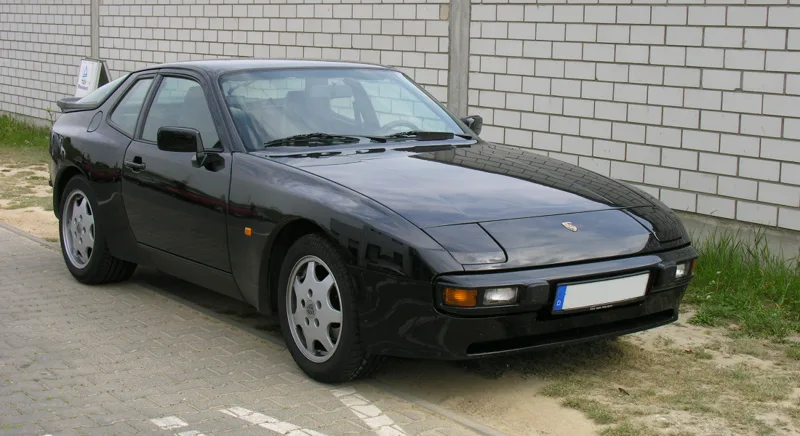
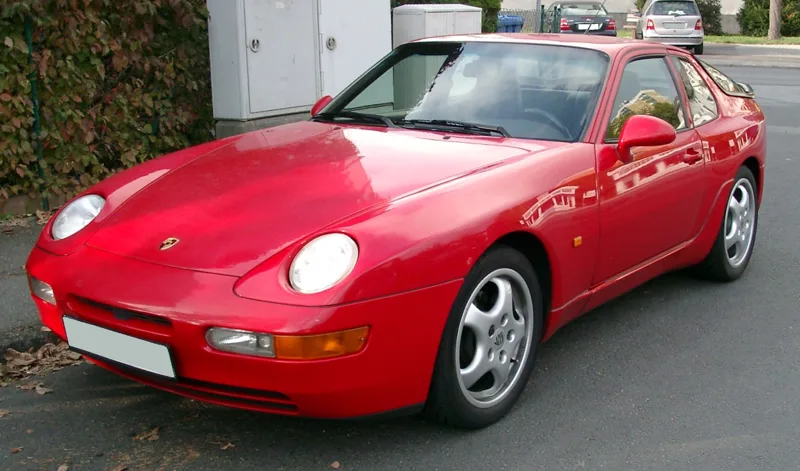
From 1976 the 924, 944 and 968 also offered removable roof parts. These four-cylinder transaxle cars could take out only a panel slightly larger than a sunroof, leaving a frame about ten centimetres wide all round. That is why they were not consistently marketed as Targa models.
From 2003 to 2006 the Carrera GT again offered a model with a Targa roof.
Why did the G-model keep the folding roof?
Porsche planned to replace the removable folding roof of the G-model with a fixed aluminium roof, but Targa customers did not welcome the idea. The folding roof, which had been available only at extra cost since the G-model's introduction in August 1973, therefore returned as standard from April 1974.
From 1975 the safety bar of the Carrera Targa was black instead of silver, and that change was extended to all 911 Targas from the 1979 model year. From spring 1987 the 911 Turbo was also available as a Targa, and it stayed on sale until April 1988, with 193 units sold at base prices from 134,850 DM.
Of the 196,932 G-model 911s built, 57,349 were Targas, which gives the Targa a share of 29.2 % of the model mix. In the last G-model year, 1989, 104 911 Turbo Targas were still built.
How did the type 964 Targa differ?
With the type 964 in 1989, the 911 Targa had all-wheel drive for the first time in its history. It was also the last 911 Targa with the classic removable roof, safety bar and glass rear window, because the successors from the 993 Targa onwards were offered only with the panoramic glass roof.
The Carrera 2 Targa and the Carrera 4 Targa both drew on a six-cylinder boxer of 3,600 cc (220 cu in), rated at 184 kW (250 PS; 247 hp). The sports car weighed 1,450 kg (3,197 lb) to DIN standard, reached 100 km/h in 5.7 seconds and had a top speed of 260 km/h (162 mph).
From 1989 to 1993, 4,863 units were sold, made up of 1,329 Carrera 4 Targas and 3,534 Carrera 2 Targas. Base prices started at 108,700 DM for the Carrera 2 Targa and 121,800 DM for the Carrera 4 Targa, both as of 1989.
What made the 993 Targa roof different?
The 993 Targa, introduced in late summer 1995, replaced the safety bar and removable roof panel with a completely new concept, a large electrically operated panoramic glass roof. Porsche based the car on the 993 Cabriolet body shell, with mounting points modified to take the glass roof.
The roof consists of three glass elements, a wind deflector, a movable roof and a rear window. It is pre-assembled as one complete unit and fixed to the body during final assembly by bolting and bonding. Base prices began at 145,000 DM as of August 1995, and 4,583 units were sold by 1997.
What did the 996 Targa add?
The 996 Targa appeared in August 2001 and was the first water-cooled 911 Targa, like every model of the 996 family introduced in 1996. Its hinged rear window could be electrically unlocked to load the rear shelf, but for safety reasons it could only be opened when the glass roof was closed.
The panoramic roof still used three green-tinted three-layer laminated safety glass elements and an electrically operated blind. Ferry Porsche had floated the idea of such a hatch in the 1960s, when it remained doubtful whether it could stay watertight.
The engine was the same 3.6-litre six-cylinder flat naturally aspirated unit as in the 996 Carrera, producing 235 kW (320 PS; 316 hp). A 6-speed manual was offered, and on request a 5-speed Tiptronic S could replace it. Base prices started at 159,041 DM for the manual car and 164,656 DM for the Tiptronic S.
How did the 997 Targa change?
The 997 Targa 4 and Targa 4S arrived in November 2006, joining the type 997 range. They were the first Targas supplied exclusively with all-wheel drive, and their tinted special glass roof was 1.9 kg lighter than the 996's.
Visually the 997 Targa differs from the 997 Carrera mainly in its silhouette. The rear side windows taper to a point, and polished, anodised aluminium trim strips run from the A-pillar and out behind the rear side windows.
The 997.1 Targa 4 produced 239 kW (325 PS; 321 hp), and the Targa 4S produced 261 kW (355 PS; 350 hp). Base prices started at 100,770.00 euros for the Targa 4 and 113,860.00 euros for the 4S, which offers 22 kW (30 PS; 30 hp) more.
The 997 Targa range won a 2007 red dot product design prize from the Design Zentrum Nordrhein Westfalen, which praised its self-assured styling.
What is the 991 Targa?
The 991 Targa was shown at the Detroit motor show on 14 January 2014 and went on sale on 10 May 2014 in the Targa 4, Targa 4S and Targa 4 GTS versions. It returns to the classic soft top, fixed roll bar and one-piece rear window of the early Targas, up to the type 964.
The roof section between the windscreen pillar and the Targa bar extends automatically, similar to folding-roof convertibles from other makers. The whole rear window module first moves rearwards, parts of the Targa bar swing out, and the roof is stowed behind the emergency seats before the module returns to its position. The mechanism is hydropneumatic, which sets it apart from the original Targa.
The doors are frameless, so the area between the A-pillar and B-pillar is completely open when the roof is down, as on the original Targa models.
Recognition and a slogan
In January 2016 Deutsche Post issued a 70 cent stamp in its series of classic German automobiles, showing a 1967 Porsche 911 Targa.
Porsche promoted the 991 Targa with the slogan 'Imagine meeting your first love again. And she has become even more beautiful.' The 997 Targa had earlier taken the red dot award for its design.
Key specifications
| Specification | Detail |
|---|---|
| First Targa | 911 Targa, IAA, September 1965 |
| Built up to 1973 | 23,358 911 Targas; 2,562 912 Targas |
| Type 964 engine | 3,600 cc (220 cu in) six-cylinder flat; 184 kW (250 PS; 247 hp) |
| Type 964 weight | 1,450 kg (3,197 lb) to DIN standard |
| Type 964 performance | 5.7 seconds to 100 km/h; 260 km/h (162 mph) top speed |
| Type 996 engine | 3.6-litre six-cylinder flat; 235 kW (320 PS; 316 hp) |
| Type 997.1 Targa 4 | 239 kW (325 PS; 321 hp) |
| Type 997.1 Targa 4S | 261 kW (355 PS; 350 hp) |
| Type 991 base prices | 109,338 euros (Targa 4); 124,094 euros (Targa 4S) |