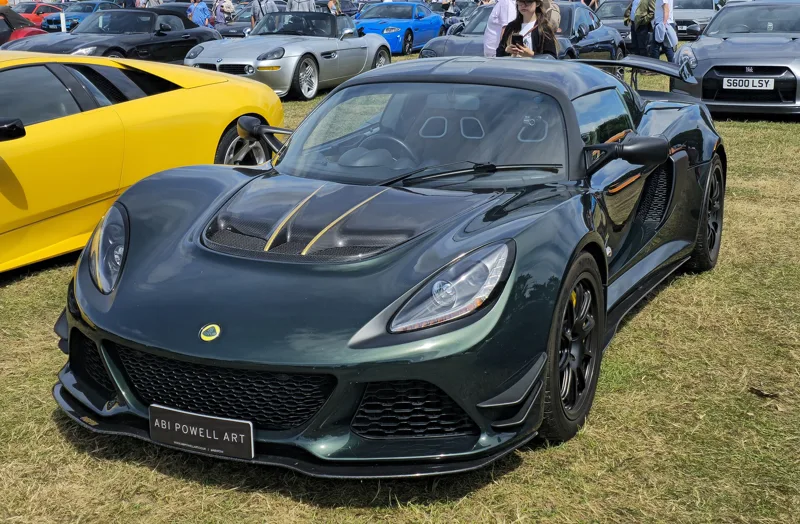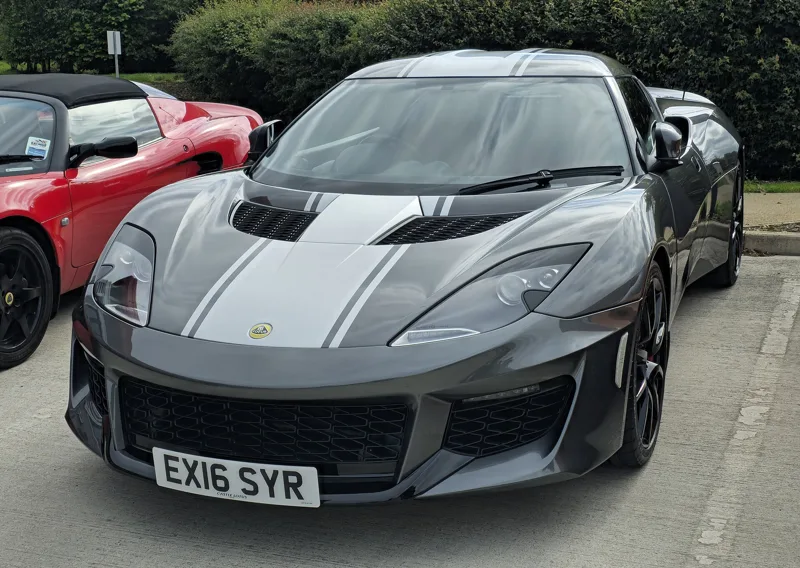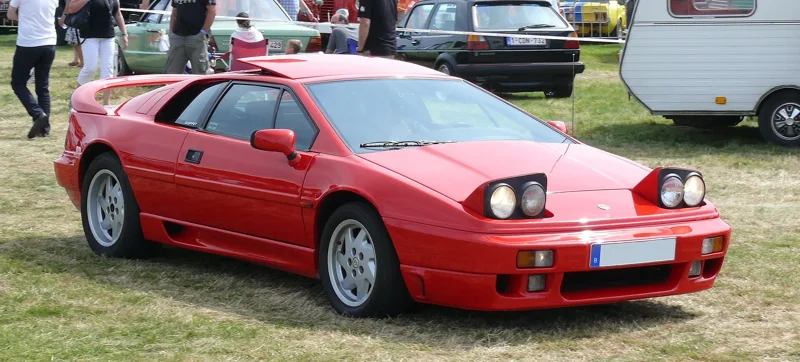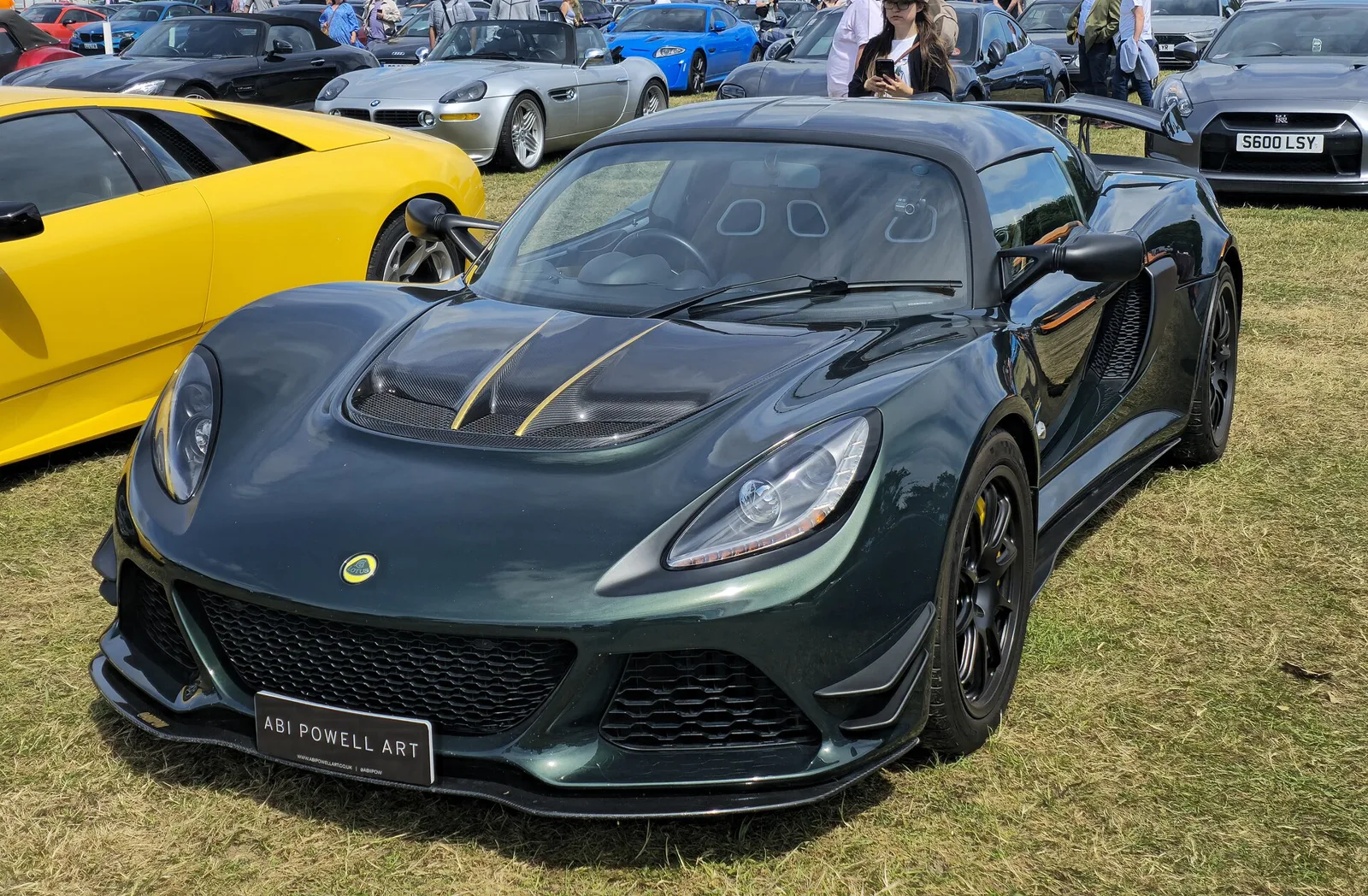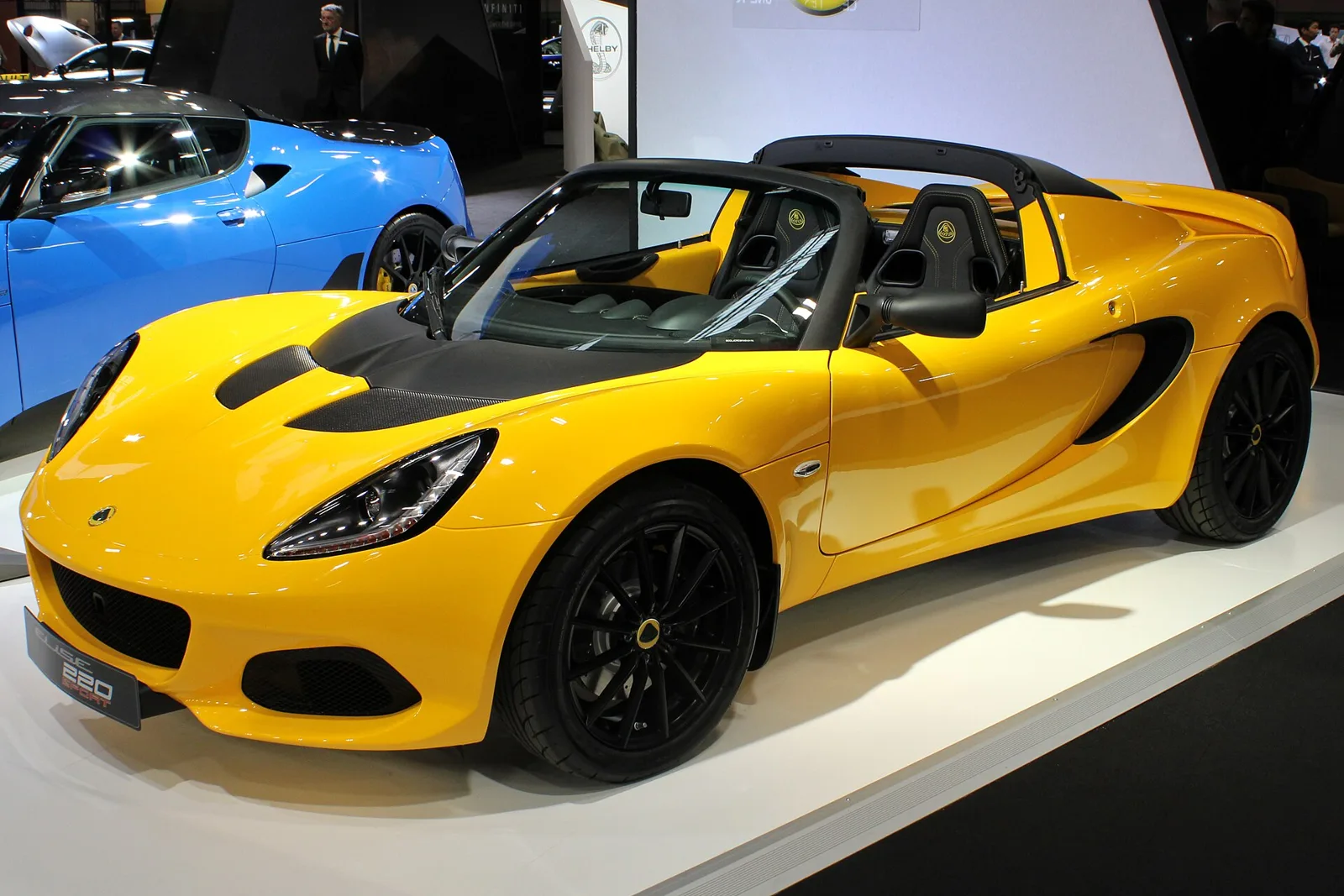
A fibreglass body, a bonded aluminium chassis and a rear mid-engine layout kept the Elise light from its 1996 launch to its final editions in 2021.
The Lotus Elise was a two-seat roadster from Lotus Cars, released in September 1996 and built until 2021. It used a fibreglass body on a bonded aluminium chassis, a rear mid-engine layout and very low weight. Series 2 and Series 3 cars, plus Cup and Final Edition models, extended its life.
Lotus launched the Elise in 1996 as a light, rear mid-engined roadster with a fibreglass shell on a bonded aluminium chassis. It stayed in production until 2021, when the Lotus Emira took over the role. Weight was the car's central idea, and every later series kept that focus.
Where did the Elise come from?
The Elise was conceived in early 1994 and released in September 1996. The car took its name from Elisa Artioli, the granddaughter of Romano Artioli, who chaired both Lotus and Bugatti at launch. Julian Thomson, then head of design, and chief engineer Richard Rackham shaped the first series.
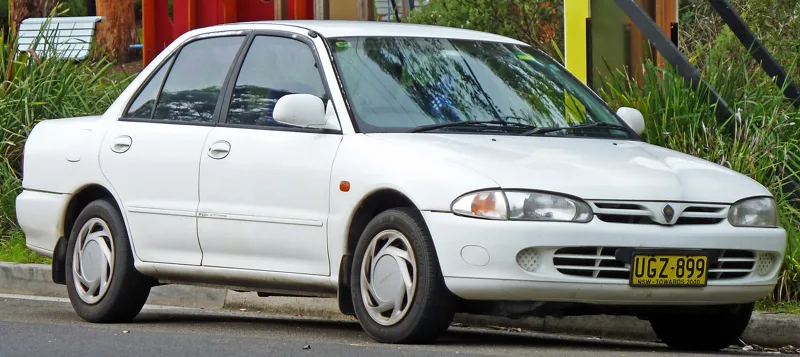
The original car is known as Series 1. Malaysian-built cars were assembled from kits at Proton's Shah Alam factory between 1997 and 2003. The drivetrain was imported complete and the bodies were painted at Hethel before export. Malaysian cars sold for double the British price because of local vehicle taxes.
A fibreglass body on a bonded aluminium chassis kept the Elise light enough for weight to matter more than power.
How was the Elise put together?
The Elise is a two-seat roadster with a rear mid-engine, rear-wheel drive layout. Its fibreglass body shell sits on a bonded extruded aluminium chassis, which gives a stiff platform for the suspension. The approach kept both weight and production costs low, and the centre of gravity sits 470 mm (about 18 in) above the road.
The bonded chassis is central to the car's character because it adds little mass while staying rigid. The 1996 car weighed 725 kg (1,598 lb), and that figure explains much of its reputation for agility. Lower weight also helped braking and fuel consumption, as well as cornering.
The Series 2 cars kept the same basic approach even though the rules changed around them. The body was reworked, but the car still used a rear mid-engine layout with a fibreglass body. Series 3 cars followed the same pattern.
How quick was the original Elise?
The 1996 Elise weighed 725 kg (1,598 lb) and used a 1.8 litre Rover K-series engine rated at 118 bhp (88 kW; 120 PS). Its modest output was offset by low mass, which allowed 0-97 km/h (0-60 mph) in 5.8 seconds. The same engine later appeared in the Rover MGF.
Cornering benefited from the low centre of gravity, and the lighter body meant less work for the brakes. Lotus also offered limited editions aimed at track use, including the Sport 135, Sport 160 and Sport 190. These carried sports suspension, wheels and tyres suited to circuit driving.
What was the 111S?
The 111S arrived in early 1999 with a 1.8 litre K-series fitted with variable valve control on the intake valves only. It was rated at 143 bhp (107 kW; 145 PS), against 118 bhp for the standard engine. A closer-ratio manual gearbox and a lower final drive improved acceleration.
Minor changes included extra seat padding, new headlamp covers, a rear spoiler, cross-drilled brake discs and six-spoke wheels. Because the rear wheels were wider, the car needed spats on the rear arches to comply with EU rules. Some 111S cars also carried a chipcutter front grille.
Later 111S cars used a Toyota engine rather than the Rover unit. The switch is believed to relate to US federalising issues, although that has not been proven.
What was the 340R?
The 340R was a roofless, limited-edition Series 1 Elise introduced in 2000, with 340 cars built. The name came from the power-to-weight target of the original prototype, which made 177 bhp and weighed 500 kg. Production cars weighed 701 kg (1,545 lb), and the Track Pack version lifted power to 192 bhp while cutting weight to 571 kg.
The Track Pack car therefore matched the power-to-weight figure that the name was built on.
What was the Exige?
The Exige arrived in 2000 as a hardtop version of the Elise. It used the 177 bhp engine from the 340R, with different front and rear clamshell bodywork, larger wheels and a rear wing. Many cars were later raised to 190 bhp through revised engine control and cam timing.
Series 2 Exige cars used the same Toyota 1.8 litre engine and six-speed gearbox as the 111R, replacing the Rover K-series unit of the earlier car. This gave the Exige the same engine character as the 111R.
What changed with the Series 2 car?
Series 2 was needed because the Series 1 could not be built beyond the 2000 model year under new European crash regulations. General Motors offered to fund the project in return for a GM-engined version for Opel and Vauxhall. The car was announced on 9 October 2000 under the project name Monza.
The Series 2 was a redesign that used a slightly modified Series 1 chassis to meet the new rules. Its body paid homage to the earlier M250 concept, and it was the first Lotus designed on a computer. The engine was still a K-series, but it was controlled by a new Lotus-developed ECU.
The Opel Speedster and Vauxhall VX220 were built on the same production line at Hethel. The two cars shared many parts but used different drivetrains and power plants. The VX220 had a 30 mm longer wheelbase and lower door sills, so its chassis was not identical to the Elise S2.
Which engine did the 111R and Federal Elise use?
The 111R and the North American Federal Elise used a 1.8 litre Toyota 2ZZ-GE engine producing 189 bhp (192 PS; 141 kW). It had variable valve timing on the intake side and variable lift on both sides. Although the unit came from Toyota, Lotus tuned it in-house, and many tests recorded 0-60 mph in about 4.9 seconds.
The 2ZZ-GE gave a considerable jump over the 120 bhp (89 kW; 122 PS) of the Rover K-series it replaced. The 2007 Elise S became the new base model with this Toyota engine, and it brought airbags, ABS brakes and electric windows as well.
The Elise S base car weighed 860 kg (1,896 lb), heavier than the Rover-powered model it replaced. That extra weight came from airbags, ABS brakes, electric windows and carpet, which were added to the base car.
What happened when the Elise reached the United States?
The 2005 Elise was the first to be sold commercially in the United States, in summer 2004. NHTSA granted a three-year exemption because the car did not meet US bumper and headlight rules. The waiver expired in August 2011, and the 2011 model was the last offered for street-legal sale there.
The first-year US cars had a headlamp design flaw that let sunlight build up inside the lamp housings, sometimes melting them. Later cars used sealed headlamp units, and 2006 models brought LED tail lights.
Lotus also built a limited production run of 50 Lotus Sport Elise cars for the US in 2006.
How did the Cup models differ from the standard Elise?
The Cup models were the track-focused, supercharged Elises that Lotus introduced from 2015. The Cup 220 produced 217 bhp (162 kW; 220 PS) and reached 0-60 mph in 4.2 seconds. It was revealed at the 2015 Geneva Motor Show.
The Cup 250, shown at the 2016 Geneva Motor Show, produced 243 bhp (181 kW; 246 PS), taking 3.9 seconds to reach 0-60 mph, with a dry weight of 884 kg (1,949 lb). The Cup 260 followed in October 2017 with 250 bhp (186 kW; 253 PS), 265 N m of torque and 180 kg (397 lb) of downforce at 151 mph (243 km/h).
The Cup 260 borrowed its double taillight units from the Exige Sport 380 and its rear wing from the Lotus 3-Eleven. Lotus said the added aerodynamic elements, combined with low weight, raised top speed and acceleration as well as downforce.
What are the main Elise specifications?
| Model | Power | Weight | Acceleration |
|---|---|---|---|
| Series 1 (1996) | 118 bhp (88 kW; 120 PS) | 725 kg (1,598 lb) | 0-60 mph in 5.8 seconds |
| 111S (1999) | 143 bhp (107 kW; 145 PS) | No figure | Faster than the standard car |
| Series 2 111R (Toyota 2ZZ-GE) | 189 bhp (141 kW; 192 PS) | No figure | About 4.9 seconds to 0-60 mph |
| Cup 220 (2015) | 217 bhp (162 kW; 220 PS) | 932 kg (2,055 lb) dry | 0-60 mph in 4.2 seconds |
| Cup 250 (2016) | 243 bhp (181 kW; 246 PS) | 884 kg (1,949 lb) dry | 0-60 mph in 3.9 seconds |
| Cup 260 (2017) | 250 bhp (186 kW; 253 PS) | 862 kg (1,900 lb) | 0-60 mph in 3.8 seconds |
| Sprint (1.6 litre) | No figure | 798 kg (1,759 lb) | 0-60 mph in 5.9 seconds |
| Sport 240 Final Edition (2021) | 240 bhp (243 PS; 179 kW) | 898 kg | 0-100 km/h in 4.5 seconds |
Was there an electric Elise?
Yes. The Zytek Lotus Elise was built jointly by Lotus and Zytek from 1998 to 2003. Its 250 nickel-cadmium batteries supplied 300 volts to two oil-cooled motors, giving a total of 150 kW (201 hp; 204 PS). The car weighed 875 kg (1,929 lb) and was limited to 90 mph (145 km/h).
Each motor drove the car through a single-speed, fixed-ratio transmission, which kept the drivetrain simple. The body was a composite shell over an extruded aluminium space frame, so the electric car followed the same lightweight thinking as the petrol models.
A Zytek Elise is on display at the Heritage Motor Centre.
How did the Series 3 car change?
The Series 3 facelift was unveiled in February 2010 under the project name Anglesey. It introduced single triangular headlights and a 1.6 litre engine to meet Euro 5 emissions rules, with 136 PS (100 kW; 134 hp). From model year 2012 a supercharged 2ZR-FE took over, and it stayed in production until 2021.
A design study previewed the Series 3 car at the 2010 Paris Motor Show, where it was shown beside a concept Esprit. That concept was heavier than the production car and used a considerably more powerful 2.0 litre inline-4. The production model was reshaped, with the engine reduced to 1.6 and 1.8 litre units, the 1.8 supercharged.
How was the Elise received?
Critics rated the Elise highly for its driving experience. Autocar named it Best Driver's Car in 2001 and gave it the Icon of Icons award at its 2019 awards. UK Horizons TV chose it as Car of the Year in 2003, while BBC Top Gear Magazine called it its Best Sportscar in 2004.
The Daily Telegraph placed the Elise at number 44 in its list of the 100 best cars ever made. That placed it among the best cars ever made, according to the newspaper's own list.
How did Elise production end?
Production of the Elise, Exige and Evora ended in 2021, and the Lotus Emira replaced the range. The last Elise built was a Sport 240 painted gold, delivered to Elisa Artioli, the car's namesake. Final Edition models had been unveiled online on 9 February 2021.
The two final editions were the Sport 240 and the Cup 250. The Sport 240 was the lightest car on offer, at 898 kg, thanks to carbon fibre sill and engine covers and a lithium-ion starter battery.