A light commercial van sold under five brand names, later offered in electric and hydrogen forms, with a shared design that ran from 1994 onwards.
Launched by Citroen in June 1994 as the Dispatch in some markets, this van was developed by FCA Italy and PSA Group. Partner brands Peugeot, Fiat, Opel and Toyota sold their own versions, and the design has since gained electric and hydrogen variants.
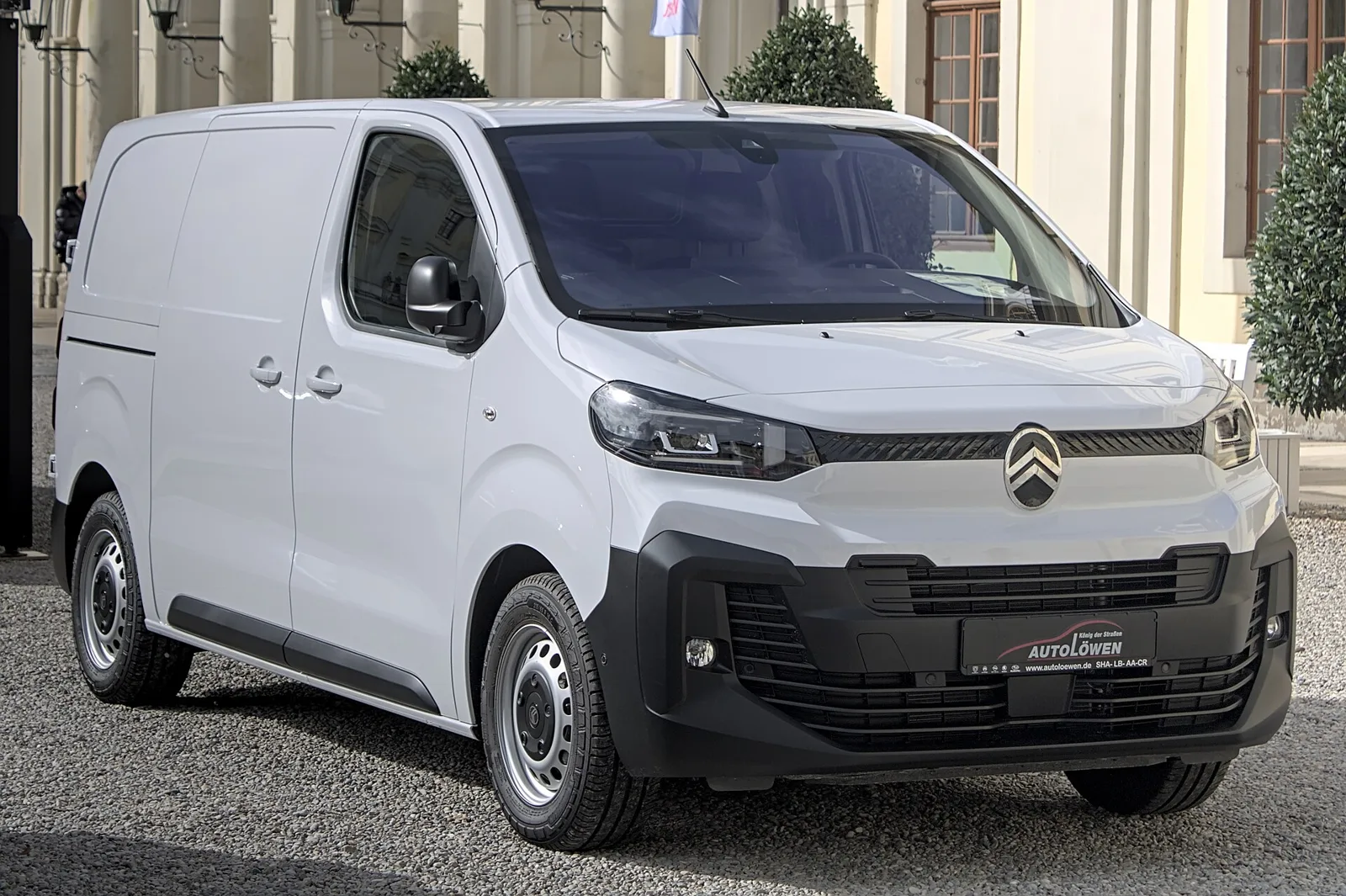
The Citroen Jumpy is a light commercial van that Citroen launched in 1994 and that four partner brands also sold under their own badges. FCA Italy and PSA Group developed it together, and Stellantis has carried the programme since 2021. Three generations, a 2023 facelift and a range of electric and hydrogen versions have followed the original design.
Where did the Citroen Jumpy come from?
The Citroen Jumpy came from a joint effort between FCA Italy and PSA Group, built through Sevel, a 1994 venture between the two companies. Citroen launched it in June 1994, calling it the Dispatch in English-speaking markets. Peugeot and Fiat followed with their own badged versions in 1995 and 1996.
Sevel was the joint venture that built the vans in the years that followed the launch. The PSA and Fiat partnership formally ended in March 2016, which marked the end of one chapter in the van's shared history. The Dispatch name still appears in some countries today.
One van engineered as a single family, badged five ways, and later offered with electric and hydrogen power.
How did the first-generation van differ from its siblings?
Very little. Underneath, the Citroen, Peugeot and Fiat versions used the same mechanical package and body shell as the Sevel Nord Eurovans family, which included the Citroen Evasion, Fiat Ulysse, Lancia Zeta and Peugeot 806. Engines were the main point of difference, because the Fiat version used its own range rather than the units fitted to the Citroen and Peugeot.
The 2004 update reworked the nose, bumper and bonnet on every model. For the first time, the headlamps were integrated with the indicators rather than sitting in a separate cluster. All three models received the update in March 2004.
What changed with the second-generation Jumpy in 2007?
The second generation launched in November 2006, with deliveries in key markets from January 2007. It offered more cargo room and a wider choice of body styles than its predecessor. The Citroen was offered with 90 bhp, 120 bhp (89 kW; 122 PS) and 136 bhp (101 kW; 138 PS) outputs.
Buyers could choose among four diesel engines and a single petrol engine, depending on the variant they wanted. Peugeot launched its Expert II in January 2007 and added a people carrier, the Tepee, to the range. The Fiat Scudo left the line-up in the summer of 2012.
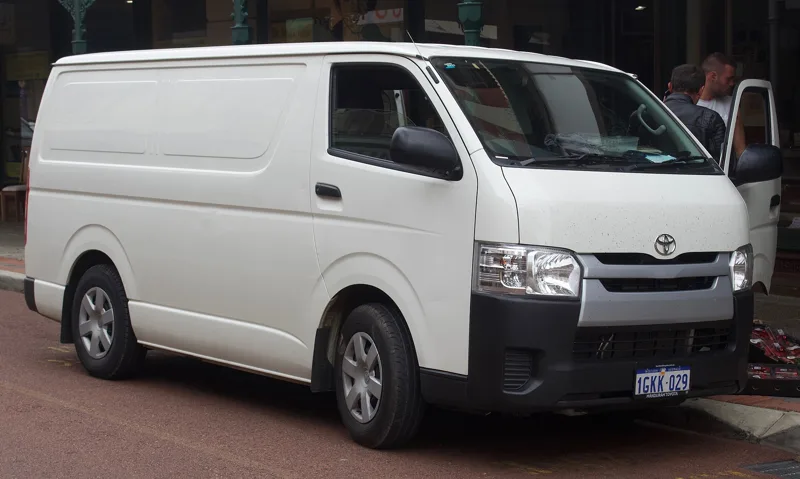
A slight facelift in February 2012 changed the grille and front bumper. From July 2013, Toyota began selling its rebadged version under the Proace name, which kept the platform's identity while giving the brand its own version of the van.
When did the third-generation Jumpy arrive?
Citroen, Peugeot and Toyota unveiled the new generation in December 2015 in people-carrying form, with the SpaceTourer and Traveller names for the Citroen and Peugeot. Commercial versions reached the market in March 2016 under the Jumpy, Expert and Proace names. The generation was also shown as a complete family at the 2016 Geneva Motor Show.
The new vans looked more contemporary than their predecessors. Toyota kept part of the old naming on its passenger model, calling it the Proace Verso. In May 2016 Fiat replaced the Scudo with a second-generation Talento, which was a rebadged Renault Trafic.
Which other brands sold the same van?
The Jumpy's siblings were the Peugeot Expert, Fiat Scudo, Opel Vivaro and Toyota ProAce, each with its own trim and badge. Opel and Vauxhall moved their Vivaro onto the PSA van platform in 2019, and the Fiat Scudo and Ulysse returned in 2021. From the 2022 model year the Jumpy itself was also rebadged as the Fiat Scudo.
Rebadging did not mean rebuilding. The brands kept the same design and engineering, with only subtle trim differences between them. The Vivaro switch in 2019 replaced a van that had been based on the Renault Trafic from 2001 to 2019, so the change was a real platform shift for Opel.
Did Stellantis stop selling petrol and diesel passenger vans?
Yes, in most of Europe. In January 2022 Stellantis stopped marketing the combustion versions of its passenger vans, with exceptions in Switzerland and the Balkan countries. The company linked the decision mainly to European CAFE rules on fleet CO2 emissions, and the SpaceTourer, Traveller and Zafira Life now come only as electric or hydrogen models.
Panel vans were not caught by the change, and neither were Toyota-badged models, since Toyota was already within the targets those rules set. Buyers of the cargo van therefore still had combustion options after 2022.
Where was the Jumpy built?
Production spread across several plants. Assembly in CKD form began in Montevideo, Uruguay, in 2017, and the Russian plant at Kaluga started Expert and Jumpy output in April 2018. The Luton plant was due to build third-generation vans from late 2019 until it closed in 2025.
Nordex S.A. had produced 13,000 units by October 2019, and most of those were exported to Brazil and Argentina. The Traveller and SpaceTourer joined the Kaluga line in May 2018, the Zafira Life followed in December 2019, and the Vivaro arrived a few months later.
Kaluga briefly exported vans to Western Europe from February 2022. The flow stopped in March 2022 after Russia invaded Ukraine, which ended the short export programme.
How do the electric Jumpy versions compare?
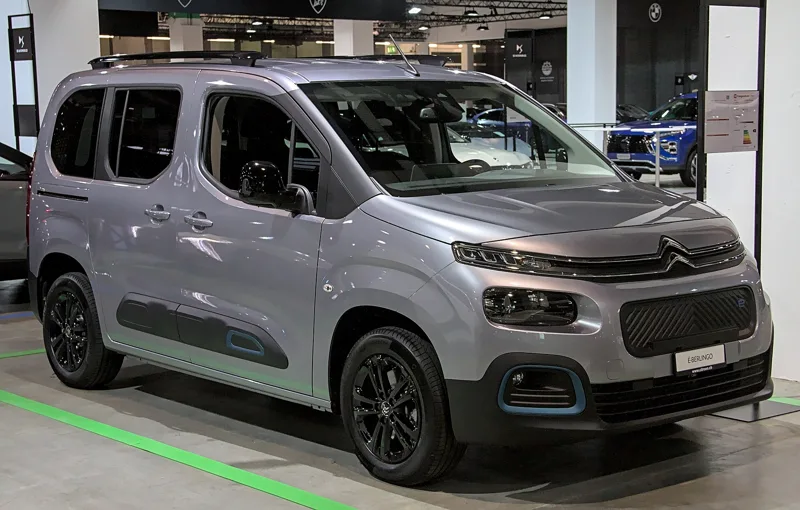
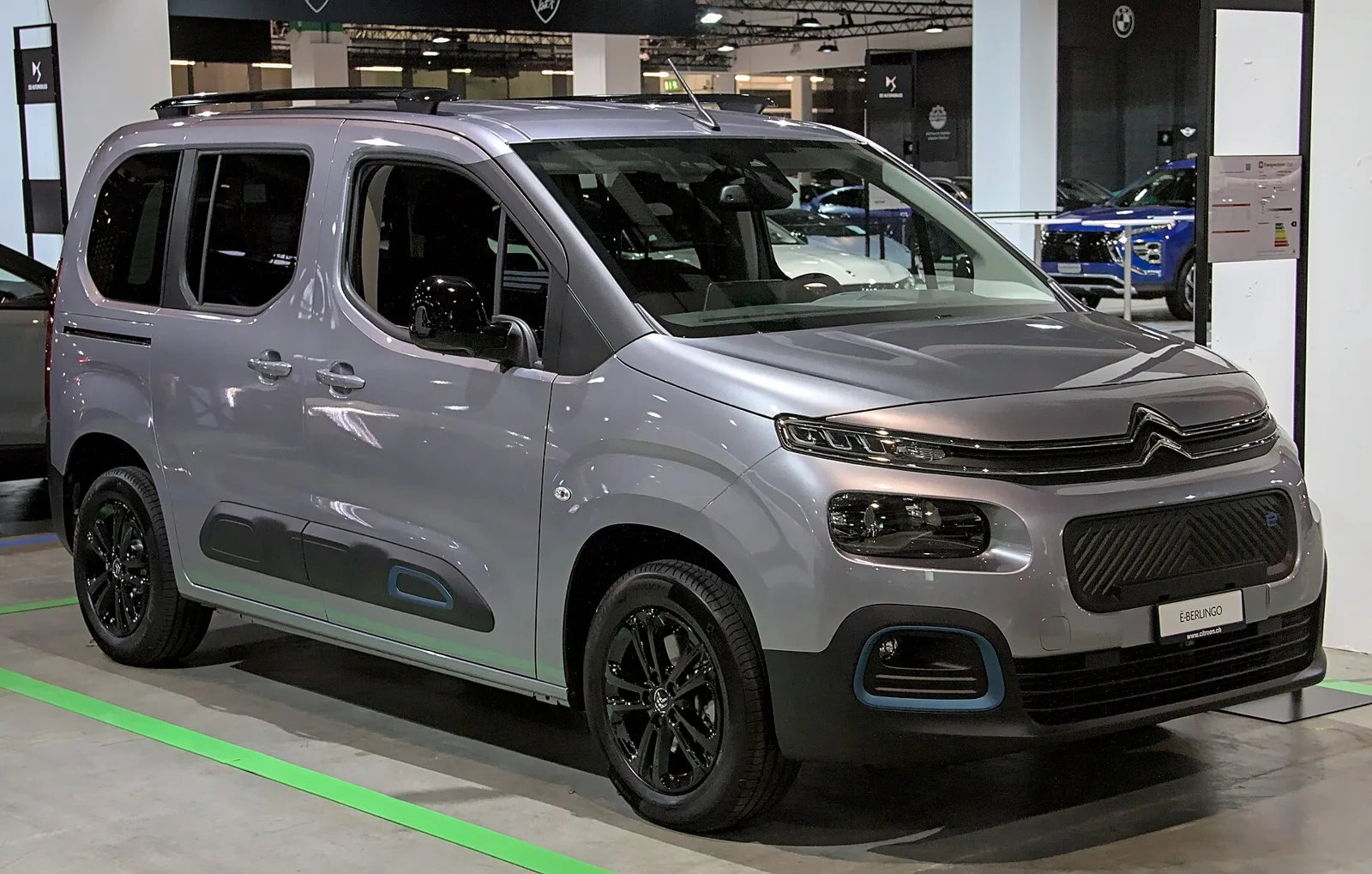
The electric eK0 vans share a 100 kW (134 hp) traction motor with the smaller Citroen e-Berlingo, delivering 260 Nm (192 lb ft) of torque. The e-Berlingo is fitted with a 50 kWh battery, while the e-Jumpy also offers a 75 kWh unit as an option. On the smaller battery the WLTP figure is 232 km (144 mi).
Range rises to 330 km (205 mi) under WLTP with the larger battery. Every van is fitted with a 7.4 kW AC charger, and an 11 kW AC unit can be chosen as an option. The motor is also used in battery-electric Stellantis passenger cars such as the Peugeot e-208.
Peugeot introduced the e-Expert in 2019 on the same platform as the Vivaro-e, and the e-Traveller followed in June 2020. The e-Expert has a blanked-off grille, an instrument cluster with a battery charge gauge and new infotainment graphics. Citroen's e-Jumpy, sold as the e-Dispatch, is similar to the e-Expert cargo van, while the e-SpaceTourer mirrors the e-Traveller.
Opel revealed the all-electric Vivaro-e in April 2020. It came in three lengths with a payload of up to 1,275 kg (2,811 lbs). The passenger version is called the Zafira-e Life in mainland Europe, while in the UK the Vivaro name is used and the vehicle is sold under the Vauxhall brand.
Toyota's Proace Electric, offered as a Verso passenger van or a cargo van, is the first all-electric passenger vehicle the brand has offered in Europe. Fiat followed with the E-Ulysse, unveiled in March 2022, and the E-Scudo cargo version.
Is there a hydrogen version of the Jumpy?
Yes. Opel revealed the Vivaro-e Hydrogen on 18 May 2021, and Peugeot and Citroen followed with e-Expert Hydrogen and e-Jumpy Hydrogen versions. The van pairs a 45 kW fuel cell with a 10.5 kW lithium-ion battery and carries a payload of 1,100 kg (2,400 lb).
Hydrogen tanks come from Symbio, a joint venture between Michelin and Faurecia. The vans are manufactured at Valenciennes and then converted to hydrogen at the former Opel plant in Ruesselsheim. The standard electric Vivaro-e carries 1,200 kg, while the combustion Vivaro carries 1,400 kg, so the hydrogen van gives up some load space.
What derivatives came from the H Van and campervan world?
Italian firm FC Automobili revealed a retro-styled interpretation of the Citroen H Van in 2017. It was based on the Citroen Relay and offered either as a coach-built conversion or as a body kit. Seventy examples were planned to mark the 70th anniversary of the Citroen Type H.
The firm was later renamed Caselani Carrosserie, and a smaller Type HG built on the Jumpy joined the lineup. Both vans can be specified with conventional engines or electric motors.
At the 2023 Caravan Salon in Germany, Citroen showed the Type Holidays, a SpaceTourer-based campervan. Styled by Caselani, it had a pop-up roof with sleeping space, a kitchenette and a folding bench seat. Citroen said the concept previewed a new range of Holidays-branded vehicles aimed at van lifers and holidaymakers.
What are the Citroen Jumpy specifications?
| Specification | Detail |
|---|---|
| Generations | 1994 (first), 2007 (second, G9), 2016 (third, K0) |
| Electric motor | 100 kW (134 hp); 260 Nm (192 lb ft) of torque |
| Electric battery | 50 kWh on the e-Berlingo; 75 kWh option on the e-Jumpy |
| WLTP range | 232 km (144 mi) with the smaller battery; 330 km (205 mi) with 75 kWh |
| Charging | 7.4 kW AC standard; 11 kW AC option |
| Vivaro-e payload | Up to 1,275 kg (2,811 lbs) |
| Hydrogen version | 45 kW fuel cell; 10.5 kW lithium-ion battery; 1,100 kg (2,400 lb) payload |
| Production sites | Montevideo (CKD from 2017); Kaluga (from April 2018); Luton (closed 2025) |