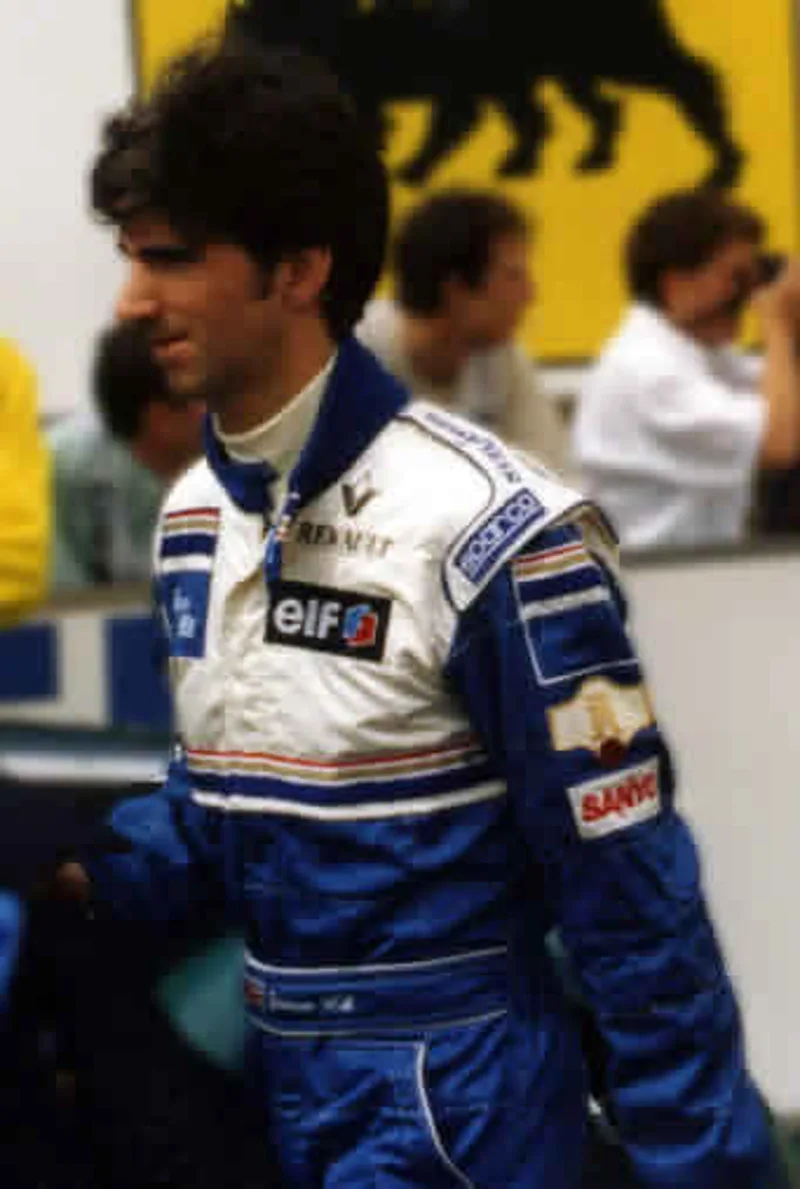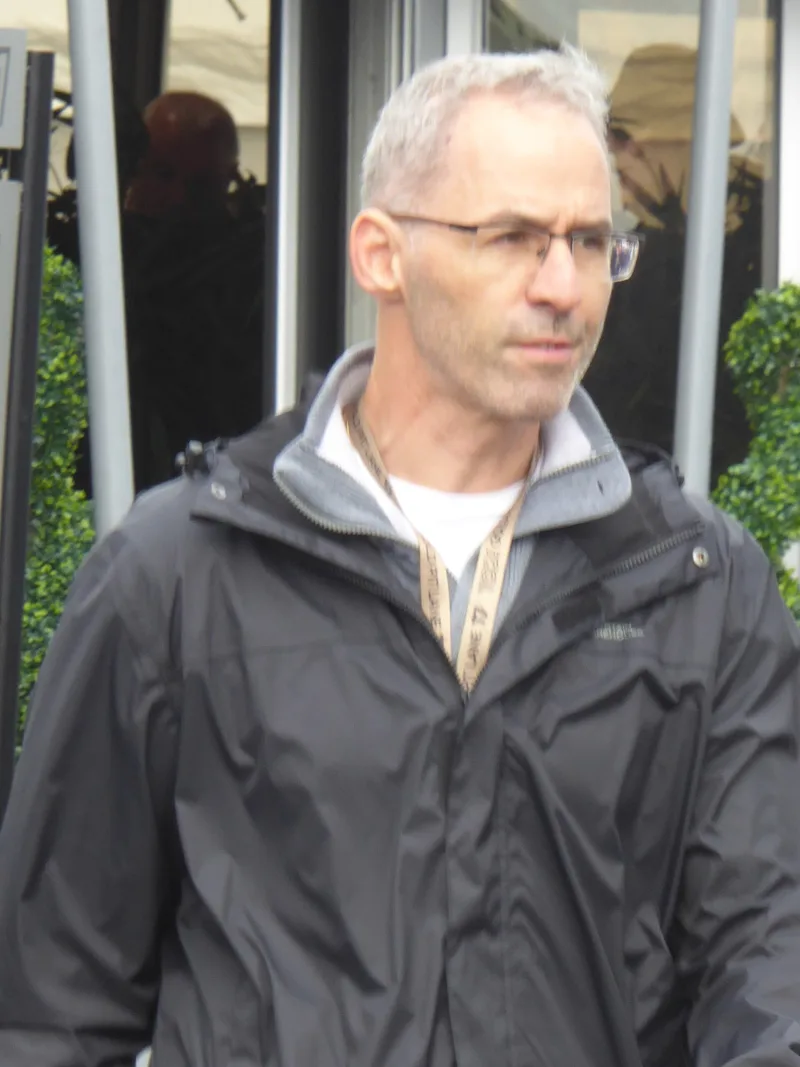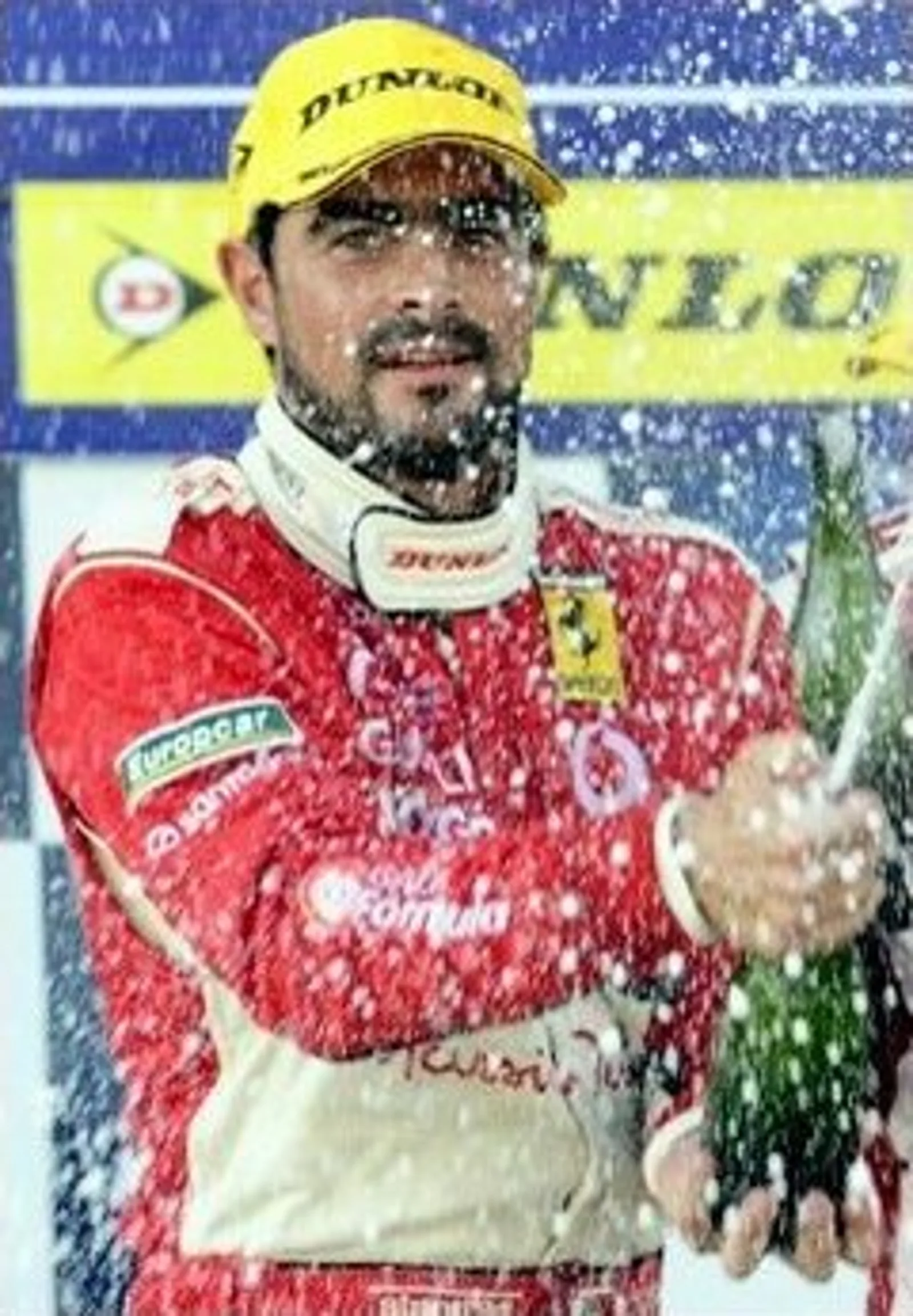
A Portuguese driver who moved from children's music to karting, Formula Opel and GT racing, and later became the World Endurance Championship safety car driver.
Born in Angola on 23 March 1970, Pedro Couceiro is a former Portuguese driver who competed in Formula Opel, German Formula 3, Formula 3000 and GT racing. He left competition in early 2011 and now works in sports management, and he is a safety car driver for the FIA and the WEC.
Pedro Couceiro is a Portuguese former racing driver whose path ran from child singing to karting, single-seaters and GT racing. He competed in Formula Opel, German Formula 3, FIA International Formula 3000 and the Porsche Supercup, and he has been the safety car driver at the World Endurance Championship since 2016.
How did Couceiro start out as a child singer?
Couceiro was born in Angola in 1970 and moved with his parents to Portugal in 1974. He took up the piano at seven, and his musical career began when he was chosen for the group Os Traquinas, which recorded three albums.
Through that group he came to the attention of one of the producers at Valentim de Carvalho, and he later entered the Gala Internacional dos Pequenos Cantores, the most important contest for children in the 1970s and 1980s. The songs he sang there were written by Carlos Paiao.
Between 1980 and 1983 he recorded four solo albums and became one of the young successes of Portuguese popular music. He travelled the country, performing in many venues and appearing on major television programmes. Around 1983, while preparing a fifth album, his voice was changing and his obligations were growing, so he chose to leave singing and devote himself to karting.
A child singer who became a Formula Opel contender, a GT team champion and later the safety car driver of the World Endurance Championship.
Why did he choose karting over music and study?
Couceiro followed his older brother Nuno into karting, using money he had earned from singing to buy his first kart. His father had hoped he would become a civil engineer, so he kept his grades up while racing and went on to study at the Instituto Superior Tecnico de Lisboa.
He took a degree in civil engineering, specialising in transport and communication routes. Alongside his studies he learned English at the British Council and passed the First Certificate, a grounding that proved useful when he later spent time in England.
How did his karting career develop?
Couceiro's first official event was the Volante de Prata Trophy in July 1982, organised by the ACP. He qualified 18th from more than 140 candidates, and he was the second youngest competitor in the field. With no family history in the sport, he relied on his brother's support to start.
In 1983 the Junior category was created and he began competing in national championships. His first victory came at the Cantanhede circuit, but his support truck burned there with much of the equipment he had bought to compete. Friends helped him get back on track two races later.
He finished vice-champion in the Junior category in 1983 and again the following year. In mid-1985 he moved up to Intercontinental Category A, the most prestigious class in the discipline, won the Portuguese Cup in 1986, was vice-champion the following year and finished third in the final in 1988.
How did he rise through the single-seater ranks?
In 1989 Couceiro entered the Portuguese Formula Ford National Championship and finished second in his debut single-seater race. It was among the most demanding championships of that time. A serious accident two races from the end of that season left him bedridden for almost three weeks, and he finished the year sixth.
After an internship in England he returned for 1990 in strong form. He won two races straight away and went on to take the national title, a result that gave his career a strong boost.
In 1991 he entered the Formula Opel - GM Lotus European Championship, one of the most prestigious series for young talent at the time and a support category for Formula 1 events. He ran in the top ten for much of the first half of the season, then began fighting for podium places towards the end.
In 1992 he opened with a victory and two podiums in consecutive races. Disagreements with his team and the changes that followed kept him out of the title fight, but he and Manuel Giao finished as Nations Cup vice-champions that year. In 1993 he could not raise the money to move up to Formula 3, so he repeated the European Formula Opel series, where mechanical problems again cost him the title fight near the end.
What did his German Formula 3 and Formula 3000 years achieve?
In 1994 Couceiro entered the competitive German Formula 3 championship, where he took five second places, eight podiums and ten top-five finishes. Although he was not an official Opel driver that season, he was in the title fight against Fiat's Jorg Muller and the official Opel drivers Alexander Wurz and Ralf Schumacher. He stayed in the series in 1995 after switching from Opel to Fiat, and he made his touring car debut that year in an Alfa Romeo 155 DTM at an ITC event held at Estoril.
In 1996 he moved up to the FIA International Formula 3000 Championship, the feeder series for Formula 1. He finished fifth in his debut race, one of the few drivers to score points in a first outing. That season was largely a year of learning, with good results alongside many difficulties.
In 1997 he stayed in Formula 3000 with the aim of making the final step into Formula 1. He opened the season with second place at Silverstone, but mechanical problems and accidents took the momentum away. Negotiations for a Formula 1 seat did not come to anything, and he turned to touring and GT cars instead.
How did his GT and sports car career go?
Couceiro entered the Porsche Supercup in 1998, a single-make series regarded as the most competitive of its kind. Its races ran on the same weekends as Formula 1, which kept him in front of the teams. He needed a period of adaptation, as most drivers coming from single-seaters did, before he began to finish regularly in the top ten. He took pole position and second place at Melbourne in 1999 and led the championship, but a run of accidents removed him from the lead.
From 2001 he raced in the GT Spanish Championship with Miguel Pais do Amaral. Results were strong in 2001, 2002 and 2003, and in 2004 the pair finished vice-champions of the GT Iberic Cup and third in the GT Spanish Championship.
In 2007, about to mark 25 years in the sport, he partnered Manuel Giao again in the GT Spanish Championship. The pair took several podiums, became Iberian GT champions and finished as Spanish vice-champions.
The following year the pair moved up to the International GT Open, also known as the European GT. They finished third in the championship and added a team title for PlayTeam Ferrari, with M. Maceratesi and Andrea Montermini. In 2009 they switched to a Porsche run by Autorlando, finished fourth and repeated the team title alongside G. Roda and Richard Lietz.
The following season he raced in the GT3 category with the Kessel team. He was still in contention for the title late into the campaign, but a few mishaps left him fifth in the standings.
What has he done since leaving competition?
Couceiro officially left competition early in 2011. He then concentrated on business through PNC Lda, a company he founded in 1996 with his brother Nuno, which manages and promotes sports events and advises on sports careers. Its management clients have included Filipe Albuquerque, Rafael Lobato, Manuel Giao and Yarin Stern. The company also coaches competition drivers.
In 2013 he helped create Meritis, a youth support association formed by people from sport, culture, the arts, the economy and wider society. Its purpose is to help young people with real talent who also need help structuring their careers. From the start of the 2016 season he became the Safety Car Official Driver at the World Endurance Championship, taking part in the organisation of one of the most prestigious world championships.
In 2021 he was invited to act as an advisor and joined the General Council of the University of Coimbra. That mandate was extended to the end of 2024. He also works with the FIA as a Driver Advisor and as a Safety Car Driver.
What social work has he done?
Couceiro has been a UNICEF Goodwill Ambassador in Portugal since 1995. He shared that role from 2001 with the footballer Luis Figo, and more recently with the fado singer Mariza and the television presenter Barbara Guimaraes.
In 2009 he launched the comic book biography Sonho Sem Fim with illustrator Rui Ricardo and writer Hugo de Jesus. All of the profits went to the Portuguese charity SOS Children's Villages International. Outside sport, he says his free time goes to golf, video games and the piano.
Career summary by series
| Series | Years | Strongest result |
|---|---|---|
| Portuguese Formula Ford | 1989 to 1990 | National champion, 1990 |
| Formula Opel - GM Lotus European Championship | 1991 to 1993 | Nations Cup vice-champions with Manuel Giao, 1992 |
| German Formula 3 | 1994 to 1995 | Five second places, eight podiums and ten top-five finishes in 1994 |
| FIA International Formula 3000 | 1996 to 1997 | Fifth place on debut in 1996; second place at Silverstone in 1997 |
| Porsche Supercup | 1998 to the early 2000s | Pole position and second place at Melbourne in 1999 |
| GT Spanish Championship and GT Iberic Cup | 2001 to 2007 | Vice-champions of the GT Iberic Cup, 2004 |
| International GT Open | Late 2000s to the 2010s | Third place, with a team title for PlayTeam Ferrari |
| World Endurance Championship | 2016 onward | Safety Car Official Driver |
Couceiro's career moved across three decades of motorsport, from single-seaters in the late 1980s to sports car safety work in the 2010s. His management work through PNC continues alongside his official roles.