Founded in 1975, the Netherlands-based team built a reputation for junior titles and a steady line of drivers who went on to Formula One.
Van Amersfoort Racing is a Dutch team formed in 1975. It has produced ten Formula One drivers and won junior titles from Formula Ford to Italian F4, and it races today in the Formula 2 and Formula 3 grids. Its base remains in the Netherlands.
Van Amersfoort Racing (VAR) is a Dutch team that has raced since 1975, when Frits van Amersfoort formed it. It has won titles across Formula Ford, Formula Renault and German Formula 3, and it has given ten Formula One drivers their start in single-seaters. The team's results span decades of Dutch and German junior racing.
What is Van Amersfoort Racing?
Operating from the Netherlands under the VAR name, the team now races in Formula 2, Formula 3, the Formula Regional European Championship and Italian F4. It took over the Formula 2 and Formula 3 places once held by HWA Racelab from 2022.
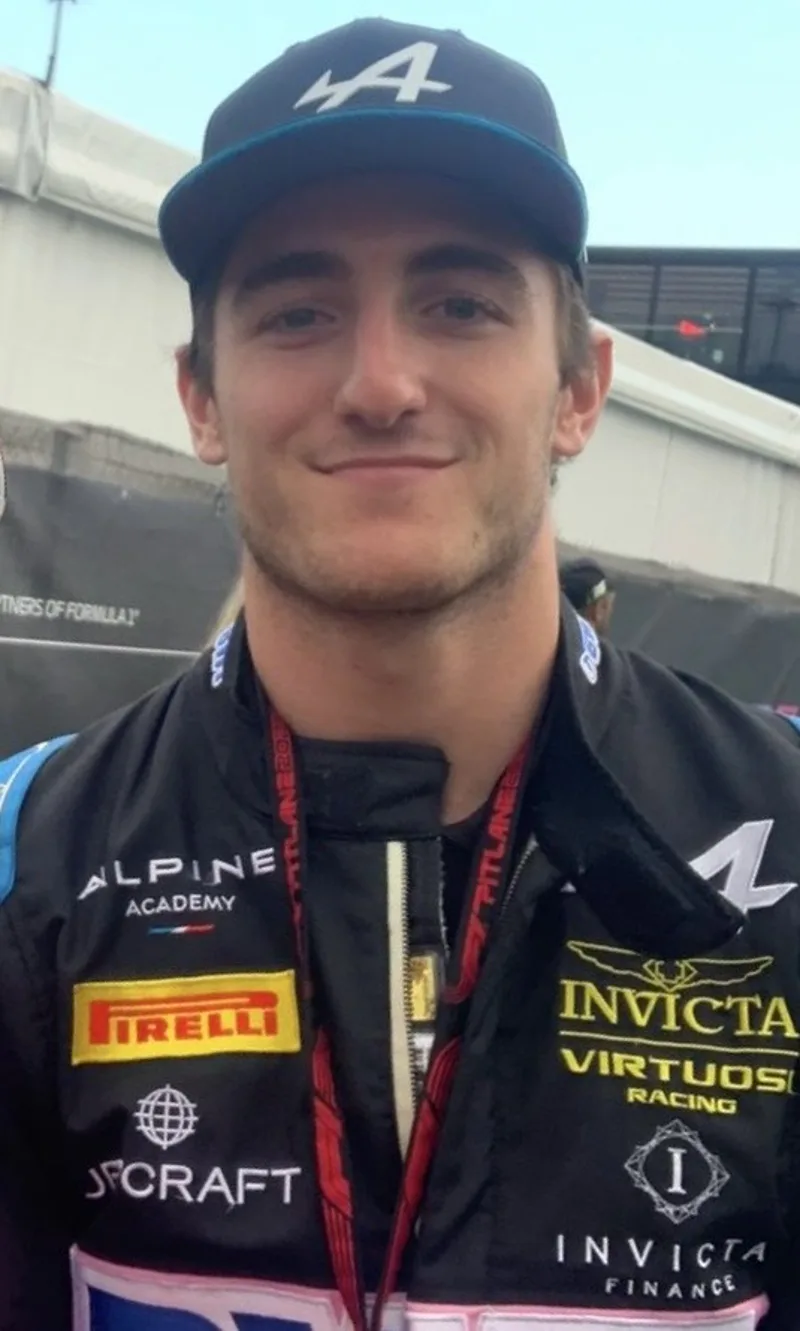
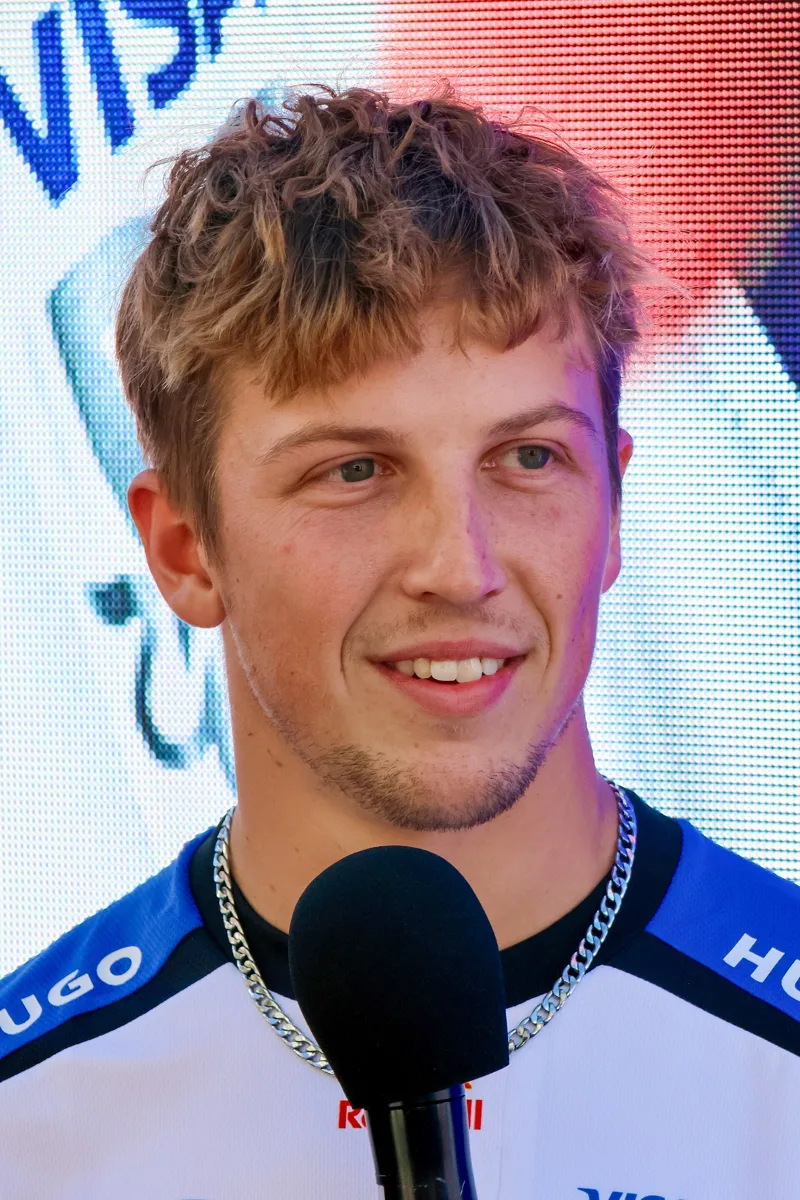
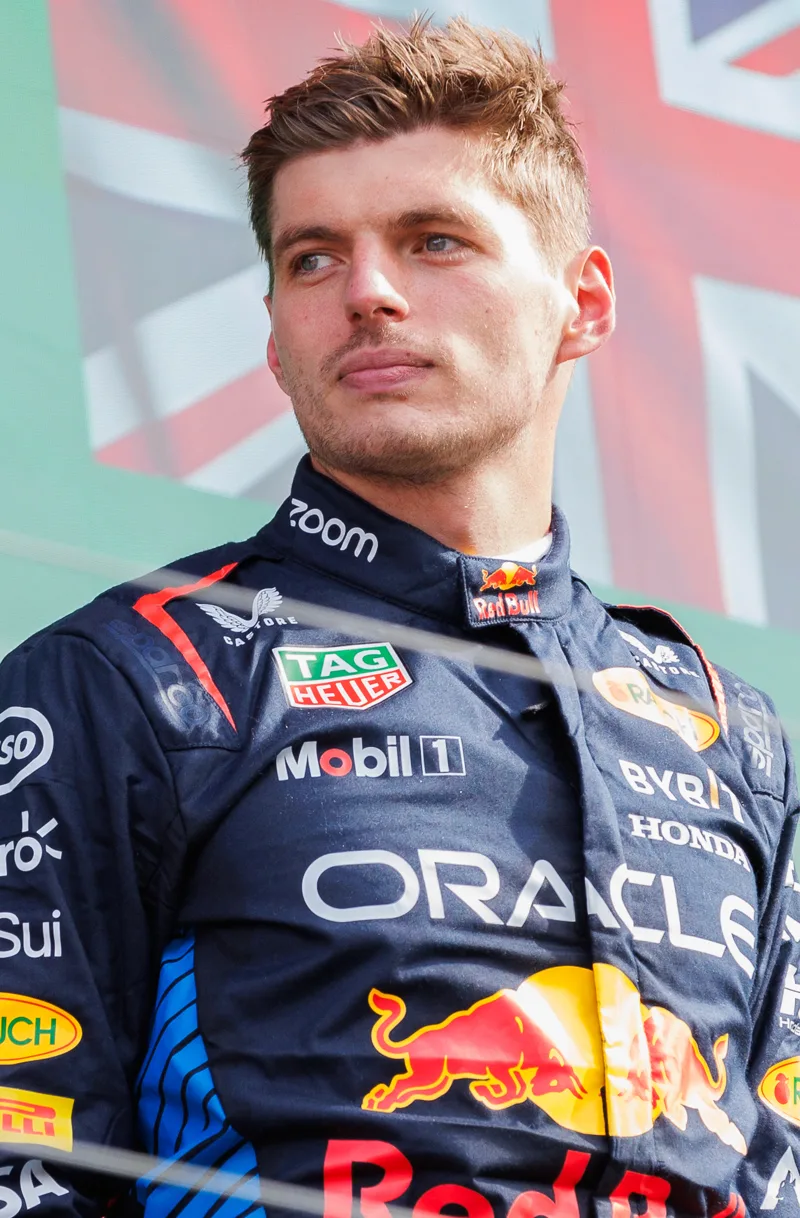
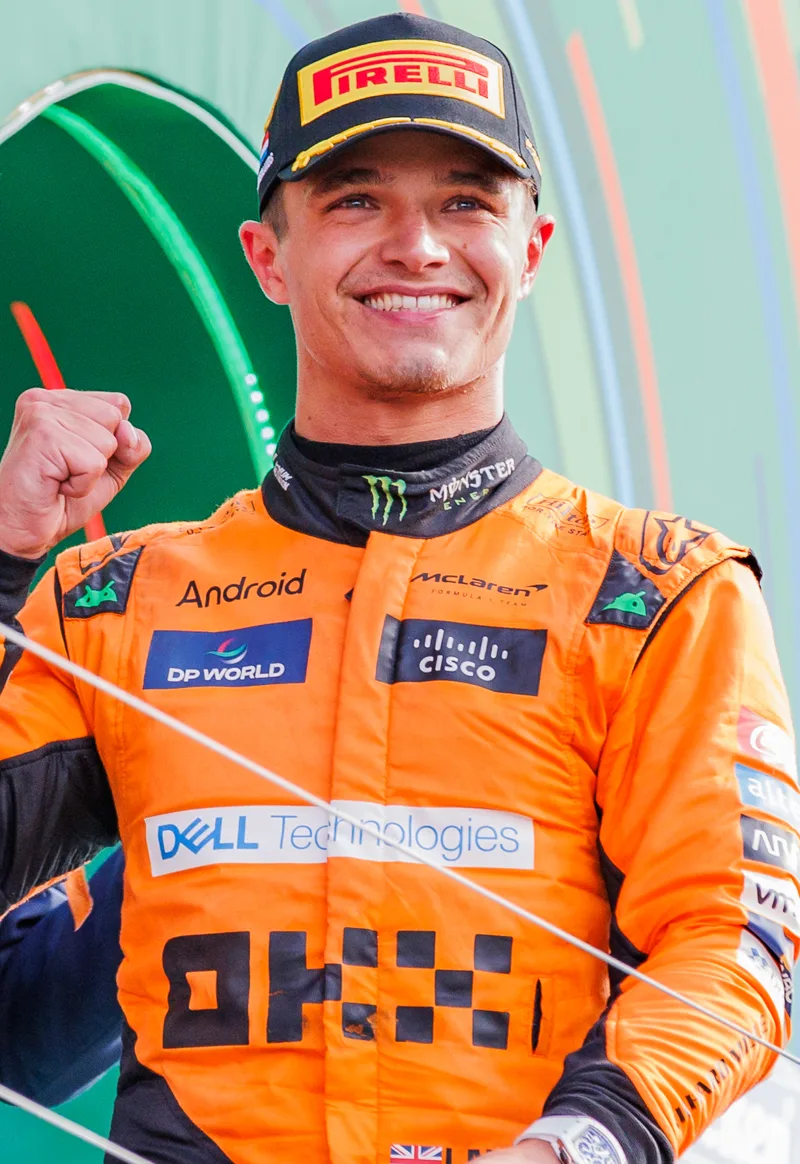
The alumni who reached Formula One include Charles Leclerc, Max Verstappen, Mick Schumacher, Kevin Magnussen and Franco Colapinto. In total ten drivers from the team's line-ups reached the top category, and that list is one of the clearest measures of the team's success with young talent.
A Dutch team built on early junior titles that gave Formula One a long list of drivers, from Jos Verstappen to Charles Leclerc.
How did the team begin in Dutch single-seaters?
Frits van Amersfoort set the team up in 1975. It raced in series such as Formula Opel Lotus Benelux, the Opel Lotus Euroseries and Dutch Formula Ford, building the experience that later carried it into bigger championships.
Its first major success came in 1989, when it won the Formula Ford 1600 Netherlands championship with Marcel Albers. In 1992 the team won the Formula Opel Lotus Benelux title with Jos Verstappen, a result that made the Verstappen name part of the team's history from the start.
How did the German Formula 3 years go?
The first Formula Three car arrived in 1997, when Bas Leinders was signed for the German championship. It collected three podiums, and Leinders finished the season seventh. The team moved to two cars the following year, retaining Leinders and adding Christijan Albers.
Both drivers won nine of the 20 races that year, and Leinders took the first Formula 3 championship title for the team. The results showed how quickly a small team could move from a single car to a title-winning pair.
The line-up changed sharply after that. In 1999 Thomas Mutsch, Etienne van der Linde and Jacky van der Ende shared the seats, and Mutsch was the only driver to finish on the podium. The next season Tom van Bavel and Jeroen Bleekemolen drove for the team.
The team had a poor spell in 2001 and 2002. Marc Caldonazzi, Andre Fibier, Allan Simonsen and Marco du Pau did not score a podium in 2001, and the same podium drought repeated in 2002.
Why did the team switch to Formula Renault?
After the German and French Formula Three championships merged into the Formula 3 Euro Series, the team switched to Formula Renault 2.0 Netherlands in 2003. Junior Strous ended as runner-up and Giedo van der Garde fourth, collecting six and seven podiums respectively.
The pair of Carlo van Dam and Renger van der Zande finished fifth and seventh in the standings that season. For the final season of the series, van der Zande stayed and Recardo Bruins Choi joined with Dominick Muermans, and the team won the drivers' title through van der Zande and took the teams' title as well.
How did the return to German F3 unfold?
In 2006 the team returned to the German Formula Three Championship with Bruins Choi and Muermans. Bruins Choi earned his first Formula Three podium in the season finale at Oschersleben, while Dennis Swart and Gwendolyn Hertzberger raced in the new Formula Renault 2.0 Northern European Cup.
In 2007 Carlo van Dam dominated, winning eleven races. That gave the team its first drivers' F3 crown since Leinders, and the team's drivers won 13 of 18 races. Stef Dusseldorp outscored his more experienced teammate in the NEC series despite missing the last three rounds.
In 2008 Rahel Frey and Laurens Vanthoor joined the team. Vanthoor won twice and took six more podiums, and the team also entered the ADAC Formel Masters with Emma Kimilainen, who had one podium and finished in the top ten. Dusseldorp won the team's first race in the NEC.
The team repeated its success in 2009, with eleven wins and a championship for Vanthoor, while Dusseldorp added two wins. The ADAC Formel Masters entry, with Christian Wangard, was the last year of operation in that series, as the team chose to concentrate on German F3.
What changed in 2010 and 2011?
In 2010 the team expanded to three cars in German F3. Dusseldorp stayed, and Daniel Abt and Willi Steindl joined. Despite his Formula 3 debut, Abt outscored Dusseldorp, winning at Assen and Oschersleben. He stayed in the title fight until a broken lambda sensor forced him out of the final race.
Jeroen Mul won two NEC races at Zandvoort and Oschersleben that year. In 2011 Richie Stanaway, Mul and Hannes van Asseldonk signed with the team, and Stanaway took 13 wins from 18 races and the championship. That season remains the team's standout in German F3, with the most wins by any driver in its history.
How did the team fare in the FIA F3 European years?
In 2012 Lucas Auer, Rene Binder and Dennis van de Laar became the new drivers. Auer and Binder won races, but they were beaten by Jimmy Eriksson of Motopark. That year was also the team's last in the Northern European Cup.
In 2013 the team moved to the FIA Formula 3 European Championship on a full-time basis, with van de Laar and Mans Grenhagen. The start was tough, with one podium finish from Sven Muller, who took over Grenhagen's car for the last three rounds. The team also stayed in German F3 with Gustavo Menezes and Jordi Weckx.
In 2014 the German series was run for the last time. Sam MacLeod and Weiron Tan were overscored by Lotus drivers Markus Pommer and Nabil Jeffri. In the European Championship the team signed Menezes, Jules Szymkowiak and Max Verstappen.
Verstappen made his single-seater debut in that championship and had the longest winning streak in it, with six consecutive wins at Spa and Norisring. He finished third with 10 wins, one more than champion Esteban Ocon.
In 2015 the line-up was Charles Leclerc, Alessio Lorandi and Arjun Maini. Leclerc was the only driver with race wins who finished in the top five. The team also entered the new ADAC Formula 4 series, where Joey Mawson took five race wins and finished third, while Mick Schumacher won once and finished in the top ten.
Which drivers came through the ADAC F4 years?
In 2016 the team signed Anthoine Hubert, Callum Ilott, Harrison Newey and Pedro Piquet for the European Championship. Ilott and Hubert were the only race winners for the squad. Mawson won the ADAC F4 title, though the team lost the teams' championship by just 4.5 points to Prema Powerteam.
The 2017 European season was the team's worst, with no driver reaching the top step of the podium and the team last in the teams' standings. In ADAC F4 Felipe Drugovich was a title contender until the final race but lost out to Prema drivers, and Prema outscored the team by 71 points.
In 2018 Keyvan Andres and Artem Petrov drove in European F3, with Sophia Florsch added later. In ADAC F4 the squad was represented by Joey Alders, Liam Lawson, Lucas Alecco Roy, Frederik Vesti and Charles Weerts, and Lawson finished as runner-up in the championship.
What did the team win in Italian F4 and Formula Regional?
In 2019 the team committed to the inaugural Formula European Masters, but that championship was cancelled. It then entered the inaugural Formula Regional European Championship with Florsch and signed Red Bull Junior Dennis Hauger for ADAC F4.
Hauger won the 2019 Italian F4 Championship by 136 points, a margin that helped the team win the teams' championship. He was also second in ADAC F4, only seven points behind Theo Pourchaire. Those results showed the team could still produce champions in the junior ladder.
How did the team return to F2 and F3?
The announcement came in late 2021: from 2022 the team would take over from HWA Racelab in both Formula 2 and Formula 3. That move brought the team back to the top rungs of the feeder ladder after several years in regional and national series. It was a clear statement of intent from an operation that had spent much of the previous decade in the German and Dutch championships.
The return was a major step for a team that had built its name in junior formulae. It also meant the team's drivers would face the same grids as the sport's leading young talent, and it gave the operation a route to the top of the feeder structure. Those grids are where the team's current drivers now have to prove themselves.
What were the team's key championships?
The team's key championships are its 1989 Formula Ford title, its 1992 Formula Opel Lotus Benelux title, the German F3 drivers' titles of 2007, 2009 and 2011. The table below sets out the headline results by series and year.
| Series | Result | Year |
|---|---|---|
| Formula Ford 1600 Netherlands | Title with Marcel Albers | 1989 |
| Formula Opel Lotus Benelux | Title with Jos Verstappen | 1992 |
| Formula Renault 2.0 Netherlands | Drivers' title, Renger van der Zande, and teams' title | 2005 |
| German Formula Three | Drivers' title, Carlo van Dam, with eleven wins | 2007 |
| German Formula Three | Drivers' title, Laurens Vanthoor, with eleven wins for the team | 2009 |
| German Formula Three | Drivers' title, Richie Stanaway, with 13 wins from 18 races | 2011 |
| ADAC Formula 4 | Title, Joey Mawson | 2016 |
| Italian F4 Championship | Title, Dennis Hauger, 136 points clear | 2019 |
What is the legacy of Van Amersfoort Racing?
The team's legacy is measured in drivers as much as titles. Ten Formula One drivers passed through its line-ups, and its titles across the ladder show a team that developed talent at each step.
Its return to Formula 2 and Formula 3 from 2022 places it back among the sport's leading junior operations. The next chapter depends on how its current drivers perform on those grids.