A Delaware oval born as a horse track, shaped by money troubles and slot machines, and reduced from 140,000 seats to a leaner base under NASCAR-linked owners.
Opened as a horse and auto complex in 1969, this 1.609 km (1.000 mi) Delaware oval has hosted NASCAR and IndyCar races. Its seating fell from a peak near 140,000 to 54,000, and Speedway Motorsports has owned it since December 2021.
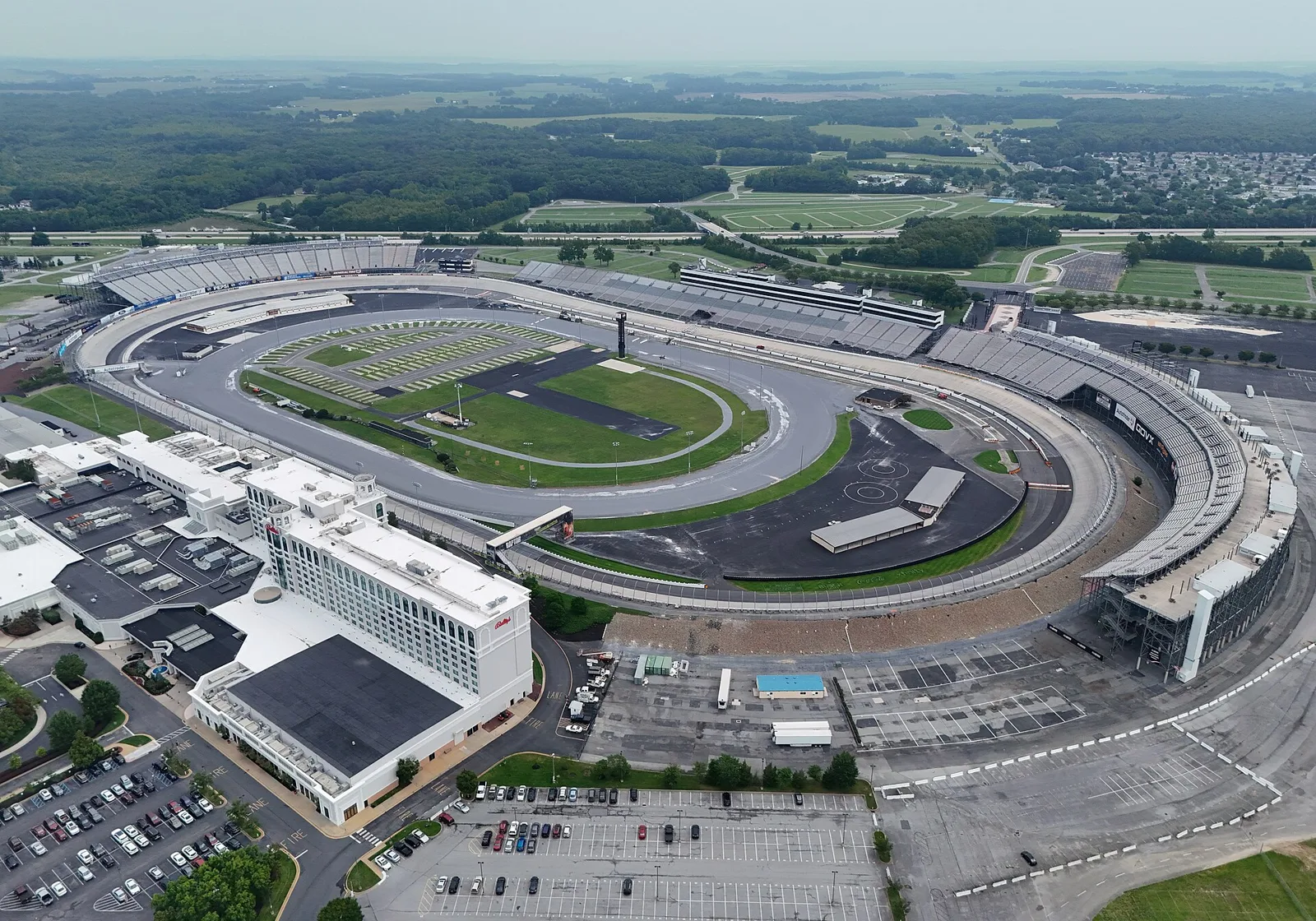
Dover Motor Speedway is a 1.609 km (1.000 mi) oval in Dover, Delaware, that opened in 1969 as part of a combined horse and auto racing complex. It has hosted NASCAR and IndyCar races, and since December 2021 it has been owned by Speedway Motorsports.
Where is Dover Motor Speedway and how is it laid out?
The oval measures 1.609 km (1.000 mi) with 24 degrees of banking in the turns and 9 degrees on the straights. Bally's Dover, the neighbouring casino, holds the land around the oval, and a horse racing track of 1.0 km (five-eighths of a mile) sits on the site.
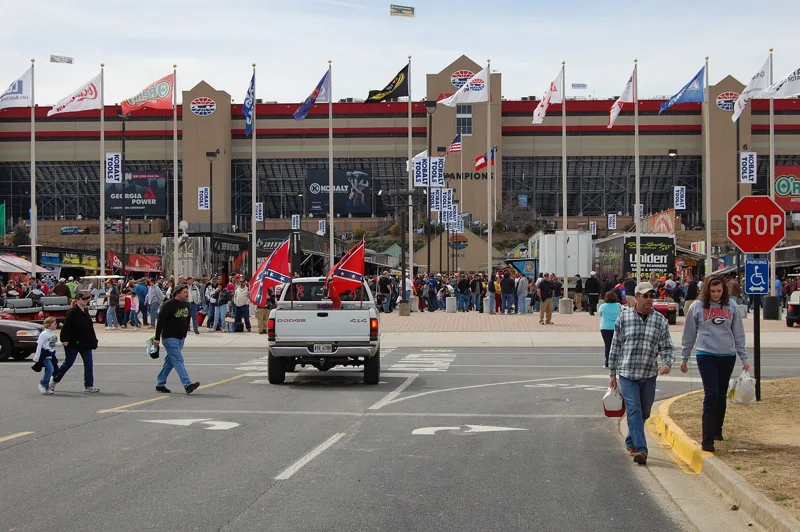
Access comes via US Route 13 and Delaware Route 1. The venue's permanent seating stood at 54,000 in 2022, and roughly 3,000 spots are set aside for camping, including overnight camping that was offered in 2025.
Peak capacity was far higher. A 2005 newspaper article put the figure at around 140,000, which made the track one of the largest venues of its kind on the NASCAR calendar.
In May 2006 the track's leadership announced a five-year renovation plan for the auto oval, focused on amenities around the property and a wider pit road. It was split into three phases, completed in 2007, 2008 and 2009.
The complex has an unusual mascot, Miles the Monster. Its first form came in 1990, when it looked like a tyrannosaurus rex, and its present design dates from 2000, when it drew comparisons with The Thing and the Hulk.
The mascot was inspired by a theme of concrete, according to a former public relations worker at the track. In 2008 a Monster Monument 46 ft (14 m) tall was erected to honour past winners at the speedway.
A Delaware oval born as a horse track has gone from 140,000 seats to a leaner 54,000 and still hosts a NASCAR weekend.
How did the speedway begin as a horse track?
The venue started as Delaware Downs, a horse racing facility announced by David P. Buckson, the state's Attorney General, in June 1967. The initial plan was budgeted at $1.5 million, and the early blueprint called for 10,000 seats, a clubhouse and space for a convention centre.
Senate Bill 201 cleared the Delaware General Assembly in July 1967 and was signed into law eight days later by Governor Charles L. Terry Jr. Buckson then bought about 600 acres of land for just under $2 million, and construction began in October that year.
An auto racing oval of one mile was added around the horse track during construction. A steel truckers' strike and picketing held up the grandstands, and the opening moved several times before it was finally set for March 8, 1969.
The opening was pushed back partly so the venue would not compete with Georgetown Speedway, a nearby track. Liens of at least $286,500 were filed in June 1968, and they had to be cleared before the opening could take place.
Rollins and Joseph secured a $3 million financing plan. Rollins was the primary backer, and Joseph oversaw the construction. This let the group clear the liens by July.
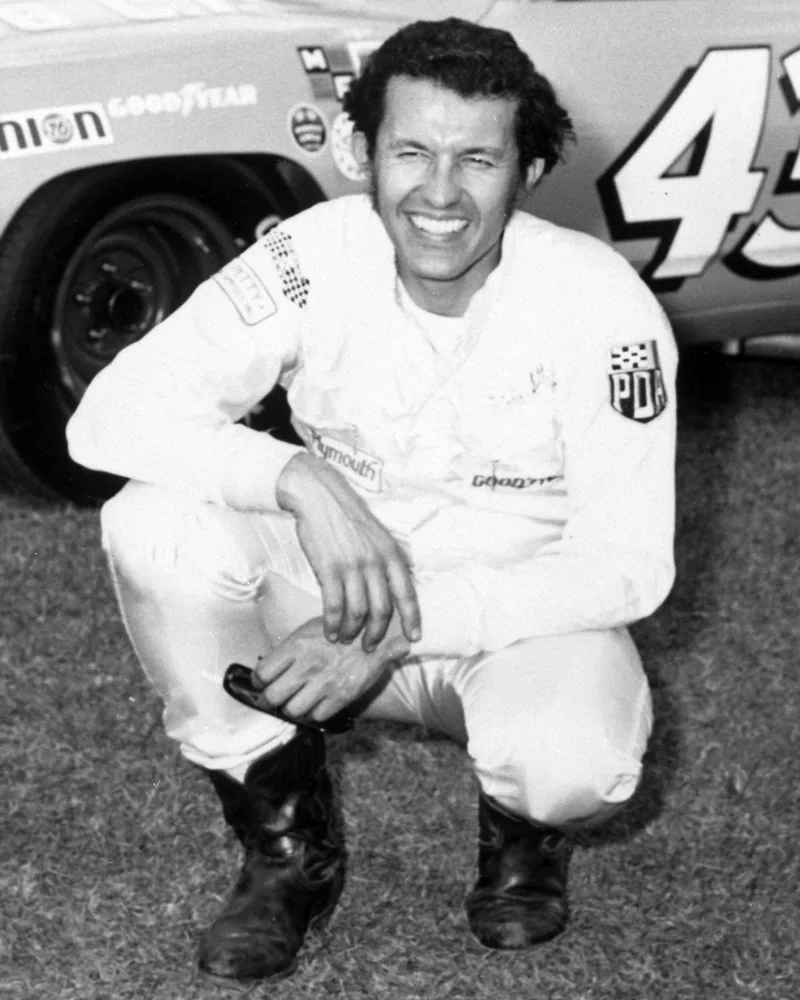
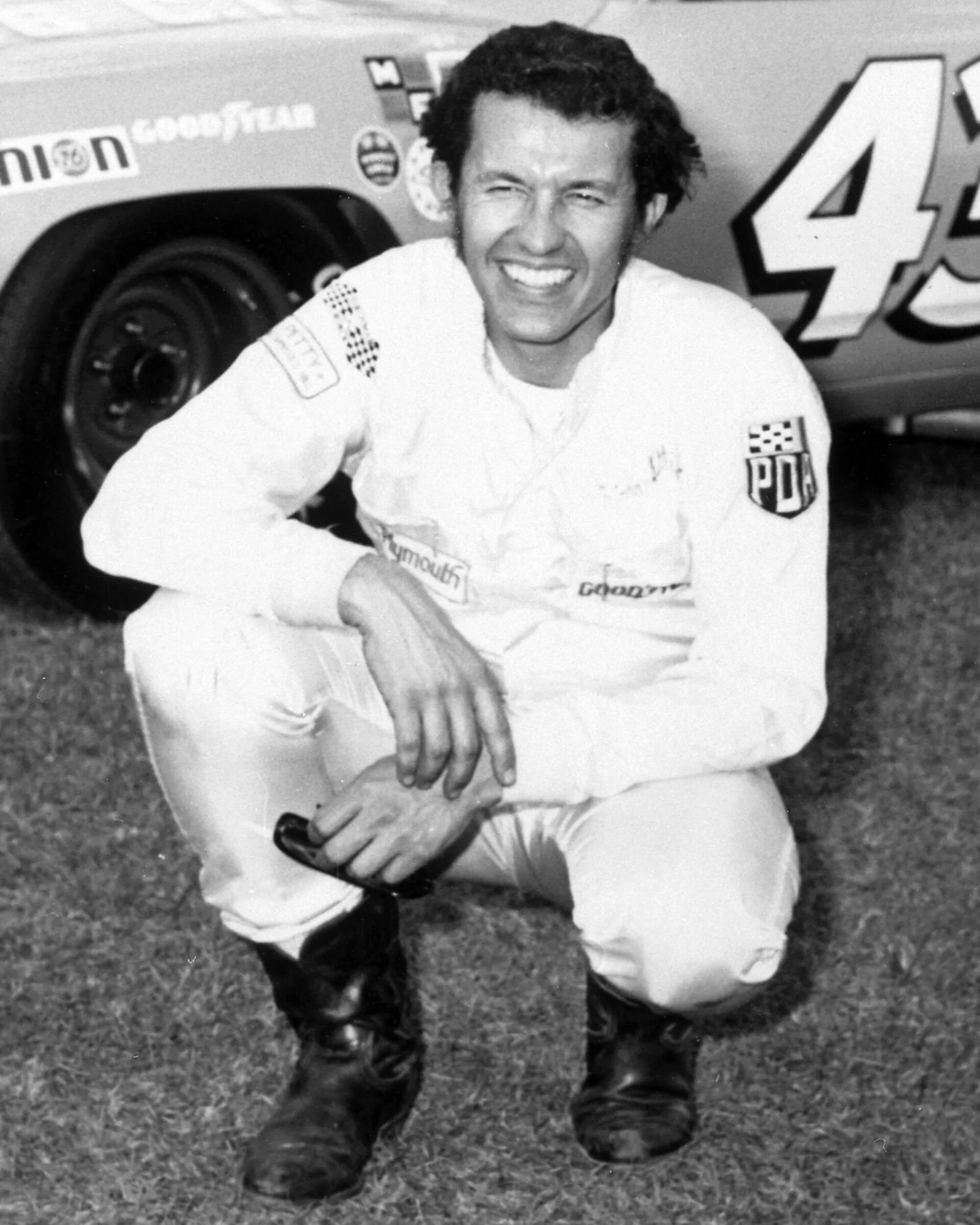
The complex cost $5.2 million, and horse racing began on March 8, 1969, when Pinehurst won with the jockey Fred Kratz in the saddle. The following month the NASCAR Grand National series scheduled a 300-mile race for July 6, and Richard Petty won the 1969 Mason-Dixon 300.
What financial struggles did the track face?
The early years were difficult. Liens of more than $950,000 were filed by July 1969. In April 1970 McNutt Electric took legal action over an unpaid bill, and by August the company had settled the liens with a payment of $965,000.
The auto oval stayed profitable even when horse racing lost money. The Cloverleaf Standardbred Owners Association threatened a near-boycott in 1973, demanding a purse increase of 8% plus new paddock facilities, and an agreement was eventually reached.
Attendance fell below expectations in early 1974, and the track's general manager, John Riddle, acknowledged the financial difficulties. That year Buckson pushed for dog racing and a tax relief measure, but the governor, Sherman W. Tribbitt, vetoed it, and the facility was put up for sale in September.
The state passed a tax break in 1975 to help if the track resumed thoroughbred racing, which eased some of the financial pressure. Auditors later found $49,000 of unpaid admission taxes, attendance fell 16% in winter 1977, and the FBI investigated possible race-fixing that year.
Governor Pete du Pont approved a $500,000 annual tax break in February 1979 after a difficult negotiation over the release of financial records. Riddle resigned that April to join NASCAR. The owner, John W. Rollins, said he had made no profit on the track, and that his financial support had kept it afloat.
How did slot machines change the business?
Denis McGlynn began advocating for slot machines in Delaware in 1989. A bill called H.B. 297 passed both chambers that year but was vetoed by Governor Mike Castle, and a second attempt in 1994 was vetoed by his successor, Tom Carper.
A rewritten bill, H.B. 628, let the state take a larger share of profits and required machines to be relicensed every four years. Carper allowed it to become law without his signature, and Rollins persuaded McGlynn to install 500 machines.
The machines were delayed for months. Test runs took place in December 1995 and the official opening followed a week later, and the venue soon expanded to 1,000 machines. By November 1996, $800,000 of renovations had been invested in a more stable business.
A 2,000 m2 (22,000 sq ft) expansion in March 1999 took the number of machines to 1,568, which made the complex more like an entertainment destination. Discussions about a hotel were recorded as far back as 1998, and a 520-room hotel was submitted to the planning commission in August 1999 and approved in September.
McGlynn reported significant losses from 1981 onward, and in a March 1983 interview he said so openly. In May 1984 he announced a long-term expansion plan to keep the NASCAR races, after complaints about a lack of seating. Repaving and seating additions followed in the years that came after.
How did the auto track expand in the 1980s and 1990s?
The auto racing oval expanded quickly while the horse racing side struggled. In 1986 and 1987 the track added 3,200 seats each year, and the next year a 5,100-seat addition near the main grandstand took capacity to 41,000. Rosecroft Raceway's opening in 1984 had already cut attendance at the older venue.
A 5,383-seat grandstand overlooking the fourth turn was erected in April 1991. Further additions were approved by the Dover Planning Commission through 1994, raising capacity to 73,502 people across the grounds.
In November 1994 officials announced a $1.8 million repave that replaced the traditional asphalt surface with concrete. Work began that November and was completed by March 1995, and in October 1996 the city approved a master plan for 170,000 seats.
By 2005, however, only about 140,000 seats had been installed, and the expansion plans were scaled back as demand changed.
The auto oval was called Dover Downs International Raceway, or DDIS, while the horse track was known as Dover Downs Raceway, or DDR. The two names reflected a site that was divided between cars and horses.
Track milestones at a glance
| Milestone | Detail |
|---|---|
| Horse racing opened | March 8, 1969 |
| Facility cost | $5.2 million |
| Slot machines opened | December 1995 |
| Capacity after 1994 | 73,502 seats |
| Split into two companies | April 2002 |
| SMI purchase | December 2021 for $131.5 million |
| Seats in 2022 | 54,000 |
What happened with the hotel and the 2002 split?
In July 2001 McGlynn proposed separating the auto racing business from the horse racing and casino operations. The split was finalised in April 2002, and the auto oval passed to Dover Motorsports and was renamed Dover International Speedway. The horse track and casino operations stayed with Dover Downs Gaming and Entertainment.
The hotel was intended to make the complex an entertainment destination. It was approved in 1999 as a 520-room, four-star project built in two phases of 260 rooms. The first phase opened on February 8, 2002, although a flood on the top floor, caused by an open pipe, affected the opening at the time. The approval had come after years of discussion.
The auto track continued to invest after the split. SAFER barriers were installed by the 2005 race after engineering difficulties, and a five-year renovation plan announced in 2006 added parking, luxury seats, a monument to past winners and an extended pit road.
In 2014 Mike Tatoian, the chief operating officer of Dover Motorsports, took over as president of the auto track from McGlynn. The following year the track spent $2.9 million on a new catchfence, 21 feet (6.4 m) high, that replaced the older and shorter version.
In May 2019 the track began a $5.5 million project to expand its garage surface area by 20%, finished in time for the 2019 Drydene 400.
Why did attendance fall so sharply?
The decline came in stages. Seating was cut by about 7,000 in May 2009, and by 2011 attendance at the Cup races had dropped below 90,000, over 50,000 less than the peak. Seat widening reduced capacity from 132,000 to 113,000 in 2012.
Further reductions followed. Capacity was 95,500 by the 2015 FedEx 400, and 10,500 seats were torn down before the 2017 race, leaving 85,000. Two years later the figure stood at 54,000.
Speedway Motorsports bought Dover Motorsports in December 2021 for $131.5 million, and the track's name became Dover Motor Speedway after the purchase. The earlier owners had blamed the Great Recession for much of the slump in attendance.
Racing, events and other attractions
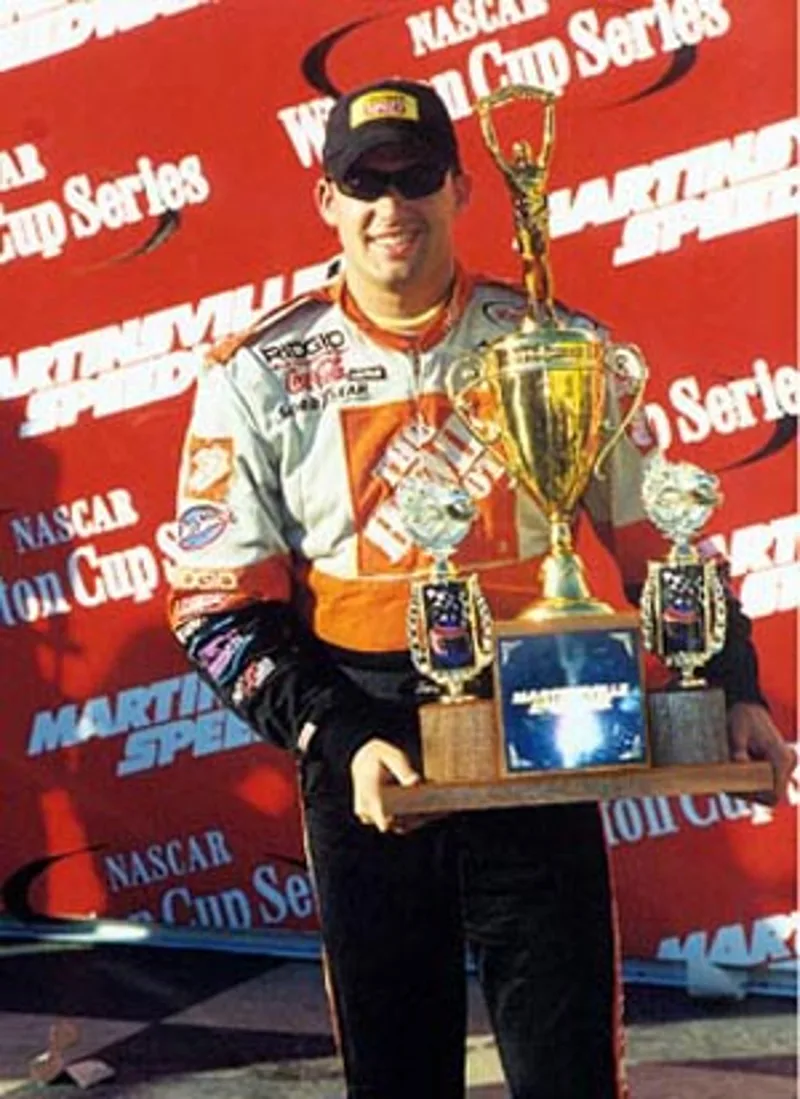
The track hosts one annual NASCAR Cup Series weekend, headlined by the Autotrader EchoPark Automotive 400. The O'Reilly BetRivers 200 and the Truck Series Ecosave 200 are point-paying races, and the NASCAR All-Star Race was once run there as an exhibition.
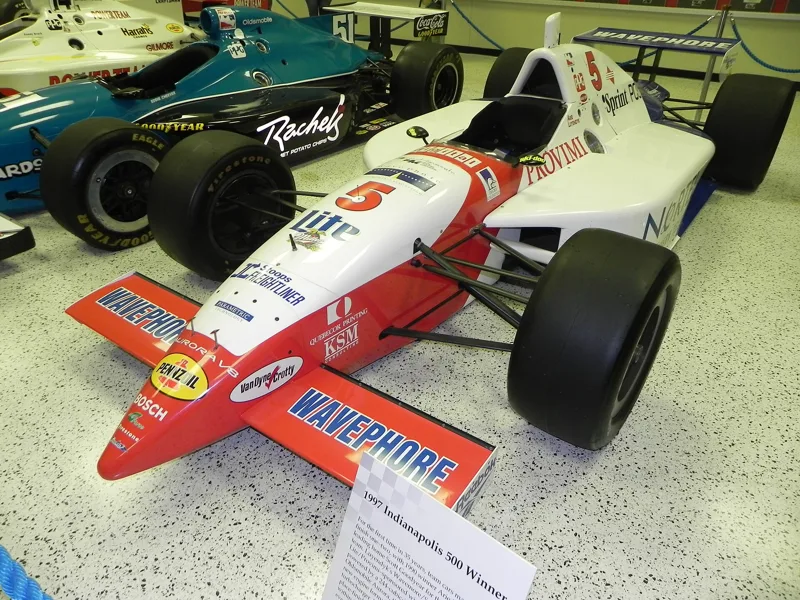
Other racing has included a one-off USAC open-wheel event in 1969, won by Art Pollard, and a ten-year USAC deal signed in 1970 that was cancelled the same year after complaints about safety. Indy Racing League races were held in 1998 and 1999 before they were dropped.
Non-racing events have included the Firefly Music Festival, which ran from 2012 until a hiatus in 2023. Since 2022 the venue has also staged Gift of Lights, a drive-through Christmas display with 3.5 million lights.