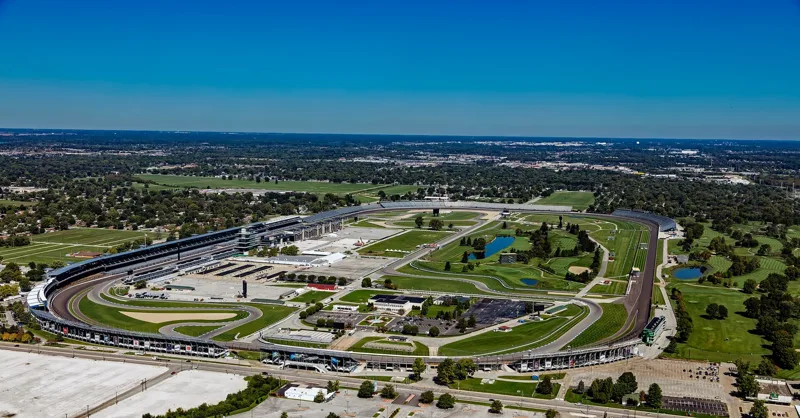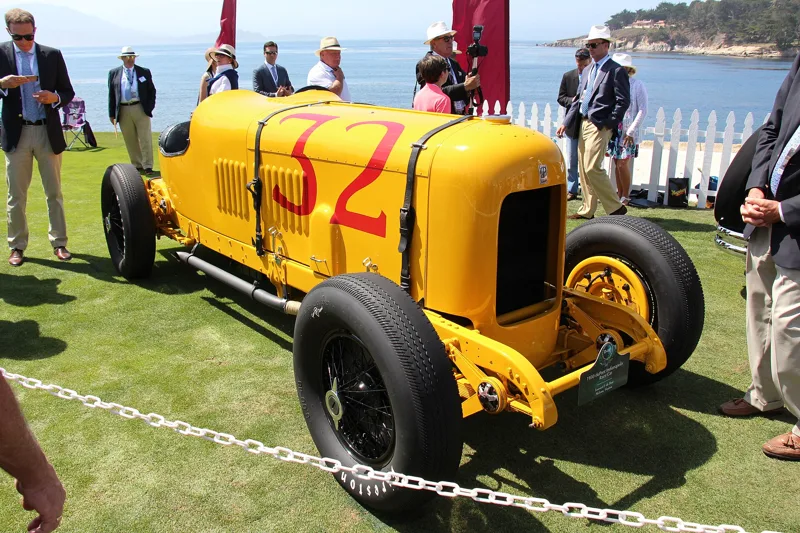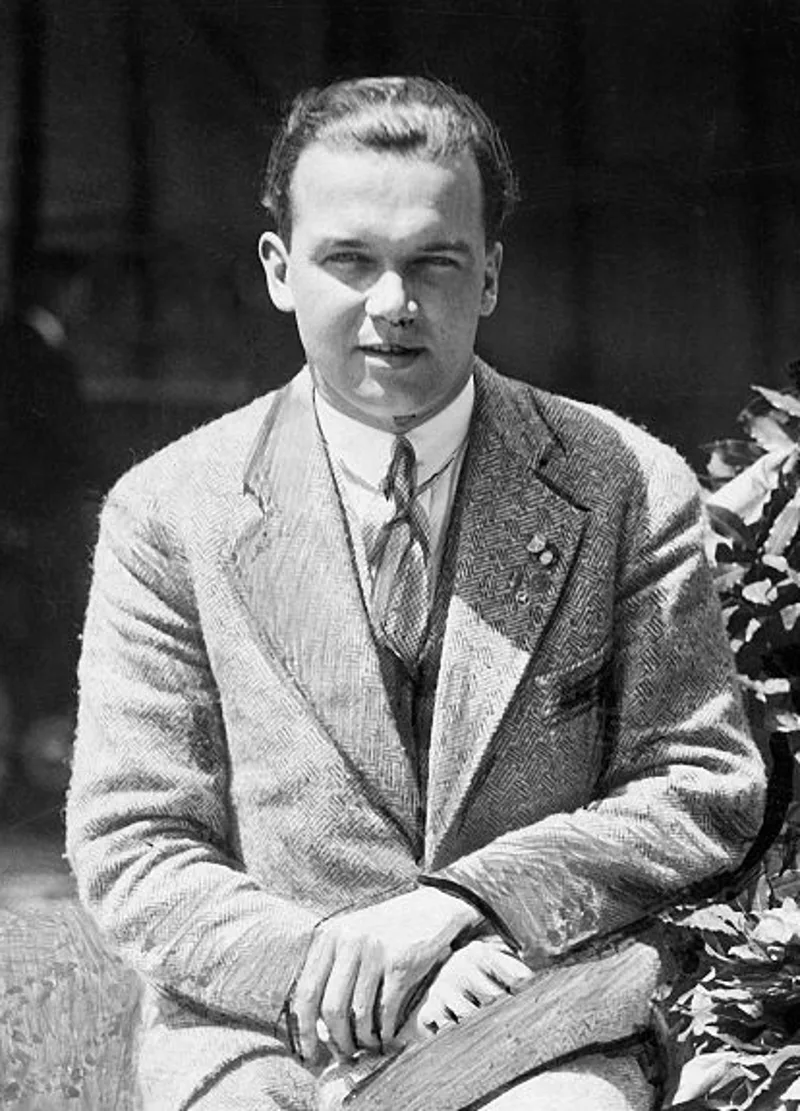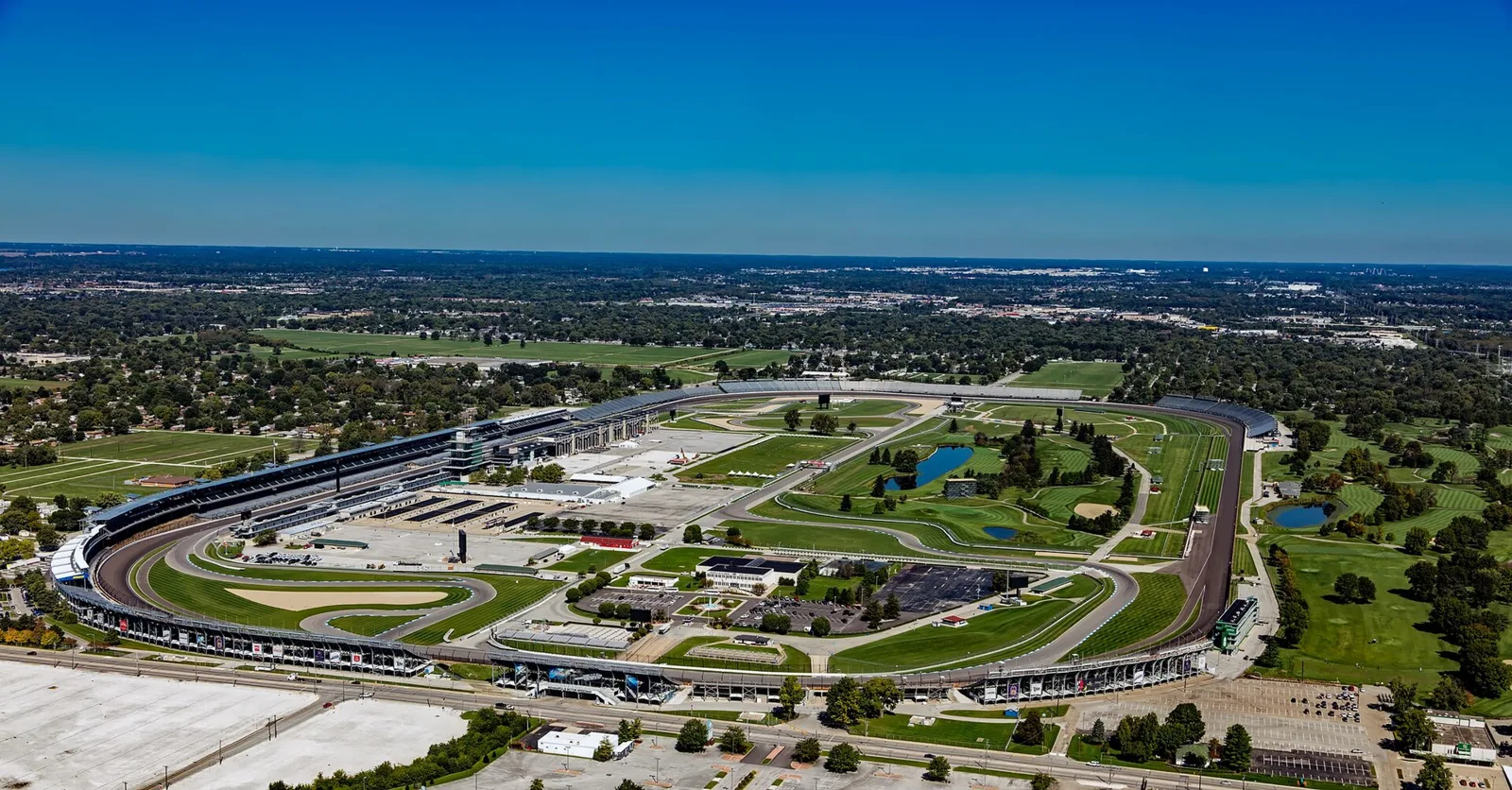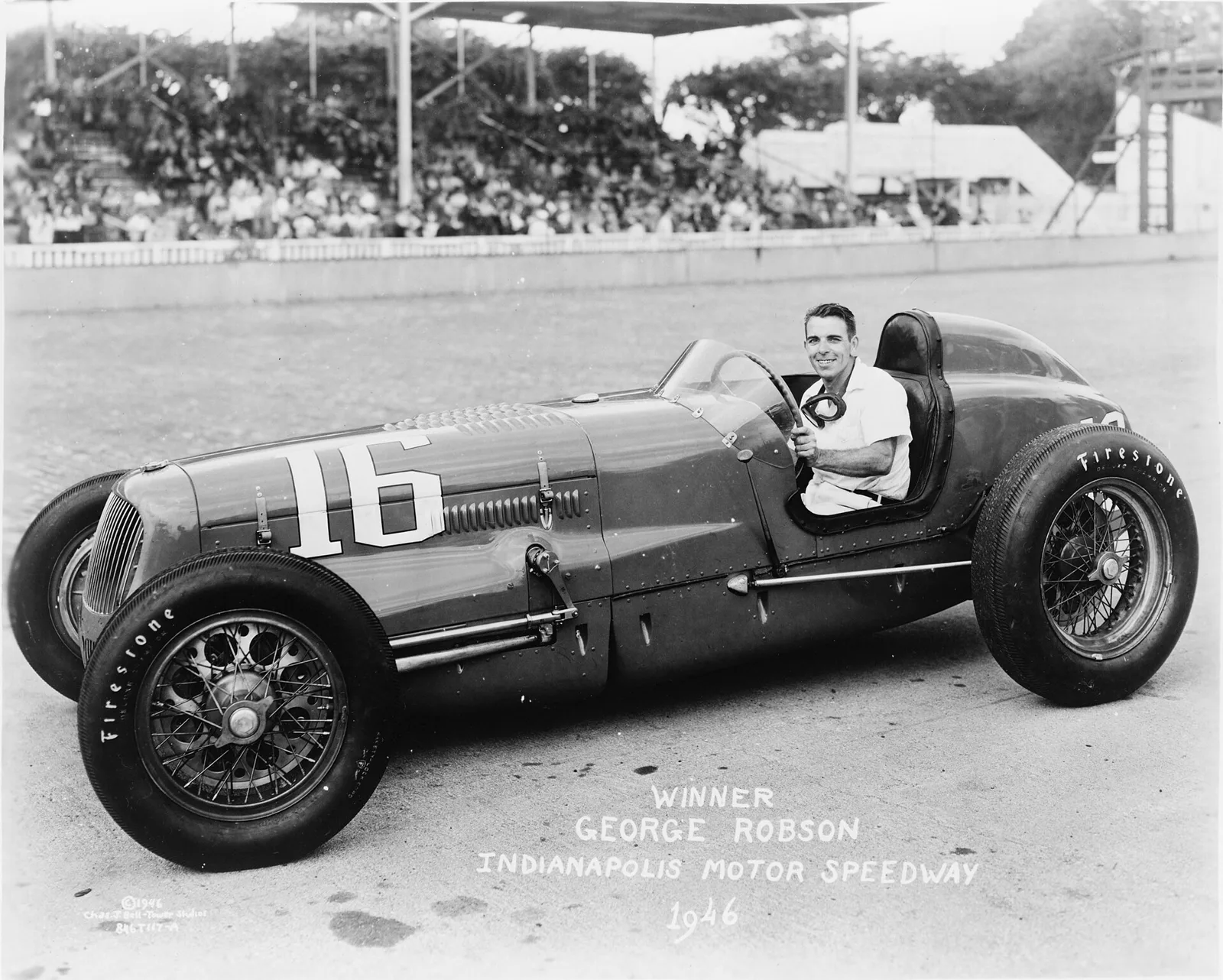
Five years of closure, a rebuilt Speedway and a field of 33 cars made the 30th International 500-Mile Sweepstakes a race of recovery.
The 1946 Indianapolis 500 was held on 30 May 1946 at the Indianapolis Motor Speedway as the first running since 1941. Robson took the win in a Sparks six-cylinder car, 34 seconds ahead of rookie Jimmy Jackson, after the track was rebuilt under owner Tony Hulman.
The 1946 Indianapolis 500 was the 30th International 500-Mile Sweepstakes, held on Thursday 30 May 1946 at the Indianapolis Motor Speedway. It was the first running since 1941 and took place on a track that had been neglected through the war years and then rebuilt in a matter of months. George Robson won in a six-cylinder Sparks, the first six-cylinder winner since 1911.
Why did the 1946 race matter?
The race mattered because it brought the Indianapolis 500 back after a break of four years, during which the Speedway had stood empty. Tony Hulman, who had bought the track in November 1945, ran the event as its new owner, and the day was judged a success by contemporary reports.
The Speedway had closed in late 1941 after the Pearl Harbor attack drew the United States into the Second World War. Eddie Rickenbacker, then president of the Indianapolis Motor Speedway, announced on 29 December 1941 that the 1942 race was cancelled. The gates were locked, and no race was held from 1942 to 1945.
Hulman was the third owner of the facility. He had announced that racing would resume on the traditional Memorial Day date, which gave the rebuilding effort a firm target. The 1946 event was therefore the first Indianapolis 500 he presided over.
The first race after the war was run on a track that had been overgrown for years and was rebuilt in a matter of months.
How was the Speedway brought back into use?
The Speedway was made ready through a renovation of about $300,000 that cleared overgrown grounds, rebuilt grandstands and readied the track after nearly five empty years. Work included new seating, a Paddock grandstand and a golf course, and the facility welcomed its first crowds in May.
Grass and weeds had taken over the brick racing surface during the closure, and the old wooden stands had grown frail. By March the grounds were mostly clear, and concrete was being poured for the Paddock grandstand that faces the Pagoda.
Excavation for a new G grandstand was under way, and plenty of parquet seating had gone in behind the pit area. The old diner beside Gasoline Alley was demolished to make way for a replacement restaurant. Advance sales were reported as brisk.
Demand for tickets started early. Mail orders had arrived steadily since the November sale, and some fans asked for tickets as early as August, soon after V-J Day. Official sales opened on 1 February, and the Speedway Golf Course followed on 6 April.
Only participants and the press could enter until 11 May. On that day the gates opened to the public, with admission costing 50 cents for each visitor, and practice time was extended to a longer day running from 9:00 a.m. until 7:00 p.m.
What rules and prizes applied in 1946?
The race ran under rules largely carried over from 1941, with a first prize of $20,000 and the traditional 33-car grid. A Lap Prize Fund later rose to $60,000, which answered complaints about the purse from some West Coast drivers in the spring.
The Contest Board kept the specifications almost unchanged, so teams had little new to prepare for. The purse worry was voiced in March, but by late April the Lap Prize Fund had reached $60,000 and eased much of that concern.
Invitations also went abroad. In mid-December, Richard T. James, Indiana's lieutenant governor, was in Europe and formally asked racing teams there to enter. Those teams faced money and transport difficulties, but at least five European drivers had asked about entering.
Each entry carried a $125 fee, and entries had to be received by midnight on 1 May. Anything postmarked on or before that day was accepted, so a rush of paperwork arrived just before the deadline.
How many cars entered the 1946 race?
The entry list grew through the spring, from six cars at the end of February to 56 by the May deadline, against a grid of 33. Several well-known drivers were named, including Cliff Bergere and Joie Chitwood, who were the first two entrants.
The Bowes Seal Fast Special was the car Rex Mays had driven to second place in 1941, and he was entered to drive it again. Mays was a three-time pole holder and the 1941 national champion, which made his entry a notable one.
Not every entry reached the grid. Tazio Nuvolari withdrew after the death of his son, and Achille Varzi took over the entry, but that car never qualified. Rudolf Caracciola had a Thorne Engineering car entered and was seriously injured in a practice crash in turn two on 28 May.
Officials also settled their staff early. Seth Klein came back as chief starter, Chester Ricker took the timing role again, and Henry Ford II was chosen to drive the pace car, a Lincoln Continental. The Kirkpatrick studio was signed as official photographer.
How did qualifying unfold over eight days?
Qualifying was planned for five days, but rain and parts shortages cut into the schedule, so officials made eight days available to fill the field of 33. The first qualifiers went out on the opening Saturday, and the field was not complete until the sun was almost gone on the final afternoon.
The first day, Saturday 18 May, drew more than 20,000 spectators to see the first significant action at the track in nearly five years. Rain threatened for most of the afternoon, and only six cars completed runs.
Sunday 19 May produced no attempts at all, because high winds and then rain kept the cars in the garage. Officials opened Monday 20 May, when only three cars completed runs before a small crowd of 3,000. Horn was quickest in the car Wilbur Shaw had used to win in 1940.
Qualifying resumed on 22 May, with five completed runs that took the field to 14 cars. Mauri Rose, who had thrown a rod earlier in the week, returned with a different engine and was fastest. On 25 May Rex Mays reached 128.861 mph, with George Robson and Jimmy Wilburn, each over 125 mph, following him.
Ralph Hepburn set the pace on Sunday 26 May, breaking both the one-lap and four-lap marks. His fourth lap reached 134.449 mph (216.375 km/h), while his four-lap average came to 133.944 mph (215.562 km/h). Four drivers completed runs that day, and the field reached 22 cars.
Monday 27 May was opened for an extra session from 1:00 pm to 5:00 pm at the teams' request. Four cars completed runs, taking the field to 27, and Hal Robson made the field alongside George, though speeds were lower than the Sunday records.
Tuesday 28 May was the last day, with the deadline set at sundown, 8:08 pm. Danny Kladis was the first to complete a run that afternoon, and he held on to 33rd place. Charles Van Acker completed four laps at 115.666 mph to fill the field.
Who won the pole position in 1946?
Cliff Bergere took pole at 126.471 mph on the opening day of time trials. At 49 he was the oldest pole winner in the race's history up to that point, and his Indy experience had made him one of the favourites.
Paul Russo was second in an unusual machine with two engines, one driving each axle. He was on pace through three laps, but on the final lap a supercharger overheated and his speed fell. Sam Hanks took third despite leaking oil that clouded his goggles.
Rear-wheel drive cars took two of the front-row places. Jimmy Jackson in fifth was the highest-placed car with front-wheel drive only.
How was the 33-car field completed?
The field was completed through record runs, late attempts and a bumping finale on the final evening. Ralph Hepburn set the fastest times, Danny Kladis and Charles Van Acker filled the last places, and three cars tried to bump their way in before sundown.
Hepburn drove the Novi Governor Special, an eight-cylinder front-wheel-drive car entered by W.S. Winfield. He had come back a day after his car failed on his first attempt, and his fourth lap was the fastest in the field.
Rex Mays would line up 14th despite his 128.861 mph, because he qualified on the fourth day of time trials. Speeds on the Monday were lower, and the Hepburn figures stood as the reference.
On the final afternoon Buddy Rusch sat on the bubble at 116.268 mph (187.115 km/h), the slowest qualifier so far. Steve Truchan pulled into the pits after three laps, and the spots were settled in the closing minutes.
Just before sundown, three cars went out to bump their way in. Tony Bettenhausen returned with a new car after a broken crankshaft, while George Connor edged out Rusch and Billy Devore displaced Charles Van Acker. Freddie Winnai's car quit before it finished a lap.
What happened during the 1946 race?
Mauri Rose led the first lap from ninth on the grid, tying an Indianapolis record. Attrition was heavy, with three of the first four starters out before 20 laps, and Paul Russo crashed in turn three on lap 16, which brought a long caution period.
Russo suffered a broken leg and minor injuries, while debris, oil and leaking fuel kept the marshals busy. Several other cars failed early. Hanks and Mays were among them, and so were Barringer, Banks and Connor, who all retired with mechanical trouble.
On lap 40 Mauri Rose crashed heavily in turn three. He had won the 1941 race with Floyd Davis, and his machine was said to have rolled over the retaining wall. Rose was burned but was not critically injured.
Ted Horn made two long pit stops and dropped seven laps down. He then came back to third place, setting the quickest times of the second half. He completed the full 500 miles, finishing 12 minutes behind the winner.
How did the race finish?
Robson moved ahead for good on lap 93 and won in his six-cylinder Sparks. Jimmy Jackson, a rookie, was second, 34 seconds behind, while Ted Horn finished third, 12 minutes adrift. Only nine cars remained running at the chequered flag.
Bill Sheffler, another rookie, ran at a pace of about 60 mph for most of the afternoon. He finished ninth, and he was the last car running when the race ended after 139 laps.
| Position | Driver and car | Detail |
|---|---|---|
| 1 | George Robson, Sparks (six-cylinder) | Led for good from lap 93; first six-cylinder winner since 1911 |
| 2 | Jimmy Jackson | Rookie, 34 seconds behind |
| 3 | Ted Horn | Recovered from seven laps down; 12 minutes behind |
| 9 | Bill Sheffler | Rookie; 139 laps, last car running |
| Retired | Paul Russo (crash) and five others | All early retirements, mostly mechanical |
Was Robson's win disputed?
Yes. After the race a protest was filed, claiming that Robson had broken the rules by staying in the cockpit during his pit stops. The protest was later dismissed, and Robson's victory stood, so the win was never taken from him.
The finishing order also explains the ninth place. Cars still on the track at the end were ranked above every retired car, regardless of laps completed, so Sheffler's slow but complete run counted for ninth.
What was the lasting significance of the 1946 race?
The race showed that the Speedway could reopen after the war and host a full field of 33 cars. It was the first Indianapolis 500 under Tony Hulman's ownership, and it proved the event could return after a long interruption.
The Mutual Broadcasting System carried the race live, sponsored by Perfect Circle Piston Rings, with Bill Slater as anchor. The coverage included the start, the finish and live updates during the race.
Tom Carnegie's voice on the public address system began at this race and ran for sixty-one consecutive years, to 2006. That run tied one voice to the event for more than six decades.
Tragedy also followed some of the figures. George Robson was killed in a racing crash only months after his victory. Rudolf Caracciola, seriously hurt in his practice crash, was offered the use of Tony Hulman's home in Terre Haute while he recovered.